Cajun Salmon
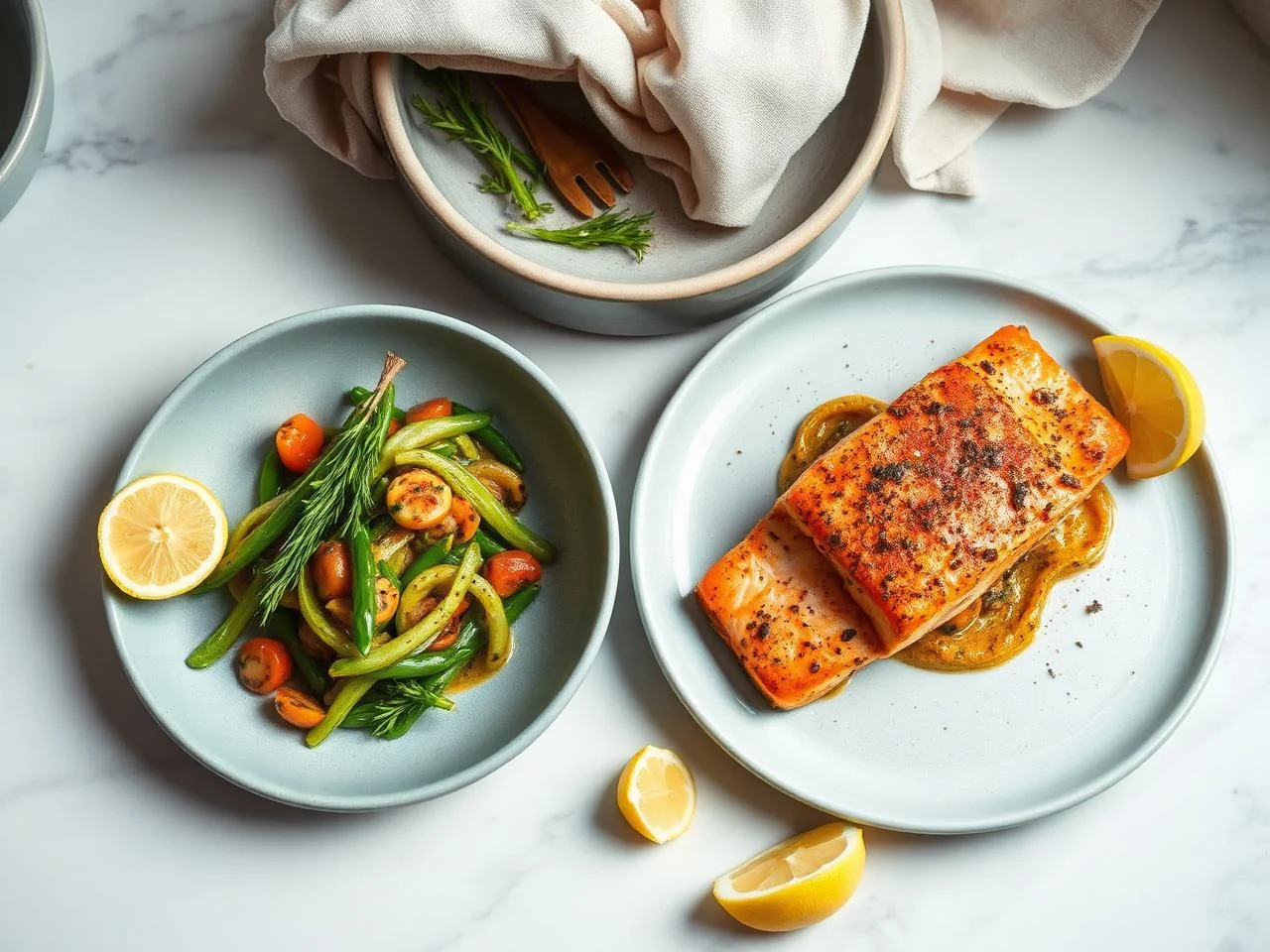
I still remember the first time I had Cajun Salmon at a coastal restaurant. The combination of spices and the freshness of the salmon left me in awe. As a home cook, I was determined to recreate this dish in my own kitchen. After several attempts, I finally perfected the recipe, and I'm excited to share it with you.
This recipe is perfect for anyone who loves seafood and is looking for a quick and easy dinner option. The best part is that it's made with ingredients that are easily accessible and can be prepared in under 30 minutes.
One of the key things that sets this recipe apart is the use of a Cajun spice blend. This blend is a combination of spices that adds a smoky, slightly sweet flavor to the salmon. I like to make my own blend using paprika, garlic powder, onion powder, and cayenne pepper.
In addition to the spice blend, this recipe also uses a few other key ingredients, including fresh salmon fillets, butter, and lemon juice. The butter adds a richness and creaminess to the dish, while the lemon juice provides a nice brightness and acidity.
Whether you're a seasoned cook or just starting out, this recipe is sure to become a staple in your kitchen. So go ahead, give it a try, and enjoy the delicious flavors of Cajun Salmon!
Why You’ll Love This Recipe
- This recipe is easy to make and can be prepared in under 30 minutes
- It's perfect for a weeknight dinner and can be served with a variety of sides
- The Cajun spice blend adds a unique and exciting flavor to the dish
- The recipe is highly customizable, so you can adjust the level of spiciness to your liking
- It's a great way to get your daily dose of omega-3 fatty acids and other essential nutrients
- The dish is perfect for special occasions, such as birthdays or holidays
- It's a great way to impress your friends and family with your cooking skills
Why This Recipe Works
The key to this recipe is the combination of the Cajun spice blend and the cooking technique. By cooking the salmon in a hot skillet with a small amount of oil, we're able to get a nice crust on the outside while keeping the inside tender and moist.
The use of butter and lemon juice also adds a richness and brightness to the dish, which helps to balance out the spiciness of the Cajun blend. And by serving the salmon with a side of rice or vegetables, we're able to round out the meal and make it feel more substantial.
Another important aspect of this recipe is the importance of not overcooking the salmon. By cooking it to an internal temperature of 145 F (63 C), we're able to ensure that it stays tender and moist. And by using an instant-read thermometer to check the temperature, we can be sure that we're not overcooking it.
Ingredients You’ll Need
One of the best things about this recipe is that it uses a variety of common ingredients that you may already have in your pantry. From the Cajun spice blend to the butter and lemon juice, each ingredient plays a crucial role in bringing the dish together.
When shopping for the ingredients, be sure to choose fresh and high-quality options. For the salmon, look for fillets that are firm and have a nice pink color. For the spices, choose a high-quality Cajun blend or make your own using paprika, garlic powder, onion powder, and cayenne pepper.
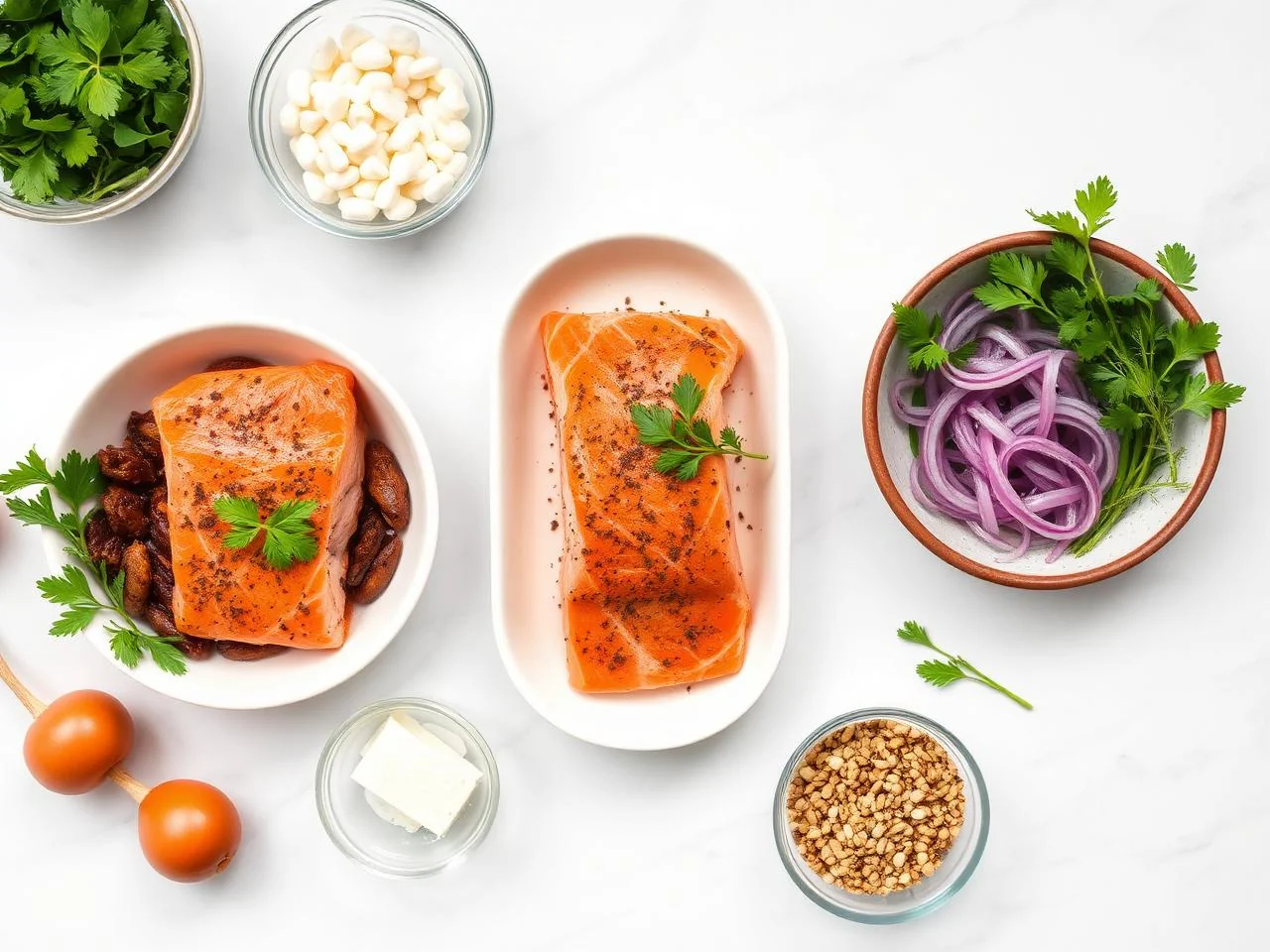
- 4 salmon fillets, 6 oz (170g) eachLook for fresh and sustainable salmon fillets, preferably wild-caught. You can also use other types of fish, such as tilapia or catfish, but salmon is the most traditional choice for this recipe.
- 2 tbsp (30g) Cajun spice blendYou can make your own Cajun spice blend using paprika, garlic powder, onion powder, and cayenne pepper, or use a store-bought blend. Be sure to adjust the amount of cayenne pepper to your desired level of spiciness.
- 1 tsp (5g) saltUse a high-quality salt, such as kosher or sea salt, to bring out the flavors of the dish.
- 1/2 tsp (2g) black pepperFreshly ground black pepper is best, as it has a more complex and nuanced flavor than pre-ground pepper.
- 2 tbsp (30g) unsalted butterUse high-quality, European-style butter for the best flavor and texture. You can also use other types of fat, such as olive oil or avocado oil, but butter is the most traditional choice for this recipe.
- 2 lemons, cut into wedgesFresh lemons are essential for this recipe, as they add a bright and citrusy flavor to the dish. Be sure to choose lemons that are firm and have a nice yellow color.
- 2 cloves garlic, mincedUse fresh garlic for the best flavor and aroma. You can also use garlic powder or garlic salt, but fresh garlic is the most traditional choice for this recipe.
- 1 cup (120g) chopped scallionsUse fresh scallions for the best flavor and texture. You can also use other types of onions, such as shallots or red onions, but scallions are the most traditional choice for this recipe.
- 1 cup (120g) chopped fresh parsleyUse fresh parsley for the best flavor and aroma. You can also use other types of herbs, such as basil or dill, but parsley is the most traditional choice for this recipe.
- 1/4 cup (60g) chicken brothUse low-sodium chicken broth to avoid adding too much salt to the dish. You can also use other types of broth, such as fish broth or vegetable broth, but chicken broth is the most traditional choice for this recipe.
Equipment You’ll Need
How to Make Cajun Salmon
- 1Preheat your skillet or cast-iron pan over medium-high heat, about 400 F (200 C).
- 2In a small bowl, mix together the Cajun spice blend, salt, and black pepper.
- 3Place the salmon fillets on a cutting board and sprinkle the spice blend evenly over both sides of the fish.
- 4Add the butter to the preheated skillet and let it melt. Once melted, add the garlic and cook for 1-2 minutes, until fragrant.
- 5Add the salmon fillets to the skillet, skin side up (if they have skin). Cook for 3-4 minutes, until the skin is crispy and golden brown.
- 6Flip the salmon over and cook for an additional 3-4 minutes, until it reaches an internal temperature of 145 F (63 C). Use an instant-read thermometer to check the temperature in the thickest part of the fish.
- 7Remove the salmon from the skillet and place it on a plate. Tent the plate with foil to keep the fish warm.
- 8Add the chicken broth to the skillet and bring it to a simmer. Scrape up any browned bits from the bottom of the pan with a whisk or spatula.
- 9Reduce the broth by half, then stir in the chopped scallions and parsley. Cook for an additional 1-2 minutes, until the herbs are wilted.
- 10Serve the salmon fillets with the pan sauce spooned over the top. Garnish with lemon wedges and serve immediately.
- 11Let the salmon rest for 2-3 minutes before serving, to allow the juices to redistribute and the fish to stay moist.
Expert Tips
- Make sure to pat the salmon fillets dry with a paper towel before cooking to remove excess moisture.
- Don't overcrowd the skillet, cook the salmon fillets one or two at a time, depending on the size of your pan.
- Use a thermometer to ensure the salmon is cooked to a safe internal temperature.
- Don't overcook the salmon, it should be cooked until it reaches an internal temperature of 145 F (63 C).
- Let the salmon rest for a few minutes before serving, this will help the juices to redistribute and the fish to stay moist.
- Use fresh and high-quality ingredients, this will make a big difference in the flavor and texture of the dish.
- Don't be afraid to experiment with different spices and seasonings, this will help you to find the flavor that you like the most.
Common Mistakes to Avoid
- Overcooking the salmon, this will make it dry and tough.
- Not patting the salmon fillets dry before cooking, this will prevent the fish from browning properly.
- Not using a thermometer to check the internal temperature of the salmon, this can lead to food poisoning.
- Not letting the salmon rest before serving, this will make the fish dry and tough.
- Using low-quality ingredients, this will affect the flavor and texture of the dish.
- Not cooking the salmon at the right temperature, this will affect the texture and flavor of the fish.
Variations and Substitutions
- Try using different types of fish, such as tilapia or catfish, for a different flavor and texture.
- Add some diced vegetables, such as bell peppers or onions, to the skillet with the salmon for added flavor and nutrition.
- Use different spices and seasonings, such as paprika or cumin, to give the dish a unique flavor.
- Add some acidity, such as lemon juice or vinegar, to the pan sauce for a brighter flavor.
- Try serving the salmon with different sides, such as rice or roasted vegetables, for a different flavor and texture.
- Use different types of fat, such as olive oil or avocado oil, for a different flavor and texture.
- Add some heat, such as cayenne pepper or red pepper flakes, to the dish for an extra kick.
What to Serve With Cajun Salmon
This Cajun Salmon recipe is perfect for serving with a variety of sides, such as rice, roasted vegetables, or a salad. You can also serve it with some crusty bread or over mashed potatoes for a more filling meal.
Some other ideas for sides include grilled or sautéed vegetables, such as asparagus or bell peppers, or a side of quinoa or couscous. You can also serve the salmon with a side of steamed broccoli or green beans for a healthier option.
Make-Ahead, Storage, Freezing and Reheating
This recipe can be made ahead of time and stored in the refrigerator for up to 24 hours. Simply cook the salmon and let it cool, then refrigerate it until you're ready to serve.
To reheat the salmon, simply place it in the oven at 350 F (180 C) for 5-7 minutes, until it's warmed through. You can also reheat it in the microwave, but be careful not to overcook it.
The pan sauce can also be made ahead of time and stored in the refrigerator for up to 24 hours. Simply reheat it in the skillet or in the microwave until it's warmed through.
This recipe can also be frozen for up to 3 months. Simply cook the salmon and let it cool, then wrap it tightly in plastic wrap or aluminum foil and freeze. To reheat, simply thaw the salmon overnight in the refrigerator, then reheat it in the oven or microwave until it's warmed through.
Frequently Asked Questions
What type of fish is best for this recipe?
Salmon is the most traditional choice for this recipe, but you can also use other types of fish, such as tilapia or catfish. Just be sure to adjust the cooking time and temperature according to the type of fish you're using.
How do I know if the salmon is cooked?
The best way to know if the salmon is cooked is to use a thermometer to check the internal temperature. The internal temperature should be at least 145 F (63 C). You can also check for doneness by inserting a fork or knife into the thickest part of the fish. If it flakes easily, it's cooked.
Can I make this recipe ahead of time?
Yes, you can make this recipe ahead of time and store it in the refrigerator for up to 24 hours. Simply cook the salmon and let it cool, then refrigerate it until you're ready to serve.
Can I freeze this recipe?
Yes, you can freeze this recipe for up to 3 months. Simply cook the salmon and let it cool, then wrap it tightly in plastic wrap or aluminum foil and freeze. To reheat, simply thaw the salmon overnight in the refrigerator, then reheat it in the oven or microwave until it's warmed through.
What type of pan is best for this recipe?
A large heavy skillet or cast-iron pan is best for this recipe. These types of pans can get very hot and can sear the salmon nicely.
Can I use different spices and seasonings?
Yes, you can use different spices and seasonings to give the dish a unique flavor. Just be sure to adjust the amount of spices and seasonings according to your taste preferences.
Can I serve this recipe with different sides?
Yes, you can serve this recipe with a variety of sides, such as rice, roasted vegetables, or a salad. You can also serve it with some crusty bread or over mashed potatoes for a more filling meal.
Is this recipe healthy?
Yes, this recipe is relatively healthy. Salmon is a good source of protein and omega-3 fatty acids, and the spices and seasonings used in this recipe are low in calories and fat.
Ingredients
- 4 salmon fillets, 6 oz (170g) each
- 2 tbsp (30g) Cajun spice blend
- 1 tsp (5g) salt
- 1/2 tsp (2g) black pepper
- 2 tbsp (30g) unsalted butter
- 2 lemons, cut into wedges
- 2 cloves garlic, minced
- 1 cup (120g) chopped scallions
- 1 cup (120g) chopped fresh parsley
- 1/4 cup (60g) chicken broth
Instructions
- Preheat your skillet or cast-iron pan over medium-high heat, about 400 F (200 C).
- In a small bowl, mix together the Cajun spice blend, salt, and black pepper.
- Place the salmon fillets on a cutting board and sprinkle the spice blend evenly over both sides of the fish.
- Add the butter to the preheated skillet and let it melt. Once melted, add the garlic and cook for 1-2 minutes, until fragrant.
- Add the salmon fillets to the skillet, skin side up (if they have skin). Cook for 3-4 minutes, until the skin is crispy and golden brown.
- Flip the salmon over and cook for an additional 3-4 minutes, until it reaches an internal temperature of 145 F (63 C). Use an instant-read thermometer to check the temperature in the thickest part of the fish.
- Remove the salmon from the skillet and place it on a plate. Tent the plate with foil to keep the fish warm.
- Add the chicken broth to the skillet and bring it to a simmer. Scrape up any browned bits from the bottom of the pan with a whisk or spatula.
- Reduce the broth by half, then stir in the chopped scallions and parsley. Cook for an additional 1-2 minutes, until the herbs are wilted.
- Serve the salmon fillets with the pan sauce spooned over the top. Garnish with lemon wedges and serve immediately.
- Let the salmon rest for 2-3 minutes before serving, to allow the juices to redistribute and the fish to stay moist.