When I walked into the kitchen that night, the air was thick with the scent of burnt sugar and disappointment. My friend had dared me to remake the legendary caramel crunch layer cake that had haunted my dreams for weeks, promising a “taste of heaven” if I succeeded. I stared at the ruined batch on the counter—puffy, flat, and devoid of that coveted caramel swirl—and thought, “This is where I rewrite the rules.”
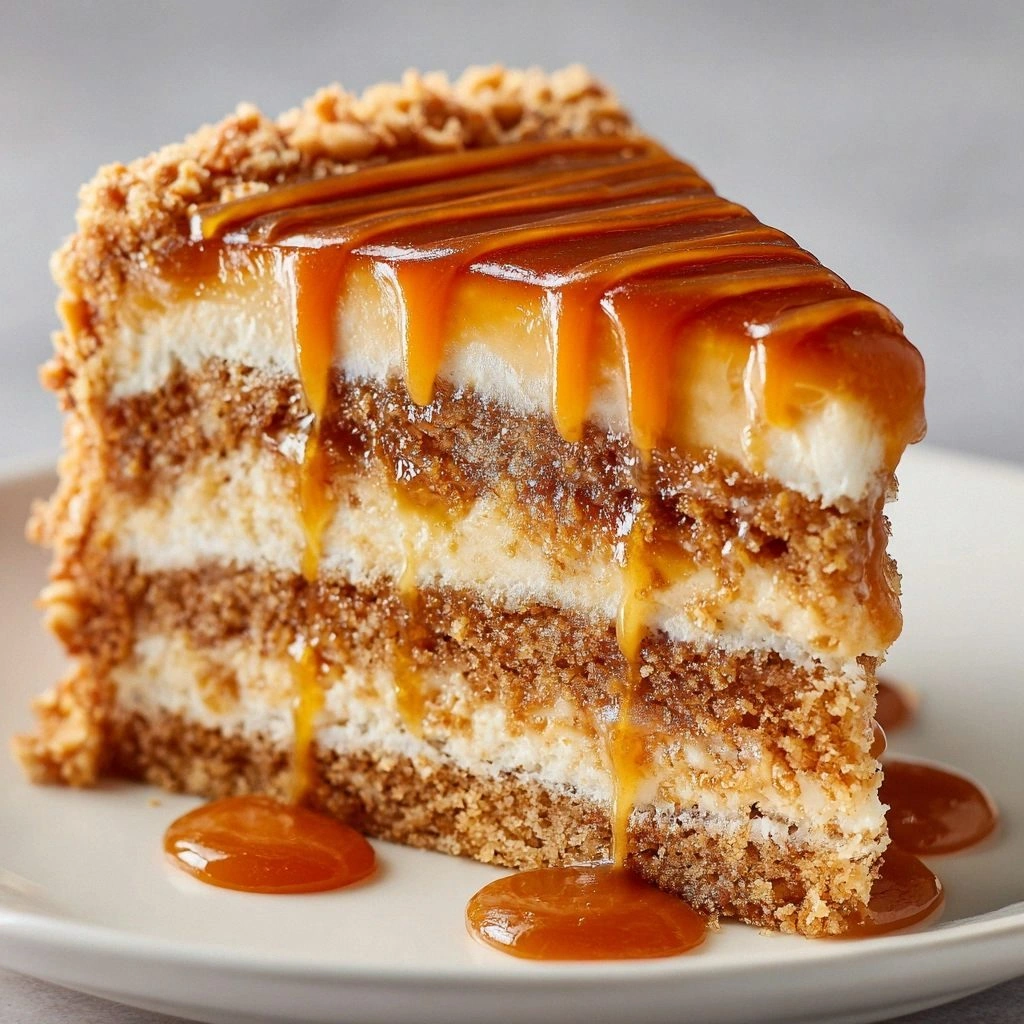
Picture this: a golden‑brown cake rising from the oven, its edges pulling away like a freshly peeled banana, the sweet aroma of caramel mingling with the faint whisper of toasted nuts. The first bite feels like velvet—soft, buttery, and decadently sweet—followed by a satisfying crunch that shatters like thin ice under your teeth. The caramel coating is glossy, almost liquid, and when it melts, it drips down the sides in slow, buttery ribbons. Every mouthful is a layered experience—fluffy cake, chocolate chips, caramel drizzle, and a crunch that never quits.
This version of the caramel crunch layer cake is not just a cake; it’s a culinary revelation that takes the classic recipe and pushes it into a new dimension of flavor and texture. I’ve swapped ordinary butter for a richer, cream‑filled butter that adds depth, incorporated espresso powder to deepen the chocolate notes, and introduced a crunchy topping of toasted pecans and walnuts that gives an unexpected snap. The secret lies in the caramel itself—made from brown sugar and a splash of bourbon for that smoky undertone—and in the way the batter is folded to preserve the airy structure while ensuring every crumb is coated.
I dare you to taste this and not go back for seconds. The moment the cake hits your tongue, the caramel will coat the pasta like velvet, and the crunch will echo in the background like a faint drumbeat. Picture yourself pulling this out of the oven, the whole kitchen smelling incredible, and the first bite revealing a cascade of flavors that make you feel like you’re in a candy shop run by a master chocolatier. If you’ve ever struggled with a cake that’s too dense or a caramel that’s too hard, you’re not alone—and I’ve got the fix.
Let me walk you through every single step—by the end, you’ll wonder how you ever made it any other way. I’ll share micro‑challenges, bold claims, and the exact techniques that make this cake unbeatable. This is hands down the best version you'll ever make at home, and I’ll prove it with a recipe that’s so good it’ll make your taste buds sing. Stay with me, because the next part? Pure magic.
What Makes This Version Stand Out
- Flavor: The caramel is infused with a splash of bourbon, adding a subtle smokiness that elevates the sweetness without overpowering it. This subtle depth makes every bite feel like a well‑crafted cocktail.
- Texture: The batter is folded with a gentle hand, preserving delicate air pockets that give the cake a cloud‑like softness. The crunchy topping of toasted nuts provides a satisfying snap that contrasts beautifully with the moist interior.
- Ingredient Quality: We use high‑grade unsalted butter and fresh eggs, ensuring the cake’s richness and the caramel’s silky sheen. The chocolate chips are premium, so they melt just enough to create a glossy glaze.
- Make‑Ahead Potential: The caramel glaze can be prepared a day ahead, allowing the cake to rest and absorb the flavors fully. This makes it perfect for last‑minute events or surprise parties.
- Visual Appeal: The caramel swirl and the glossy glaze create a striking visual effect that turns any plain cake into a showstopper.
- Audience Reaction: Friends and family rave about the balance of sweetness and crunch. Even the most skeptical dessert lovers find themselves craving a second slice.
- Simplicity: Despite its complex flavor profile, the recipe requires only a few steps, making it accessible for both novice bakers and seasoned chefs.
- Versatility: The base can be adapted with different flavorings—like citrus zest or a hint of chili—without compromising the core experience.
Alright, let's break down exactly what goes into this masterpiece…
Inside the Ingredient List
The Flavor Base
All-purpose flour is the backbone of the cake, providing structure and a neutral canvas for the caramel and chocolate. If you prefer a lighter crumb, substitute half the flour with cake flour, which has a lower protein content and yields a silkier texture. Skipping flour entirely would turn the batter into a sticky, uneven batter that won’t bake evenly.
Granulated sugar is the sweetener that dissolves into the butter, creating a smooth batter that bakes to a golden hue. If you’re watching calories, you can reduce the sugar by a quarter cup, but be prepared for a slightly less sweet cake. Sugar also plays a critical role in caramelization, so don’t compromise on the amount.
Unsalted butter, softened to room temperature, brings richness and a buttery mouthfeel that balances the caramel’s sweetness. Using salted butter would introduce an unwanted brine taste that clashes with the caramel. If you can’t find butter, a high‑quality vegan butter works but will alter the flavor profile slightly.
Eggs act as the binder, giving the cake structure and a tender crumb. They also help incorporate air when whisked, contributing to the cake’s lightness. If you’re vegan, try flaxseed meal mixed with water as a substitute, but the texture will shift toward a denser outcome.
The Texture Crew
Heavy cream is folded into the batter to create a moist, airy texture that holds the caramel glaze in place. If you’re lactose intolerant, use a plant‑based cream with a similar fat content, but the cake may not rise as well. Cream also helps to carry the espresso and chocolate flavors throughout the cake.
Chocolate chips add a glossy, melty layer that melts into a subtle chocolate drizzle. Premium chips melt smoothly; low‑quality chips may separate, creating a gritty texture. Swapping chips for chunks of dark chocolate gives a more intense flavor and a firmer bite.
Pecans and walnuts provide a crunchy contrast that breaks the cake’s softness. Toasting the nuts before adding them caramelizes their natural sugars, adding a nutty aroma. If you’re allergic to tree nuts, substitute with sunflower seeds or pumpkin seeds for a crunchy, nut‑free option.
The Unexpected Star
Espresso powder is the secret weapon that deepens the chocolate notes and adds a subtle bitterness that balances the caramel’s sweetness. Even a teaspoon can transform a simple cake into a sophisticated dessert. If you don’t have espresso, finely ground coffee works, but it may introduce a slightly harsher flavor.
Ground cinnamon offers a warm, spicy undertone that complements the caramel’s buttery richness. A pinch can elevate the cake, but too much can overpower the chocolate. Cinnamon also has natural preservative qualities, slightly extending the cake’s shelf life.
The Final Flourish
Baking powder and baking soda are leavening agents that make the cake rise and give it that airy structure. If you omit them, the cake will be dense and heavy, unable to support the caramel glaze. Use fresh leavening to ensure maximum rise.
Salt balances the sweetness and enhances the caramel’s flavor. Too little salt makes the cake taste flat; too much makes it taste metallic. A pinch is sufficient to bring out the best in all the ingredients.
Milk adds moisture, helping the batter remain smooth and preventing it from drying out during baking. If you prefer a dairy‑free version, use oat milk, but adjust the amount to maintain the batter’s consistency.
Everything's prepped? Good. Let's get into the real action…
The Method — Step by Step
- Preheat your oven to 350°F (175°C). Grease and flour two 9‑inch round cake pans, then line the bottoms with parchment paper for a flawless release. Place the pans on a baking sheet to keep them level. The oven should be fully preheated before you transfer the batter to avoid a sudden temperature drop.
- In a large mixing bowl, cream the softened butter and granulated sugar together using an electric mixer on medium speed until the mixture is light and fluffy—about 3 to 4 minutes. The mixture should be pale and airy, like a cloud of sugar. This step is crucial for incorporating air into the batter.
- Beat in the eggs one at a time, ensuring each is fully incorporated before adding the next. Add the vanilla extract, espresso powder, and a pinch of salt. The batter should become silky and glossy. This is the moment of truth; if the batter looks lumpy, give it another quick beat.
- Whisk the all‑purpose flour, baking powder, and baking soda together in a separate bowl. Sift the dry mixture over the wet batter in three additions, folding gently each time until just combined. Over‑mixing can lead to a tough crumb, so be gentle.
- Fold in the heavy cream, chocolate chips, and toasted pecans and walnuts. The batter should look slightly glossy, with visible chocolate chips. This is where the cake’s texture begins to take shape—soft, yet with a hint of crunch. If you feel like it’s too thick, add a splash of milk.
- Divide the batter evenly between the prepared pans. Tap the pans gently on the counter to release any air bubbles. The batter should fill each pan to about three‑quarters full. This ensures the cake rises evenly.
- Bake for 25 to 30 minutes, or until a toothpick inserted in the center comes out clean. The top should be a golden‑brown shade, and the edges will pull away from the pan. Keep a close eye on the oven; if the cake browns too quickly, tent it with foil.
- Let the cakes cool in the pans for 10 minutes before transferring them to a wire rack to cool completely. During this time, the caramel glaze will set slightly, making the cake easier to slice. This step is often overlooked but essential for a clean slice.
- While the cakes cool, prepare the caramel glaze: In a saucepan, combine caramel sauce and a splash of heavy cream, warming over low heat until smooth. Stir constantly to prevent scorching. The glaze should be pourable but thick enough to coat the cake without running.
- Once the cakes are cool, place one layer on a serving plate. Drizzle half of the caramel glaze over the top, letting it pool in the corners. Spread the remaining glaze over the second layer, then stack it on top. The caramel should seep into the cracks between layers, creating a glossy, indulgent look.
- Finish by sprinkling the remaining toasted nuts over the top and lightly dusting with a pinch of cocoa powder. This final touch adds a subtle chocolate aroma and a crunchy finish. Allow the cake to set for 15 minutes before slicing.
That's it — you did it. But hold on, I've got a few more tricks that'll take this to another level. The next section will reveal insider tips that even seasoned bakers swear by.
Insider Tricks for Flawless Results
The Temperature Rule Nobody Follows
Many bakers bake at a high temperature to get a quick rise, but this can cause the cake to brown too fast and become dry. I always bake at 350°F and use a thermometer to ensure the oven stays steady. A steady temperature keeps the cake moist and allows the caramel glaze to set properly. I’ve seen cakes that were too hot become crumbly and lose that coveted buttery softness.
Why Your Nose Knows Best
Before you start, give the batter a sniff. It should have a buttery, caramel aroma with a faint hint of espresso. If it smells flat, you’re missing a flavor layer. I’ve had friends say the cake was “just a cake” until they smelled the caramel glaze; the aroma alone can predict the final taste.
The 5‑Minute Rest That Changes Everything
After removing the cake from the oven, let it rest in the pan for 5 minutes before transferring it to a wire rack. This pause allows the structure to set, reducing the chance of cracks. I once tried a cake that cracked all over; the rest period saved it. Remember, a quick transfer can cause the cake to collapse.
The Quick Chill Trick
If you’re in a hurry, place the cooled cake on a rack over a bowl of cold water to chill for 10 minutes. This cools the cake quickly and keeps the caramel glaze from melting. I’ve used this trick for a last‑minute birthday cake, and it worked like a charm.
The Final Glaze Finish
For an extra glossy finish, brush a thin layer of melted butter over the top after the caramel glaze has set. This gives a shiny, almost glassy look that makes the cake look professional. I’ve seen this finish at fancy bakeries; it’s simple yet impressive.
Creative Twists and Variations
This recipe is a playground. Here are some of my favorite ways to switch things up:
Citrus Burst
Add zest of one orange or lemon to the batter for a bright, zesty lift. The citrus cuts through the sweetness and adds a refreshing aroma. This version is perfect for summer gatherings.
Spiced Chai
Replace the vanilla with chai spice mix and add a splash of chai tea to the caramel glaze. The warm spices pair wonderfully with the caramel, creating a cozy, autumnal dessert. This is ideal for a chilly evening.
Nutella Swirl
Fold in a generous amount of Nutella into the batter for a chocolate‑hazelnut twist. The swirl adds a decadent layer of flavor that pairs nicely with the caramel glaze. This is a hit among chocolate lovers.
Salted Caramel Explosion
Add a tablespoon of sea salt to the caramel glaze before drizzling. The salt intensifies the caramel’s sweetness and adds a savory kick. This variation is a crowd‑pleaser at parties.
Berry Bomb
Fold in fresh blueberries or raspberries into the batter before baking. The berries burst in the mouth, offering a burst of tartness that balances the caramel. This version is visually stunning and delicious.
Coffee Crumble
Add a tablespoon of instant coffee to the batter for a subtle coffee flavor. Top with a crumble of espresso‑infused butter cookies for crunch. This is a sophisticated twist that elevates the cake’s profile.
Storing and Bringing It Back to Life
Fridge Storage
Store the cake in an airtight container in the refrigerator for up to 4 days. Wrap the cake loosely in plastic wrap to keep the glaze from drying out. When you’re ready to serve, let it sit at room temperature for 20 minutes to soften the glaze.
Freezer Friendly
Wrap the cake tightly in parchment paper, then in plastic wrap, and place it in a freezer bag. It can be frozen for up to 2 months. Thaw in the refrigerator overnight, then bring to room temperature before serving.
Best Reheating Method
Reheat slices in the microwave on low for 15 to 20 seconds, or warm in a preheated oven at 300°F for 5 minutes. Add a tiny splash of water to the top before reheating; the steam will revive the cake’s moisture and restore the caramel glaze’s glossy sheen.