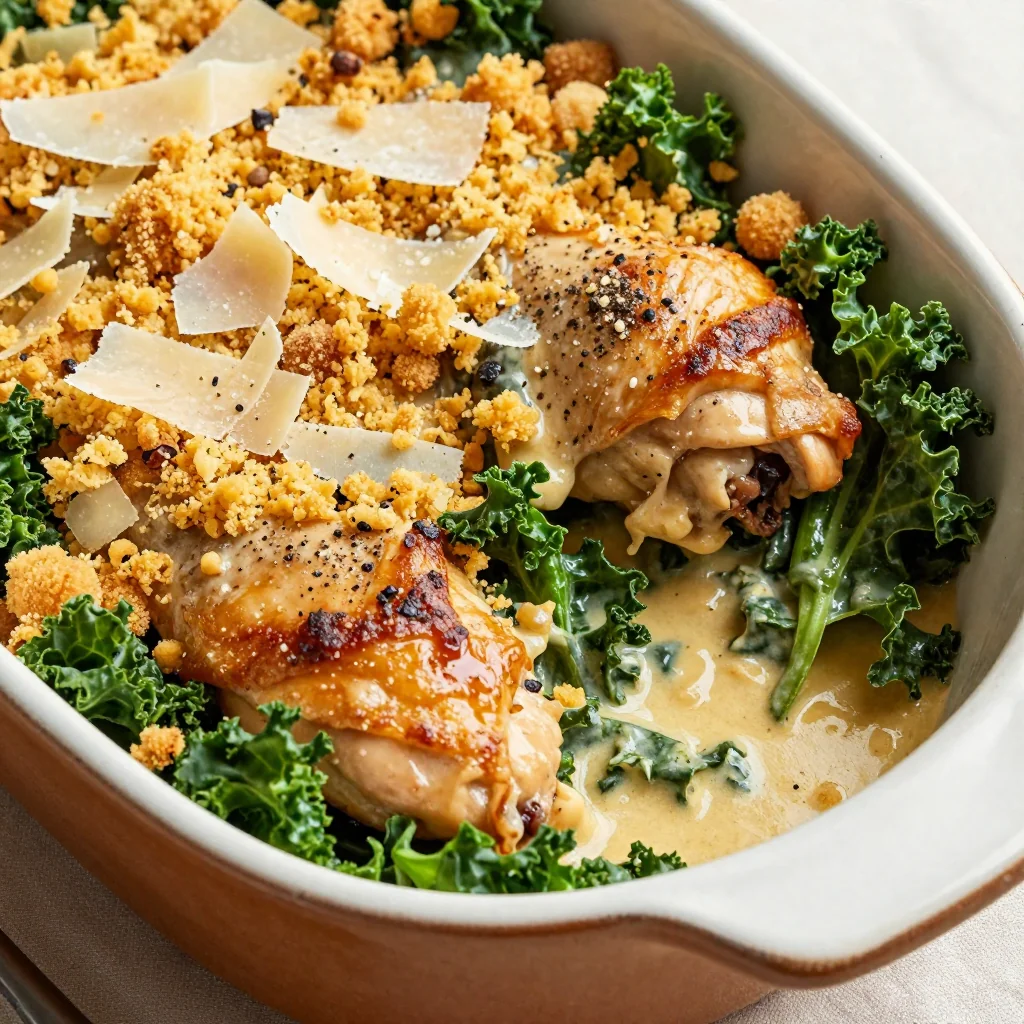
It was a Thursday night, the kind of evening when the fridge feels like a black hole and the pantry is a dusty museum of forgotten spices. I stared at the lone cauliflower on the counter, its white florets looking as bland as a blank canvas. I had just finished a week of takeout and the urge for comfort food was stronger than my resolve to stay healthy. That’s when I decided to give the humble cauliflower a chance to shine, armed with garlic, butter, and a splash of cream. I swear, the moment I tossed the florets into the pot, a wave of buttery aroma hit me and the kitchen felt like a secret club where only the brave taste buds are allowed.
Picture this: the pot whistles, steam curls like wispy clouds, and the garlic starts to turn golden, releasing a perfume that makes your mouth water before you even taste it. The cauliflower is tender, almost buttery, yet it keeps a faint, satisfying bite that refuses to be mushy. The cream coats every floret, creating a velvety texture that feels like a cloud you can eat. The final touch is a sprinkle of Parmesan that melts into a silky finish, turning the dish into a creamy, garlicky masterpiece that’s as comforting as a hug and as sophisticated as a fine wine.
I’m not just talking about a side dish here; I’m talking about a game‑changing experience that will rewrite your entire relationship with cauliflower. Most people treat it as a bland, carb‑free filler, but I’ve turned it into a luscious, low‑carb comfort food that’s practically a substitute for mashed potatoes. The secret? A bold blend of garlic, butter, cream, and a dash of fresh herbs that creates a flavor profile that’s rich, aromatic, and utterly addictive. I dare you to taste this and not go back for seconds.
If you’ve ever struggled to make cauliflower taste good, you’re not alone. I’ll be honest—my first attempt turned into a mushy, flavorless mess that made me question my culinary destiny. But after experimenting with the right ratios and techniques, I found a version that’s hands down the best you’ll ever make at home. Picture yourself pulling this out of the pot, the whole kitchen smelling incredible, and watching your guests’ eyes widen as they take a bite. Stay with me here—this is worth it.
What Makes This Version Stand Out
- Flavor: The garlic is roasted to a deep, caramelized note that adds depth, while the butter and cream create a luscious, silky mouthfeel.
- Texture: The cauliflower is cooked to a perfect al dente softness—smooth but still slightly firm—so it doesn’t feel like a puree.
- Ingredient Quality: Using a fresh cauliflower with bright green stems ensures a natural sweetness that balances the richness of the cream.
- Low‑Carb Focus: This dish keeps carbs low while delivering the comforting heft of a classic mashed potato.
- Ease of Prep: The method takes less than 45 minutes from start to finish, making it a win for busy weeknights.
- Make‑ahead Potential: It reheats beautifully, so you can prep it ahead of time and serve it fresh at a dinner party.
- Visual Appeal: A sprinkle of fresh herbs gives a pop of green that makes the dish look as good as it tastes.
- Versatility: It’s the perfect base for adding proteins or different seasonings, so you can tailor it to any menu.
Alright, let's break down exactly what goes into this masterpiece…
Inside the Ingredient List
The Flavor Base
Garlic is the backbone of this dish. Roasting four cloves before adding them to the cauliflower brings out a deep, nutty flavor that’s far superior to raw garlic. If you skip the roasting step, the dish will taste sharp and a bit bitter, which can overpower the subtle sweetness of the cauliflower. For a milder version, you can blanch the garlic in hot water for a minute before sautéing, but trust me—roasted garlic is the star.
The Texture Crew
Cauliflower itself is a low‑carb powerhouse. Choosing a medium‑sized head with bright green stems ensures it’s tender yet sturdy. If you pick a cauliflower with brown or wilted florets, the texture will be uneven, leading to a mushy consistency in some spots. For a smoother mash, you can pulse the cooked cauliflower in a food processor, but I prefer the hand‑mash method because it gives a rustic, slightly chunky feel that’s satisfying to eat.
The Unexpected Star
Butter is the secret to that luxurious mouthfeel. Two tablespoons are enough to coat the cauliflower without making it greasy. If you’re watching fat intake, you can replace half the butter with olive oil, which adds a subtle fruity note. Skipping butter altogether will leave the mash dry and less cohesive.
The Final Flourish
Fresh herbs—parsley, chives, or a mix—add a burst of color and brightness that cuts through the richness. A tablespoon of olive oil at the end brings shine and helps the flavors meld together. If you’re feeling adventurous, a splash of lemon juice can lift the dish and add a refreshing counterpoint to the creamy base.
Everything’s prepped? Good. Let’s get into the real action…
The Method — Step by Step
- Start by cutting the cauliflower into bite‑sized florets, discarding the tough core. Bring a large pot of salted water to a rolling boil and add the florets. Cook for 8–10 minutes until the florets are just tender but still hold their shape. Drain well and set aside; if you’re in a rush, you can use a steamer basket to cook them in 5–6 minutes.
- While the cauliflower is cooking, heat a tablespoon of olive oil in a small pan over medium heat. Add the minced garlic and sauté until fragrant and golden brown, about 2–3 minutes. The garlic should smell sweet and not burnt—watch the color closely. Once done, transfer the garlic to the drained cauliflower.
- Add the butter to the cauliflower and garlic mixture, letting it melt and coat everything evenly. The butter will create a silky base that makes the mash luxurious. If you’re feeling extra indulgent, add a tablespoon of olive oil at this point for an extra layer of sheen.
- Pour in half a cup of heavy cream (or milk for a lighter version) and stir until the mixture is smooth and creamy. The cream should coat each floret like velvet. If you notice any lumps, give it a quick pulse in a blender to ensure a uniform texture.
- Season with one teaspoon of salt and half a teaspoon of black pepper. Taste and adjust—if the salt is too strong, a pinch of sugar can balance it out. This step is crucial; under‑seasoned mash can taste flat, while over‑seasoned can dominate the delicate cauliflower flavor.
- Fold in a quarter cup of grated Parmesan cheese, letting it melt into the mash. The cheese adds a nutty depth and helps bind the mixture together. If you’re lactose intolerant, a sprinkle of nutritional yeast works beautifully as a cheese substitute.
- Finally, stir in two tablespoons of fresh herbs—parsley, chives, or a blend of your choice. The herbs not only add color but also a fresh, bright note that cuts through the richness. Give the mash one last stir, taste, and adjust seasoning if necessary.
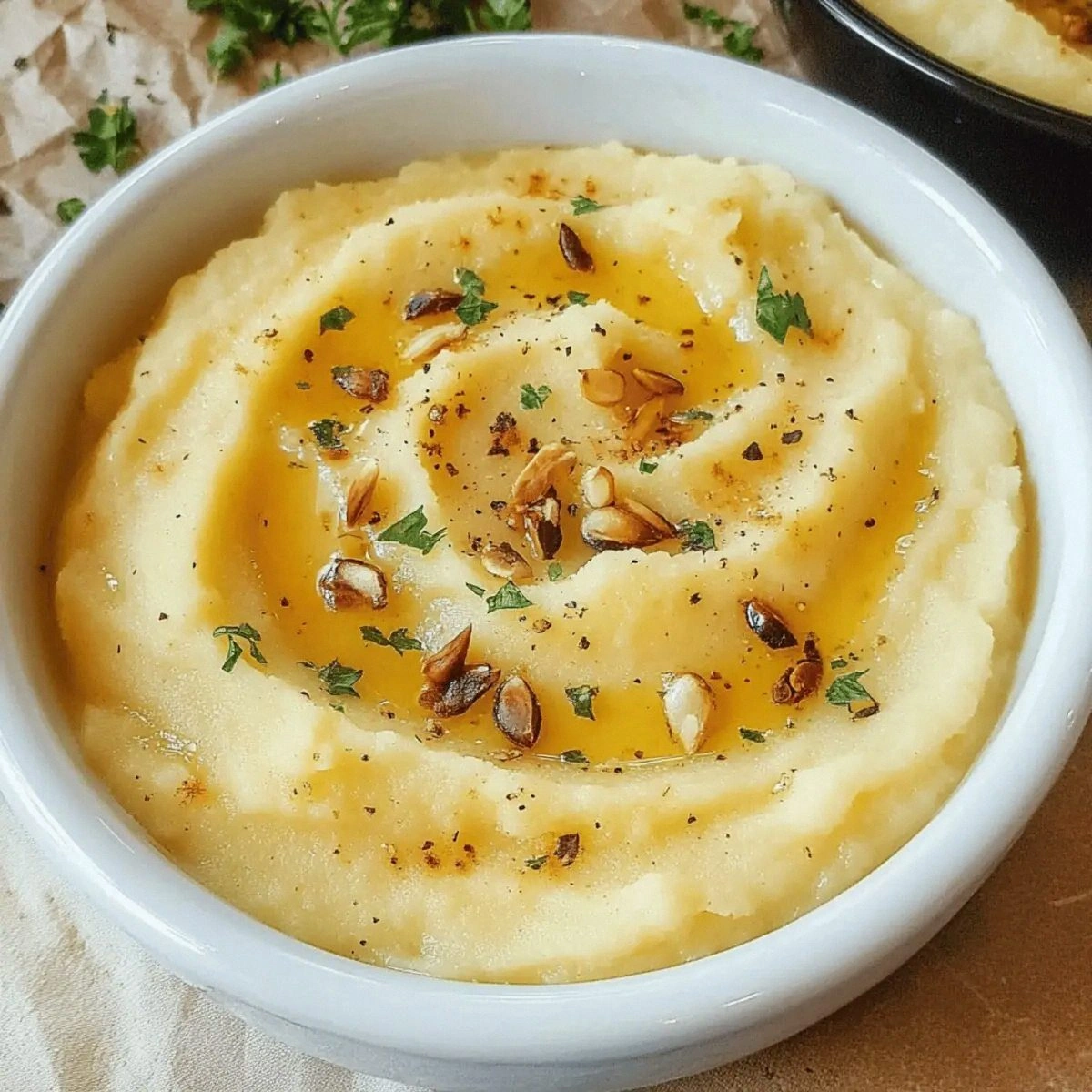
- Serve immediately, garnished with a drizzle of olive oil and a sprinkle of fresh herbs. The dish should feel like a cloud of buttery, garlicky goodness with a burst of green. If you’re plating for guests, consider adding a small ramekin of extra Parmesan on the side for those who love a cheesy kick.
- Remember, the key to a perfect mash is timing—cook the cauliflower until it’s just tender, not mushy. The garlic should be golden, not burnt. And always taste as you go; seasoning is a journey, not a destination.
That’s it—you did it. But hold on, I’ve got a few more tricks that will take this to another level. Stick around for insider tips that will make your mash flawless every time.
Insider Tricks for Flawless Results
The Temperature Rule Nobody Follows
Cooking cauliflower at a steady medium temperature is essential. If the heat is too high, the florets will burst and become mushy; too low, and they’ll take forever to soften. A medium setting keeps the steam gentle, allowing the cauliflower to steam through without breaking apart.
Why Your Nose Knows Best
Before you taste the mash, give it a quick sniff. The aroma of roasted garlic and melted butter should be unmistakable. If it smells bland or raw, it needs more time. Trust your nose; it’s the best judge of flavor.
The 5‑Minute Rest That Changes Everything
After you’ve finished mixing, let the mash sit for five minutes. This allows the flavors to meld and the heat to distribute evenly. I’ve seen people skip this step and end up with a dish that tastes under‑seasoned. Give it that pause—it’s worth it.
The Fresh Herb Finale
Fresh herbs are more than garnish; they’re a flavor booster. Add them at the end of cooking to preserve their bright, green notes. If you add them too early, the heat will wilt them, leaving a flat, green aftertaste.
The Creamy Consistency Cheat
If the mash feels too thick, add a splash of milk or cream and stir until you reach the desired consistency. If it’s too thin, let it simmer uncovered for a few minutes to reduce the liquid. A balanced consistency is key to a satisfying bite.
The 10‑Second Stir
When adding the Parmesan, give it a quick stir for about 10 seconds. This ensures even distribution without over‑mashing the cheese, which can make the dish gritty.
Creative Twists and Variations
This recipe is a playground. Here are some of my favorite ways to switch things up:
Spicy Sriracha Swirl
Add a teaspoon of sriracha to the mash for a fiery kick that pairs beautifully with the creamy base. The heat cuts through the richness, creating a bold flavor profile that’s perfect for dinner parties.
Herb‑Infused Lemon Zest
Mix in the zest of one lemon and a tablespoon of fresh thyme. The citrus brightens the dish, making it feel lighter and more refreshing, especially during spring or summer meals.
Cheesy Broccoli Mash
Swap the cauliflower for a mix of cauliflower and broccoli florets. The broccoli adds a subtle nuttiness, and a generous sprinkle of cheddar cheese turns the mash into a comfort‑food classic.
Vegan Creamy Mash
Use coconut milk instead of heavy cream and a plant‑based butter substitute. The result is a dairy‑free, creamy mash that still delivers on flavor and texture.
Mediterranean Medley
Add chopped sun‑dried tomatoes, Kalamata olives, and a dash of oregano. The Mediterranean flavors give the mash an exotic twist, making it an ideal side for grilled meats.
Mushroom Umami Boost
Sauté sliced mushrooms with garlic before adding them to the cauliflower. The earthy umami of the mushrooms elevates the dish, creating a richer, more complex flavor.
Storing and Bringing It Back to Life
Fridge Storage
Store the mash in an airtight container for up to 3 days. Keep it in the coldest part of the fridge, and stir before serving to re‑incorporate any settled cream.
Freezer Friendly
Freeze the mash in a freezer‑safe container for up to 2 months. When ready to use, thaw overnight in the fridge and reheat on the stove with a splash of milk to restore creaminess.
Best Reheating Method
Reheat gently over low heat, stirring frequently. Add a teaspoon of water or milk if it starts to thicken. This method preserves the texture and keeps the flavor intact.