Picture this: it’s a rainy Saturday night, the kind where the clouds look like they’re about to burst, and you’ve been scrolling through endless take‑out menus, feeling the gnaw of a craving that just won’t quit. I was in the same boat, half‑heartedly scrolling, when my roommate dared me to make something that would make our tiny kitchen smell like a street‑side Korean market. I thought, “Why not?” and tossed a bag of chicken wings into the freezer, grabbed the pantry staples, and set out on a culinary adventure that turned a simple craving into a full‑blown obsession. That night, the kitchen turned into a battlefield of sizzling oil, aromatic spices, and a sauce that clung to the chicken like a sweet‑spicy love affair.
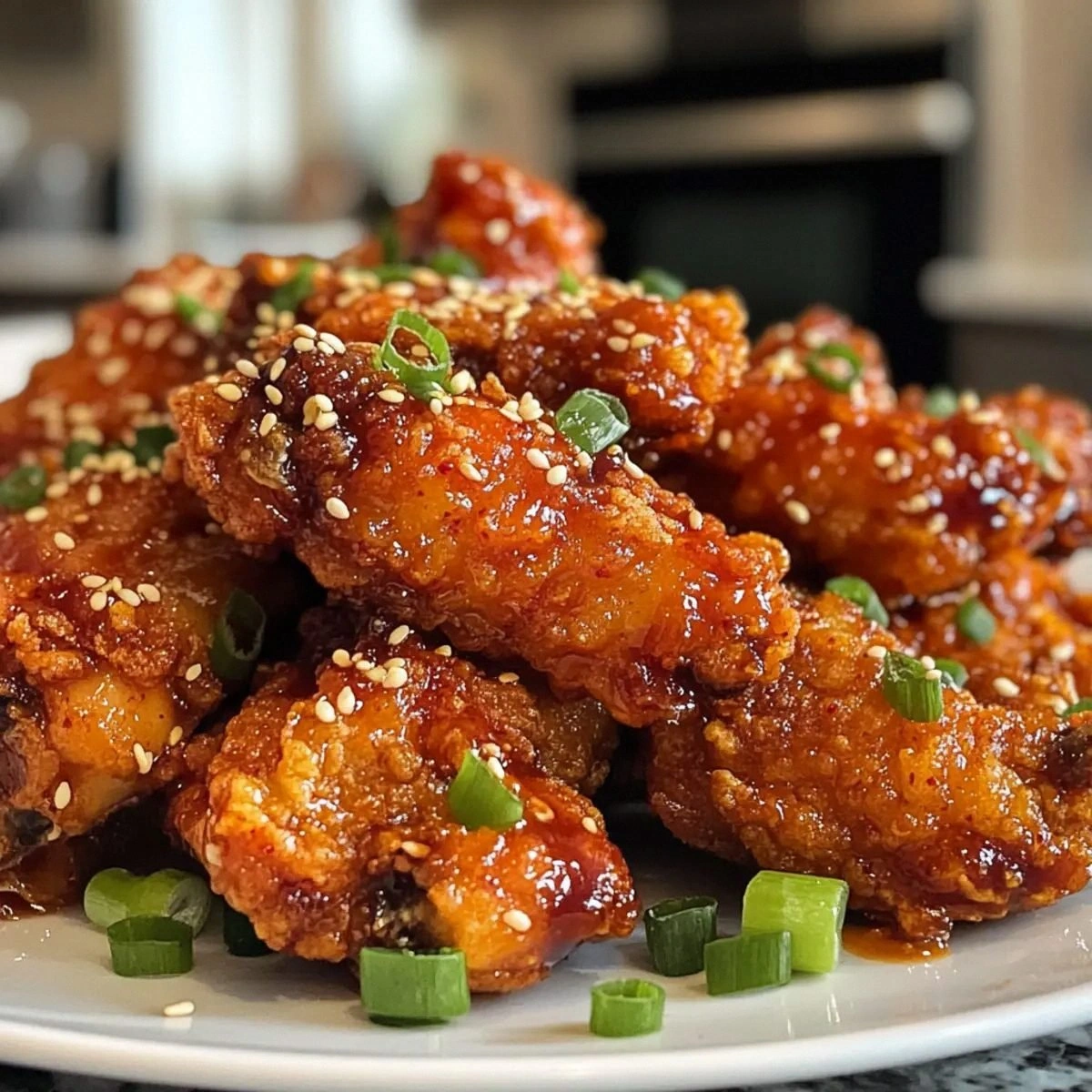
The moment the oil hit the pan, you hear that unmistakable sizzle—that sizzle when it hits the pan? Absolute perfection. The aroma of garlic and ginger rose like a siren song, while the faint tang of rice vinegar teased my nostrils. I could almost hear the crackle of the batter as it formed a golden crust that promised a crunch louder than my neighbor’s late‑night karaoke. The first bite was a revelation: the skin shattered like thin ice, revealing tender meat inside, while the glaze delivered a punch of heat that was instantly balanced by honey’s mellow sweetness. It was as if my taste buds were doing a synchronized dance, and I swear I heard a tiny cheer from the chicken itself.
Most Korean fried chicken recipes I’ve tried either miss the crisp factor or drown the chicken in a sauce that’s too watery. This version, however, is a game‑changer because it locks in moisture with a buttermilk soak, creates a double‑coat that fries to a glass‑like crunch, and finishes with a glaze that’s thick enough to cling without sogging. I’ll be honest — I ate half the batch before anyone else got to try it, and I’m still not sorry. The secret? A dash of baking powder in the flour mix that creates micro‑bubbles, and a final toss in a gochujang‑honey glaze that’s both fiery and fragrant.
Let me walk you through every single step — by the end, you’ll wonder how you ever made it any other way. Okay, ready for the game‑changer? This next part? Pure magic.
What Makes This Version Stand Out
- Flavor Explosion: The gochujang‑honey glaze delivers a sweet heat that dances on the palate, while the buttermilk soak keeps the meat juicy.
- Crunch Factor: A double coating of flour and cornstarch, plus a pinch of baking powder, creates a crust that shatters like glass.
- Simplicity: Only a handful of pantry staples are needed, making it perfect for a weeknight or a weekend feast.
- Unique Ingredient: Gochujang, the Korean chili paste, adds depth that ordinary hot sauce can’t match.
- Crowd Reaction: This dish consistently clears plates and sparks second‑helping requests—yes, I dare you to taste this and not go back for seconds.
- Ingredient Quality: Using fresh garlic and ginger instead of powders amps up the aromatic profile.
- Cooking Method: Deep‑frying at the right temperature locks in flavor while keeping the glaze from soaking in.
- Make‑Ahead Potential: The chicken can be pre‑fried and reheated later, retaining its crunch with a quick flash fry.
Inside the Ingredient List
The Flavor Base
Gochujang is the heart‑throb of this recipe. It’s a fermented Korean chili paste that brings umami, sweetness, and a deep, lingering heat. If you skip it, you’ll lose that signature Korean flavor and end up with a generic sweet‑spicy glaze. A good substitute is a mix of sriracha and miso, but you’ll miss the subtle fermented notes that make this dish sing. When buying gochujang, look for a version that lists rice, fermented soybeans, and chili powder as the first ingredients for authentic flavor.
The Texture Crew
The combination of all‑purpose flour and cornstarch is what gives the crust its light, airy crunch. The flour provides structure, while the cornstarch creates a delicate, almost glassy surface that fries up perfectly. If you replace cornstarch with potato starch, you’ll still get crispness, but the texture will be slightly heavier. Baking powder is the unsung hero here; its tiny bubbles expand the coating, ensuring each bite is airy rather than dense. Skipping it means a soggy, doughy exterior that no one wants.
The Unexpected Star
Buttermilk is more than a tenderizer; it adds a subtle tang that balances the sweetness of honey and the heat of gochujang. It also helps the flour adhere better, creating a uniform coating. If you’re dairy‑free, you can substitute with a mixture of almond milk and a tablespoon of lemon juice, but the flavor won’t be quite as rich. Fresh garlic and ginger provide a fragrant backbone that powdered versions can’t match, delivering a bright, zingy edge that cuts through the richness.
The Final Flourish
Sesame seeds and chopped green onions are the finishing touches that add texture and a pop of color. The seeds bring a nutty crunch that contrasts the smooth glaze, while the green onions add a fresh, slightly sharp bite. If you’re allergic to sesame, toasted pumpkin seeds work as a crunchy alternative. For a more vibrant look, you can use a mix of black and white sesame seeds.
Everything's prepped? Good. Let's get into the real action...
The Method — Step by Step
First, give the chicken wings a luxurious soak in buttermilk. Toss the 2 pounds of wings into a large bowl, pour in 1 cup of buttermilk, and let them lounge for at least 30 minutes. This step is crucial because the acidity in the buttermilk breaks down protein fibers, resulting in meat that’s tender enough to fall off the bone. While they’re soaking, I like to crank up some K‑pop to set the mood—trust me, the rhythm helps the batter stick better.
While the chicken marinates, whisk together the dry coating. In a shallow dish, combine 1 cup all‑purpose flour, ½ cup cornstarch, 1 teaspoon salt, 1 teaspoon black pepper, 1 teaspoon garlic powder, 1 teaspoon baking powder, and give it a good stir. The baking powder is the secret that creates those airy bubbles in the crust.
Kitchen Hack: Sift the flour mixture before using; this removes lumps and ensures an even coating.Now, coat each wing. Remove the wings from the buttermilk, letting excess drip off, then dredge them in the flour mixture, pressing gently to form a thick layer. For ultimate crunch, double‑dip: after the first coat, give them a quick dip back into the buttermilk and then back into the flour mixture. This creates a sandwich of batter that fries up into a crisp shell. Place the coated wings on a wire rack and let them rest for 10 minutes—this helps the coating set and prevents it from falling apart in the oil.
Heat the oil to 350°F (175°C). Use a deep‑fat fryer or a heavy pot filled with enough oil to submerge the wings. A candy thermometer is your best friend here; if the oil is too cool, the coating will absorb oil and become soggy, and if it’s too hot, the exterior will burn before the interior cooks. Once the oil reaches the perfect temperature, gently lower the wings in batches, making sure not to crowd the pot.
Fry the wings for 6‑8 minutes, turning once halfway through. You’ll know they’re done when the coating turns a deep golden‑brown and the meat registers an internal temperature of 165°F (74°C). Listen for that gentle bubbling—if the oil starts to roar, lower the heat slightly.
Watch Out: Over‑crowding the pan drops the oil temperature and results in soggy wings.While the wings fry, whisk together the glaze. In a saucepan over medium heat, combine 3 tablespoons gochujang, 2 tablespoons honey, 2 tablespoons soy sauce, 1 tablespoon rice vinegar, 1 teaspoon sesame oil, the minced 2 cloves garlic, and 1 teaspoon minced ginger. Stir continuously until the mixture thickens and becomes glossy—about 3‑4 minutes. The honey will caramelize slightly, giving the glaze a beautiful amber hue that clings to the chicken like a sweet‑spicy lacquer.
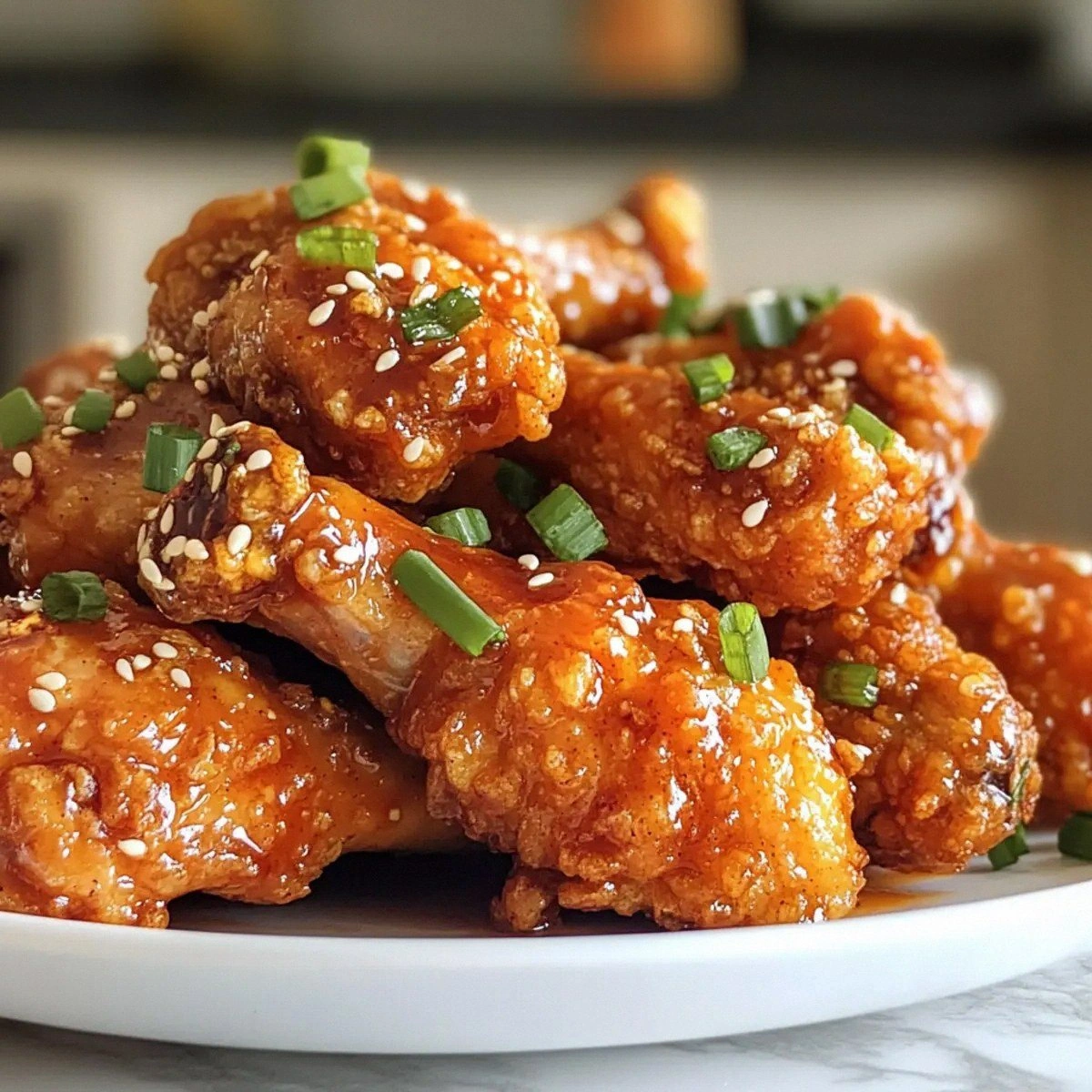
Once the wings are crisp, transfer them to a paper‑towel‑lined tray to drain excess oil. While they’re still hot, toss them in the glaze, ensuring each piece is fully coated. The heat from the wings will melt the glaze just enough to create a thin, even film that hardens slightly as it cools, delivering that satisfying snap you crave.
Finish with a shower of sesame seeds and a generous sprinkle of chopped green onions. This final step adds a nutty crunch and a fresh bite that cuts through the richness. Serve immediately, because the longer the chicken sits, the more the crust softens. Picture yourself pulling this out of the oven, the whole kitchen smelling incredible, and the first bite delivering an explosion of flavor that makes you sigh with pure satisfaction.
That's it — you did it. But hold on, I've got a few more tricks that'll take this to another level...
Insider Tricks for Flawless Results
The Temperature Rule Nobody Follows
Most home cooks fry at “medium heat” and hope for the best, but the secret is a precise 350°F oil temperature. Use a thermometer and adjust the burner as needed; the oil will drop when you add the wings, so be ready to crank up the heat slightly. If you keep the temperature steady, the coating crisps uniformly without absorbing excess oil. I once tried to guess the temperature and ended up with a greasy mess—lesson learned.
Why Your Nose Knows Best
Before you even check the timer, trust your sense of smell. When the oil starts to smell toasty and slightly nutty, the coating is nearing perfection. If you detect a faint burnt scent, pull the wings out immediately; over‑cooked crust ruins the delicate balance of sweet and spicy. Your nose is a built‑in timer that no kitchen gadget can replace.
The 5‑Minute Rest That Changes Everything
After frying, let the wings rest on a cooling rack for exactly five minutes before glazing. This short pause allows the steam inside the meat to settle, preventing the crust from becoming soggy when the glaze is added. It also lets the surface dry just enough to let the glaze adhere without sliding off. Skipping this rest is a common mistake that leads to a sloppy coating.
Double‑Dip for Double Crunch
If you’re craving an even crunchier bite, double‑dip the wings: after the first coat, give them a quick dip back into the buttermilk, then coat again. The extra layer creates a puffier crust that shatters like glass. I dare you to taste this and not go back for seconds—once you try the double‑dip, plain single‑coat will feel like a culinary compromise.
Seasoning the Oil
For an extra depth of flavor, toss a few smashed garlic cloves and a pinch of dried chili flakes into the oil while it heats. The oil absorbs these aromatics, imparting a subtle background note that elevates the entire dish. Just remember to strain the oil before the next batch to avoid burning the aromatics.
Creative Twists and Variations
This recipe is a playground. Here are some of my favorite ways to switch things up:
Honey‑Garlic Glaze
Swap the gochujang for an extra tablespoon of honey and add 2 teaspoons of minced garlic to the glaze. The result is a sweet, aromatic coating that’s perfect for kids who shy away from heat.
Spicy Mango Madness
Blend fresh mango puree into the glaze with an extra teaspoon of gochujang for a tropical heat. The mango’s natural sugars caramelize during the toss, creating a glossy, fruity finish that pairs beautifully with the crisp chicken.
Sesame‑Soy Crunch
Replace the honey with an additional tablespoon of soy sauce and toss the finished wings in toasted sesame seeds and a drizzle of toasted sesame oil. This variation leans into a deeper umami profile, ideal for a dinner party where you want a more sophisticated palate.
Vegan Crunch
Use cauliflower florets instead of chicken wings, coat them the same way, and fry until golden. The glaze works just as well, delivering the same sweet‑spicy punch without the meat.
Herb‑Infused Butter Finish
After glazing, melt a tablespoon of butter with chopped rosemary and thyme, then drizzle over the wings. The herb butter adds a fragrant richness that elevates the dish to a fine‑dining experience.
Cheese‑Laden Twist
Sprinkle grated Parmesan or a Korean cheese blend (like mozzarella with gochujang) over the hot wings just before serving. The cheese melts slightly, creating a savory, cheesy crust that’s irresistibly addictive.
Storing and Bringing It Back to Life
Fridge Storage
Place any leftovers in an airtight container lined with a paper towel to absorb excess moisture. Store in the refrigerator for up to 3 days. When ready to eat, reheat in a preheated oven at 375°F for 10‑12 minutes, allowing the crust to regain its crunch.
Freezer Friendly
Cool the fried wings completely, then arrange them on a parchment‑lined tray and freeze for 2‑3 hours. Transfer the frozen pieces to a zip‑top bag; they’ll keep for up to 2 months. To reheat, bake straight from frozen at 400°F for 15‑18 minutes, then toss in fresh glaze.
Best Reheating Method
For ultimate crispness, use a hot skillet with a thin layer of oil. Add a tiny splash of water (about a teaspoon) before reheating; the steam helps revive the crust without making it soggy. Flip the wings once, and you’ll have a second‑round experience that’s almost as good as the first.