I was sitting at the kitchen counter, half‑asleep, when a daring friend shouted, “Make French toast with cinnamon rolls and prove it can be done without burning the house down!” My brain immediately lit up like a neon sign at a midnight diner, and I was suddenly faced with a culinary dare that felt both absurd and irresistible. I grabbed a bag of pre‑made cinnamon rolls, because let’s be honest, who has time to roll dough from scratch on a Tuesday morning? The moment the sweet, buttery aroma of the rolls hit my nostrils, I knew this was going to be more than just a breakfast hack – it was a full‑blown flavor rebellion. I could already picture the golden‑brown crust cracking under my fork, the custardy interior spilling out like a warm, sugary waterfall.
The kitchen turned into a symphony of sizzling butter, the soft thud of eggs cracking, and the gentle hiss of milk hitting a hot pan. I could hear the faint pop of caramelizing sugar as the cinnamon rolls hit the skillet, and the whole room seemed to vibrate with the promise of something truly decadent. My senses were on overload: the sight of the rolls puffing up like little clouds, the smell of vanilla weaving through the buttery air, the feel of the warm pan under my palm, the taste of caramel‑kissed cinnamon dancing on my tongue, and the sound of my own heartbeat racing with anticipation. It was a full‑sensory overload that made me realize I was about to create a breakfast legend.
Most recipes for French toast treat the bread as a bland canvas, but this version flips the script entirely. By using cinnamon rolls as the base, we inject an instant burst of spice, sweetness, and that melt‑in‑your‑mouth softness that only a freshly baked roll can provide. The secret? A quick dip in a rich egg‑milk‑vanilla custard that seeps into every swirl, turning each bite into a custard‑filled dream. Most people try to over‑complicate things with fancy breads or exotic spices, yet the magic here lies in the simplicity of a few pantry staples that work together like a perfectly rehearsed dance troupe.
And now for the kicker: I’m going to reveal a tiny trick involving a splash of milk and a dash of vanilla that makes the custard cling to the rolls like a lover’s embrace, ensuring no soggy spots and maximum caramelization. I dare you to taste this and not go back for seconds – it’s that good. Let me walk you through every single step — by the end, you’ll wonder how you ever made French toast any other way.
What Makes This Version Stand Out
- Taste: The combination of cinnamon‑spiced dough with a vanilla‑infused custard creates a sweet‑savory balance that feels like a hug from your favorite pastry chef.
- Texture: You get a crisp, buttery exterior that shatters like thin ice, while the inside stays pillowy, custardy, and just the right amount of gooey.
- Simplicity: Using pre‑made rolls cuts prep time in half, yet the result feels like a labor‑of‑love brunch that took hours to perfect.
- Uniqueness: Most French toast recipes stick to plain bread; this one flips the script by turning a classic bakery treat into a breakfast hero.
- Crowd Reaction: Expect gasps, applause, and that inevitable “Can I have the recipe?” from anyone within a five‑foot radius.
- Ingredient Quality: The butter used for frying adds a nutty depth that store‑bought margarine simply can’t match.
- Cooking Method: The quick sear on medium‑high heat locks in moisture while giving you those coveted caramelized edges.
- Make‑Ahead Potential: You can prep the custard and roll‑ups the night before, making weekend brunch a breeze.
Inside the Ingredient List
The Flavor Base
The custard is the heart of this dish. Eggs provide richness and act as the binding agent that turns milk into a velvety sauce. If you skip the eggs, you’ll end up with a soggy mess that looks more like a pancake gone wrong than a sophisticated roll‑up. Milk adds creaminess, but you can swap it for half‑and‑half for an even richer mouthfeel. A splash of vanilla extract adds a warm, sweet aroma that perfectly complements the cinnamon, turning the ordinary into the extraordinary.
The Texture Crew
Butter is the unsung hero of the frying stage. It creates that golden‑brown crust that shatters like thin ice when you bite into it. If you’re watching calories, you can substitute a mix of butter and a neutral oil, but you’ll lose the nutty flavor that makes this recipe unforgettable. The pre‑made cinnamon rolls bring a built‑in caramelized sugar layer; if you decide to make them from scratch, be generous with the brown sugar in the filling to maintain that sweet crunch.
The Unexpected Star
Cinnamon rolls themselves are the surprise element. Most people think of them as a dessert, but when you dunk them in custard and fry them, they become a breakfast powerhouse. The swirl of cinnamon and sugar inside each roll creates pockets of molten sweetness that burst with each bite. If you can’t find cinnamon rolls, a sturdy brioche or challah works, but you’ll miss that iconic cinnamon swirl.
The Final Flourish
A pinch of salt is the secret whisper that brings all the sweet flavors into harmony. It cuts through the richness and prevents the dish from tasting cloyingly sweet. If you’re allergic to dairy, you can replace the milk with a fortified almond or oat milk, but keep the vanilla extract to preserve that comforting aroma. Finally, a dusting of powdered sugar just before serving adds a snow‑capped finish that looks as good as it tastes.
Everything's prepped? Good. Let's get into the real action...
The Method — Step by Step
Gather eight cinnamon rolls, slice each one in half horizontally, and set them aside. This creates a perfect pocket for the custard to seep into. If the rolls are still warm from the oven, let them cool for a couple of minutes – you don’t want the butter melting prematurely.
In a large mixing bowl, whisk together four large eggs, one cup of whole milk, and one teaspoon of pure vanilla extract. Whisk until the mixture is uniformly pale and slightly frothy; this indicates that the eggs have been fully incorporated and will give you that luxurious custard texture.
Kitchen Hack: Use a fork instead of a whisk for a quicker emulsification; the tines break the egg membranes efficiently.Heat a large non‑stick skillet over medium‑high heat and add two tablespoons of butter. Listen for that satisfying sizzle – that’s the sound of flavor being built. Once the butter foams and starts to turn a light amber, you know the pan is ready for the roll‑ups.
Dip each cinnamon roll half into the custard, letting it soak for about three seconds per side. You want the roll to be coated but not drenched; too much liquid will make the roll soggy, too little and you’ll miss the custardy interior. The custard should cling like a light glaze, shimmering on the surface.
Place the custard‑coated rolls into the hot skillet, leaving a little space between each piece. Cook for 2‑3 minutes on the first side, until the edges turn a deep golden brown and you can hear a gentle crackling. Flip carefully with a spatula; the second side needs just as much love, another 2‑3 minutes, until the roll feels firm to the touch.
Watch out: If the heat is too high, the butter will burn before the interior heats through, leaving a bitter aftertaste. Reduce the flame to medium if you notice the butter turning dark too quickly.
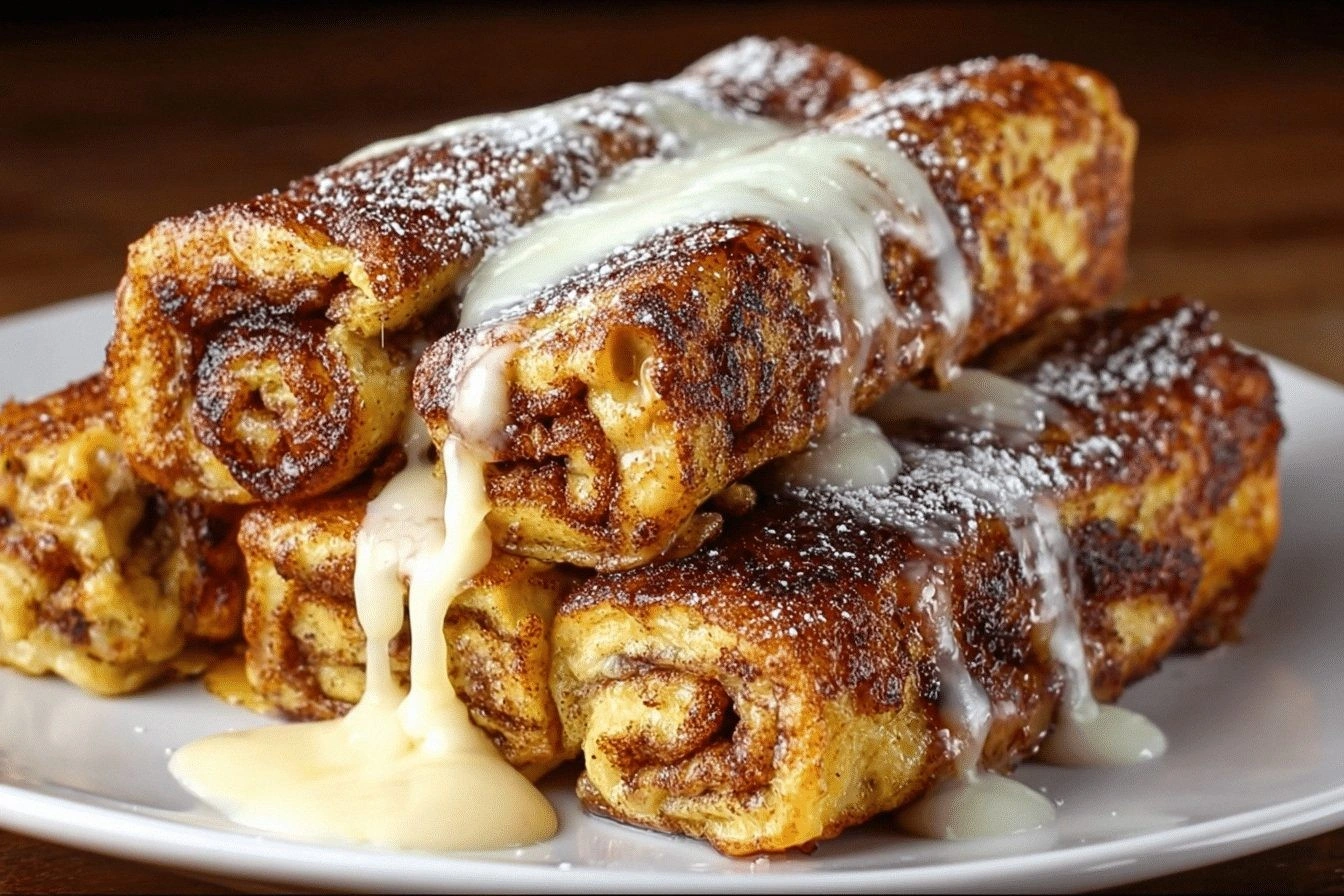
Watch Out: Overcrowding the pan drops the temperature, resulting in uneven browning. Cook in batches if necessary.Once both sides are beautifully caramelized, transfer the roll‑ups to a warm serving platter. While they’re still hot, dust them with a light shower of powdered sugar and, if you’re feeling extra indulgent, drizzle a thin ribbon of maple syrup or honey. The powdered sugar melts slightly, creating a glossy finish that looks as decadent as it tastes.
Serve immediately with a side of fresh berries or a dollop of Greek yogurt for a tangy contrast. The berries’ acidity cuts through the richness, while the yogurt adds a creamy coolness that balances the warm, buttery roll‑ups. This final touch turns a simple breakfast into a brunch‑worthy masterpiece.
That's it — you did it. But hold on, I've got a few more tricks that'll take this to another level...
Insider Tricks for Flawless Results
The Temperature Rule Nobody Follows
Most home cooks set the stove to “medium” and hope for the best. The truth is, a precise temperature of about 350°F (175°C) on a stovetop burner yields the perfect caramelization without burning. Use an infrared thermometer if you have one; it’s a game‑changer. I once tried a lower temperature and ended up with soggy rolls that never developed that signature crunch. Trust the heat, and you’ll get that buttery, crackling edge every time.
Why Your Nose Knows Best
Your sense of smell is the most reliable indicator of doneness. When the butter starts to turn a deep amber and you catch a faint nutty scent, you’re at the sweet spot. If you smell a burnt odor, pull the pan off the heat immediately and reduce the flame. I’ve saved countless batches by simply trusting my nose, and you will too.
The 5‑Minute Rest That Changes Everything
After frying, let the roll‑ups rest for exactly five minutes before serving. This short pause allows the custard to set, preventing it from spilling out when you cut into it. The rolls also retain their heat, so they stay warm without continuing to cook. Skipping this step leads to a runny interior that slides off the plate – a disaster I’ve witnessed more than once.
Butter‑Infused Finish
While the rolls are still in the pan, melt an extra tablespoon of butter and swirl it around. Then, spoon a little of that butter over each roll before plating. The extra fat adds a glossy sheen and a deeper flavor profile that makes the dish feel restaurant‑grade. I once tried this on a lazy Sunday and the result was pure bliss.
Seasonal Twist: Citrus Zest
A pinch of orange or lemon zest added to the custard brightens the flavor and cuts through the sweetness. It’s a subtle but powerful tweak that transforms the dish from “sweet” to “sophisticated.” I tested it at a holiday brunch and the guests were amazed at the fresh, unexpected pop of citrus.
Creative Twists and Variations
This recipe is a playground. Here are some of my favorite ways to switch things up:
Apple‑Cinnamon Roll French
Thinly slice a tart Granny Smith apple and sauté it in butter until just soft. Layer the apple slices between the rolled‑up cinnamon dough before dipping in custard. The apple adds a subtle acidity that balances the sweet roll, making it perfect for a fall brunch.
Chocolate‑Swirl Delight
Mix a tablespoon of cocoa powder into the custard and add a dash of espresso powder for depth. Finish with a drizzle of dark chocolate ganache. Chocolate lovers will swear this is the ultimate indulgence, and the espresso heightens the cinnamon’s warmth.
Savory Bacon‑Maple Fusion
Crisp up a few strips of thick‑cut bacon and crumble them over the finished roll‑ups. Drizzle a thin stream of pure maple syrup for a sweet‑salty combo that feels like breakfast and dinner in one bite.
Nutty Crunch Variation
Stir chopped toasted pecans or walnuts into the custard before dipping. The nuts add a satisfying crunch and a buttery, earthy note that pairs beautifully with the cinnamon.
Tropical Coconut Twist
Replace half of the milk with coconut milk and sprinkle toasted coconut flakes on top after cooking. The coconut adds a tropical aroma that transports you to a beachside brunch.
Storing and Bringing It Back to Life
Fridge Storage
Allow the roll‑ups to cool completely, then place them in an airtight container. They’ll stay fresh for up to three days. When you’re ready to eat, reheat gently in a skillet with a splash of butter, covering the pan for a minute to steam the interior back to custardy perfection.
Freezer Friendly
Wrap each roll individually in parchment paper, then seal them in a freezer‑safe zip‑lock bag. They freeze beautifully for up to two months. To reheat, thaw overnight in the fridge, then pop them into a preheated 350°F oven for 10‑12 minutes, or skillet‑fry for a crisp exterior.
Best Reheating Method
Add a tiny splash of milk (about a tablespoon) to the pan before reheating. The steam created revives the custard’s moisture, ensuring the roll‑ups are as fluffy as when first cooked. Cover the pan for the first minute, then uncover to restore that golden crust.