I’ll be honest — the first time I tried to make a frittata, I ended up with a flat, rubbery pancake that could have been used as a doorstop. I was ready to toss the whole idea out the window when a friend dared me to bring the cheese game to a whole new level. I accepted the challenge, and after a few frantic Googles, a midnight grocery run, and a lot of trial‑and‑error, I finally nailed what I can confidently call the ultimate four‑cheese frittata. This isn’t just any breakfast; it’s a buttery, custardy canvas splashed with molten mozzarella, tangy feta, sharp Parmesan, and mellow cheddar, all hugged by a whisper of spinach and a pop of sweet bell pepper. The moment the pan hits the stove, you hear a gentle sizzle that sings like a promise, and the aroma that rises is a heady mix of dairy richness and fresh garden notes that makes the whole house feel like a cozy café.
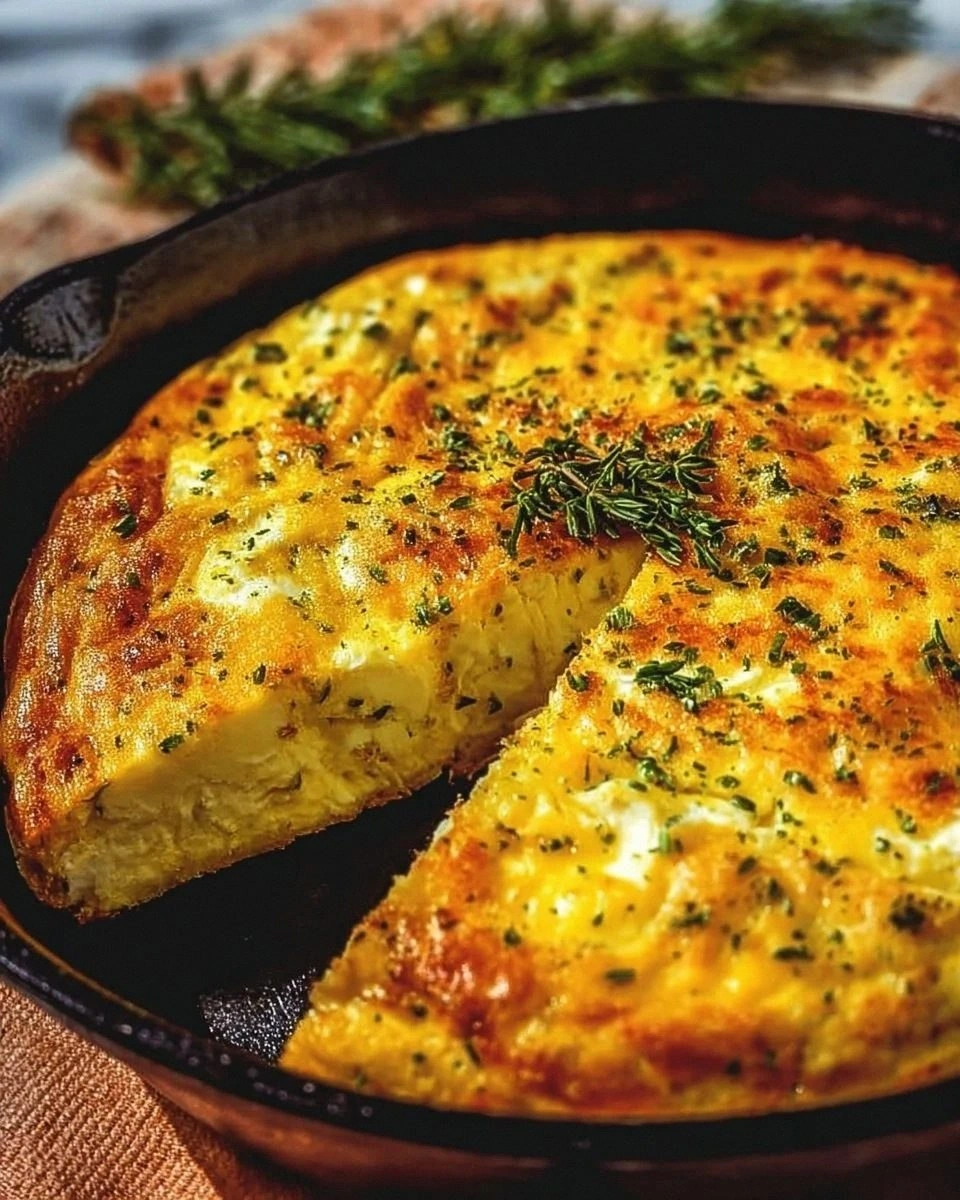
Picture yourself pulling this out of the oven, the whole kitchen smelling incredible, the edges crisped to a golden‑brown perfection while the center stays soft and fluffy like a cloud that’s just been brushed with cheese. That sizzle when it hits the pan? Absolute perfection. The first bite is a symphony: the sharp bite of Parmesan, the creamy melt of mozzarella, the salty tang of feta, and the comforting depth of cheddar all dancing together, while the spinach adds a subtle earthiness that grounds the whole experience. I dare you to taste this and not go back for seconds – it’s that good.
Most recipes get this completely wrong. They either overload the pan with cheese, resulting in a greasy mess, or they skimp on the dairy, leaving you with a bland egg blanket. Here’s what actually works: a balanced cheese ratio, a gentle low‑heat start that builds a sturdy base, and a final finish under the broiler that creates those coveted crispy edges that shatter like thin ice when you cut into them. I’m about to walk you through every single step — by the end, you’ll wonder how you ever made it any other way.
Okay, ready for the game‑changer? The secret isn’t a fancy ingredient; it’s the technique of whisking the eggs with milk just enough to create a silk‑smooth custard, and then layering the cheeses in a specific order so each one melts at its own perfect moment. This subtle choreography turns a simple frittata into a masterpiece that could easily steal the spotlight at brunch or even dinner. Let me walk you through every single step — by the end, you’ll wonder how you ever made it any other way.
What Makes This Version Stand Out
- Flavor Explosion: The combination of four distinct cheeses creates a layered taste profile that’s richer than a cheese board and more balanced than a single‑cheese dish.
- Texture Harmony: A crisp, caramelized edge meets a luxuriously creamy center, delivering contrast in every bite.
- Simplicity: With just ten ingredients and a single pan, you won’t need a culinary degree to pull this off.
- Unique Cheese Order: By layering mozzarella first, then feta, Parmesan, and finally cheddar, each cheese melts at its ideal temperature, preventing clumps.
- Crowd Reaction: This frittata has a reputation for clearing plates fast – friends will beg for the recipe before the first slice even hits the table.
- Ingredient Quality: Using fresh, high‑quality cheese and garden‑fresh spinach makes the difference between “good” and “legendary.”
- Cooking Method: Starting on the stovetop and finishing under the broiler guarantees that perfect golden top without drying out the interior.
- Make‑Ahead Potential: You can prep the mixture ahead of time and bake it whenever hunger strikes, making it perfect for busy mornings.
Inside the Ingredient List
The Flavor Base
Eight large eggs are the backbone of any frittata, providing structure and a buttery richness that carries the cheese flavors. If you try to substitute with just egg whites, you’ll lose that silkiness and end up with a rubbery texture. I always recommend using farm‑fresh eggs because the yolk’s natural fat contributes to that custardy interior. If you’re looking for a lower‑cholesterol version, you can replace two eggs with an equal volume of silken tofu, but expect a slight shift in flavor.
The Creamy Crew
Half a cup of whole milk adds just enough moisture to keep the eggs from drying out while keeping the mixture light. Skim milk works, but the frittata will feel a bit thin, and the cheese won’t cling as well. For a richer mouthfeel, swap the milk for half‑and‑half or even a splash of heavy cream – just watch the calories climb. The quartet of cheeses each plays a distinct role: mozzarella melts into a stretchy, gooey blanket; feta injects a salty, tangy punch; Parmesan adds a nutty, crystalline crunch; and cheddar rounds everything out with a mellow, buttery finish. Skipping any of them throws the balance off, so resist the urge to “simplify.”
The Green Boost
One cup of spinach brings a fresh, slightly bitter note that cuts through the richness of the cheese. Fresh spinach wilts quickly, so if you’re using frozen, be sure to thaw and squeeze out excess water – otherwise the frittata becomes soggy. A good tip is to sauté the spinach lightly with a pinch of salt before folding it in; this not only removes moisture but also deepens the flavor. If you’re not a fan of spinach, kale or arugula can stand in, though arugula will add a peppery bite.
The Color Pop
A quarter cup of chopped bell peppers (red, yellow, or orange) adds a sweet crunch and a splash of color that makes the dish visually appealing. The peppers also contribute a subtle sweetness that balances the saltiness of the cheeses. If you’re sensitive to nightshades, you can replace them with diced zucchini or even sun‑dried tomatoes for a more intense flavor. Remember, the goal is to keep the vegetables small enough so they blend into the egg matrix without stealing the spotlight.
Everything's prepped? Good. Let's get into the real action...
The Method — Step by Step
Preheat your oven’s broiler to high and set a 10‑inch oven‑safe skillet (preferably cast iron) on the stovetop over medium heat. Add a tablespoon of olive oil and let it shimmer – you’ll know it’s ready when a drop of water dances on the surface and evaporates in a second. This initial heat creates the foundation for those coveted crispy edges. Power transition: Okay, ready for the game‑changer?
While the pan heats, whisk together the eight eggs and half a cup of milk in a large glass bowl. Use a fork or a whisk and aim for a uniform, slightly frothy mixture – you’re looking for a consistency that coats the back of a spoon without dripping off.
Kitchen Hack: Add a pinch of salt to the egg‑milk mixture; it helps break down the proteins, resulting in a fluffier texture.Season the egg mixture with a quarter teaspoon of salt and a quarter teaspoon of freshly cracked black pepper. Stir gently – you don’t want to over‑beat, or the frittata will turn rubbery. Taste a tiny spoonful; it should be lightly seasoned, because the cheeses will amplify the saltiness.
Watch Out: Adding too much pepper at this stage can become overwhelming after the cheese melts; keep it modest.Add the chopped bell peppers to the hot skillet and sauté for about two minutes, just until they start to soften and release their natural sweetness. Then toss in the spinach and cook for another minute, allowing it to wilt but not turn soggy. The vegetables should be evenly distributed across the pan, creating a colorful base. This next part? Pure magic.
Pour the seasoned egg mixture over the veggies, tilting the pan to ensure an even coat. Reduce the heat to low and let the eggs set gently. After about three minutes, you’ll see the edges beginning to pull away from the pan – that’s your cue that the bottom is forming a golden crust.
Kitchen Hack: Sprinkle a thin layer of mozzarella first; it creates a barrier that prevents the egg from sticking.Now, sprinkle the shredded mozzarella evenly, followed by crumbled feta, grated Parmesan, and finally the shredded cheddar. The order matters: mozzarella melts first, creating a gooey sheet; feta adds pockets of salty tang; Parmesan browns beautifully; and cheddar finishes with a buttery melt. Let the cheese sit for a minute to begin melting, then gently lift the edges with a spatula to let uncooked egg flow underneath.
Transfer the skillet to the preheated broiler. Keep a close eye – you’re looking for the top to turn a deep golden‑brown, with the cheese bubbling and forming a slightly crisp crust. This usually takes 2‑4 minutes, but ovens vary, so stay vigilant. The moment the cheese starts to brown and you smell that nutty, caramelized aroma, you know it’s done.
Remove the skillet from the oven (use oven mitts – the handle will be scorching). Let the frittata rest for two minutes; this allows the interior to finish setting and makes slicing cleaner. Slide a wide spatula under, cut into wedges, and serve immediately. Future pacing: Picture the steam rising as you pull a slice, the cheese stretching like a buttery ribbon – pure bliss.
That's it — you did it. But hold on, I've got a few more tricks that'll take this to another level...
Insider Tricks for Flawless Results
The Temperature Rule Nobody Follows
Never start the frittata on high heat. A moderate temperature ensures the bottom sets without burning while the interior stays custardy. I once cranked the stove to high in a rush and ended up with a charred ring and a raw center – a true kitchen nightmare. Keep the heat low, and you’ll get that perfect, even rise that makes the edges pull away cleanly.
Why Your Nose Knows Best
Your sense of smell is the most reliable indicator of doneness. When the cheese starts to bubble and you detect a nutty, toasted scent, the frittata is ready for the broiler. Trust that aromatic cue more than a timer; ovens can be fickle, but your nose never lies. A friend tried skipping the broiler step once – let's just say the result was a pale, soggy mess that lacked any excitement.
The 5‑Minute Rest That Changes Everything
Allowing the frittata to rest for a brief five minutes after baking lets the residual heat finish cooking the center and stabilizes the cheese layers. This short pause prevents the slice from falling apart when you cut into it. If you’re in a hurry, at least give it two minutes; anything less and you’ll end up with a messy plate.
Pan Choice Power
Cast iron or a heavy‑bottomed stainless steel skillet distributes heat evenly, creating that coveted crispy edge. Non‑stick pans can work, but they often don’t achieve the same caramelization. If you only have a non‑stick pan, pre‑heat it a bit longer and use a little extra oil to coax out that crust.
Cheese Distribution Mastery
Instead of dumping all the cheese in one go, sprinkle each variety in its own layer. This technique prevents clumping and ensures each cheese melts at its optimal temperature, delivering a balanced flavor throughout.
Creative Twists and Variations
This recipe is a playground. Here are some of my favorite ways to switch things up:
Mediterranean Sunrise
Swap the bell peppers for sun‑dried tomatoes and add a handful of Kalamata olives. The salty, briny notes complement the feta beautifully, turning the frittata into a brunch worthy of a Greek taverna.
Spicy Southwest
Introduce a diced jalapeño or a sprinkle of chipotle powder, and replace half the cheddar with pepper jack. The heat balances the richness of the cheeses, perfect for those who love a little kick.
Herb‑Infused Delight
Fold in fresh herbs like basil, chives, or thyme just before baking. The herbaceous aroma lifts the dish, making it feel lighter and more fragrant.
Protein Power
Add cooked, diced chicken breast or crumbled cooked sausage for a heartier meal. The meat absorbs the cheese flavors and turns the frittata into a complete dinner option.
Vegan Swap
Replace the eggs with a chickpea flour batter (1 cup chickpea flour + 1 cup water + 1 tsp turmeric) and use plant‑based cheeses. The texture will differ, but the concept stays delicious.
Storing and Bringing It Back to Life
Fridge Storage
Allow the frittata to cool completely, then wrap it tightly in plastic wrap or store in an airtight container. It will keep fresh for up to three days. When ready to eat, reheat a slice in a skillet over medium heat, adding a splash of water to the pan and covering for a minute to steam the interior back to fluffiness.
Freezer Friendly
Slice the cooled frittata into wedges, place them on a parchment‑lined tray, and freeze until solid. Transfer the frozen wedges to a zip‑top bag; they’ll stay good for up to two months. To reheat, bake the frozen slice at 350°F for 12‑15 minutes, or microwave briefly, adding a teaspoon of water to revive the creamy texture.
Best Reheating Method
For the crispiest edges, reheat in a preheated 375°F oven for 8‑10 minutes, or pop it under the broiler for a minute. Adding a tiny splash of water to the pan before reheating creates steam that prevents the frittata from drying out while still delivering that golden crust.