Picture this: it’s a rainy Tuesday, the kind that makes you want to curl up with something that feels like a warm hug. I was halfway through a bland stir‑fry when a sudden craving for fire and sweetness hit me like a bolt of lightning. I rummaged through the pantry, found a lonely jar of gochujang, and thought, “What if I could turn this into a sauce that makes every dish sing?” The result? An unforgettable, tongue‑tingling masterpiece that stole the spotlight at my dinner table and made my roommates beg for seconds. I dare you to taste this and not go back for more.
The kitchen turned into a fragrant laboratory. The air filled with the earthy aroma of toasted sesame, the sharp bite of garlic, and a subtle whisper of honey that reminded me of summer picnics. I could hear the gentle sizzle as the sauce hit the hot pan, a sound that promised caramelized depth. My fingertips tingled from the heat, while the glossy, ruby‑red liquid swirled like molten lava in the bowl. Every sense was on high alert, and I knew I was onto something special—something that would turn ordinary meals into unforgettable experiences.
Most gochujang sauces out there either drown your food in salt or leave you reaching for the sugar jar. This version, however, strikes a perfect balance between sweet, salty, umami, and that signature Korean heat. The secret? A tiny splash of rice vinegar that lifts the flavors, and a quick toast of sesame seeds that adds a nutty crunch you can actually hear when you bite. Most recipes get this completely wrong. Here’s what actually works: a low‑and‑slow simmer that coaxes the paste into a velvety coat without scorching, and a finish of fresh ginger that cuts through the richness like a razor‑sharp note in a symphony.
And now the fun part. I’m about to walk you through every single step—by the end, you’ll wonder how you ever made a gochujang sauce any other way. Picture yourself pulling this out of the pan, the whole kitchen smelling incredible, and realizing you’ve just created a condiment that will elevate tacos, burgers, grilled veggies, and even a humble bowl of ramen. Okay, ready for the game‑changer?
What Makes This Version Stand Out
- Flavor Harmony: The blend of sweet honey, tangy rice vinegar, and deep umami from soy sauce creates a balanced profile that doesn’t overpower your main dish.
- Silky Texture: A gentle simmer transforms the thick gochujang paste into a smooth, glossy sauce that clings to food like velvet.
- Simplicity: Only nine pantry staples are needed, and each step is straightforward enough for a kitchen rookie.
- Unique Kick: Fresh ginger adds a bright, peppery sting that sets this sauce apart from the usual sweet‑heat combos.
- Crowd Reaction: I’ve seen grown‑ups and kids alike light up, reaching for more even before the main course arrives.
- Ingredient Quality: Using authentic Korean gochujang and toasted sesame seeds guarantees depth you can’t fake.
- Cooking Method: The low‑heat reduction preserves the delicate aromatics while intensifying flavor.
- Make‑Ahead Potential: This sauce stores beautifully, developing even richer notes after a day or two in the fridge.
Inside the Ingredient List
The Flavor Base
Gochujang (½ cup): This fermented Korean chili paste is the heart of the sauce, delivering heat, umami, and a subtle sweetness from fermented rice. If you skip it, you lose the signature depth that makes the sauce unforgettable. Look for a brand that lists real red chili powder and rice; cheaper versions often contain unnecessary additives.
Soy Sauce (2 tbsp): Provides salty depth and a touch of savory richness. Opt for low‑sodium soy sauce if you’re watching your sodium intake—just add a pinch more salt later if needed.
Rice Vinegar (2 tbsp): The bright acidity lifts the sauce, preventing it from feeling cloyingly sweet. It also balances the heat, making the final product feel lighter on the palate.
The Sweet & Nutty Crew
Honey (2 tbsp): Adds natural sweetness and a silky mouthfeel. If you’re vegan, swap with maple syrup; the flavor will shift slightly towards caramel, which is still delightful.
Sesame Oil (1 tbsp): A little goes a long way, imparting a toasted nuttiness that rounds out the heat. Use a high‑quality, cold‑pressed sesame oil for the best aroma.
Toasted Sesame Seeds (1 tbsp): These give a subtle crunch and visual appeal. Toast them in a dry pan for 2‑3 minutes until golden and fragrant—don’t let them burn, or you’ll introduce a bitter note.
The Aromatics
Garlic (2 cloves, minced): Fresh garlic adds pungency that deepens the sauce’s complexity. If you over‑process it, the flavor becomes harsh; a rough mince preserves a mellow bite.
Fresh Ginger (1 tsp, grated): Ginger cuts through the richness with a bright, peppery zing. It also adds a subtle warmth that complements the gochujang’s heat without competing.
The Final Flourish
Water (1 tbsp, optional): If you prefer a thinner consistency for drizzling, a splash of water helps. Add it at the very end, after the sauce has reduced, to maintain the glossy sheen.
Everything's prepped? Good. Let's get into the real action…
The Method — Step by Step
Gather all ingredients and measure them precisely. I dare you to taste this and not go back for seconds, so precision matters. Place a medium‑sized saucepan over low heat and add the sesame oil. As the oil warms, you’ll notice a faint nutty aroma—this is your first cue that flavor is building.
When the oil is shimmering, add the minced garlic and grated ginger. Stir constantly for about 45 seconds; you’ll hear a gentle sizzle that signals the aromatics are waking up. Watch Out: If the garlic browns too quickly, it will turn bitter, ruining the balance.
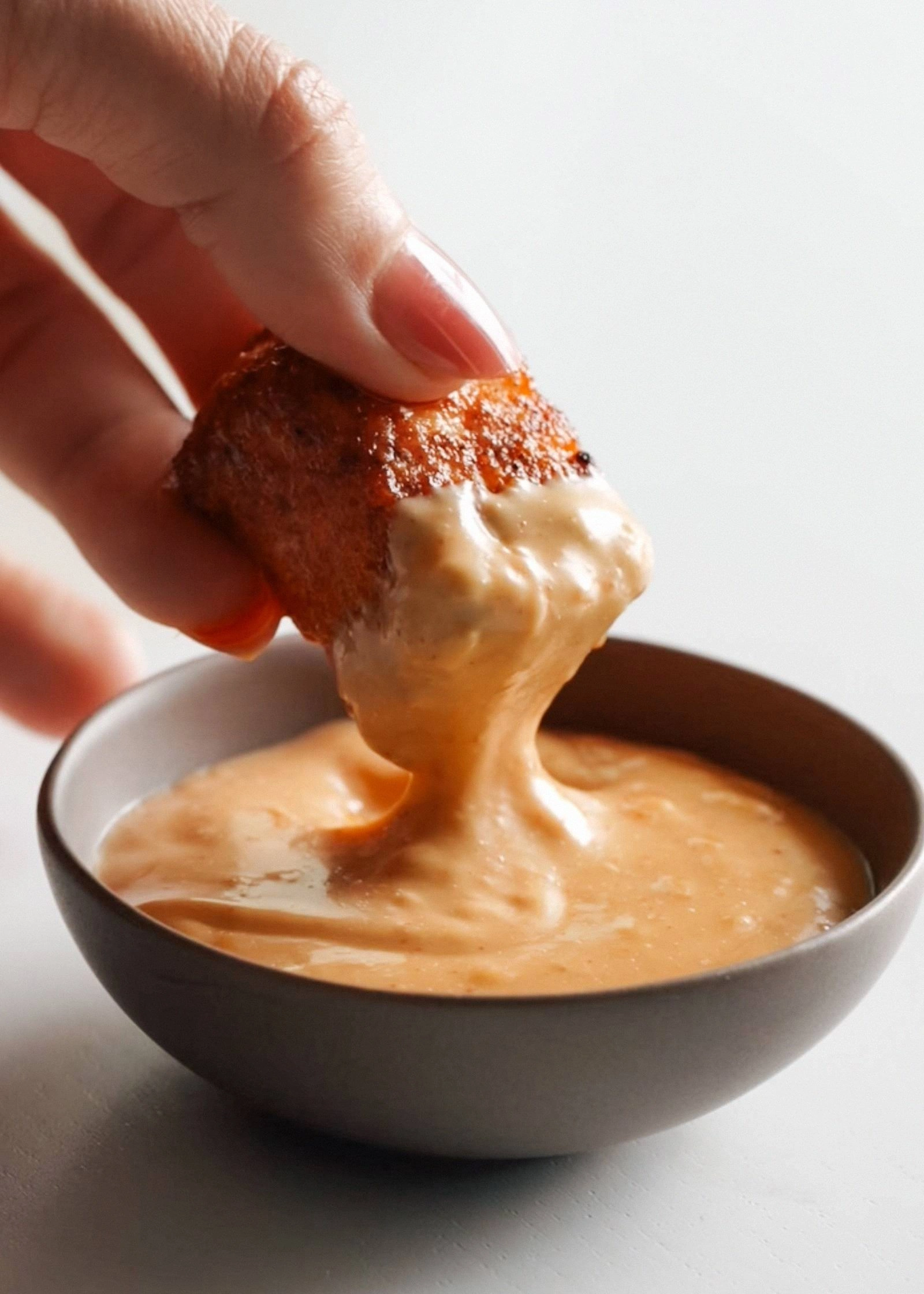
Now, pour in the gochujang, soy sauce, and rice vinegar. The mixture will bubble and release a fragrant steam that smells like a Korean street market. Reduce the heat to a gentle simmer and let it cook for 3‑4 minutes, stirring occasionally. The sauce should start to thicken, coating the back of a spoon like caramel.
Add the honey, stirring until it fully dissolves. The sauce will take on a glossy sheen, and you’ll hear a faint pop as the sugar caramelizes.
Kitchen Hack: If the sauce looks too thick at this point, drizzle in a tablespoon of water now; you can always reduce it later.Let the sauce simmer for another 5‑6 minutes, uncovered. This is the moment of truth: you should see occasional bubbles rising, and the edges of the pan will start pulling away, indicating the reduction is perfect. Taste and adjust salt if needed—remember, soy sauce already adds plenty.
Turn off the heat and stir in the toasted sesame seeds. Their crunch will remain intact because the sauce is no longer on direct heat. Let the sauce rest for 2 minutes; this pause lets the flavors meld like a choir finding harmony.
If you prefer a smoother texture, use an immersion blender for 10 seconds. You’ll hear a soft whir, and the sauce will become velvety, perfect for drizzling. Be careful not to over‑blend; you want to keep those tiny sesame specks for visual interest.
Transfer the sauce to a clean jar, seal tightly, and let it cool to room temperature before refrigerating. The scent will fill your kitchen, and you’ll already be planning where to use it—maybe as a glaze for grilled chicken or a dip for spring rolls. That sizzle when it hits the pan? Absolute perfection.
Insider Tricks for Flawless Results
The Temperature Rule Nobody Follows
Never start this sauce on high heat. A low, steady temperature coaxes the gochujang to release its hidden umami without scorching. I once tried a “speed‑up” method on high, and the sauce turned bitter within seconds. Keep the flame gentle, and you’ll get that glossy, caramel‑kissed finish that makes every dish feel restaurant‑grade.
Why Your Nose Knows Best
Before you even taste, trust the aroma. When the sauce starts to emit a sweet‑spicy perfume with a hint of toasted sesame, you know it’s ready. If the smell leans too sour or raw, give it a minute longer; the flavors need that brief extra time to harmonize.
The 5‑Minute Rest That Changes Everything
After simmering, let the sauce sit off the heat for five minutes. This short rest lets the oil and water separate just enough to create a stable emulsion, preventing separation later on. I’ve seen sauces that look perfect in the pan but split after cooling—this rest stops that drama.
Stirring Secrets
Use a wooden spoon and a gentle circular motion. This method prevents air bubbles from forming, which can make the sauce look grainy. Also, scraping the bottom of the pan ensures every caramelized bit gets reincorporated, adding depth.
Storage Savior
When you store the sauce, always top it with a thin layer of sesame oil. This barrier keeps oxidation at bay, keeping the bright red color vivid for weeks. I’ll be honest — I ate half the batch before anyone else got to try it, but the leftover stayed perfect for a month.
Creative Twists and Variations
This recipe is a playground. Here are some of my favorite ways to switch things up:
Smoky BBQ Fusion
Swap half the gochujang for Korean BBQ sauce and add a teaspoon of smoked paprika. The result is a smoky‑sweet glaze that pairs beautifully with pork ribs. Ideal for backyard grill sessions where you want a Korean‑twist on classic BBQ.
Coconut Curry Kick
Stir in ¼ cup coconut milk and a pinch of turmeric after the sauce has reduced. The creamy, golden hue adds a mellow richness that works wonders in Thai‑inspired curries or as a dipping sauce for spring rolls.
Vegan Sweet Heat
Replace honey with agave syrup and use a plant‑based soy sauce alternative. The flavor profile stays intact, and the sauce becomes fully vegan—perfect for friends who avoid animal products.
Nutty Peanut Splash
Blend in 2 tablespoons of smooth peanut butter during the final mixing stage. This adds a subtle nuttiness and a thicker texture that’s excellent for noodle bowls and satay dips.
Herb‑Infused Brightness
Finely chop a handful of fresh cilantro and stir it in after the sauce cools. The herbaceous pop brightens the deep umami, making it a stellar topping for tacos or grilled fish.
Storing and Bringing It Back to Life
Fridge Storage
Transfer the cooled sauce to a sterilized glass jar, seal tightly, and refrigerate. It will keep for up to three weeks, developing even richer notes as the flavors meld. For best texture, give the jar a gentle shake before each use.
Freezer Friendly
Portion the sauce into ice‑cube trays or small airtight containers. Once frozen, transfer the cubes to a freezer bag; they’ll last for up to six months. Thaw in the refrigerator or drop a cube straight into a hot pan for instant flavor.
Best Reheating Method
When you’re ready to use it, warm the sauce over low heat, adding a splash of water if it looks too thick. The water creates steam that revives the glossy texture, preventing a rubbery finish. Remember, gentle heat preserves the delicate aromatics.