Love this? Pin it for later! 📌
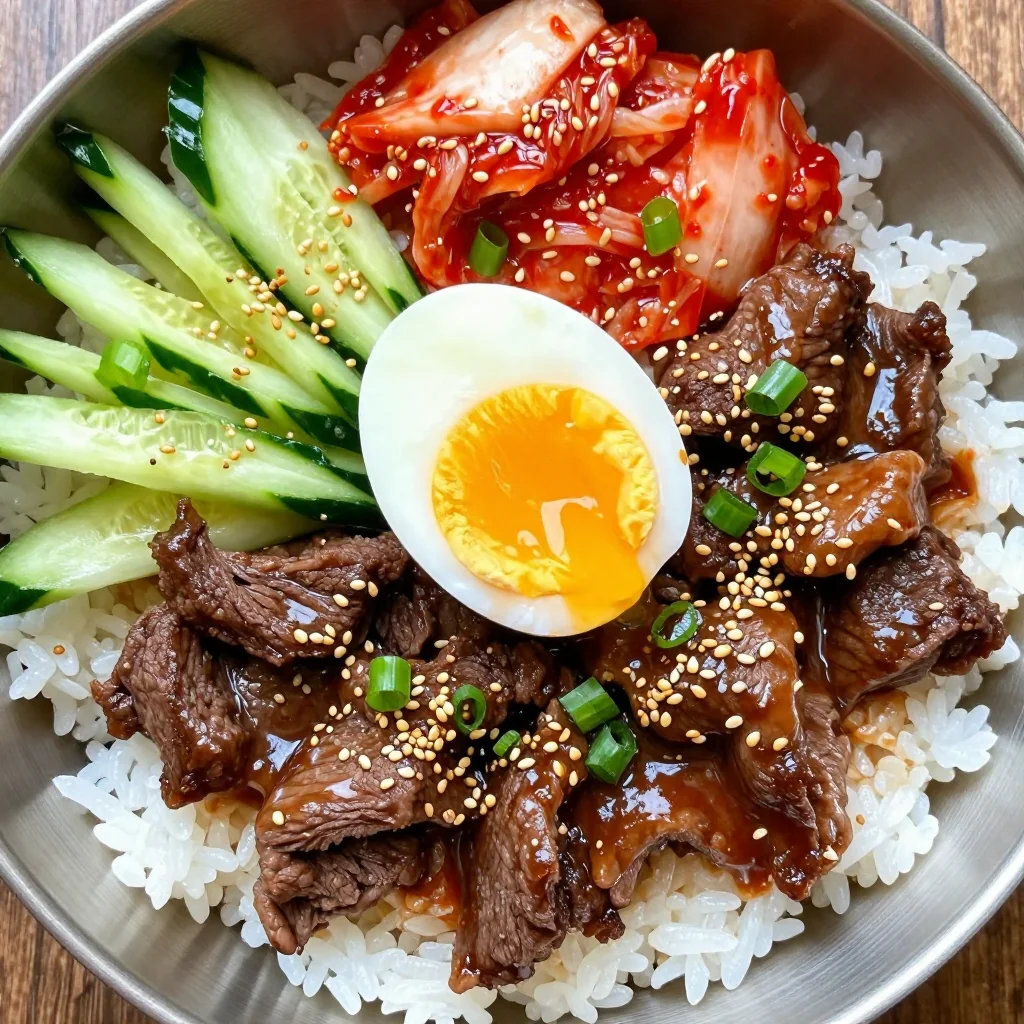
Tender, umami-packed beef, cool cucumber ribbons, and fluffy rice come together in these make-ahead Korean beef bowls that have single-handedly rescued my weekday lunch game. The first time I whipped up a batch on a rainy Sunday afternoon, I was chasing that elusive balance of sweet-savory-spicy that defines the best Korean barbecue joints. What I didn't expect was for my husband to text me at work the next day—mouth full, caps-lock engaged—declaring this his new favorite meal and demanding to know when we could have it again. That was three months ago, and these bowls have been on permanent rotation ever since. Whether you're feeding a family, fueling marathon training, or simply trying to avoid sad desk lunches, this recipe delivers big, bold flavors with minimal effort and maximum make-ahead convenience.
Why This Recipe Works
- Lightning-fast cook time: Ground beef soaks up the gochujang-soy glaze in under 10 minutes, meaning dinner is ready before your rice finishes steaming.
- Meal-prep superstar: Components stay vibrant for up to five days when stored separately, so you can assemble fresh bowls all week long.
- Balanced nutrition: Each portion delivers 28 g of protein, complex carbs, and hydrating cucumber for a genuinely satisfying, energizing meal.
- Pantry-friendly: If you have soy sauce, sesame oil, and a jar of gochujang, you're 90 % there—no specialty butcher required.
- Customizable heat: Dial the chili up or down so the whole family, from toddlers to heat-seekers, is happy.
- Vegetable upgrade: Quick cucumber pickles add brightness and crunch without any extra cooking.
- Budget-smart: Uses economical ground beef instead of pricier bulgogi cuts while still tasting like take-out.
Ingredients You'll Need
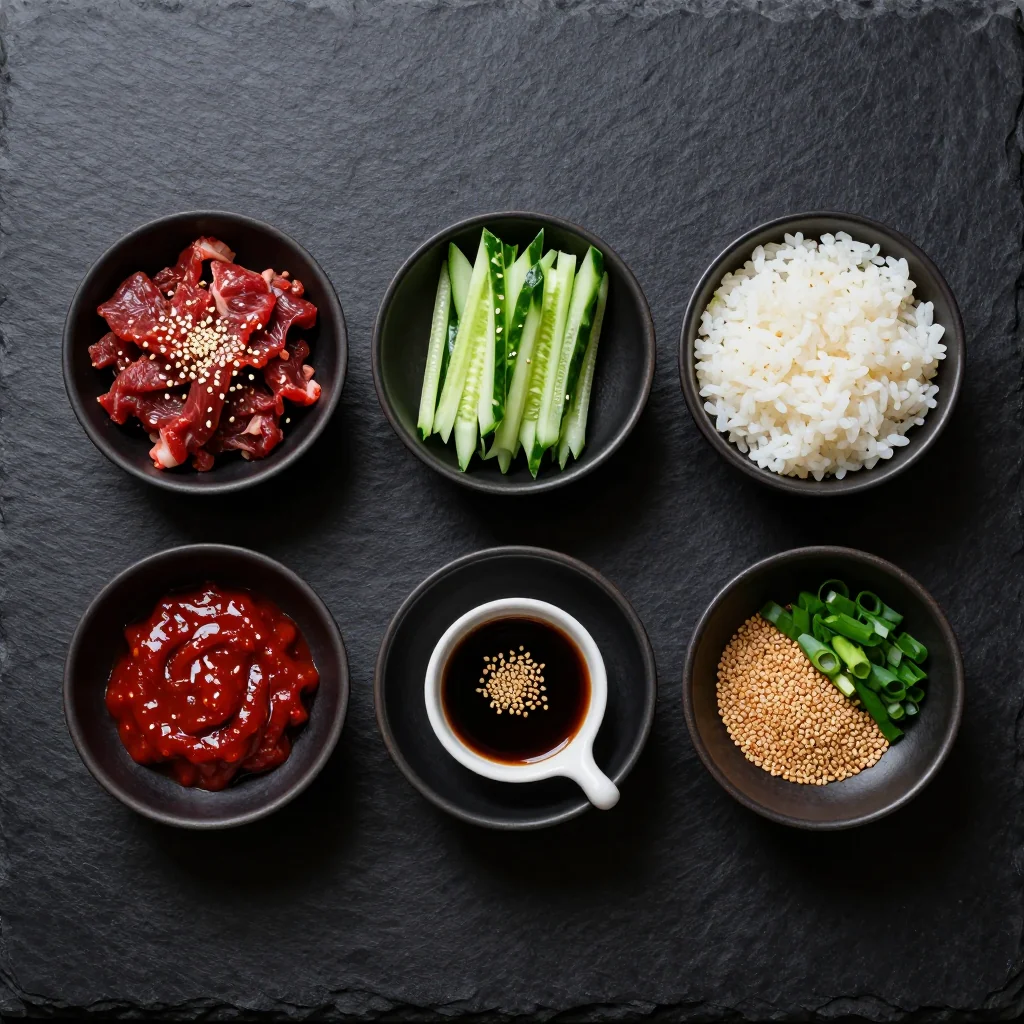
Great Korean beef bowls start with quality building blocks. Below is a quick shopping guide plus substitution intel so you can cook confidently no matter what your grocery store throws at you.
Protein
Ground beef (1 lb / 450 g): Aim for 90 % lean so you get richness without a lake of rendered fat. If you only have 80 %, drain excess fat after browning. Ground turkey or plant-based crumbles work, but increase sesame oil by 1 tsp for flavor.
Produce
English cucumber (1 large): Thin-skinned and seed-light, they stay crisp longer. Persian cucumbers are an equal swap. If using standard cucumbers, scrape out the watery seeds first.
Garlic & ginger: Freshly minced gives the brightest punch. In a pinch, sub ½ tsp garlic powder and ½ tsp ground ginger per clove/tsp.
Sauces & Seasonings
Gochujang (2 Tbsp): Korean fermented chili paste is sweet, spicy, and smoky all at once. Look squeeze-bottles near the kimchi; if unavailable, use 1 ½ Tbsp Sriracha + ½ Tbsp miso for funkiness.
Soy sauce (¼ cup): Use low-sodium so you can reduce without over-salting. Tamari or coconut aminos are perfect GF options.
Toasted sesame oil (1 Tbsp): A little goes a long way for nutty aroma. Keep it in the fridge so it stays fresh.
Brown sugar (2 Tbsp): Adds hallmark caramelized edges. Coconut sugar works and deepens flavor.
Grains & Garnish
Short-grain white or sushi rice (2 cups dry): Sticky texture mirrors Korean table rice. Brown rice or cauliflower rice keep things lighter; just adjust water accordingly.
Rice vinegar, sesame seeds, scallions: These final touches wake everything up and make the bowls Instagram-ready.
How to Make Meal Prep Korean Beef Bowls With Cucumber
Cook the rice
Rinse rice under cold water until it runs mostly clear—this removes excess starch so your grains stay fluffy, not gummy. Combine rice with water (1:1.1 ratio by volume) in a medium saucepan. Bring to a boil, cover, reduce heat to low, and simmer 12 min. Remove from heat and let steam 10 min, then fluff with a fork. For meal prep, spread rice on a parchment-lined sheet pan to cool quickly and avoid bacteria-friendly warmth.
Quick-pickle the cucumber
While rice cooks, whisk rice vinegar, ½ tsp salt, and 1 tsp sugar in a medium bowl. Using a vegetable peeler, create long cucumber ribbons, stopping when you hit the seedy core. Toss ribbons in the vinegar mixture and let stand at least 10 min (the acid firms the cell walls, keeping them crisp through the week). Drain before portioning.
Stir together the sauce
In a small bowl, whisk soy sauce, brown sugar, gochujang, sesame oil, 2 Tbsp water, and ¼ tsp pepper. Mixing ahead prevents garlic from burning when it hits the hot skillet and ensures sugar dissolves for a glossy glaze.
Brown the beef
Heat 1 tsp neutral oil in a large non-stick skillet over medium-high. Add ground beef, breaking it into marble-sized crumbles. Cook 4 min without stirring so the bottom caramelizes, then continue cooking 3 min, stirring occasionally, until no pink remains. Drain excess fat if necessary.
Aromatics in
Make a well in the center of the beef. Add garlic and ginger; sauté 30 sec until fragrant but not browned—this releases essential oils without the bitterness of over-cooking.
Glaze and reduce
Pour the soy-gochujang mixture over the beef. Cook 2-3 min, stirring, until the sauce thickens and clings to the meat like lacquer. You're looking for a shiny coating, not soup. Remove from heat and sprinkle with half the scallions.
Assemble meal-prep containers
Divide rice among 4 glass containers (about 1 cup each). Top with ¼ of the beef, a nest of drained cucumber ribbons, and a sprinkle of sesame seeds. Cool completely before snapping on lids to prevent condensation that can dilute flavors.
Reheat & serve
Microwave, lid ajar, 90 sec, then stir and heat 30 sec more. Top with remaining scallions and an extra drizzle of gochujang if you like it fiery. Cold beef over warm rice is surprisingly delicious too.
Expert Tips
Double the glaze
Extra sauce clings to veggies and rice; freeze in ice-cube trays for instant flavor boosts on noodles or tofu later.
Sharp knife shortcut
Freeze ginger for 15 min; it grates on a microplane without stringy fibers, distributing flavor evenly.
Crisp rice hack
Pack rice into a thin layer, then reheat in a dry skillet 2 min for golden, crackly edges reminiscent of stone-bowl bibimbap.
Color-coded containers
Use lids of different colors to signify spice level—red for extra gochujang, green for mild—so grab-and-go is fool-proof.
Freezer portions
Freeze cooled beef in ½-cup silicone muffin molds; transfer to zip bags. Thaw overnight in fridge for instant protein.
Even seasoning
Sprinkle salt from high above; it disperses more uniformly so you avoid salty pockets in the beef.
Variations to Try
-
Low-carb lettuce wraps: Swap rice for crisp romaine leaves and add julienned bell pepper for crunch. Each wrap is under 120 calories.
-
Kimchi boost: Stir in ¼ cup chopped kimchi with the garlic for probiotic punch and tangy complexity.
-
Sweet-potato rice: Pulse raw sweet-potato cubes in a food processor until rice-sized, sauté 5 min, and proceed as usual for a veggie-forward base.
-
Seafood spin: Replace beef with raw shrimp; sear 90 sec per side and glaze in the final minute for a 5-minute weeknight dinner.
-
Peanut crunch: Garnish with crushed roasted peanuts and a tiny drizzle of honey for sweet-salty notes reminiscent of Korean peanut brittle.
-
Vegan umami bomb: Use crumbled tempeh sautéed until golden, sub maple syrup for brown sugar, and add 1 tsp miso to the sauce for depth.
Storage Tips
Proper storage keeps textures vibrant and flavors bright for the full workweek. Follow these guidelines and you'll actually look forward to lunch on Friday.
Refrigerator
Store rice, beef, and cucumbers in separate airtight containers. They keep 5 days chilled at 37 °F (3 °C). Cucumbers stay crispiest when stored on the top shelf where temps are coolest.
Freezer
Beef freezes beautifully for 3 months; rice for 2 months. Portion into silicone bags, press out air, and freeze flat for fast thawing. Cucumbers do not freeze well; make fresh batches mid-week if needed.
Reheating
Microwave: sprinkle 1 tsp water over rice, cover, heat 90 sec, stir, heat 30 sec more. Stovetop: warm beef with a splash of water over medium, 3 min, stirring. Avoid reheating cucumber—serve cold for contrast.
Pack-and-go
Add a folded paper towel under the lid to absorb excess moisture and prevent soggy rice. Swap microwavable glass for lightweight BPA-free plastic if you're hiking or flying.
Frequently Asked Questions
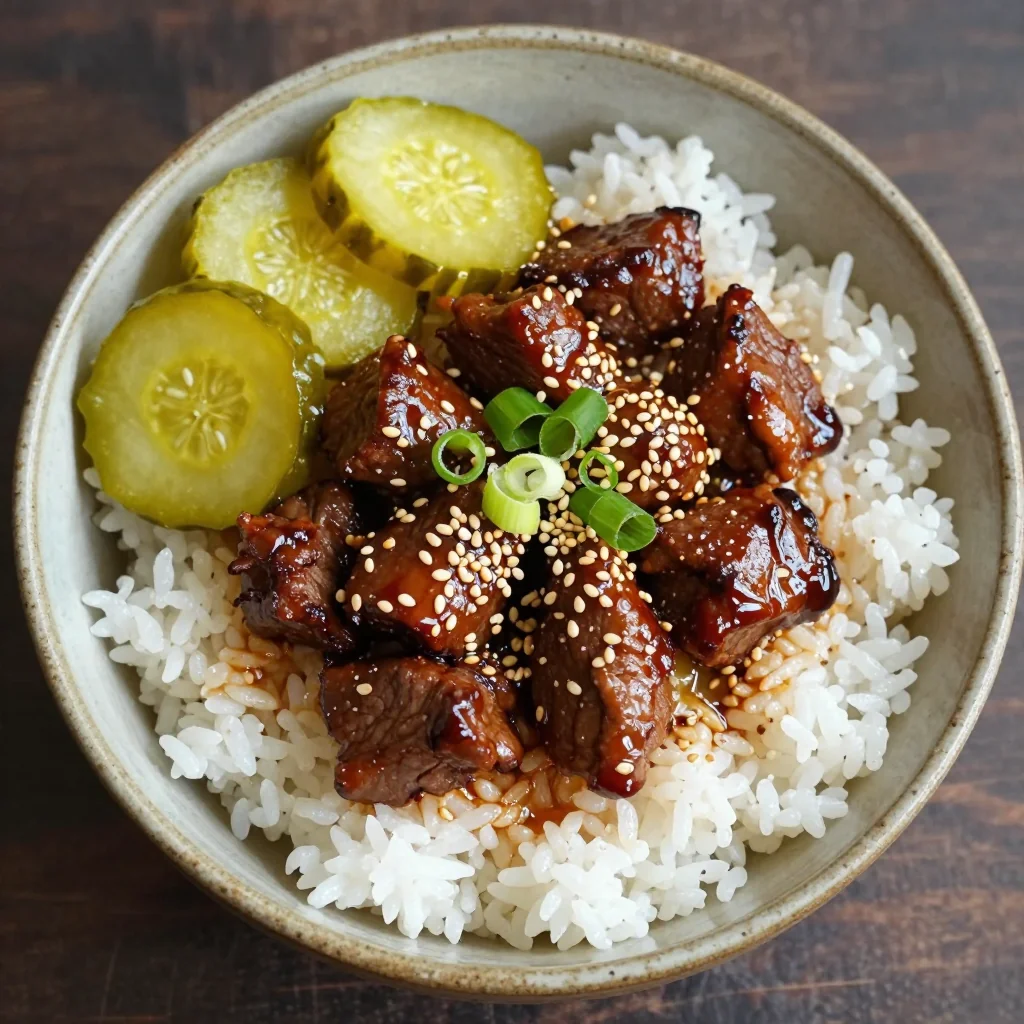
Meal Prep Korean Beef Bowls With Cucumber
Ingredients
Instructions
- Cook the rice: Combine rinsed rice and water in a saucepan. Bring to a boil, cover, reduce heat to low, and cook 12 min. Remove from heat; steam 10 min, then fluff.
- Quick-pickle cucumber: Whisk rice vinegar with ½ tsp salt and 1 tsp sugar. Peel cucumber into ribbons; toss in vinegar. Let stand 10 min, then drain.
- Mix sauce: In a small bowl whisk soy sauce, brown sugar, gochujang, sesame oil, and 2 Tbsp water.
- Brown beef: Heat a non-stick skillet over medium-high. Add beef; cook, breaking up, until no pink remains, 6-7 min. Drain fat if needed.
- Add aromatics: Make a well; add garlic and ginger. Sauté 30 sec.
- Glaze: Pour sauce over beef; cook 2-3 min until thickened. Stir in half the scallions.
- Assemble: Divide rice into containers, top with beef and drained cucumbers. Sprinkle with sesame seeds and remaining scallions.
- Store: Refrigerate up to 5 days or freeze beef up to 3 months. Reheat rice and beef; serve cucumbers cold.
Recipe Notes
For milder heat, reduce gochujang to 1 Tbsp. Store cucumbers separately and drain well to maintain crispness.