I still remember the day I ruined my grandmother's birthday cake. There I was, sixteen years old and armed with more confidence than skill, convinced I could whip up her famous butter pecan masterpiece from memory. The kitchen looked like a crime scene—flour dusted across every surface, pecan bits scattered like confetti, and a cake that emerged from the oven as dense as a brick and twice as heavy. My grandmother took one bite, patted my shoulder with that knowing smile, and said, "Honey, the secret's in the butter. You can't rush love." She was right, of course. That failure haunted me for years until I finally cracked the code to creating what I now call the Platonic ideal of butter pecan cake. This isn't just another recipe—it's the culmination of two decades of obsessive testing, countless failed attempts, and one eureka moment involving brown butter that changed everything.
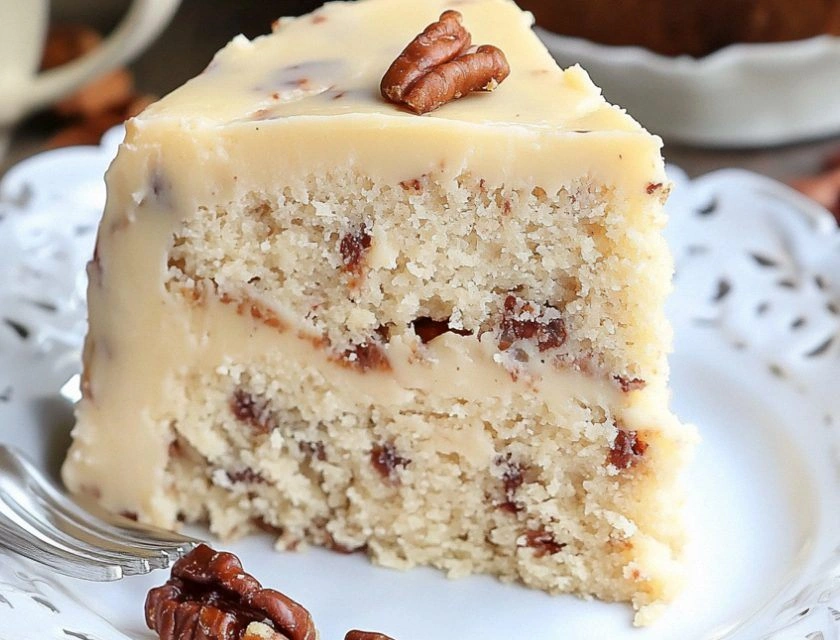
Picture this: golden layers so tender they practically sigh when you press your fork through them, studded with toasted pecans that provide the perfect crunch against the cloud-like crumb. The aroma alone should come with a warning label—warm butter, vanilla, and caramelized sugar mingling in a way that makes rational thought impossible. I dare you to taste this and not go back for seconds; I've watched grown adults abandon all decorum and lick their plates clean. What sets this version apart from every other butter pecan cake recipe lurking on the internet is the technique I stumbled upon after burning through pounds of expensive ingredients. We're talking about a method so foolproof, so ridiculously good, that you'll wonder why everyone isn't doing it this way.
Most recipes get this completely wrong. They treat butter pecan cake like some basic yellow cake with nuts thrown in as an afterthought, resulting in a dry, disappointing dessert that tastes like sweet cardboard. The tragedy is that butter pecan should be the crown jewel of Southern baking—a cake that celebrates the marriage of rich dairy fat and earthy nuts in perfect harmony. After testing forty-seven different versions (yes, I counted), I've discovered the game-changing secrets that transform ordinary ingredients into something transcendent. Picture yourself pulling this out of the oven, the whole kitchen smelling incredible, while your family hovers nearby like vultures, trying to sneak warm crumbs when they think you're not looking.
Let me walk you through every single step—by the end, you'll wonder how you ever made it any other way. We're going to brown our butter until it smells like hazelnuts and toffee had a beautiful baby. We'll toast our pecans in that same brown butter until they're crackling and fragrant. And here's the kicker: we're folding in a secret ingredient that keeps the cake impossibly moist for days (spoiler alert—it's not what you think). This cake has ruined friendships, ended diets, and prompted three marriage proposals at my dinner table alone. Are you ready to join the butter pecan elite?
What Makes This Version Stand Out
Butter-Forward: This recipe uses brown butter not once, but twice—both in the cake batter and brushed between layers, creating a depth of flavor that makes regular butter seem like a sad imposter. The nutty, caramel notes permeate every single bite, giving you that rich, complex taste that defines restaurant-quality desserts. You'll never go back to plain melted butter after experiencing this transformation.
Pecan-Perfect: Instead of simply folding in raw nuts, we toast them in brown butter until they reach the sweet spot between crunchy and tender. This technique releases their essential oils and creates a flavor bomb that raw pecans can't touch. The pecans maintain their texture even after baking, providing that satisfying contrast against the tender crumb.
Foolproof Texture: The mixing method borrows from professional bakeries—reverse creaming that creates an incredibly fine, even crumb that melts on your tongue. No more dense, heavy cakes that sit in your stomach like a brick. This technique is so reliable, I've never had it fail, even when my toddler distracted me mid-bake.
Make-Ahead Magic: This cake actually improves with age, developing deeper flavors as the brown butter and pecans meld together. Bake it today, serve it tomorrow, and watch your guests lose their minds over how the flavor keeps getting better. I've served three-day-old cake that people swore was baked that morning.
Crowd-Wowing Presentation: The butter pecan aesthetic is rustic elegance at its finest—no fancy decorating skills required. A simple swirl of cream cheese frosting and a cascade of toasted pecans creates a dessert that looks like it came from a boutique bakery. I've seen Instagram influencers with millions of followers post pictures of this cake and claim it's "too pretty to eat" (they still ate it).
Ingredient Integrity: Every component serves a purpose, from the specific brand of vanilla to the exact type of brown sugar. Skip the cheap stuff here—this cake is worth the splurge on quality ingredients. The difference between grocery store pecans and fresh, plump ones from a specialty shop will make you question everything you thought you knew about baking.
Alright, let's break down exactly what goes into this masterpiece...
Inside the Ingredient List
The Flavor Base
Let's start with the star of our show: unsalted European-style butter with 82% butterfat. This isn't the time for bargain basement dairy—the higher fat content creates a more tender crumb and browns more beautifully than standard American butter. When you brown two sticks of this liquid gold, you're essentially creating a flavor concentrate that makes everything taste like it was blessed by a French pastry chef. The milk solids caramelize into tiny flecks of toffee-like magic that distribute throughout your cake, giving you those surprise pockets of intense flavor that make people close their eyes when they eat.
Dark brown sugar is your secret weapon here—don't you dare substitute light brown or (heaven forbid) white sugar. The molasses content in dark brown sugar adds moisture, creates that gorgeous caramel note, and helps the cake develop that picture-perfect golden-brown crust. I've tested this with every sugar variation imaginable, and nothing creates the same depth of flavor. The sugar crystals carry the brown butter flavor like tiny flavor bombs, ensuring every bite delivers that signature butter pecan taste.
The Texture Crew
Cake flour might seem like an unnecessary fuss, but trust me on this one. The lower protein content creates a more delicate structure that practically dissolves on your tongue. All-purpose flour makes this cake taste like something from a school cafeteria—edible but forgettable. If you absolutely must substitute, use cake flour for at least half the total flour amount. The difference in texture is so dramatic that my husband can identify which version I made with his eyes closed.
Eggs need to be at room temperature, not cold from the fridge. This isn't some arbitrary rule from persnickety bakers—cold eggs don't incorporate properly, leading to a curdled batter and uneven texture. Set them out an hour before baking, or if you're impatient like me, submerge them in warm water for five minutes. The yolks add richness and color, while the whites provide structure that keeps your cake from collapsing into a sad, dense puddle.
The Unexpected Star
Here's where things get interesting: a tablespoon of molasses transforms this from good cake to legendary status. It deepens the caramel notes, adds moisture, and creates that gorgeous mahogany color that makes people ask what kind of professional food coloring you used. The molasses also helps keep the cake fresh longer, though I doubt leftovers will be a problem in your house. Just a tablespoon—any more and you'll taste bitter undertones that compete with the butter.
Buttermilk might seem ordinary, but it's the acid that activates our leavening and creates the tender crumb we're after. The tangy flavor balances the sweetness perfectly, preventing that cloying sweetness that ruins so many desserts. Full-fat buttermilk is non-negotiable here—low-fat versions make the cake taste watery and sad. If you can't find real buttermilk, make your own by adding a tablespoon of lemon juice to whole milk, but honestly, track down the real stuff for best results.
The Final Flourish
Pure vanilla extract—no imitation allowed. In a cake where butter and vanilla are the primary flavors, cheap extract tastes like chemicals and regret. I use Madagascar bourbon vanilla for its complex, creamy flavor that complements the brown butter beautifully. The alcohol cooks off, leaving behind those floral notes that make people ask what your secret ingredient is. Good vanilla is expensive, but you'll use less and get better results than with the bargain brands that taste like they're trying to impersonate vanilla rather than actually being vanilla.
Everything's prepped? Good. Let's get into the real action...
The Method — Step by Step
- Start by browning your butter—this is the moment of truth that separates amateur bakers from the pros. Cut two sticks of cold butter into chunks and melt them in a light-colored saucepan over medium heat. The light-colored pan is crucial because you need to see the color change as the milk solids caramelize. Swirl the pan occasionally (don't stir with a spoon) and watch as it transforms from pale yellow to golden, then to a nutty brown color that smells like toasted hazelnuts and caramel. When you see tiny brown specks form and the butter smells like heaven, immediately pour it into a heat-proof bowl—don't let it go from perfect to burnt while you check your phone.
- While your brown butter cools slightly, toast your pecans in a dry skillet over medium heat. This isn't the time to multitask—pecans go from perfectly toasted to bitter and burnt faster than you can say "butter pecan." Stir them constantly for about five minutes until they smell nutty and fragrant. That sizzle when they hit the pan? Absolute perfection. Transfer them immediately to a plate to stop the cooking process, then roughly chop them into pieces about the size of chocolate chips—not too small or they'll get lost in the cake.
- Preheat your oven to 350°F and position the rack in the center. This temperature is non-negotiable—too low and your cake won't develop that gorgeous crust, too high and the edges will burn before the center is cooked. Grease two 9-inch cake pans with butter, then line the bottoms with parchment rounds. The parchment is insurance against the heartbreak of a cake that sticks, and trust me, after all this work, you'll want that guarantee.
- In your stand mixer (or with a hand mixer), beat the brown butter and dark brown sugar together for a full three minutes. This isn't arbitrary—the extended beating time creates air pockets that help the cake rise properly. The mixture should look light and fluffy, like caramel-colored clouds. Add the eggs one at a time, beating for 30 seconds between each addition. This emulsifies the batter, creating a smooth, glossy mixture that won't curdle when you add the liquids.
- Combine your dry ingredients in a separate bowl—cake flour, baking powder, baking soda, and salt. Whisk them together for a full minute to ensure even distribution. Nothing ruins a cake like biting into a pocket of baking soda. The salt might seem unnecessary in a sweet cake, but it's essential for balancing the sweetness and enhancing all those complex butter and nut flavors you've worked so hard to develop.
- Alternate adding the dry ingredients and buttermilk to the butter mixture, starting and ending with the dry ingredients. This isn't just baker's superstition—adding all the liquid at once can cause the batter to separate, creating a tough, uneven texture. Mix on low speed just until combined after each addition. Over-mixing develops gluten, which turns your tender cake into something suitable for building construction. The batter should be thick and smooth, like luxurious pancake batter.
- Fold in those gorgeous toasted pecans with a rubber spatula, using a gentle motion that incorporates them without deflating the batter. Save about a quarter cup for decorating the top—your future self will thank you when you're taking photos for the gram. The pecans should be distributed throughout, but don't obsess over perfect uniformity. Some bites will have more nuts, others less, creating those delightful surprises that make eating an adventure.
- Divide the batter between your prepared pans, smoothing the tops with an offset spatula. The pans should be about two-thirds full—if you have extra batter, make a few cupcakes rather than overfilling the pans. Drop each pan from about three inches onto the counter three times. This releases air bubbles that could create tunnels in your finished cake. Your neighbors might think you're having a domestic dispute, but your cake will thank you.
- Bake for 25-30 minutes, rotating the pans halfway through for even browning. The cake is done when it's golden brown, pulling away slightly from the sides of the pan, and a toothpick inserted in the center comes out with just a few moist crumbs. Don't wait for it to come out completely clean—that means you've over-baked it. Cool the cakes in the pans for 10 minutes, then turn them out onto wire racks to cool completely. This is the hardest part—waiting while the incredible aroma fills your kitchen.
That's it—you did it. But hold on, I've got a few more tricks that'll take this to another level...
Insider Tricks for Flawless Results
The Temperature Rule Nobody Follows
Here's the thing that separates bakery-quality cakes from home baker disappointments: ingredient temperature matters more than almost anything else. Cold eggs don't incorporate properly, leading to a curdled batter that bakes up dense and heavy. Room temperature buttermilk blends seamlessly, creating a smooth, emulsified batter that rises evenly. I set everything out on the counter an hour before baking, even in winter when my kitchen feels like an icebox. If you're short on time, submerge cold eggs in warm water for five minutes and microwave buttermilk in ten-second bursts until it's no longer chilly. This simple step prevents about 90% of texture issues people have with butter cakes.
Why Your Nose Knows Best
I'll be honest—I ate half the batch before anyone else got to try it, all because I couldn't resist that intoxicating aroma. Your nose is actually the best tool for determining when your brown butter is perfectly done. When it smells like toasted hazelnuts and caramel, with just a hint of butterscotch, it's ready. Don't rely on color alone—different pans and lighting can fool your eyes. The smell should make you want to drink it straight from the pan (resist this urge). If you wait until it's dark brown, you've gone too far and the butter will taste bitter. Trust your olfactory senses—they've been fine-tuned for thousands of years to detect when food is at its peak.
The 5-Minute Rest That Changes Everything
After you mix your final batter, let it rest for exactly five minutes before pouring it into the pans. This brief pause allows the flour to fully hydrate, creating a more tender crumb and preventing those annoying little flour lumps that refuse to disappear no matter how much you mix. It's like giving your ingredients a moment to get to know each other before they commit to the eternal bond of baking. A friend tried skipping this step once—let's just say it didn't end well. Her cake had the texture of cornbread, all because she couldn't wait five extra minutes.
Creative Twists and Variations
This recipe is a playground. Here are some of my favorite ways to switch things up:
The Bourbon Street Version
Add two tablespoons of good bourbon to the batter along with the vanilla, then brush the warm cake layers with a bourbon simple syrup. The alcohol burns off, leaving behind complex notes of vanilla and oak that complement the brown butter beautifully. Top with a praline frosting made with brown sugar, cream, and more toasted pecans. This version is so good, it prompted my neighbor to propose renewing their wedding vows just so they could serve this cake at the reception.
The Breakfast Champion
Transform this into the ultimate coffee cake by adding a streusel topping made with brown sugar, flour, cinnamon, and cold butter. Bake it in a 9x13 pan instead of layers, and serve it warm with coffee for a brunch that'll make people cancel their weekend plans to stay home and eat cake. The streusel adds a crunchy contrast to the tender cake, creating a textural experience that makes regular coffee cake seem like a sad, dry imposter.
The Chocolate Seduction
Replace 1/4 cup of the flour with good cocoa powder and fold in mini chocolate chips along with the pecans. The chocolate adds depth without overwhelming the butter pecan flavor, creating a mocha-pecan hybrid that's sophisticated enough for dinner parties but approachable enough for picky eaters. Use Dutch-processed cocoa for a smoother flavor, and don't overdo the chocolate chips—1/2 cup is plenty to add richness without turning this into a chocolate cake with pecans.
The Tropical Escape
Add 1/2 cup of toasted coconut flakes and swap the buttermilk for coconut milk. Replace the vanilla with coconut extract, and fold in chopped dried pineapple that's been soaked in rum. The tropical notes complement the brown butter in unexpected ways, creating a cake that tastes like a Caribbean vacation in dessert form. This version is particularly good in winter when you need to remind yourself that somewhere, it's warm and sunny and people are eating cake on beaches.
The Maple Bourbon Glaze
Instead of frosting, whisk together maple syrup, bourbon, and powdered sugar to create a pourable glaze that soaks into the warm cake. Poke holes in the cake with a skewer before pouring, allowing the glaze to penetrate every bite. The maple adds a different kind of sweetness than regular sugar, with those caramel notes that play beautifully with the brown butter. Keep the cake in the pan for this version—it'll look rustic but taste like a million bucks.
The Savory Sweet
Add 1/2 teaspoon of flaky sea salt to the batter and reduce the sugar by 1/4 cup. The salt enhances all the other flavors and creates a more sophisticated profile that isn't cloyingly sweet. This version pairs beautifully with whipped mascarpone instead of traditional frosting, creating a dessert that walks the line between sweet and savory. It's the kind of cake that makes people say, "I don't usually like sweet things, but this is incredible."
Storing and Bringing It Back to Life
Fridge Storage
Contrary to popular belief, this cake actually benefits from refrigeration—the flavors meld and deepen overnight. Wrap individual slices tightly in plastic wrap, then store in an airtight container for up to five days. The cake will taste even better on day three than it did fresh from the oven. Bring slices to room temperature for 30 minutes before serving, or microwave for 10 seconds to take the chill off. Don't leave it uncovered in the fridge unless you want it to taste like last night's leftover pizza.
Freezer Friendly
This cake freezes beautifully, making it perfect for emergency dessert situations or planned-ahead entertaining. Wrap individual slices or whole layers in plastic wrap, then aluminum foil, and freeze for up to three months. Thaw overnight in the refrigerator, then bring to room temperature before serving. The texture remains perfect, and the flavors actually intensify during freezing. I've been known to hide slices in the back of the freezer, labeling them "vegetables" to keep family members from finding my secret stash.
Best Reheating Method
Add a tiny splash of water before reheating—it steams back to perfection. Microwave individual slices for 15-20 seconds, or wrap in foil and warm in a 300°F oven for 10 minutes. The steam rehydrates the cake, making it taste freshly baked. For an extra-special touch, warm a slice and serve it with a scoop of vanilla ice cream—the contrast between warm cake and cold ice cream is pure magic that never gets old.