
Cape Cod Fish Chowder
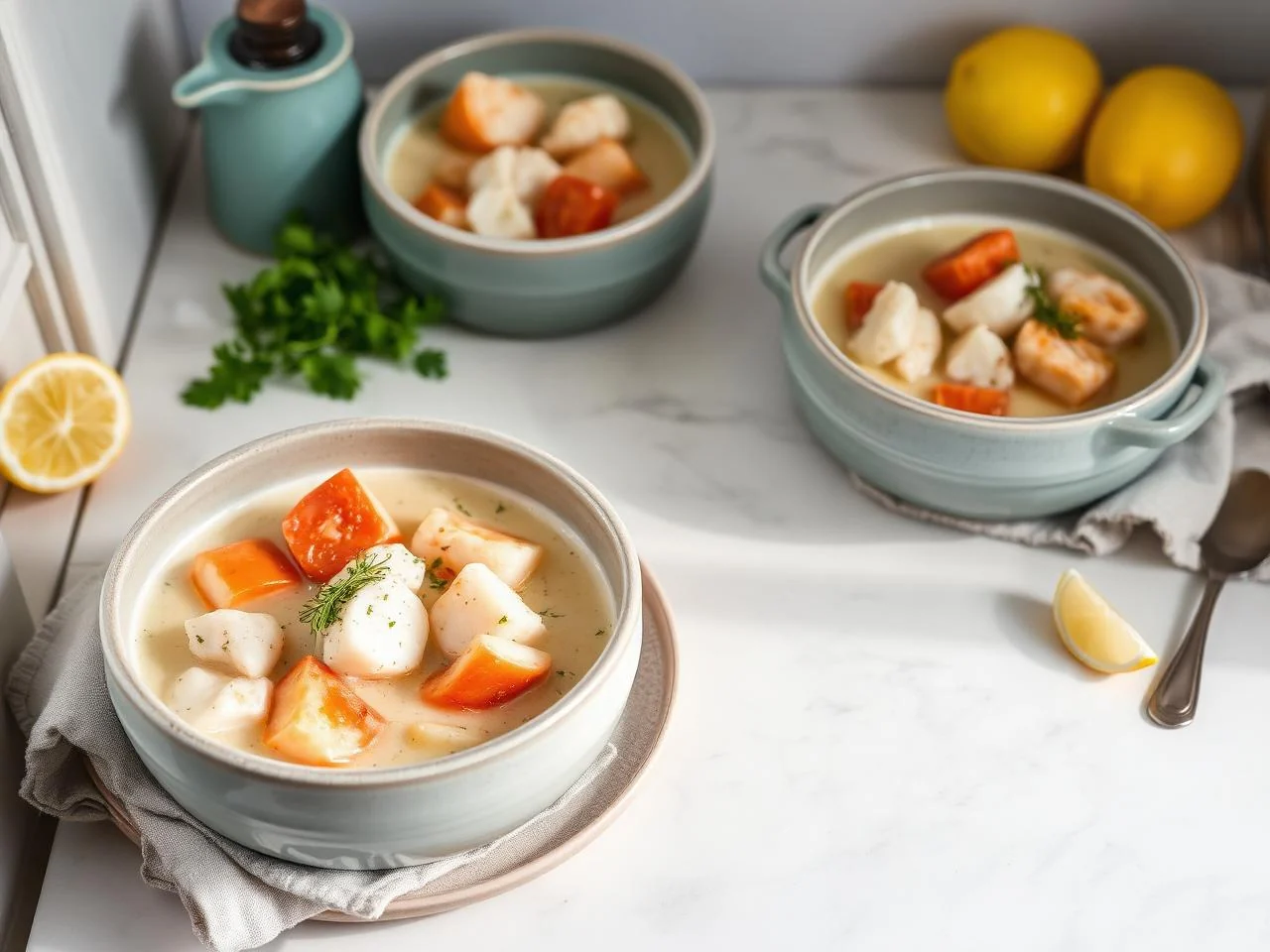
I still remember the first time I had Cape Cod Fish Chowder at a small coastal restaurant. The combination of tender fish, creamy broth, and subtle spices was love at first spoonful. As a home cook, I've perfected this recipe to bring that same magic to your table. This dish is perfect for anyone who loves seafood and wants to create a hearty, comforting meal without fuss.
Cape Cod Fish Chowder is more than just a recipe - it's a reflection of the region's rich maritime history and the simplicity of fresh, local ingredients. The key to a great chowder is using the freshest seafood you can find and cooking it with care to preserve its delicate flavor and texture.
In this recipe, we'll use cod or haddock, both common in Cape Cod waters, and add in some potatoes, onions, and celery for depth of flavor. The beauty of this dish is its accessibility - you don't need to be a seasoned chef to make it, and the ingredients are readily available in most supermarkets.
This Cape Cod Fish Chowder recipe is ideal for a family dinner or a casual gathering with friends. It's easy to make in large quantities and can be served with a variety of sides, from crusty bread to a simple green salad. So, let's dive into the world of seafood cooking and explore the simplicity and joy of making a delicious Cape Cod Fish Chowder from scratch.
The best part about this recipe is its flexibility. You can adjust the amount of seafood to your liking, add other types of fish or shellfish, and even make it ahead of time for convenience. Whether you're a seasoned cook or just starting out, this recipe is sure to become a favorite in your household.
Why You’ll Love This Recipe
- This recipe is easy to follow and requires minimal specialized cooking skills.
- It's a great way to enjoy fresh seafood without the hassle of complicated preparations.
- The dish is highly customizable, allowing you to add your favorite types of fish or shellfish.
- It's perfect for a weeknight dinner or a special occasion, offering a comforting and satisfying meal.
- The chowder can be made ahead of time and reheated, making it ideal for busy households.
- It's a budget-friendly option for seafood lovers, as it uses affordable and accessible ingredients.
Why This Recipe Works
The success of this Cape Cod Fish Chowder recipe lies in its layering of flavors and textures. By sautéing the onions, celery, and garlic before adding the potatoes and fish, we build a robust foundation that's both aromatic and savory. The use of a mixture of fish stock and milk creates a creamy broth without overpowering the delicate taste of the seafood.
Another critical aspect is cooking the fish to the right temperature. We aim for 145 F (63 C) to ensure the fish is cooked through but still retains its moisture and flakiness. This temperature, combined with gentle heat, prevents the fish from becoming tough or dry.
The resting time after cooking is also essential. It allows the flavors to meld together and the chowder to thicken slightly, making it more satisfying and filling. By following these steps and paying attention to the details, you'll end up with a chowder that's not only delicious but also visually appealing.
Ingredients You’ll Need
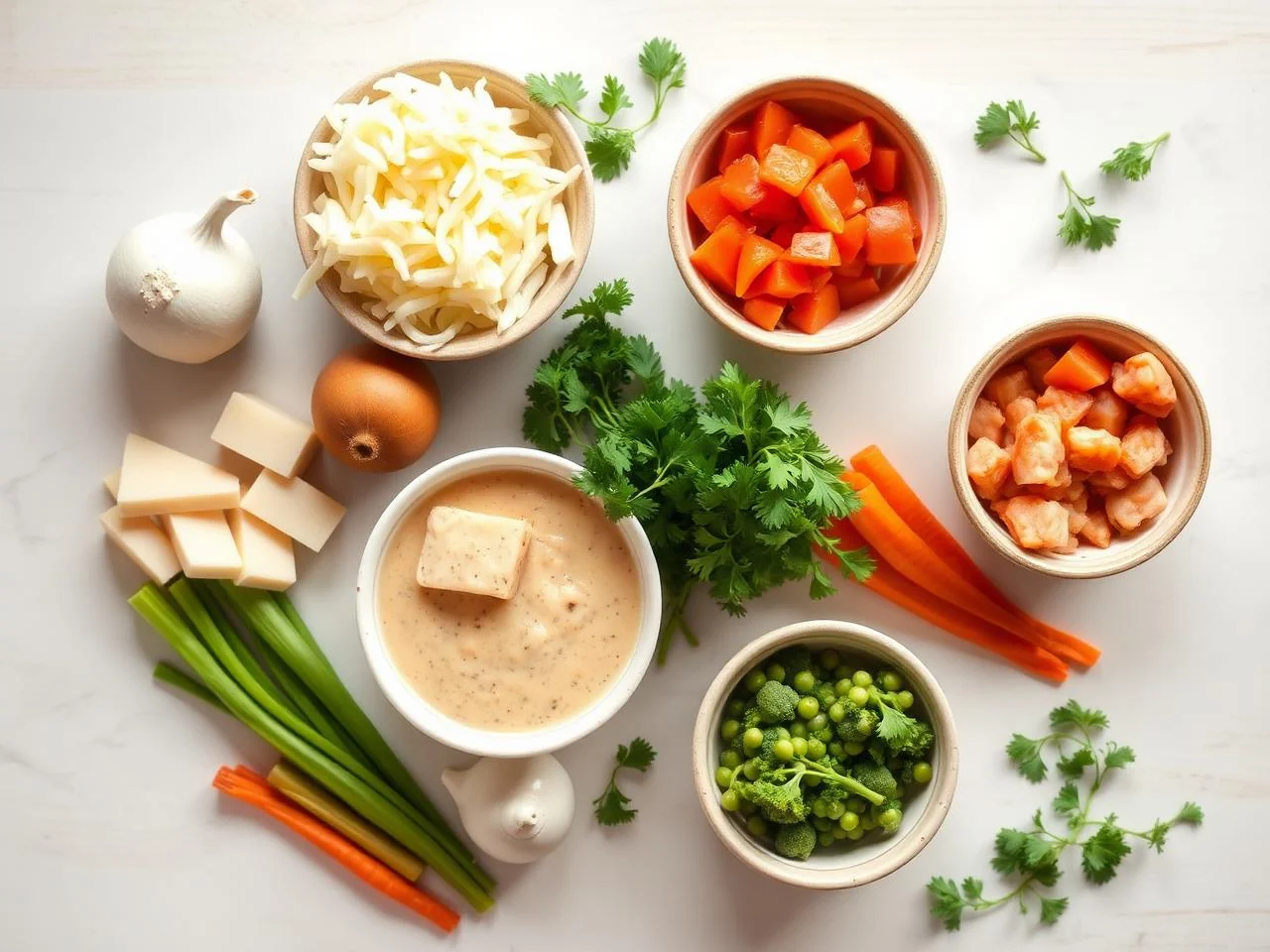
When shopping for the ingredients, look for the freshest seafood you can find. Cod or haddock work well in this recipe, but feel free to experiment with other types of fish. Also, choose high-quality potatoes that will hold their shape during cooking. For the fish stock, you can use store-bought or homemade, whichever is more convenient for you.
Remember, the key to a great chowder is balance and simplicity. Don't be afraid to adjust the quantities of the ingredients based on your personal preferences and the number of people you're serving.
- 1 lb (450g) cod or haddock fillets, cut into 1-inch piecesChoose fresh, sustainable fish for the best flavor and texture. Cod and haddock are great options, but you can also use other firm white fish like tilapia or mahi-mahi.
- 2 medium potatoes, peeled and dicedHigh-quality potatoes that hold their shape are essential for a hearty chowder. Look for varieties like Russet or Yukon Gold.
- 1 large onion, choppedOnions add a depth of flavor to the chowder. You can use any type of onion, but sweet onions like Vidalia work particularly well.
- 3 cloves garlic, mincedGarlic is a fundamental flavor component in many dishes, including this chowder. Use fresh garlic for the best taste.
- 2 stalks celery, choppedCelery adds a fresh, herbal note to the chowder. Make sure to use the inner stalks, which are more tender and flavorful.
- 1/2 cup fish stockFish stock is the backbone of the chowder, providing a rich, seafood flavor. You can use store-bought or make your own using fish bones and vegetables.
- 1/2 cup whole milkMilk adds creaminess to the chowder without overpowering the other flavors. You can also use half-and-half or a non-dairy alternative for a different twist.
- 2 tbsp unsalted butterButter enriches the flavor of the chowder and helps to create a smooth, velvety texture. Use high-quality, unsalted butter for the best results.
- 1 tsp dried thymeThyme is a classic herb used in many seafood dishes, including this chowder. It adds a subtle, slightly minty flavor that complements the fish perfectly.
- 1/2 tsp saltSalt enhances the flavors of the other ingredients and helps to bring the dish together. Use a high-quality, flaky sea salt for the best flavor.
- 1/4 tsp black pepperPepper adds a touch of warmth and depth to the chowder. Use freshly ground black pepper for the best flavor.
- 2 tbsp chopped fresh parsleyParsley is a bright, fresh herb that adds a pop of color and flavor to the dish. Use it as a garnish or stir it in just before serving.
- 1 lemon, cut into wedgesA squeeze of fresh lemon juice can elevate the flavors of the chowder. Serve the lemon wedges on the side for each guest to add to taste.
Equipment You’ll Need
How to Make Cape Cod Fish Chowder
- 1Start by preparing your ingredients. Chop the onion, celery, and garlic, and dice the potatoes. Cut the fish into 1-inch pieces and set aside.
- 2In a large heavy pot or Dutch oven, melt 1 tablespoon of butter over medium heat. Add the chopped onion, celery, and garlic, and sauté until the vegetables are tender, about 5-7 minutes.
- 3Add the diced potatoes, fish stock, and thyme to the pot. Bring the mixture to a boil, then reduce the heat to medium-low and simmer for 10-12 minutes, or until the potatoes are tender.
- 4While the potatoes are cooking, prepare the fish. Season the fish pieces with salt and pepper, and set aside.
- 5Once the potatoes are done, add the fish to the pot. Cook for an additional 5-7 minutes, or until the fish reaches an internal temperature of 145 F (63 C).
- 6Use an instant-read thermometer to check the internal temperature of the fish, especially in the thickest part.
- 7Remove the pot from the heat and stir in the remaining 1 tablespoon of butter until melted. Then, add the whole milk and stir gently to combine.
- 8Let the chowder rest for 10-15 minutes before serving. This allows the flavors to meld together and the chowder to thicken slightly.
- 9Just before serving, stir in the chopped parsley. Serve the chowder hot, with lemon wedges on the side.
- 10Garnish with additional parsley if desired, and serve with crusty bread or crackers for a satisfying meal.
- 11Consider making the chowder ahead of time and reheating it gently over low heat, stirring occasionally, until warmed through.
Expert Tips
- For the best flavor, use the freshest seafood you can find.
- Don't overcook the fish - it should be cooked through but still moist and flaky.
- Adjust the amount of liquid to your liking, but be careful not to make the chowder too thin.
- Experiment with different types of fish and shellfish to find your favorite combinations.
- Consider adding other ingredients like diced bell peppers or chopped bacon to the chowder for added flavor.
- If you're making the chowder ahead of time, refrigerate or freeze it, then reheat it gently when you're ready to serve.
- Serve the chowder with a variety of sides, such as crusty bread, salad, or roasted vegetables, to round out the meal.
- Don't be afraid to get creative with the recipe - it's a great base for experimentation and customization.
Common Mistakes to Avoid
- Overcooking the fish, which can make it tough and dry.
- Not using enough liquid, which can result in a thick, stew-like consistency.
- Not seasoning the fish properly before adding it to the chowder.
- Not letting the chowder rest before serving, which can affect the texture and flavor.
- Using low-quality ingredients, which can impact the overall taste and freshness of the dish.
- Not stirring the chowder gently when adding the milk, which can cause it to curdle or separate.
Variations and Substitutions
- Add some diced bell peppers or chopped bacon to the chowder for added flavor.
- Use different types of fish or shellfish, such as shrimp, scallops, or mussels, to create a seafood medley.
- Experiment with various herbs and spices, like paprika or cayenne pepper, to give the chowder a unique twist.
- Try using coconut milk or cream instead of whole milk for a richer, creamier chowder.
- Add some diced tomatoes or tomato paste to the chowder for a burst of acidity and flavor.
- Serve the chowder with a side of crusty bread or oyster crackers for a satisfying crunch.
- Make the chowder ahead of time and refrigerate or freeze it for a quick and easy meal later.
What to Serve With Cape Cod Fish Chowder
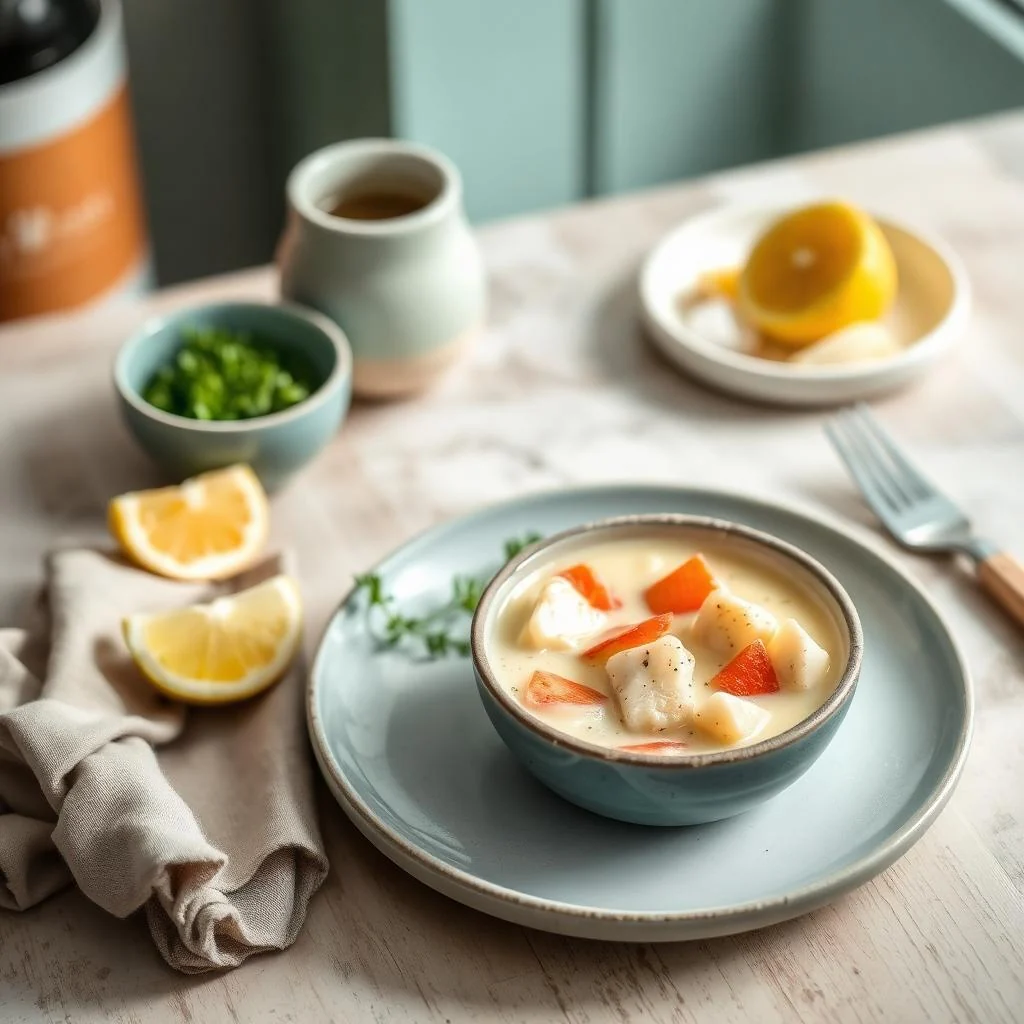
Serve the Cape Cod Fish Chowder hot, garnished with chopped parsley and a lemon wedge on the side. Consider pairing it with a simple green salad, a side of crusty bread, or some roasted vegetables for a well-rounded meal.
For a more substantial meal, try serving the chowder with a side of grilled cheese sandwiches or a bowl of oyster crackers. The creamy broth and tender fish will complement a variety of sides, so don't be afraid to get creative and find your favorite combinations.
Make-Ahead, Storage, Freezing and Reheating
The Cape Cod Fish Chowder can be refrigerated for up to 3 days or frozen for up to 2 months. If refrigerating, make sure to cool the chowder to room temperature before transferring it to an airtight container and storing it in the fridge.
To freeze, cool the chowder to room temperature, then transfer it to an airtight container or freezer-safe bag. Label and date the container, and store it in the freezer. When you're ready to serve, thaw the chowder overnight in the fridge, then reheat it gently over low heat, stirring occasionally, until warmed through.
Reheating the chowder is easy - simply heat it over low heat, stirring occasionally, until warmed through. You can also reheat it in the microwave, but be careful not to overheat, as this can affect the texture and flavor of the dish.
When reheating, you can add a little more milk or cream if the chowder has thickened too much. Stir gently to combine, and serve hot. With proper storage and reheating, the Cape Cod Fish Chowder will remain a delicious and satisfying meal for days to come.
Frequently Asked Questions
What type of fish is best for this recipe?
Cod or haddock work well, but you can also use other firm white fish like tilapia or mahi-mahi. The key is to choose fresh, sustainable fish for the best flavor and texture.
Can I make this recipe ahead of time?
Yes, the chowder can be made ahead of time and refrigerated or frozen for later use. Simply reheat it gently over low heat, stirring occasionally, until warmed through.
How do I prevent the fish from becoming tough or dry?
Don't overcook the fish - it should be cooked through but still moist and flaky. Use an instant-read thermometer to check the internal temperature, and remove the fish from the heat as soon as it reaches 145 F (63 C).
Can I add other ingredients to the chowder?
Yes, feel free to experiment with different ingredients like diced bell peppers, chopped bacon, or other types of fish or shellfish. The key is to balance the flavors and textures so the dish remains harmonious and delicious.
How do I store and reheat the chowder?
The chowder can be refrigerated for up to 3 days or frozen for up to 2 months. To reheat, simply heat it over low heat, stirring occasionally, until warmed through. You can also reheat it in the microwave, but be careful not to overheat.
What are some good sides to serve with the chowder?
Consider pairing the chowder with a simple green salad, a side of crusty bread, or some roasted vegetables. The creamy broth and tender fish will complement a variety of sides, so don't be afraid to get creative and find your favorite combinations.
Can I make this recipe for a large group?
Yes, the recipe can be easily scaled up to feed a larger crowd. Simply multiply the ingredients accordingly, and adjust the cooking time as needed to ensure the fish is cooked through and the chowder is heated through.
Is this recipe suitable for special diets?
The recipe is relatively versatile, but it does contain dairy and fish. If you're looking to accommodate special diets, consider substituting the milk with a non-dairy alternative or using seafood that's suitable for your guests' needs.
Ingredients
- 1 lb (450g) cod or haddock fillets, cut into 1-inch pieces
- 2 medium potatoes, peeled and diced
- 1 large onion, chopped
- 3 cloves garlic, minced
- 2 stalks celery, chopped
- 1/2 cup fish stock
- 1/2 cup whole milk
- 2 tbsp unsalted butter
- 1 tsp dried thyme
- 1/2 tsp salt
- 1/4 tsp black pepper
- 2 tbsp chopped fresh parsley
- 1 lemon, cut into wedges
Instructions
- Start by preparing your ingredients. Chop the onion, celery, and garlic, and dice the potatoes. Cut the fish into 1-inch pieces and set aside.
- In a large heavy pot or Dutch oven, melt 1 tablespoon of butter over medium heat. Add the chopped onion, celery, and garlic, and sauté until the vegetables are tender, about 5-7 minutes.
- Add the diced potatoes, fish stock, and thyme to the pot. Bring the mixture to a boil, then reduce the heat to medium-low and simmer for 10-12 minutes, or until the potatoes are tender.
- While the potatoes are cooking, prepare the fish. Season the fish pieces with salt and pepper, and set aside.
- Once the potatoes are done, add the fish to the pot. Cook for an additional 5-7 minutes, or until the fish reaches an internal temperature of 145 F (63 C).
- Use an instant-read thermometer to check the internal temperature of the fish, especially in the thickest part.
- Remove the pot from the heat and stir in the remaining 1 tablespoon of butter until melted. Then, add the whole milk and stir gently to combine.
- Let the chowder rest for 10-15 minutes before serving. This allows the flavors to meld together and the chowder to thicken slightly.
- Just before serving, stir in the chopped parsley. Serve the chowder hot, with lemon wedges on the side.
- Garnish with additional parsley if desired, and serve with crusty bread or crackers for a satisfying meal.
- Consider making the chowder ahead of time and reheating it gently over low heat, stirring occasionally, until warmed through.