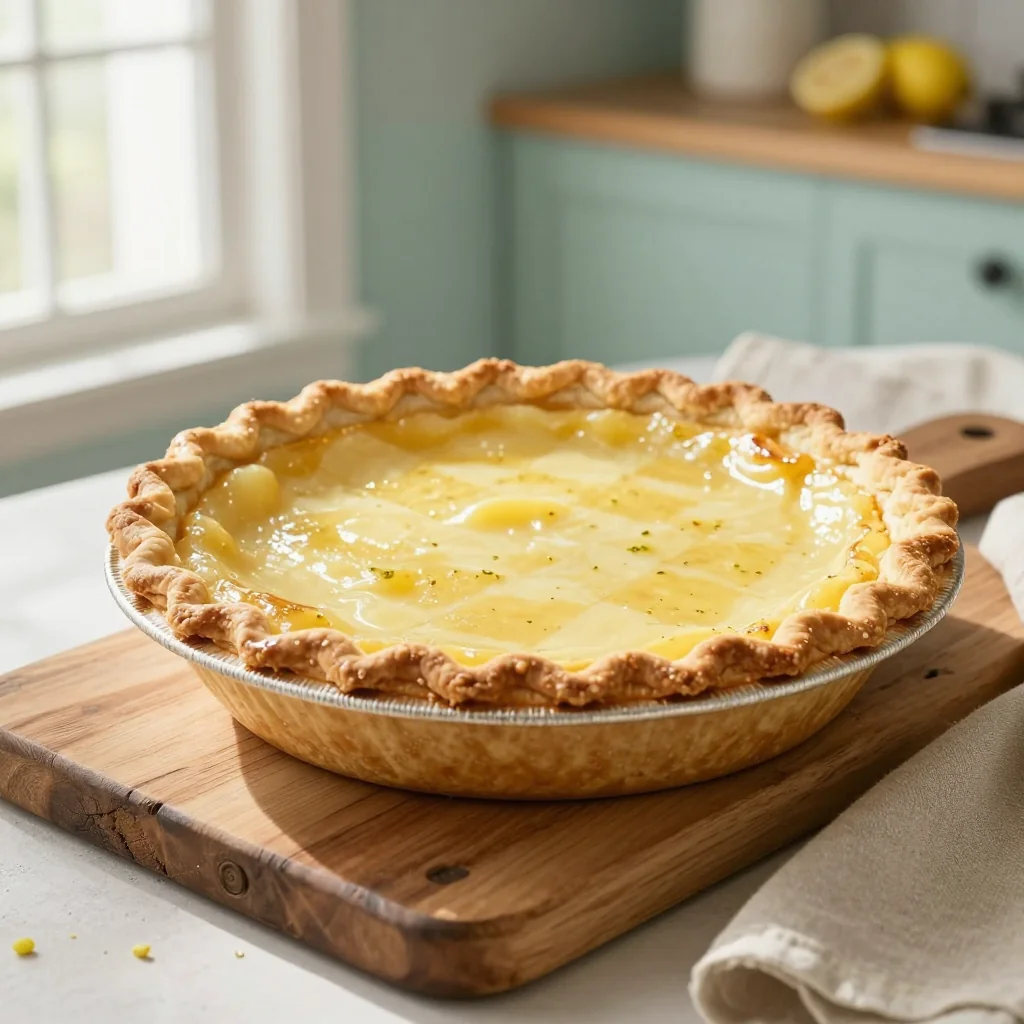
A bright, buttery custard that captures the sunshine of a lemon orchard in every silky bite.
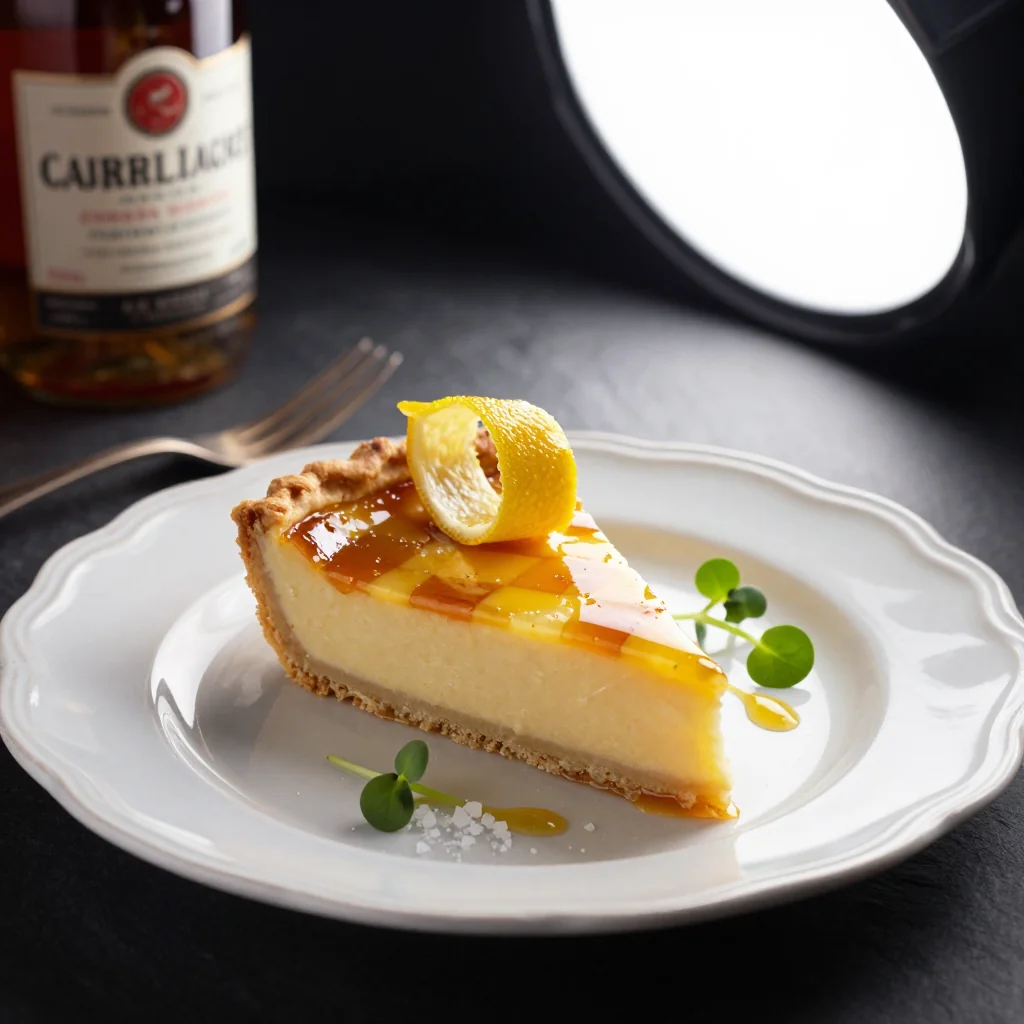
My Sweet Memory of Lemon Sunshine
When I was ten, my grandmother’s kitchen smelled like a summer garden after a rainstorm. She would pull out a battered tin of lemons, slice them thin, and let their zest perfume the air while she whisked a simple custard into a golden bowl. The first bite of her chess pie—its buttery crust giving way to a silky, lemon‑kissed center—felt like sunshine captured in a spoon. That memory has become a compass for my own cooking, guiding me toward bright, comforting desserts that remind me of home.
Chess pie, originally a Southern staple, dates back to the 19th‑century American South where resourceful cooks turned pantry staples—sugar, eggs, and butter—into a rich custard. The “chess” name is believed to stem from the “cheese” pie of the era, a mispronunciation that stuck. Over time, the recipe evolved, and the addition of fresh lemon gave it a modern, zesty twist that I fell in love with.
In this article you’ll discover why this Lemon Custard version works every time: a perfectly flaky crust, a custard that sets just enough to wobble, and a bright lemon flavor that never overpowers. I’ll walk you through each step, share tips that saved my own pies from turning rubbery, and explain how to adapt the recipe for dietary needs without losing that signature zing.
Grab your whisk, preheat the oven, and let’s bring a little tropical sunshine to your table.
🌟 Why This Recipe Will Captivate You
Chess Pie Lemon Custard blends tradition with a burst of citrus, offering a dessert that feels both familiar and exciting.
- ✨ Timeless Comfort: The buttery crust and custard base tap into nostalgic comfort while the lemon adds a refreshing lift.
- ✨ Foolproof Technique: Precise temperature guidance ensures the custard sets perfectly without curdling.
- ✨ Versatile Serving: Perfect warm or chilled, it shines as a standalone dessert or paired with fresh berries.
- ✨ Ingredient Simplicity: Only pantry staples plus fresh lemons are required, making it accessible for any kitchen.
- ✨ Bright Flavor Profile: The balance of sweet, tart, and buttery notes creates a multi‑layered taste experience.
- ✨ Beautiful Presentation: Its golden top and glossy custard invite a drizzle of glaze or a sprinkle of powdered sugar.
🥗 The Ingredients
📝 Complete Ingredient List
For the Crust:
For the Lemon Custard Filling:
Optional Topping:
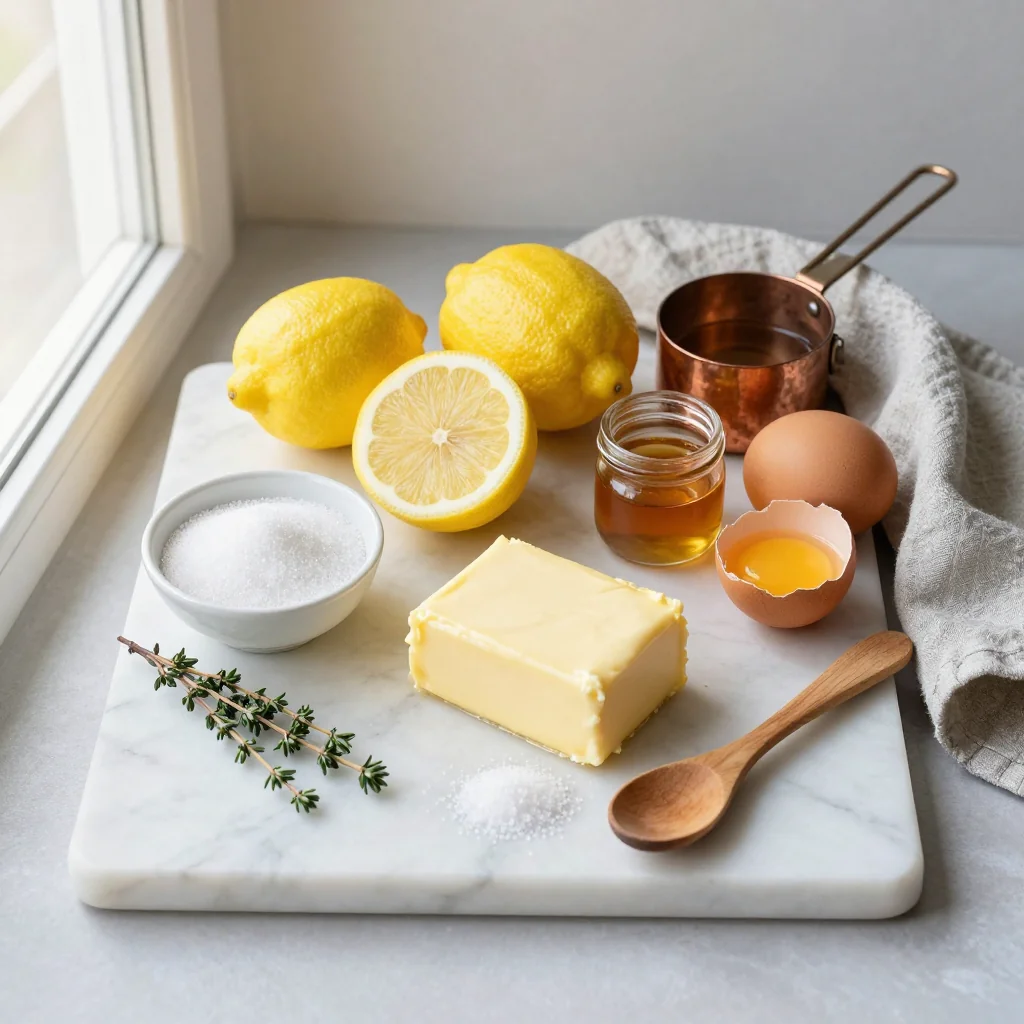
🔍 Focus on Key Ingredients
Lemon Juice & Zest
The acidity of fresh lemon juice cuts through the richness of butter and cream, while the zest adds aromatic oils that awaken the palate. Choose lemons with bright, unblemished skins; a thin, glossy rind signals high essential‑oil content. When zesting, avoid the white pith, which can introduce bitterness.
Eggs
Eggs act as the structural backbone of the custard, coagulating into a smooth set when gently heated. For the best texture, use room‑temperature eggs; they blend more evenly with sugar and dairy, reducing the risk of curdling. If you prefer a slightly richer custard, substitute one of the four eggs with a large egg yolk.
Unsalted Butter
Cold, unsalted butter creates a tender, flaky crust when cut into the flour. The high fat content ensures the crust stays buttery without becoming greasy. For a nutty nuance, you can replace a quarter of the butter with finely ground toasted almond flour.
🔄 Quick Substitutions
| If you don’t have… | Use instead… |
|---|---|
| All‑purpose flour | Pastry flour (for an even more tender crust) |
| Unsalted butter | European‑style butter (higher butterfat for richer flavor) |
| Heavy cream | Coconut cream (for a dairy‑free version) |
👨🍳 Step‑by‑Step Instructions
Follow these detailed steps to achieve a golden crust and a custard that wobbles just enough to melt in your mouth.
📋 Phase 1: Preparation & Mise en Place
Set up your workspace and create the crust before moving on to the custard.
Make the Crust
In a food processor, pulse the flour, cold butter, sugar, and salt until the mixture resembles coarse crumbs. Transfer to a 9‑inch pie dish, press evenly, and chill for 15 minutes. This chilling step prevents shrinkage during baking.
Pre‑bake the Crust
Preheat the oven to 190°C (375°F). Line the chilled crust with parchment paper, fill with pie weights or dried beans, and bake for 12‑15 minutes until lightly golden. Remove weights and parchment, set aside.
🔥 Phase 2: Custard Assembly & Baking
Blend the custard ingredients and bake until the perfect set.
Whisk Eggs and Sugar
In a large mixing bowl, whisk the eggs and granulated sugar together until pale and slightly thickened, about 2 minutes. This incorporates air, helping the custard stay light.
Add Lemon and Dairy
Stir in the lemon juice, zest, heavy cream, milk, and vanilla extract. Mix gently until fully combined. The mixture should have a glossy appearance.
Pour into Crust & Bake
Pour the custard filling into the pre‑baked crust. Place the pie on a baking sheet to catch any overflow. Bake at 160°C (325°F) for 35‑40 minutes, or until the edges are set and the center jiggles slightly when the pan is shaken.
✨ Phase 3: Finishing Touches & Serving
Cool, garnish, and present your masterpiece.
Cool the Pie
Allow the pie to cool on a wire rack for 20 minutes, then refrigerate for at least 2 hours. Cooling lets the custard fully set and develop its signature silky texture.
Garnish
Just before serving, dollop a generous spoonful of whipped cream, scatter fresh berries, and dust lightly with powdered sugar. The contrast of cool cream and warm custard creates a delightful mouthfeel.
Serve
Slice with a sharp knife dipped in hot water for clean cuts. Serve each slice with a sprig of mint or a thin lemon slice for added visual appeal.
💡 Expert Tips & Tricks
🛒 Choosing the Right Ingredients
Opt for lemons that feel heavy for their size; they contain more juice and zest. When buying butter, select a block rather than pre‑softened sticks, as the water content in softened butter can affect crust texture. Fresh, pasture‑raised eggs provide richer yolks, contributing to a custard that feels luxurious on the palate.
🔪 Preparation Techniques
Cold butter is essential for a flaky crust—cut it into ½‑inch cubes before blending. Use a light hand when mixing the dough; over‑working can develop gluten, resulting in a tough base. For the custard, temper the eggs by adding a small amount of the warm dairy mixture before combining everything; this prevents curdling.
🌡️ Mastering the Bake
Maintain a steady oven temperature; an oven thermometer helps avoid hot spots. If the crust begins to brown too quickly, tent it with foil. The custard is done when the center moves like gelatin—firm on the edges, but still slightly wobbly in the middle.
🍽️ Presentation & Service
Use a hot, wet knife for clean slices. A drizzle of lemon glaze (powdered sugar mixed with a splash of lemon juice) adds a glossy finish. Pair each slice with a sprig of fresh mint for a pop of color and a hint of herbal freshness.
🏆 Pro Tips
Elevate your Chess Pie from delicious to unforgettable with these professional insights.
- 🎯 Use a Water Bath: Placing the pie pan in a shallow roasting pan filled with hot water promotes even heat distribution, preventing the custard from cracking.
- 🎯 Chill the Bowl: Before whisking the eggs and sugar, chill the mixing bowl. The cold environment slows down premature coagulation, giving you a smoother custard.
- 🎯 Add a Touch of Salted Butter: A small knob of salted butter folded into the crust dough enhances flavor complexity without making the crust overly salty.
- 🎯 Incorporate a Cornstarch Slurry: Mixing 1 tsp cornstarch with a tablespoon of cold milk before adding it to the custard helps stabilize the mixture, especially for high‑altitude baking.
- 🎯 Finish with a Citrus Caramel Glaze: Melt sugar with a splash of water, then stir in lemon zest and a knob of butter for a glossy glaze that adds depth.
- 🎯 Serve on a Warm Plate: Warm plates (just 30 seconds in the oven) keep the custard from cooling too quickly, preserving its silky texture while eating.
“A perfect custard is like a sunrise—soft, glowing, and unforgettable.” — Thomas Keller
🔄 Variations & Adaptations
Chess Pie Lemon Custard is a versatile canvas. Below are ideas to tailor it to dietary preferences or adventurous flavor profiles.
🥬 Vegetarian / Vegan Version
Replace the butter with equal parts coconut oil and use a plant‑based butter blend for the crust. Swap eggs with a mixture of ¼ cup aquafaba (chickpea liquid) plus 1 tsp turmeric for color, and use coconut cream instead of heavy cream. The result is a dairy‑free custard that retains richness while offering a subtle coconut aroma.
- Substitution 1: Coconut oil + vegan butter for crust.
- Substitution 2: Aquafaba + turmeric for egg replacement.
🌶️ Flavor Variations
Play with complementary flavors to create a signature twist on the classic lemon custard.
Spiced Version:
Infuse the custard with ¼ tsp ground cardamom and a pinch of ground ginger. The warm spices contrast beautifully with the bright lemon.
Mediterranean Version:
Replace half of the heavy cream with orange‑blossom honey and sprinkle toasted pistachios on top. The honey adds floral sweetness, while pistachios give a crunchy contrast.
Asian Fusion Version:
Swap lemon juice for yuzu juice, add a dash of toasted sesame oil, and garnish with toasted black sesame seeds. The subtle umami elevates the dessert to an exotic experience.
⚠️ Dietary Adaptations
Gluten‑Free:
Use a 1:1 gluten‑free flour blend (rice flour, tapioca starch, potato starch) for the crust. Add 1 tsp xanthan gum to mimic gluten’s elasticity.
Lactose‑Free:
Replace heavy cream with lactose‑free whipping cream and milk with almond or oat milk. Ensure the alternative cream has at least 30% fat for proper custard set.
Low‑Calorie:
Cut the sugar by one‑third, use low‑fat milk, and replace half the butter in the crust with unsweetened applesauce. The texture remains satisfying while reducing calories.
👶 Kid‑Friendly Version
Reduce the lemon zest to ½ tsp and add a swirl of strawberry puree on top. Kids love the bright pink swirl, and the milder citrus flavor is more approachable for younger palates.
📦 Storage & Reheating
🧊 Conservation
Refrigerator:
- Duration: 3 days
- Container: Airtight glass or ceramic pie dish
- Tip: Cover the surface with plastic wrap to prevent a skin from forming.
Freezer:
- Duration: 2 months
- Method: Freeze the fully baked and cooled pie, wrapped tightly in foil then a freezer bag.
- Defrost: Thaw overnight in the refrigerator before reheating.
💡 For best texture, reheat rather than serve directly from frozen; freezing can slightly alter the custard’s silkiness.
♨️ Reheating
🔥 Oven (Recommended):
- Preheat to 160°C (325°F).
- Cover the pie loosely with aluminum foil.
- Heat for 12‑15 minutes.
- Remove foil and continue for 5 minutes to restore crust crispness.
⚡ Microwave (Quick):
- Place a slice on a microwave‑safe plate.
- Cover with a microwave‑safe lid.
- Heat on medium power for 45 seconds, then check and heat in 15‑second bursts.
🍳 Stovetop:
Gently warm slices in a non‑stick skillet over low heat, covered, for 3‑4 minutes, flipping once. This method keeps the crust flaky.
🍷 Perfect Pairings
🥗 Side Dishes
- Light Citrus Salad: Mixed greens tossed with orange segments, toasted almonds, and a honey‑lime vinaigrette balance the richness of the pie.
- Fresh Berry Compote: A warm compote of raspberries and blackberries adds a tart counterpoint.
- Vanilla‑Infused Yogurt: A dollop of lightly sweetened Greek yogurt offers a creamy, tangy side.
🍷 Wine & Beverage Pairings
- Sauvignon Blanc: Its bright acidity mirrors the lemon and cuts through the buttery crust.
- Moscato d'Asti: A lightly sparkling, sweet wine enhances the dessert’s citrus notes.
- Non‑Alcoholic: Sparkling lemon‑mint water with a splash of elderflower syrup provides a refreshing complement.
🍰 Complementary Courses
Start the meal with a crisp goat cheese and herb tartine, follow the custard with a light almond biscotti, and finish with a cup of Earl Grey tea infused with a slice of lemon for a harmonious culinary journey.
❓ Frequently Asked Questions
Q: Can I use bottled lemon juice instead of fresh?
While bottled juice works in a pinch, fresh lemon juice delivers brighter acidity and aromatic zest that bottled versions lack. If you must use bottled, add a teaspoon of fresh lemon zest to compensate for flavor loss.
Q: How do I prevent the custard from cracking?
Cracking often results from over‑baking or rapid temperature changes. Bake at a moderate temperature (160°C/325°F) and use a water bath. After baking, let the pie cool gradually on a wire rack before refrigerating.
Q: What if I don’t have a food processor for the crust?
You can achieve the same texture using a pastry cutter, two forks, or even your fingertips—work quickly to keep the butter cold. The goal is to create pea‑sized crumbs, not a smooth dough.
Q: Can I make this pie ahead of time for a party?
Absolutely. Bake the pie a day in advance, then refrigerate. Add fresh whipped cream and berries just before serving to keep them from wilting.
Q: How can I make the crust gluten‑free without sacrificing texture?
Use a high‑quality gluten‑free flour blend and add 1 tsp xanthan gum per cup of flour. Cold butter and minimal handling remain essential for flakiness.
Q: Is there a way to reduce the sugar without compromising sweetness?
Replace one‑third of the granulated sugar with a natural sweetener like maple syrup or agave nectar. Reduce the total sugar by about 20% and add a pinch of salt to enhance the remaining sweetness.
🎉 To Your Oven!
Chess Pie Lemon Custard is more than a dessert; it’s a celebration of balance—rich butter, airy custard, and a burst of citrus that awakens every sense. By following the step‑by‑step guide, you’ll create a pie that looks as stunning as it tastes, impressing guests and satisfying your own sweet cravings. Remember, the key lies in gentle temperatures, quality ingredients, and a little patience while the custard sets.
If you’ve enjoyed this recipe, please share your photos, variations, or questions in the comments below. Your feedback helps the community grow, and I love seeing how each kitchen puts its own spin on this classic.
Have you tried this recipe?
Leave a comment and rating below! Share your photos on Instagram with #LemonChessPie for a chance to be featured.
Chess Pie Lemon Custard
A bright, buttery custard that captures the sunshine of a lemon orchard in every silky bite.
📝 Ingredients
Crust
Filling
Topping (optional)
👨🍳 Instructions
- 1
Pulse crust ingredients until crumbly, press into a 9‑inch pie pan, and chill.
- 2
Blind‑bake the crust at 190°C (375°F) for 12‑15 min, then remove weights.
- 3
Whisk eggs and sugar until pale; add lemon juice, zest, cream, milk, and vanilla.
- 4
Pour filling into the crust, bake at 160°C (325°F) for 35‑40 min until the center jiggles.
- 5
Cool on a rack 20 min, then refrigerate at least 2 hours.
- 6
Before serving, top with whipped cream, berries, and a dusting of powdered sugar.
- 7
Slice with a hot, wet knife for clean edges.
- 8
Enjoy warm or chilled, paired with your favorite beverage.
🥗 Nutrition (per serving)
*Values are estimates based on standard ingredient brands.
📚 You Might Also Like
Lemon Tart with Meringue
Classic Key Lime Pie
Pumpkin Cream Pie
Raspberry Cream Puff
💬 Comments & Reviews
No comments yet. Be the first to share your thoughts!




Leave a Comment