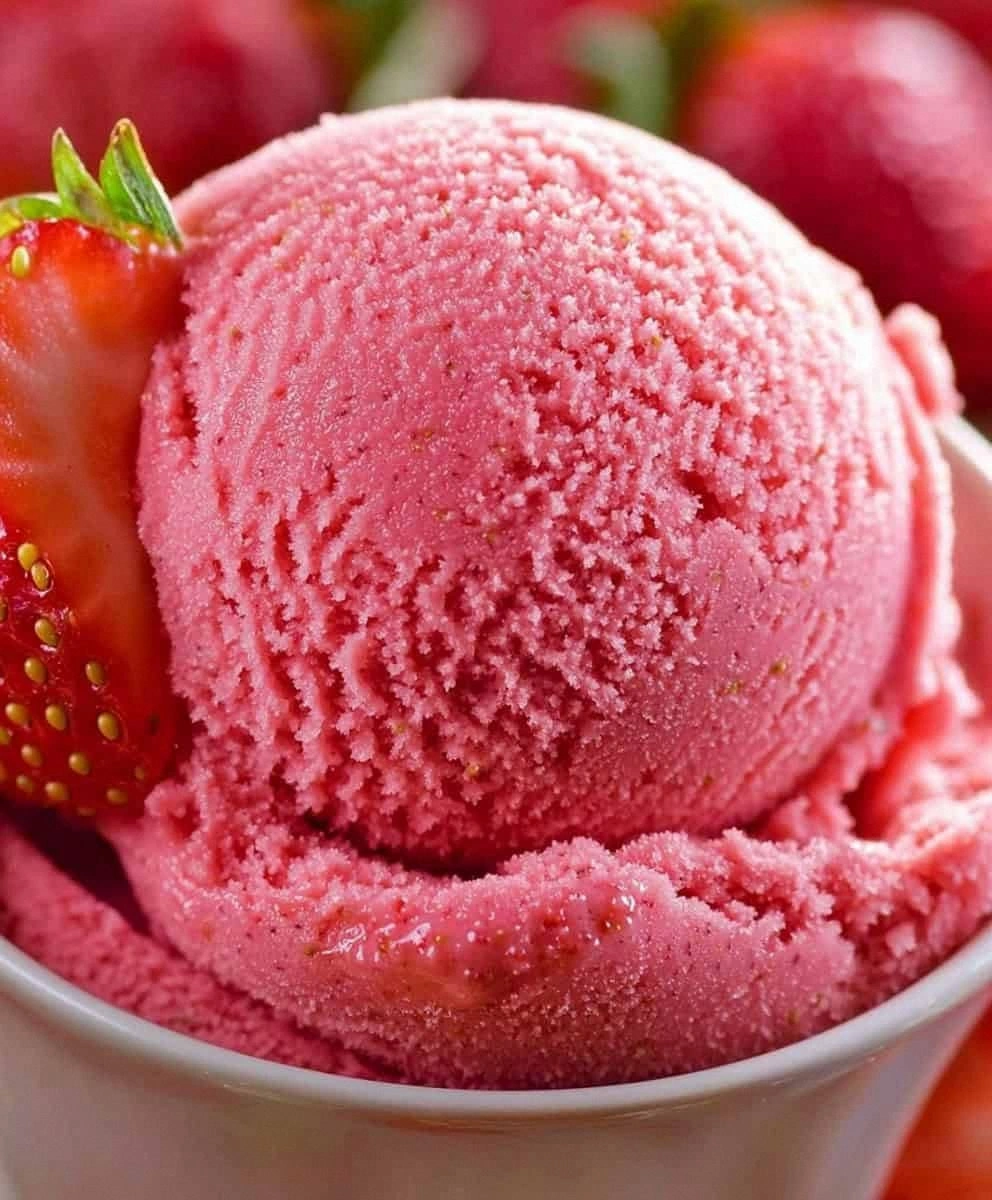
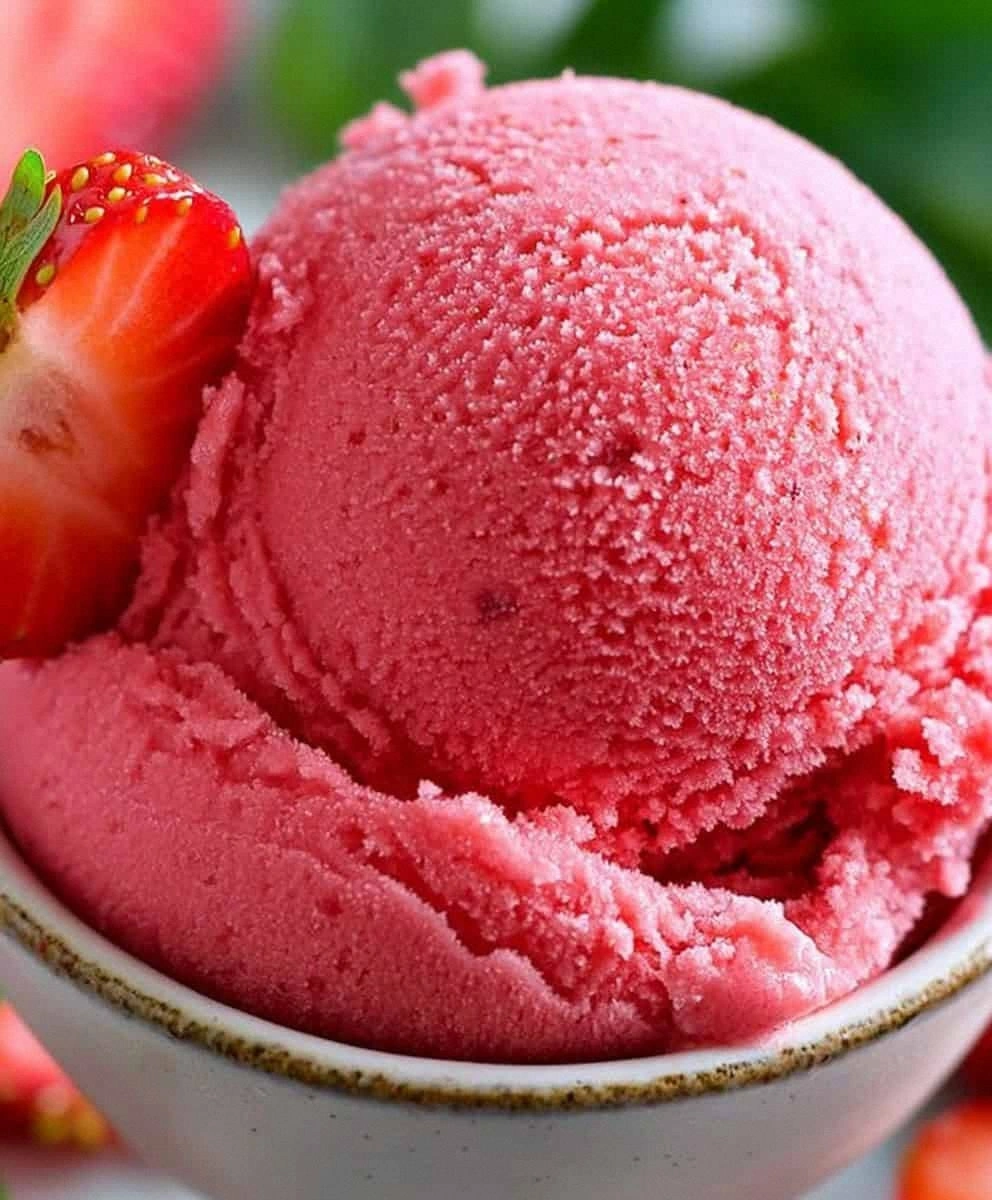
I still remember the day I swore off store-bought strawberry sorbet forever. It was one of those sticky July afternoons when the air feels like soup and even the dog refuses to move from the kitchen tiles. I'd spent eight dollars on a pint that promised "real fruit" but tasted like frozen cough syrup mixed with red food dye. One bite and I was catapulted back to being eight years old, clutching a melting popsicle that stained my favorite white t-shirt. That was the moment I marched to the farmers' market, bought every ruby-red berry I could carry, and vowed to crack the code for the silkiest, brightest, most shamelessly strawberry sorbet a home blender could muster. Spoiler: it took three burnt-out motors, one sugar syrup disaster, and a freezer shelf that looked like a crime scene, but the payoff was a version so vivid it practically glows in the dark.
Picture this: you open the freezer and a wave of perfume escapes—sun-warmed berries captured at their peak, folded into tiny crystals that dissolve the instant they touch your tongue. You scoop, and the spoon glides instead of chiseling. You taste, and suddenly you're barefoot in a strawberry field, even if you're actually standing over the sink in a third-floor apartment. That alchemy is what we're chasing, and it hinges on three tiny details most recipes skip because they sound boring: the ratio of sugar to fruit solids, the speed at which you freeze, and the micro-air you fold in before the mix sets. Nail those, and you'll get restaurant-grade texture without a $400 ice-cream machine or liquid nitrogen theatrics.
This version is my end-of-summer party trick: it requires zero eggs, no heavy cream, and only five ingredients you probably already have. The berries roast for ten minutes to concentrate their flavor, the sugar dissolves into a quick syrup so you never bite into grainy crystals, and a shot of lemon juice amplifies the fruit the way a great backup singer makes the star sound even better. I've served it to skeptical chefs, picky toddlers, and one self-proclaimed "I don't eat fruit" teenager—every one of them asked for seconds before they'd finished their first scoop.
If you've ever ended up with a rock-hard brick or a slushy puddle that tasted like watered-down Kool-Aid, you're not alone. I've been there, and I've got the frostbitten fingertips to prove it. Stay with me here—this is worth it. Let me walk you through every single step—by the end, you'll wonder how you ever made it any other way.
What Makes This Version Stand Out
Berry-First Philosophy: Instead of drowning the fruit in sugar, we roast the strawberries just enough to drive off excess water and caramelize their natural sugars. What you're left with is a concentrated berry essence so intense it stains the spatula pink.
Silk-Smooth Scoopability: We cook a quick simple syrup, then chill it fast so microscopic sugar crystals stay tiny. End result: no icy crunch, just a velvety melt that bends like a satin ribbon.
No Ice-Cream Maker? No Problem: A zip-top bag, a baking sheet, and two forks are all you need. Every twenty minutes you scrape and fold, imitating the churn you'd get from a machine.
Vanilla's Secret Handshake: An optional teaspoon of vanilla doesn't scream "vanilla"—it quietly rounds the edges, making the strawberry taste more strawberry. It's like Photoshop for flavor.
Color That Pops: Lemon juice keeps the scarlet hue from browning, so your scoops stay Instagram-ready for days, not hours.
Make-Ahead Champion: Stored in a parchment-pressed layer, this sorbet stays scoopable for two weeks. Good luck keeping it around that long.
Alright, let's break down exactly what goes into this masterpiece...
Inside the Ingredient List
The Flavor Base
Fresh strawberries are the divas here—anything less than fragrant, lipstick-red fruit will leave you with pink ice that tastes like disappointment. Sniff the carton: if you don't smell berry perfume, keep hunting. Two pounds sounds like a mountain, but you'll lose volume after hulling and roasting, so don't skimp. Underripe berries will make you pucker; overripe ones bring a fermented funk that even sugar can't hide. Aim for Goldilocks: deep color, bright green tops, and the sweet scent of summer.
The Texture Crew
Granulated sugar does double duty, lowering the freezing point so the mix stays scoopable and cradling air pockets for lightness. Too little and you chip a tooth; too much and you end up with slush. One cup hits the sweet spot for most berries, but if your fruit is candy-sweet, dial it back by two tablespoons and taste. Water might seem boring, but it's the silent partner that dissolves sugar into syrup and prevents icy shards. Use filtered if your tap tastes like a swimming pool.
The Unexpected Star
Lemon juice is the stage manager—you notice when it's missing. Just one tablespoon brightens all the berry sugars without turning dessert into lemonade. Skip it and the sorbet tastes flat, like a joke without a punchline. Fresh juice beats bottled every time; the volatile oils in the zest cling to the flesh and add floral top notes. If you only have bottled, add a pinch of zest or a drop of lemon oil to fake the sparkle.
The Final Flourish
Vanilla extract is the cashmere sweater of flavor—cozy, soft, and somehow makes everything look expensive. It's optional, but try it once and you'll see how it fills in the background, smoothing any tart berry edges. Go easy; a full teaspoon is plenty. Use the real stuff, not "vanilla flavoring," unless you want your sorbet to taste like birthday cake lip gloss.
Everything's prepped? Good. Let's get into the real action...
The Method — Step by Step
- Preheat your oven to 375°F. While it heats, hull and slice the strawberries into a shallow baking dish. Sprinkle two tablespoons of the sugar over the top—this jump-starts the juicing process. Slide the dish into the oven and roast for ten minutes; you're looking for the moment the juices start bubbling but the berries haven't collapsed into jam. Your kitchen will smell like a strawberry festival; enjoy it.
- Scrape the hot berries and every last drop of glossy juice into a blender. Add the remaining sugar, water, lemon juice, and vanilla if using. Blitz on high for a full minute; you want the seeds obliterated and the mixture satin-ribbon smooth. Don't rush this step—those tiny seed fragments turn into sand-like grit once frozen.
- Strain the mix through a fine-mesh sieve into a bowl. Use a flexible spatula to press every ounce of ruby liquid through; you should be left with a dry pulp of seeds. This extra thirty seconds is the difference between restaurant quality and "why is there grit in my teeth?"
- Chill the strained base for at least two hours, or up to overnight. The colder it goes into the freezer, the smaller the ice crystals—science you can taste. Speed things up by nesting the bowl in a larger one filled with ice water; stir occasionally until the mixture is fridge-cold.
- Pour the cold base into a gallon zip-top bag. Press out every bubble, seal, and lay it flat on a metal baking sheet. Slide the sheet into the freezer for thirty minutes; the thin layer freezes fast and evenly.
- After thirty minutes, remove the bag and bend it—ice should have formed around the edges but the center will be slushy. Open a corner, squeeze the mix into a chilled bowl, and beat with a sturdy fork or hand mixer for thirty seconds. You're folding in air and breaking up crystals. Back into the bag, re-flatten, and freeze again.
- Repeat the scrape-beat-freeze cycle three more times, every twenty minutes. Each fold adds micro-air pockets, giving you lightness without an ice-cream maker. By the fourth round the mix will be thick like soft-serve and the color will have paled to millennial pink.
- Scrape the sorbet into a parchment-lined loaf pan. Press plastic wrap directly onto the surface to prevent ice crystals, then cover with a lid or foil. Freeze at least two hours to firm up for scooping. If you leave it overnight, let it sit on the counter ten minutes before serving so the edges relax.
- To serve, run a hot spoon across the surface; the sorbet should curl like soft butter. Dish into chilled bowls, garnish with a fresh berry or a drizzle of balsamic if you're feeling fancy. Close your eyes when you taste—the flavor is pure July.
That's it—you did it. But hold on, I've got a few more tricks that'll take this to another level...
Insider Tricks for Flawless Results
The Temperature Rule Nobody Follows
Your freezer should sit at –8°F, not the usual 0°F. That extra chill sounds trivial, but it sets the sorbet so fast that crystals don't have time to grow into crunchy gravel. Check with an inexpensive fridge thermometer; adjust the dial and wait twelve hours before churning. A friend ignored this and texted me a photo of her raspberry brick—let's just say it doubled as a doorstop.
Why Your Nose Knows Best
Before sweetening, taste a berry. If it makes you smile, use the full sugar. If it puckers you, add two extra tablespoons of sugar to the syrup. Berries vary wildly in sweetness, and your tongue is more reliable than any recipe. Remember, cold dulls flavor—aim for the mix to taste slightly too sweet before freezing.
The 5-Minute Rest That Changes Everything
After the final freeze, let the pan sit at room temp five minutes before scooping. This brief relaxation allows the edges to soften just enough that your scoop glides instead of chipping. Those five minutes feel eternal when guests are hovering, but the texture payoff is dramatic—think gelato versus shaved ice.
Layer Your Sweetener for Depth
Swap out two tablespoons of sugar for honey or agave. The invert sugars lower the freezing point even further, adding chewiness and a subtle floral note that blooms after you swallow. Just warm the honey so it dissolves completely; undissolved droplets freeze into sticky rocks.
Prevent Freezer Burn with a Booze Blanket
Add a teaspoon of vodka or kirsch to the base. Alcohol doesn't freeze, so it keeps the sorbet scoopable and forms an invisible barrier against ice crystals. Don't worry—it evaporates so fast you'll never taste it, but your dentist might notice fewer chipped scoops.
Creative Twists and Variations
This recipe is a playground. Here are some of my favorite ways to switch things up:
Rosé All Day Sorbet
Replace half the water with a fruity rosé and reduce the sugar by one tablespoon. The wine's natural sugars and subtle tannins add grown-up complexity. Serve in chilled coupe glasses with a basil leaf—your book club will never leave.
Basil-Strawberry Smash
Blend in a handful of fresh basil leaves with the berries. The herbal note hovers in the background like a cool breeze, turning a simple scoop into a sophisticated palate cleanser between courses.
Balsamic Swirl Surprise
Freeze the base plain, then drizzle aged balsamic over each scoop. The vinegar's syrupy tang amplifies the berry sweetness in the same way salt makes caramel pop. Use the good stuff—cheap balsamic tastes like pencil shavings.
Coconut Cream Dream
Sub in full-fat coconut milk for the water. The fat adds creaminess, nudging the sorbet toward sherbet territory. Toast a spoonful of coconut flakes and sprinkle on top for crunch.
Chili-Kissed Heatwave
Steep a pinch of crushed red pepper in the hot syrup, then strain. The gentle heat creeps in after you swallow, making the next bite of cold fruit feel even cooler. Perfect for daredevils who like their dessert with a plot twist.
Lemon-Shortcake Crumble
Fold in crushed lemon-vanilla wafer crumbs during the final mix. They soften slightly but still provide nubbly pockets that mimic strawberry shortcake in frozen form. Kids lose their minds over this one.
Storing and Bringing It Back to Life
Fridge Storage
Once churned, pack the sorbet into a container no larger than a quart; excess air is the enemy. Press parchment directly on the surface, snap on the lid, and park it toward the back of the freezer where temperature swings are minimal. It'll stay at peak texture for two weeks—after that, ice crystals start their invasion.
Freezer Friendly
For longer storage, slip the whole container into a zip-top bag and squeeze out air. Double-wrapping prevents that stale freezer aroma from hijacking your pristine berry perfume. I've resurrected month-old sorbet this way; just give it an extra five-minute counter rest before scooping.
Best Reheating Method
If your sorbet freezes solid, don't microwave it—heat destroys the delicate flavor. Instead, let the container sit in the fridge for fifteen minutes, or dunk the bottom in warm water for thirty seconds. Break up any remaining hard bits with a fork, then re-pack and freeze ten minutes to firm. Good as new.