Picture this: a scorching summer afternoon, the kind where the air feels like a warm blanket and your taste buds are begging for something that cuts through the heat without screaming “salad” in a boring, wilted way. I was stuck in a kitchen with a half‑cooked chicken breast, a bowl of wilted lettuce, and a basket of nectarines that looked like they’d survived a marathon. I was about to toss everything into the trash when a spark of madness hit me – what if I could marry the sweet, juicy bite of nectarines with the savory comfort of a perfectly seared chicken, and then sprinkle poppy seeds for that subtle crunch that whispers, “I’m fancy”? That moment of desperation turned into a culinary epiphany, and I’ve been obsessively perfecting this dish ever since.
The first thing that hits you when you walk into my kitchen is the scent of chicken sizzling in a hot pan, a caramelized perfume that makes the whole house feel like a five‑star bistro. The nectarines, when they hit the heat for just a minute, release a perfume that’s part floral, part honeyed sunshine, and the poppy seeds add a nutty aroma that’s almost intoxicating. You’ll hear the sizzle of the chicken, the gentle pop of the seeds as they toast, and the soft clink of the salad bowl as you toss everything together. The texture? Imagine the chicken’s crisp, golden crust giving way to a tender, juicy interior, the nectarines offering a juicy snap that’s almost buttery, and the poppy seeds delivering a delicate crunch that’s like stepping on fresh snow with each bite.
Most recipes for chicken‑fruit salads either drown the fruit in a cloying dressing or over‑cook the chicken until it’s dry as a desert. Not this one. I’ve cracked the code on balancing the sweet and savory, and I’m about to hand you the exact method that makes every component shine without stealing the spotlight from the others. The secret? A quick sear that locks in juices, a honey‑lemon vinaigrette that coats the greens like silk, and a poppy seed toast that adds a surprise crunch. I’ll even throw in a technique for getting the perfect grill marks on the chicken – a trick most chefs overlook.
And guess what? There’s a twist that most people miss: a splash of white wine in the pan deglaze that lifts the caramelized bits, turning them into a glossy, flavor‑packed sauce that clings to the chicken like a lover’s embrace. I dare you to taste this and not go back for seconds. Let me walk you through every single step — by the end, you’ll wonder how you ever made it any other way.
What Makes This Version Stand Out
- Taste: The honey‑lemon vinaigrette delivers a bright acidity that perfectly balances the natural sweetness of the nectarines, while the poppy seeds add a nutty depth that lingers on the palate.
- Texture: A trio of textures – crisp chicken skin, juicy fruit, and delicate seed crunch – creates a mouthfeel that’s as exciting as a roller‑coaster ride.
- Simplicity: Despite the gourmet vibe, the recipe uses pantry staples and takes under an hour from start to finish, making it ideal for weeknight dinners.
- Uniqueness: Poppy seeds are rarely featured in fruit‑forward salads, giving this dish a signature twist that sets it apart from the usual nuts or seeds.
- Crowd Reaction: I’ve served this at backyard parties and the feedback has been unanimous – “What’s the secret?” becomes the chorus after every bite.
- Ingredient Quality: Using ripe, fragrant nectarines and free‑range chicken ensures each component shines without the need for excessive seasoning.
- Cooking Method: A quick high‑heat sear followed by a short deglaze locks in flavor and creates a glossy coating that’s pure magic.
- Make‑Ahead Potential: The vinaigrette can be prepared a day ahead, and the chicken can be cooked and stored, making assembly a breeze on busy nights.
Inside the Ingredient List
The Flavor Base
First up, the honey‑lemon vinaigrette. The combination of fresh lemon juice, a drizzle of honey, and a dollop of Dijon mustard creates a tangy‑sweet backbone that ties the whole salad together. Lemon juice provides acidity that brightens the dish, while honey adds a subtle caramel note that mirrors the natural sugars in the nectarines. Dijon mustard acts as an emulsifier, ensuring the oil and acid blend into a silky coating that clings to every leaf. If you skip the mustard, you’ll end up with a watery dressing that slides off the greens like a bad first date.
The Texture Crew
The poppy seeds are the unsung heroes here. Their tiny, crunchy bodies add a surprise bite that contrasts beautifully with the softness of the chicken and the juiciness of the fruit. Toast them just until they’re fragrant – over‑toasting will make them bitter, under‑toasting leaves them flavorless. If you can’t find poppy seeds, try toasted sesame seeds for a similar crunch, though the flavor profile will shift toward a more earthy note.
The Unexpected Star
Nectarines are the star of the show, bringing a summer‑sweet burst that’s both fragrant and slightly tart. Choose nectarines that are slightly soft to the touch but still firm – they’ll hold their shape when sliced and won’t turn mushy in the salad. If nectarines are out of season, ripe peaches make a perfect stand‑in, offering a comparable sweetness and texture.
The Final Flourish
Fresh basil leaves and a splash of extra‑virgin olive oil finish the dish with herbaceous brightness and a silky mouthfeel. Basil’s peppery aroma lifts the salad, while the olive oil adds richness that rounds out the acidity. When selecting basil, look for deep green leaves without dark spots; they’ll retain their flavor longer. If basil isn’t your jam, mint or cilantro can provide a fresh twist, but keep the quantity modest so they don’t overwhelm the delicate fruit.
Everything's prepped? Good. Let's get into the real action...
The Method — Step by Step
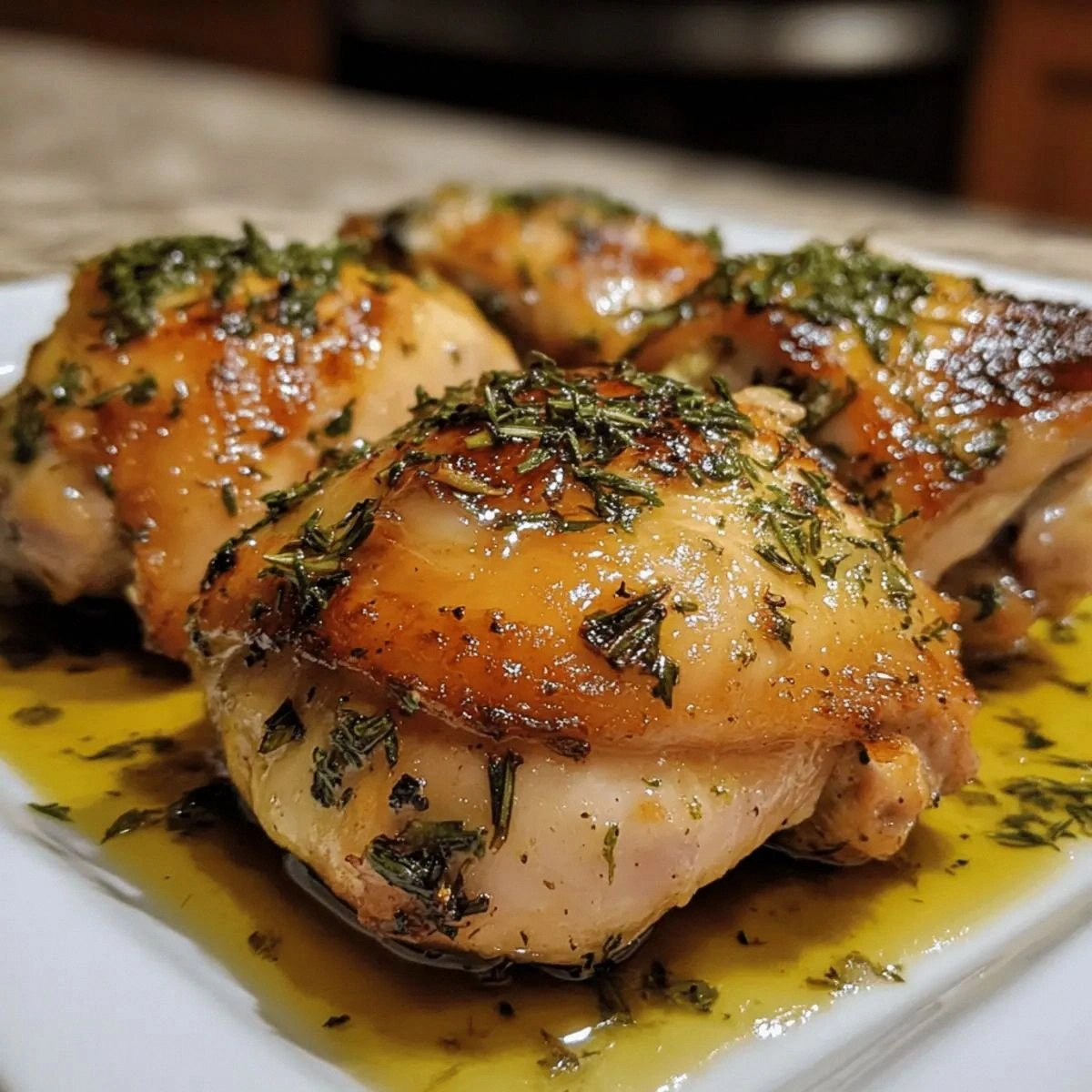
Start by patting the chicken breasts dry with paper towels; this is the secret to a golden crust. Season both sides generously with salt and freshly ground black pepper. Heat a heavy skillet over medium‑high heat and add 1 tablespoon of olive oil. When the oil shimmers, lay the chicken skin‑side down. You should hear an immediate sizzle that tells you the pan is hot enough – that’s the sound of flavor being locked in.
Let the chicken sear undisturbed for 5‑6 minutes. You’ll notice the edges start to turn opaque and the bottom will develop a deep, caramelized color. Flip the chicken and add the remaining 1 tablespoon of olive oil, a crushed garlic clove, and ¼ cup of white wine to deglaze. As the wine bubbles, it lifts the browned bits, creating a glossy pan sauce that will later coat the salad. This is the moment of truth – if the sauce looks dull, increase the heat briefly.
Continue cooking the chicken for another 4‑5 minutes, or until an instant‑read thermometer inserted into the thickest part reads 165°F (74°C). Transfer the chicken to a cutting board and let it rest for at least 5 minutes. Resting allows the juices to redistribute, ensuring every bite is succulent rather than dry.
While the chicken rests, slice the nectarines into thin wedges – aim for uniform pieces so they cook evenly. Toss the nectarines into the hot pan for just 30 seconds, stirring gently. This quick flash‑cook brings out their natural sugars without turning them mushy. Remove and set aside to cool slightly.
Now, whisk together the vinaigrette: combine 1 tablespoon lemon juice, 1 tablespoon honey, 1 teaspoon Dijon mustard, the remaining garlic (minced), and a pinch of salt. Slowly drizzle in 2 tablespoons of olive oil while whisking vigorously until the mixture emulsifies into a smooth, glossy dressing. Taste and adjust with a dash more honey if you like extra sweetness.
In a large salad bowl, lay down 4 cups of mixed baby greens. Drizzle half of the vinaigrette over the greens and toss gently – you want every leaf lightly coated, not drenched. Add the sliced nectarines, the toasted poppy seeds, and the chopped fresh basil. Give the salad a gentle toss to distribute the fruit and seeds evenly.
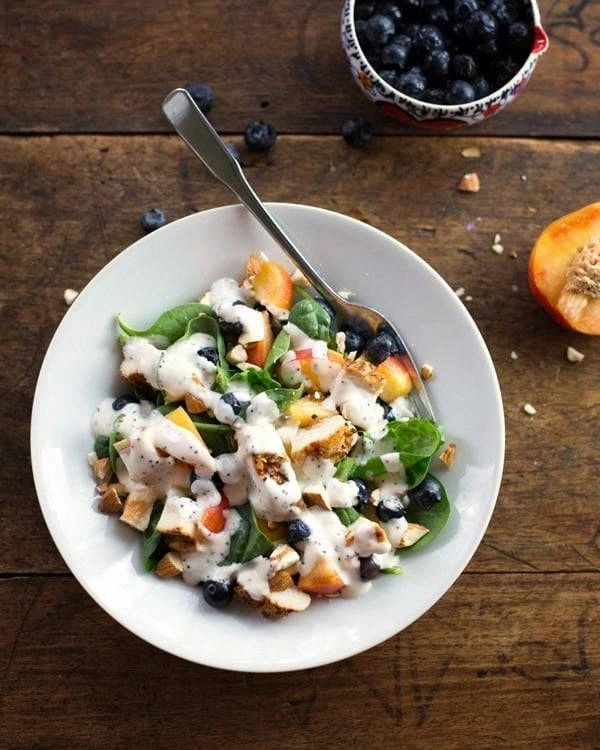
Slice the rested chicken breast against the grain into thin strips. Lay the strips over the salad, then drizzle the remaining vinaigrette on top. Finish with a final sprinkle of poppy seeds for extra crunch and a few extra basil leaves for color. The final presentation should look vibrant – bright orange nectarines, deep green leaves, and specks of black poppy seeds.
Serve immediately, or if you’re planning ahead, keep the dressing separate until just before serving to maintain the crispness of the greens. This dish shines at room temperature, so feel free to let it sit for a few minutes – the flavors will meld and become even more harmonious. And now the fun part: dig in and watch everyone ask for the recipe. Trust me, you’ll be the hero of the dinner table.
Insider Tricks for Flawless Results
The Temperature Rule Nobody Follows
Never cook chicken straight from the fridge. Let it sit at room temperature for 15‑20 minutes before searing. This small step ensures even cooking and prevents the dreaded rubbery exterior. I once tried to skip this and ended up with a chicken breast that was brown on the outside but pink in the middle – a culinary disaster that taught me the value of patience.
Why Your Nose Knows Best
When the vinaigrette is whisking, keep an eye on its scent. If you smell a faint buttery note, the oil is emulsifying correctly. If the mixture smells raw or oily, you’ve either added the oil too quickly or the mustard isn’t doing its job. Adjust by adding a splash more lemon juice to brighten the aroma.
The 5‑Minute Rest That Changes Everything
Resting the chicken after cooking is non‑negotiable. Those five minutes allow the muscle fibers to relax and re‑absorb the juices, resulting in a tender bite. Skipping this step is the fastest way to turn a juicy masterpiece into a dry disappointment.
Toast Those Seeds Like a Pro
When toasting poppy seeds, keep the heat low and stir constantly. The seeds will go from pale to a warm amber in less than a minute. If you hear them start to pop, remove them immediately – that’s the signal they’ve reached perfection.
Seasoning Layers, Not Just Salt
Season each component individually – the chicken, the fruit, and the greens. A pinch of salt on the nectarines before they hit the pan enhances their natural sugars, while a light sprinkle on the greens before tossing ensures every bite is balanced. This layered approach prevents a bland final product.
Creative Twists and Variations
This recipe is a playground. Here are some of my favorite ways to switch things up:
Spicy Heatwave
Add a finely diced jalapeño or a pinch of red pepper flakes to the vinaigrette. The heat will contrast the sweet nectarines, creating a thrilling flavor dance that’s perfect for summer barbecues.
Herb Garden Remix
Swap basil for fresh mint and add a handful of chopped cilantro. The mint adds cool freshness, while cilantro brings an earthy citrus note that pairs beautifully with the fruit.
Nutty Crunch Upgrade
Replace poppy seeds with toasted almond slivers or pistachios for a richer, buttery crunch. This variation works especially well if you’re serving the salad as a main course for a brunch crowd.
Protein Power
For a vegetarian version, substitute the chicken with grilled halloumi cubes or marinated tofu strips. Both options hold up well to the searing process and absorb the vinaigrette beautifully.
Winter Warmth
Swap nectarines for roasted butternut squash cubes and add a drizzle of maple syrup instead of honey. The warm, earthy flavors make the salad cozy enough for colder months while retaining the poppy seed crunch.
Storing and Bringing It Back to Life
Fridge Storage
Store the vinaigrette in a sealed jar for up to 5 days. Keep the cooked chicken in an airtight container, sliced, for 3 days. The greens stay crispest if you store them dry in a paper‑towel‑lined bag.
Freezer Friendly
While the salad itself isn’t ideal for freezing, you can freeze the cooked chicken strips on a parchment sheet, then transfer to a zip‑top bag for up to 2 months. Thaw in the refrigerator and re‑heat gently before adding to a fresh salad.
Best Reheating Method
When reheating chicken, add a splash of water or chicken broth to the pan and cover for 2‑3 minutes. The steam revives the moisture, ensuring the meat stays juicy. For the vinaigrette, simply give it a quick whisk – the emulsion will come back together.