Picture this: it’s a rainy Saturday, the kitchen lights are dim, and you’re scrolling through a thousand recipes when a friend drops a dare in your chat—“Show me the ultimate grilled chicken bowl that makes even the most skeptical foodie swoon.” I stared at the empty fridge, the silence of the dishes, and then I remembered the last night’s disaster: a chicken that tasted like a cardboard box because I forgot to season. That night, the kitchen was a battlefield, the air thick with burnt garlic, and I swore that no more bland chicken would ever grace my plate. Now, I’m here, with a skillet humming and a bowl of vibrant greens, ready to reveal a recipe that turns ordinary chicken into an orchestra of flavors.
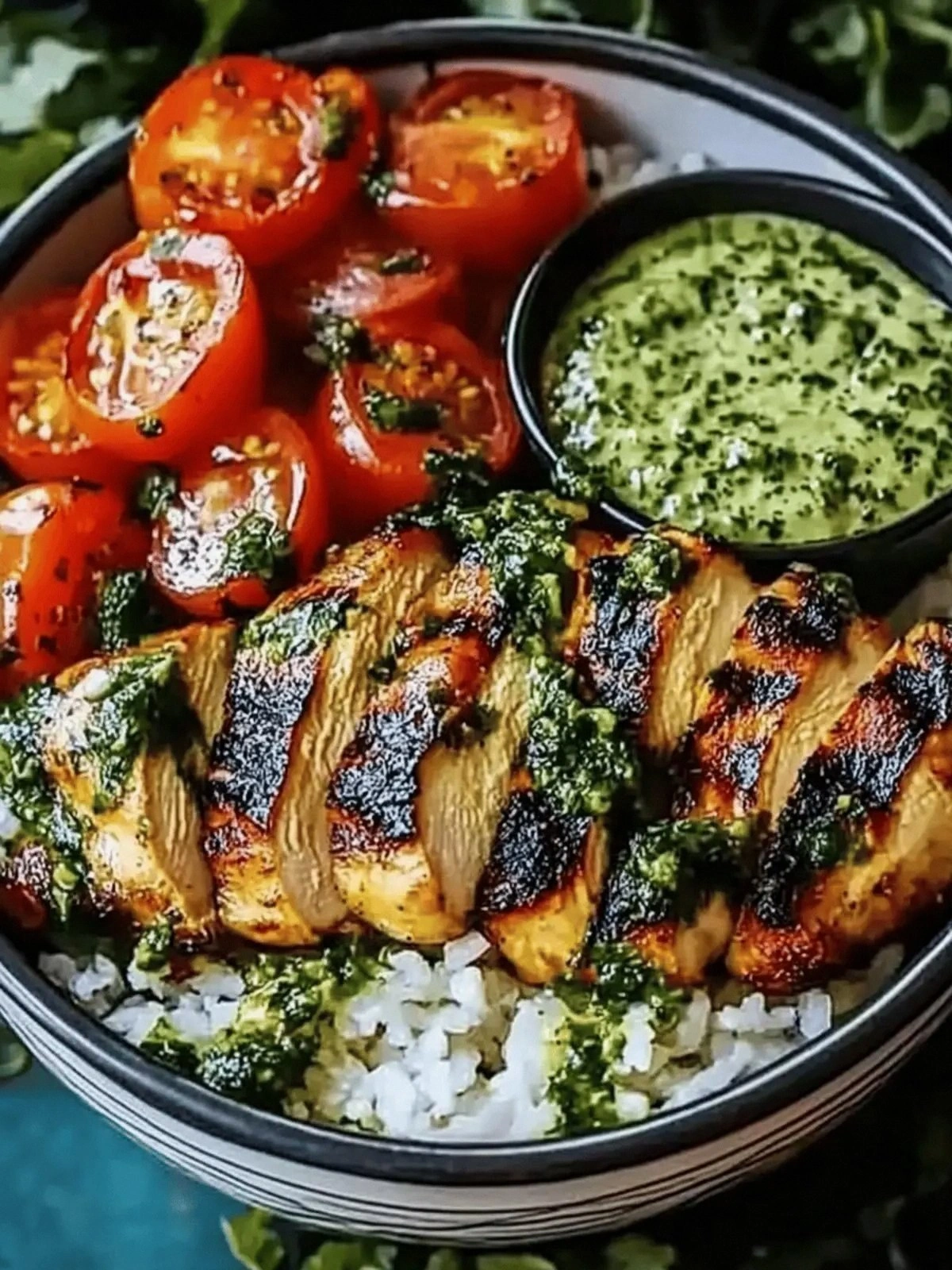
The first thing that hits you is the aroma—zesty parsley, bright red wine vinegar, and a hint of smoky garlic that drifts from the grill, mingling with the buttery scent of olive oil. Visually, the sauce is a glossy green that looks like a fresh meadow after rain, while the chicken, seared to a perfect caramelized crust, glistens with a golden sheen. When you lift the first spoonful, the creamy garlic sauce clings to the tender meat like velvet, and the crunch of fresh arugula snaps under your teeth, releasing a peppery burst that awakens your palate. The texture is a delightful contrast: the chicken’s juicy interior, the silky sauce, and the crisp greens—all dancing together in a single bite.
What makes this version stand out from every other grilled chicken bowl out there is the marriage of a homemade chimichurri with a rich, creamy garlic sauce that balances acidity and richness. I dare you to taste this and not go back for seconds because the flavors are layered like a well‑written novel—each chapter more enticing than the last. The secret? A meticulous marination that lets the herbs penetrate every fiber of the chicken, a grilling technique that locks in juices, and a sauce that coats the bowl like a protective, flavorful blanket. Most recipes get this completely wrong by using store‑bought sauces or over‑cooking the chicken, but here we keep the chicken tender and the sauce vibrant.
If you’ve ever struggled with getting the right balance of tang and creaminess, you’re not alone—and I’ve got the fix. Picture yourself pulling this out of the grill, the whole kitchen smelling incredible, and the bowl looking like a work of art. The next part? I’ll walk you through every single step, from prepping the ingredients to that final flourish, so by the end, you’ll wonder how you ever made it any other way.
What Makes This Version Stand Out
- Flavor: The chimichurri is packed with fresh herbs, bright acidity, and a subtle heat from red pepper flakes that cuts through the richness of the chicken.
- Texture: Grilled chicken yields a caramelized exterior that shatters like thin ice while the interior stays succulent.
- Simplicity: With only a handful of pantry staples, you can create a restaurant‑grade bowl in under an hour.
- Uniqueness: The creamy garlic sauce is a game‑changer, turning a simple bowl into a gourmet experience.
- Crowd Reaction: Friends and family will ask for the recipe after the first bite; it’s the kind of dish that sparks conversation.
- Ingredient Quality: Fresh parsley, high‑quality olive oil, and real garlic make the difference between good and unforgettable.
- Cooking Method: Grilling infuses smoky flavor, while the sauce adds moisture and depth.
- Make‑Ahead Potential: The chimichurri can be prepared days ahead, letting flavors develop like a fine wine.
Inside the Ingredient List
The Flavor Base
The foundation of any great sauce is its flavor base, and in this recipe, it’s the chimichurri. Olive oil, red wine vinegar, minced garlic, and parsley come together to create a vibrant, herbaceous mixture that brightens the entire dish. Olive oil not only carries the flavors but also helps the chicken develop a golden crust when grilled. Red wine vinegar adds acidity that cuts through the richness of the garlic sauce, keeping the bowl from feeling heavy. If you skip the vinegar, the sauce will taste flat and the chicken may end up greasy. For a subtle twist, try using apple cider vinegar for a sweeter tang.
The Texture Crew
Texture is everything in a bowl. The chicken breasts are the star, but they need a supportive cast: fresh greens—spinach or arugula—provide a peppery crunch that balances the creamy sauce. Diced tomatoes add juiciness and a burst of sweetness that contrasts the herbaceous chimichurri. The creamy garlic sauce, made from mayonnaise, sour cream or Greek yogurt, and a splash of lemon juice, adds silkiness that coats the chicken and greens alike. Each component must be prepped correctly: slice the greens thinly, dice tomatoes into uniform cubes, and whisk the sauce until smooth. Skipping any of these steps will alter the mouthfeel and ruin the harmony.
The Unexpected Star
Red pepper flakes might seem like a minor detail, but they bring a subtle heat that elevates the dish. They’re not overpowering; instead, they provide a gentle kick that keeps the palate engaged. If you’re sensitive to spice, reduce the amount to a pinch or omit entirely. Alternatively, for a smoky flavor, sprinkle a dash of smoked paprika into the chimichurri. This small tweak can transform the bowl into a different culinary experience while keeping the base intact.
The Final Flourish
The finishing touch is the creamy garlic sauce, a velvety blend that turns the bowl into a comforting, indulgent dish. Mayonnaise provides body and richness, while sour cream or Greek yogurt adds tang and lightness. Lemon juice brightens the sauce, preventing it from feeling cloying. Adding a pinch of extra minced garlic gives the sauce a subtle punch that lingers on the tongue. If you want to cut calories, replace mayo with a lighter spread or a homemade yogurt base. Remember, the sauce should be thick enough to cling to the chicken but still pourable when you drizzle it over the greens.
Everything’s prepped? Good. Let’s get into the real action.
The Method — Step by Step
- Marinate the Chicken: In a shallow dish, combine the chimichurri, olive oil, and a pinch of salt. Coat the chicken breasts evenly, cover, and refrigerate for at least 30 minutes—ideally 2 hours for deeper flavor. As the chicken marinates, the herbs will permeate the meat, ensuring each bite is infused with zest. I’ve found that a quick 15‑minute soak works wonders for busy nights.
- Preheat the Grill: Light your charcoal or set your gas grill to medium‑high heat. A good grill should reach about 400°F (200°C). Let the grill heat up for 5 minutes before placing the chicken, ensuring a clean sear. If you’re using a pan, heat a tablespoon of olive oil over medium‑high heat until shimmering.
- Grill the Chicken: Place the marinated breasts on the grill, pressing them down gently for an even contact. Cook for 5–6 minutes on each side, or until the internal temperature reaches 165°F (74°C). The edges should develop a caramelized crust that shatters like thin ice when you bite. Turn only once to maintain that beautiful sear.
- Rest the Meat: Remove the chicken from the grill and let it rest for 5 minutes. Resting allows the juices to redistribute, keeping the meat moist and tender. If you cut into it too early, the juices will run out, leaving a dry bite.
- Prepare the Creamy Garlic Sauce: In a bowl, whisk together mayonnaise, sour cream or Greek yogurt, lemon juice, and a tablespoon of extra minced garlic. Add salt and pepper to taste. The sauce should be thick yet pourable; if it’s too thick, add a splash of milk or water to reach the desired consistency.
- Assemble the Bowl: Lay a bed of fresh greens in each serving bowl. Slice the rested chicken into strips and arrange them on top. Scatter diced tomatoes and drizzle the creamy garlic sauce over the chicken. Finish with a generous spoonful of chimichurri to tie the flavors together.
- Serve Immediately: The bowl is best enjoyed fresh, while the greens are crisp and the sauce remains silky. If you need to serve later, keep the sauce separate and add it just before eating to maintain texture.
That’s it—you did it. But hold on, I’ve got a few more tricks that will take this to another level. Below are insider tips that will ensure every bite is flawless.
Insider Tricks for Flawless Results
The Temperature Rule Nobody Follows
Many people grill chicken at too low a temperature, leading to uneven cooking and a soggy exterior. Set your grill to medium‑high, about 400°F (200°C), to achieve that perfect caramelized crust. If you’re using a skillet, preheat it until it’s almost smoking; this quick sear locks in juices and creates a beautiful crust that doesn’t stick.
Why Your Nose Knows Best
Smell is the unsung hero of cooking. Before you flip the chicken, listen for the first crackle of the meat; that sound signals the crust is forming. If you hear a dull sizzle, the heat is too low. Trust your nose—when the aroma turns from raw garlic to a warm, toasted scent, it’s time to flip.
The 5‑Minute Rest That Changes Everything
Resting the chicken for exactly five minutes after grilling is a game‑changer. It allows the internal juices to redistribute, preventing the meat from becoming dry when you cut into it. I’ve seen people skip this step and end up with a tough bite. Give it the rest, and you’ll taste the difference.
Balancing the Creaminess
If your sauce feels too thick, add a splash of milk or a drizzle of olive oil to reach the desired consistency. Conversely, if it’s too thin, whisk in a bit more mayonnaise or a teaspoon of flour to thicken. The key is to adjust while the sauce is still warm; this makes it easier to incorporate without curdling.
Stirring the Greens
When adding the greens to the bowl, toss them gently with a drizzle of olive oil and a pinch of salt before placing the chicken on top. This step ensures the greens don’t wilt under the weight of the sauce and remain crisp, providing the necessary crunch.
Final Touch of Freshness
Right before serving, squeeze a fresh lemon wedge over the bowl. The bright citrus lifts the flavors and adds a fresh zing that balances the richness of the sauce. It’s a small gesture that turns a good dish into a memorable one.
Creative Twists and Variations
This recipe is a playground. Here are some of my favorite ways to switch things up:
Mediterranean Medley
Swap arugula for a mix of baby spinach and sliced olives. Add a handful of feta cheese for a tangy contrast. This version leans into classic Mediterranean flavors that pair wonderfully with the chimichurri.
Spicy Thai Fusion
Introduce a tablespoon of sriracha into the creamy sauce and sprinkle crushed peanuts on top. Replace tomatoes with diced mango for a sweet, tropical twist. The heat from sriracha and the crunch from peanuts elevate the bowl to a new level.
Sweet and Smoky
Add a handful of roasted sweet potato cubes and drizzle a touch of maple syrup over the chicken before grilling. The sweetness balances the smoky chimichurri, creating a comforting yet vibrant dish.
Vegan Version
Replace chicken with marinated tofu or tempeh. Use a plant‑based mayo and Greek yogurt alternative for the sauce. This keeps all the flavors intact while making the dish entirely plant‑based.
Pasta Bowl Twist
Serve the chicken and sauce over a bed of al dente linguine instead of greens. The pasta absorbs the chimichurri and creamy sauce, creating a hearty, comforting meal. Add a sprinkle of parmesan for extra depth.
Breakfast Kick
Slice the grilled chicken into bite‑size pieces and serve over scrambled eggs with a dash of chimichurri. The savory sauce pairs beautifully with the creamy eggs, turning the bowl into a satisfying breakfast or brunch option.
Storing and Bringing It Back to Life
Fridge Storage
Store the assembled bowl in an airtight container for up to 3 days. Keep the sauce separate to maintain its texture. When ready to eat, add the sauce and give the bowl a quick stir to redistribute flavors.
Freezer Friendly
Freezing the chicken and greens separately is best. Cook the chicken, let it cool, then place it in a freezer bag. The greens can be blanched, cooled, and frozen for up to 2 months. Reheat the chicken in the microwave or on a skillet, and thaw the greens in the refrigerator overnight.
Best Reheating Method
To reheat, warm the chicken in a skillet over medium heat until hot. Add a splash of water or broth to keep it moist. Reheat the greens in the microwave for 30 seconds, then toss with a little olive oil. Finally, drizzle the sauce over the heated components for a fresh, cohesive bowl.