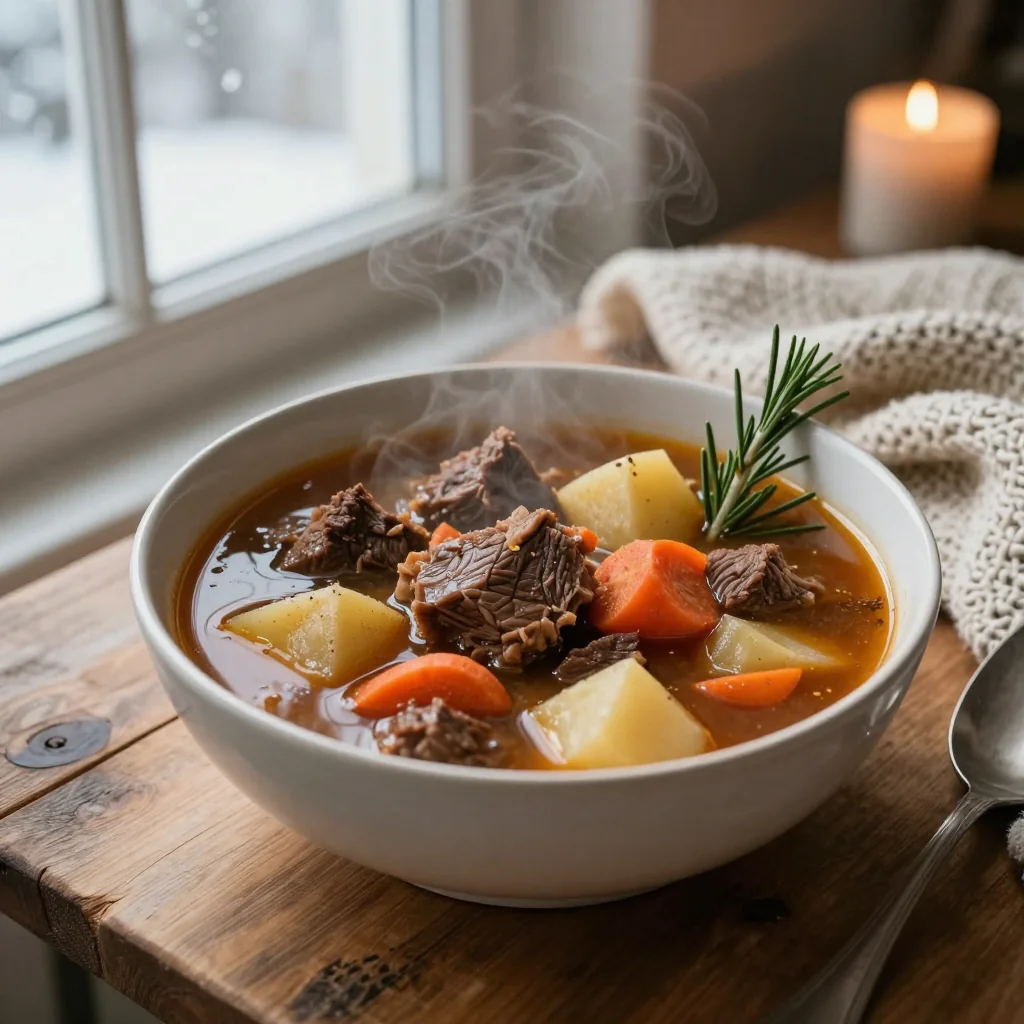
A soul‑warming beef stew that turns frosty evenings into unforgettable feasts.
The first time I tasted a steaming bowl of beef stew on a biting February night, the world seemed to pause. I was staying at my grandparents’ countryside cottage, the wind howling outside while the kitchen filled with the fragrant perfume of simmering meat, root vegetables, and a splash of deep red wine. My grandmother ladled the thick broth into a rustic bowl, and the heat radiated through my chilled fingertips, instantly melting the frost that clung to the windows. That moment—simple, comforting, and utterly unforgettable—has become the benchmark for every winter dinner I create.
This particular stew draws inspiration from classic French “Boeuf à la Mode,” a dish that historically celebrated the harvest and the warmth of communal tables. Over the years, I’ve refined the recipe, adding a touch of orange zest and a final swirl of sour cream to balance the richness. It’s a dish that bridges generations, perfect for those evenings when the sky is gray, the fire crackles, and you crave a hearty, nourishing meal.
In this guide, you’ll discover the step‑by‑step process that ensures tender beef, perfectly caramelized vegetables, and a broth that clings lovingly to every forkful. I’ll share the science behind browning meat, the art of layering flavors, and the little tricks that make the stew taste even better the next day.
So grab your apron, preheat the oven, and let’s turn a cold February night into a celebration of flavor and warmth.
🌟 Why This Recipe Will Win Your Heart
A winter stew should be more than just food; it should be an experience that comforts, excites, and brings people together.
- ✨ Depth of Flavor: Slow‑cooked beef releases gelatin, creating a velvety broth enriched by caramelized onions, garlic, and a splash of red wine.
- ✨ Seasonal Simplicity: Root vegetables like carrots and potatoes are at their sweetest in winter, adding natural sweetness without extra sugar.
- ✨ One‑Pot Efficiency: Everything cooks in a single Dutch oven, minimizing cleanup and allowing flavors to meld beautifully.
- ✨ Flexible Scaling: The built‑in portion adjuster lets you serve four, six, or ten guests without recalculating each ingredient manually.
- ✨ Leftover Magic: The stew tastes even richer the next day, making it perfect for meal‑prep or a quick lunch.
- ✨ Crowd‑Pleaser: Balanced richness, subtle acidity, and a hint of herbaceous thyme make it a hit for both meat‑lovers and picky eaters.
🥗 Ingredients
📝 Complete Ingredient List
For the Stew:
- 1500 g beef chuck, cut into 2‑inch cubes
- 3 large carrots, peeled and sliced
- 4 medium potatoes, quartered
- 1 large onion, diced
- 3 cloves garlic, minced
- 1500 ml beef broth
- 250 ml dry red wine
- 2 tbsp tomato paste
- 2 tsp dried thyme
- 1 leaf bay leaf
- to taste salt and black pepper
For the Garnish:
- 2 tbsp fresh parsley, chopped
- 200 ml sour cream
For the Thickening (optional):
- 2 tbsp all‑purpose flour
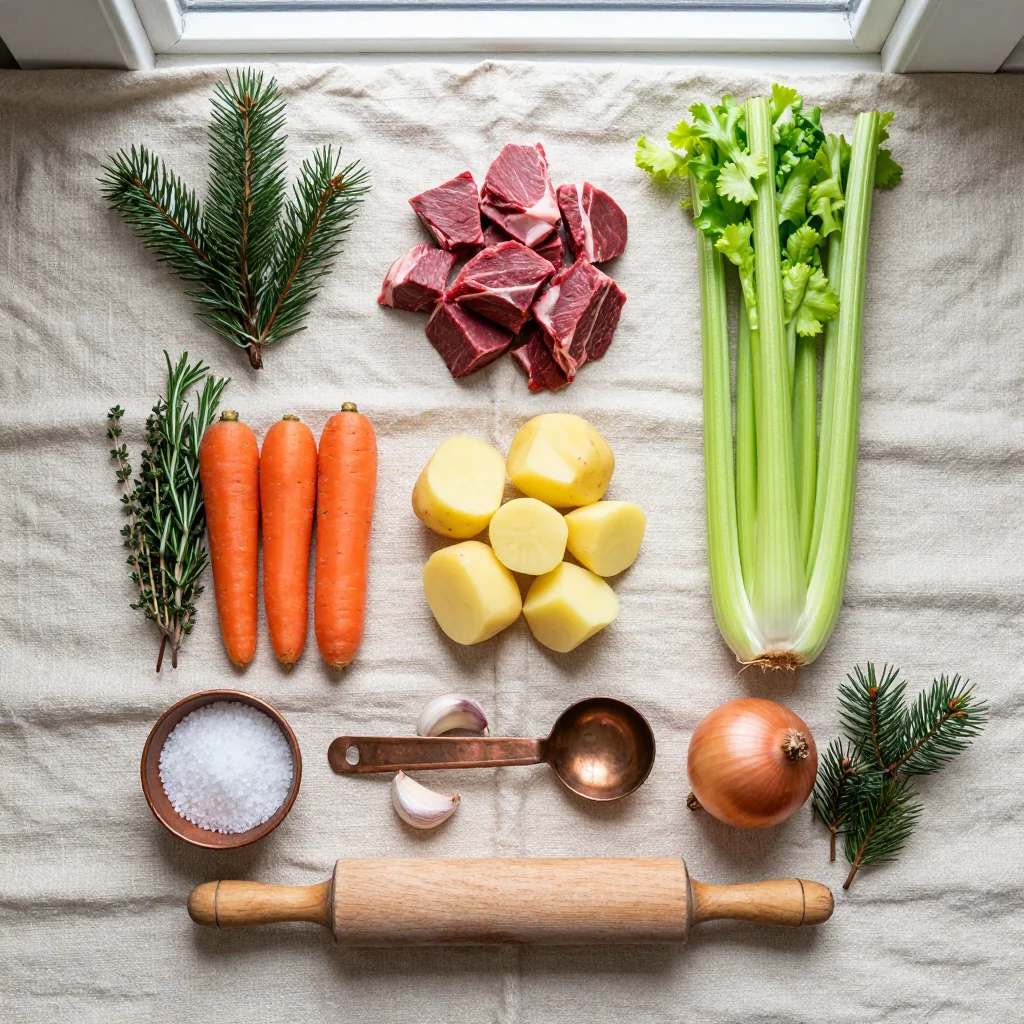
🔍 Focus on Key Ingredients
Beef Chuck
Beef chuck is the backbone of this stew. Its connective tissue breaks down during the long, slow cook, releasing collagen that transforms the broth into a silky, gelatin‑rich base. When selecting, look for a deep red color and fine marbling; the fat will melt into the sauce, adding depth without overwhelming heaviness.
Carrots
Carrots bring a natural sweetness that balances the savory broth. Choose carrots that are firm and brightly colored—these retain their texture and flavor best after hours of simmering. Their beta‑carotene also adds a subtle, golden hue to the final dish.
Red Wine
A dry red wine contributes acidity and complexity, lifting the richness of the meat. The alcohol evaporates, leaving behind fruity tannins that meld with the thyme and bay leaf. If you prefer a non‑alcoholic version, substitute with unsweetened pomegranate juice for a similar depth.
🔄 Quick Substitutions
| If you don’t have… | Use instead… |
|---|---|
| Beef chuck | Lamb shoulder |
| Beef broth | Vegetable broth |
| Dry red wine | Non‑alcoholic red grape juice |
👨🍳 Step‑by‑Step Instructions
Follow these detailed steps to create a stew that’s both comforting and sophisticated.
📋 Phase 1: Preparation & Mise en Place
Gather, chop, and season before the pot goes on the heat.
Prep the Beef
Pat the beef cubes dry with paper towels; this ensures a golden crust when searing. Season generously with salt and pepper on all sides. The seasoning will create a flavorful fond that later enriches the broth.
Chop Vegetables
Peel and slice the carrots into ½‑inch rounds, quarter the potatoes, and dice the onion. Mince the garlic finely. Uniform pieces ensure even cooking and consistent texture throughout the stew.
🔥 Phase 2: Cooking & Assembly
Build layers of flavor by searing, deglazing, and simmering.
Sear the Beef
Heat 2 tbsp of oil in a heavy‑bottomed Dutch oven over medium‑high heat. Add the beef in batches, avoiding crowding, and brown each side for about 3‑4 minutes until a deep caramel color forms. This Maillard reaction creates the aromatic base of the stew.
Deglaze with Red Wine
After removing the beef, pour the red wine into the hot pot, scraping the browned bits (fond) from the bottom with a wooden spoon. Let the wine reduce by half, about 5 minutes, concentrating its flavors.
Add Remaining Ingredients
Return the beef to the pot. Stir in the tomato paste, thyme, bay leaf, carrots, potatoes, onion, and garlic. Pour in the beef broth, ensuring everything is just covered. Bring to a gentle boil, then lower to a simmer.
Slow Cook
Cover the pot and transfer to a preheated oven at 150 °C (300 °F) for 2 hours. The low, steady heat breaks down collagen, yielding melt‑in‑your‑mouth beef and a thick, glossy broth.
✨ Phase 3: Finishing & Plating
Finish with fresh herbs and a creamy swirl for elegance.
Check Doneness
The beef should be fork‑tender; test by inserting a fork into a piece—it should slide in with little resistance. If the broth is thinner than desired, whisk the flour with a splash of cold water and stir it into the stew; simmer another 10 minutes.
Garnish & Serve
Remove the bay leaf. Sprinkle chopped parsley over the top and drizzle a spoonful of sour cream for a tangy contrast. Serve hot, accompanied by crusty bread to soak up the luscious sauce.
Enjoy
Gather around the table, let the steam rise, and savor each spoonful. The stew’s layers of flavor will warm both body and soul, making it the perfect centerpiece for a winter gathering.
💡 Expert Tips & Tricks
🛒 Choosing the Right Ingredients
Opt for well‑marbled beef chuck; the intramuscular fat melts during cooking, enriching the broth. When buying carrots, select those that are firm and bright orange—avoid any that feel soft or have cracks. For potatoes, Yukon Golds hold their shape best, delivering a creamy interior without disintegrating.
🔪 Preparation Techniques
Pat the meat dry before searing to achieve a deep crust. Cut vegetables to uniform size so they finish cooking at the same rate. Mince garlic just before adding it to avoid bitterness; a quick sauté for 30 seconds releases its aroma without scorching.
🌡️ Mastering the Cooking Process
Maintain a gentle simmer; a rolling boil can toughen the meat. Using the oven’s low heat ensures even cooking and prevents hot spots. If you lack an oven, a stovetop simmer with a heavy lid works, but monitor the heat to keep it low.
🍽️ Presentation & Service
Serve the stew in shallow bowls to showcase the vibrant colors of carrots and parsley. A drizzle of sour cream adds a visual contrast and a creamy finish. Pair with a rustic loaf or toasted baguette to mop up every last drop of sauce.
🏆 Pro Tips
Professional chefs know that small details separate a good stew from an unforgettable one.
- 🎯 Build Flavor Early: Browning the beef creates Maillard compounds that add umami depth. Skipping this step results in a flatter broth.
- 🎯 Deglaze Thoroughly: Scrape every caramelized bit from the pot; these are flavor gold. A partial deglaze leaves bitter burnt pieces.
- 🎯 Use Fresh Herbs: Dried thyme adds earthiness, but adding a sprig of fresh thyme near the end brightens the flavor profile.
- 🎯 Control Salt Gradually: Add half the salt at the beginning, then taste after simmering. The reduction concentrates salt, so final adjustments prevent over‑salting.
- 🎯 Finish with Acid: A splash of sherry vinegar or a squeeze of lemon at the end lifts the richness, balancing the palate.
- 🎯 Rest Before Serving: Let the stew rest for 10 minutes off the heat; this allows the flavors to meld further and the temperature to even out.
"A stew is not just a dish; it's a story that unfolds slowly, revealing layers of comfort and craft." — Chef Alain Ducasse
🔄 Variations & Adaptations
This stew is a versatile canvas; feel free to tailor it to your dietary preferences or flavor cravings.
🥬 Vegetarian / Vegan Version
Replace beef with hearty mushrooms such as portobello or cremini, and use vegetable broth. Add a can of chickpeas for protein. Omit sour cream or substitute with coconut yogurt for a creamy finish.
- Use 1.5 kg of mixed mushrooms, sliced.
- Add 400 g canned chickpeas, drained and rinsed.
🌶️ Flavor Variations
Experiment with global twists by adjusting herbs, spices, or liquids.
Spicy Version:
Add 1 tsp smoked paprika and a pinch of cayenne. Finish with a drizzle of harissa for a warm heat that complements the beef.
Mediterranean Version:
Substitute thyme with oregano, add olives and sun‑dried tomatoes, and finish with a splash of extra‑virgin olive oil.
Asian Inspired Version:
Use soy sauce in place of salt, add ginger slices, and finish with a sprinkle of toasted sesame seeds and chopped scallions.
⚠️ Dietary Adaptations
Gluten‑Free:
Omit the flour thickener; instead, blend a small portion of cooked potatoes into the broth for natural thickening.
Lactose‑Free:
Replace sour cream with a lactose‑free yogurt or a cashew‑based cream.
Low‑Calorie:
Trim excess fat from the beef after searing, use low‑sodium broth, and increase the proportion of vegetables while reducing the meat to 1 kg.
👶 Family / Kids Version
For picky eaters, cut the carrots and potatoes into smaller cubes and omit the bay leaf and thyme. Add a small pinch of mild paprika for color without heat. Serve with a side of cheese‑sprinkled toast.
📦 Storage & Reheating
🧊 Conservation
Refrigerator:
- Duration: 3 days
- Recommended container: airtight glass or BPA‑free plastic
- Tip: Let the stew cool to room temperature before sealing to prevent condensation.
Freezer:
- Duration: 2 months
- Method: Portion into freezer‑safe bags, remove excess air, label with date.
- Defrosting: Transfer to fridge overnight or use the defrost setting on your microwave.
💡 For best flavor, reheat only the portion you’ll eat; repeated heating can degrade texture.
♨️ Reheating
🔥 Oven (Recommended):
- Preheat to 180 °C (350 °F).
- Cover the dish with aluminum foil to retain moisture.
- Heat for 20 minutes.
- Remove foil, stir, and continue heating for another 5‑7 minutes until bubbling.
⚡ Microwave (Quick):
- Place portion in a microwave‑safe bowl, cover with a vented lid.
- Heat on medium power for 2 minutes, stir, then another 1‑2 minutes.
🍳 Stovetop:
Add a splash of broth or water, simmer over low heat while stirring, until the stew is heated through—about 5‑7 minutes.
🍷 Perfect Pairings
🥗 Side Dishes
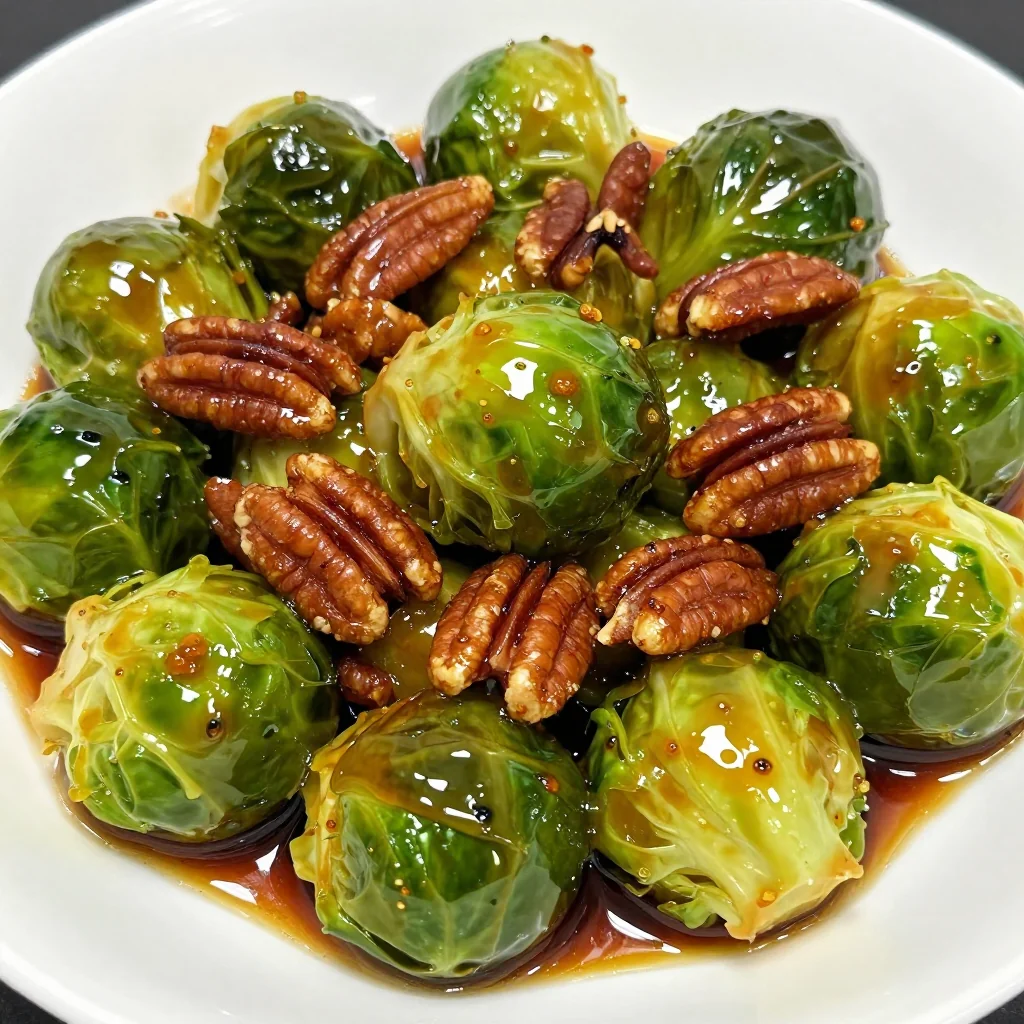
- Garlic‑Roasted Brussels Sprouts: Their caramelized edges echo the stew’s richness.
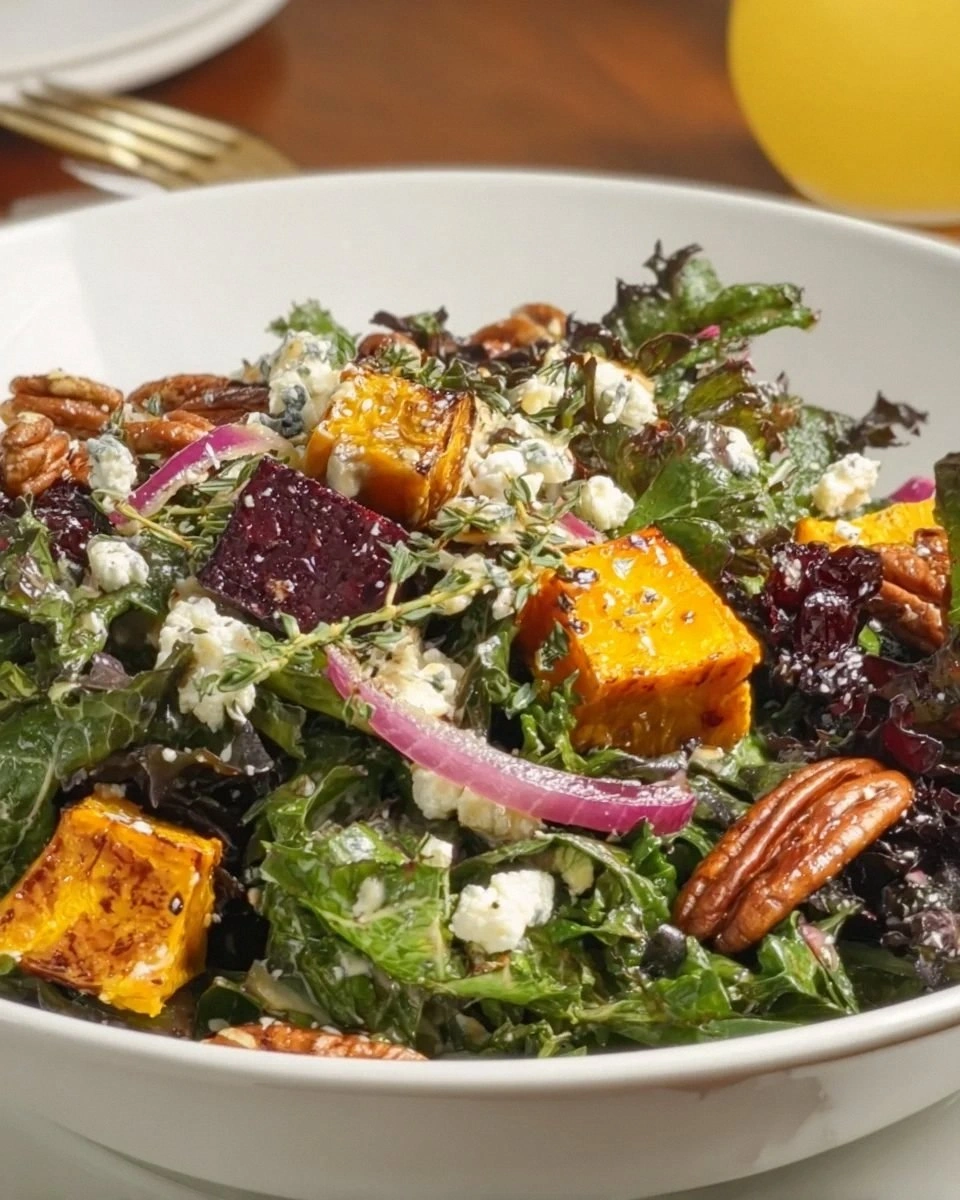
- Warm Kale Salad with Lemon Vinaigrette: Adds a bright, acidic counterpoint.
- Crusty Baguette: Ideal for sopping up the velvety broth.
🍷 Wine & Drinks
- Red Bordeaux: Its firm tannins match the beef’s depth.
- Pinot Noir: Light enough to not overpower the stew’s subtle herbs.
- Non‑alcoholic: Sparkling apple cider with a dash of rosemary.
🍰 To Complete the Meal
Begin with a light winter salad of fennel and orange slices. Follow the stew with a simple poached pear drizzled with vanilla‑infused honey. Finish with a cup of strong espresso to cleanse the palate.
❓ Frequently Asked Questions
Q: Can I use a pressure cooker instead of the oven?
Yes. After browning the beef and deglazing, add all ingredients to the pressure cooker, seal, and cook on high pressure for 35 minutes. Allow natural release for 10 minutes before opening. The texture will be similar, though the flavor development is slightly less nuanced than the slow oven method.
Q: How do I prevent the stew from becoming too salty?
Add only half the intended salt at the start. The broth reduces during cooking, concentrating flavors, including salt. Taste after the first hour of simmering and adjust gradually. Using low‑sodium broth also gives you more control.
Q: What if I don’t have a Dutch oven?
A heavy, lidded stockpot works well. Ensure it distributes heat evenly; if it’s thinner, keep the heat lower to avoid scorching. A cast‑iron skillet with a tight‑fitting lid is another alternative.
Q: My stew looks watery; how can I thicken it?
Mix 2 tbsp of flour with an equal amount of cold water to create a slurry, then whisk it into the simmering stew. Allow 10 minutes for the sauce to thicken. Alternatively, mash a few of the potatoes against the side of the pot and stir them in.
Q: Can I make this recipe ahead of time?
Absolutely. Prepare the stew a day in advance; the flavors will meld and improve. Reheat gently before serving, adding a splash of broth if needed to loosen the sauce.
Q: How can I adapt the recipe for a low‑fat diet?
Trim excess fat from the beef after searing, use a leaner cut such as sirloin tip, and replace sour cream with a low‑fat Greek yogurt. Increase the proportion of carrots and potatoes to keep the dish satisfying.
🎉 To Your Kitchen!
This cozy winter stew embodies the spirit of comfort cooking—rich, hearty, and brimming with layers of flavor that develop slowly, rewarding patience with every bite. Whether you’re feeding a family of six or adjusting for a smaller gathering, the built‑in portion adjuster makes scaling effortless. The combination of tender beef, sweet carrots, and a silky wine‑infused broth creates a dish that feels both rustic and refined.
I hope you enjoy preparing and sharing this recipe as much as I do. Feel free to experiment with the variations, leave your thoughts in the comments, and let the aromas fill your home with warmth.
Have you tried this recipe?
Leave a comment and rating below! Share your photos on Instagram with #WinterStewMagic to be featured.
Cozy Winter Dinner Recipes for Cold February Nights
A soul‑warming beef stew that turns frosty evenings into unforgettable feasts.
📝 Ingredients
Stew
Garnish
Thickening (optional)
👨🍳 Instructions
- 1 Pat the beef dry, season, and sear in batches until browned.
- 2 Deglaze with red wine, reducing by half.
- 3 Return beef, add vegetables, broth, and aromatics; bring to a boil.
- 4 Cover and bake at 150 °C for 2 hours.
- 5 Check tenderness; if needed, thicken with flour slurry.
- 6 Remove bay leaf, garnish with parsley and sour cream.
- 7 Serve hot with crusty bread.
- 8 Store leftovers as instructed.
- 9 Reheat gently before the next serving.
- 10 Enjoy the comforting flavors of winter!
🥗 Nutritional Information (per serving)
*Values are estimates based on ingredient quantities.
📚 You Might Also Like
Classic Coq au Vin
Rustic Lamb Tagine
Mushroom Barley Soup




💬 Comments & Reviews
Leave a Comment
Comments will appear here once readers share their thoughts.