I still remember the day I ruined Thanksgiving. There I was, standing in my tiny kitchen with smoke billowing from the oven, three side dishes in various states of disaster, and my mother-in-law arriving in twenty minutes. The turkey looked like it had been through a desert sandstorm, the mashed potatoes had turned into wallpaper paste, and I was ready to fake a sudden illness. But then my best friend Sarah showed up with this incredible harvest salad that saved the entire meal. The moment she walked through the door, the aroma of roasted vegetables and fresh herbs cut through the chaos like a lighthouse beam through fog. Everyone forgot about my culinary catastrophes and dove into that bowl of autumnal perfection. I begged her for the recipe, and she laughed saying it was just whatever she had in her fridge. That night, I became obsessed with recreating that magic, and after countless iterations, I've finally cracked the code.
Picture this: it's a crisp October afternoon, you're wearing your favorite oversized sweater, and the smell of maple and thyme is wafting through your kitchen. The leaves are turning outside your window, and you're about to create something that tastes like fall decided to throw a party in your mouth. This isn't just another salad recipe to bookmark and forget about. This is the salad that converted my carnivore husband into a salad enthusiast. The one that made my nephew, who thinks vegetables are poison, ask for seconds. The one that I bring to every potluck and watch people hover around the bowl like vultures, waiting for their turn to attack.
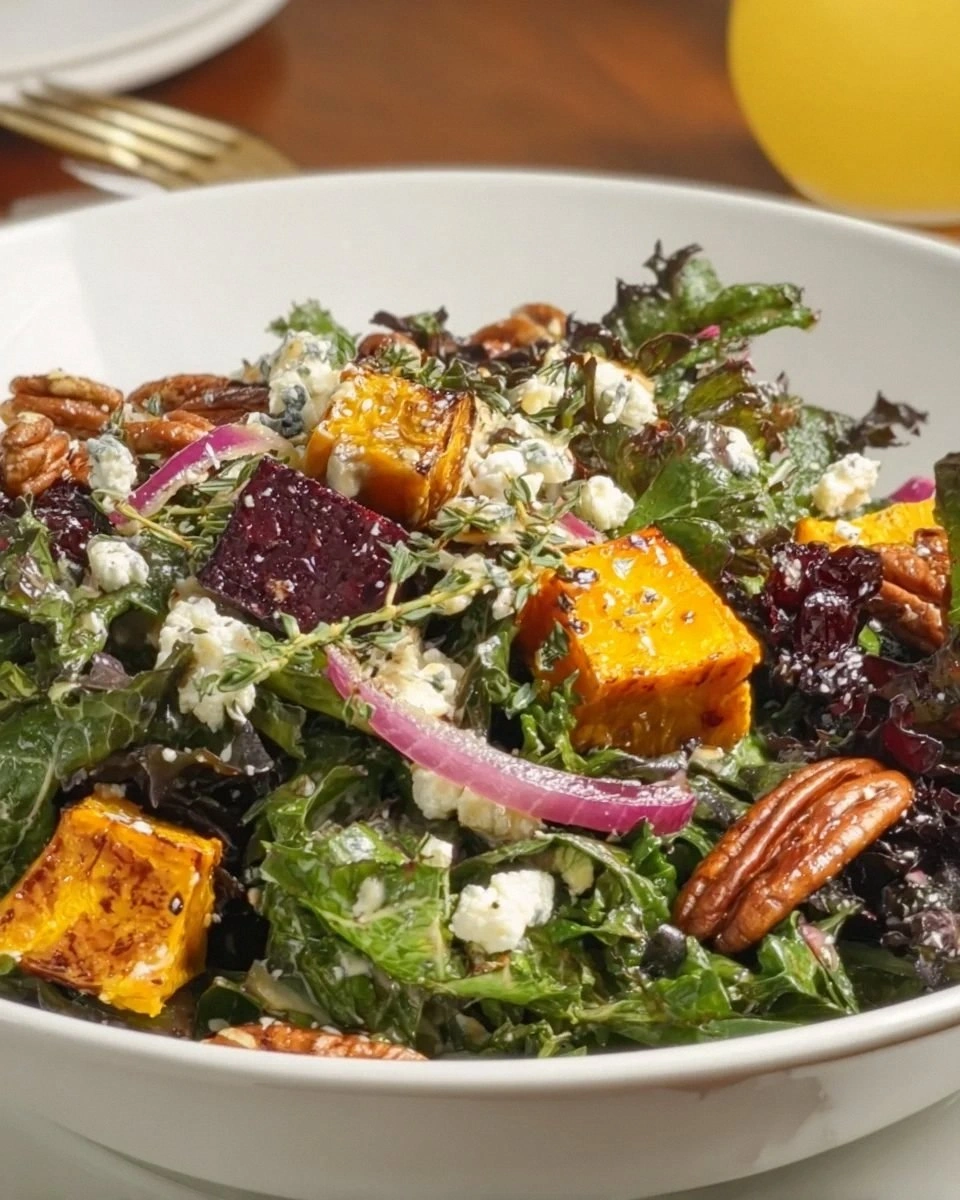
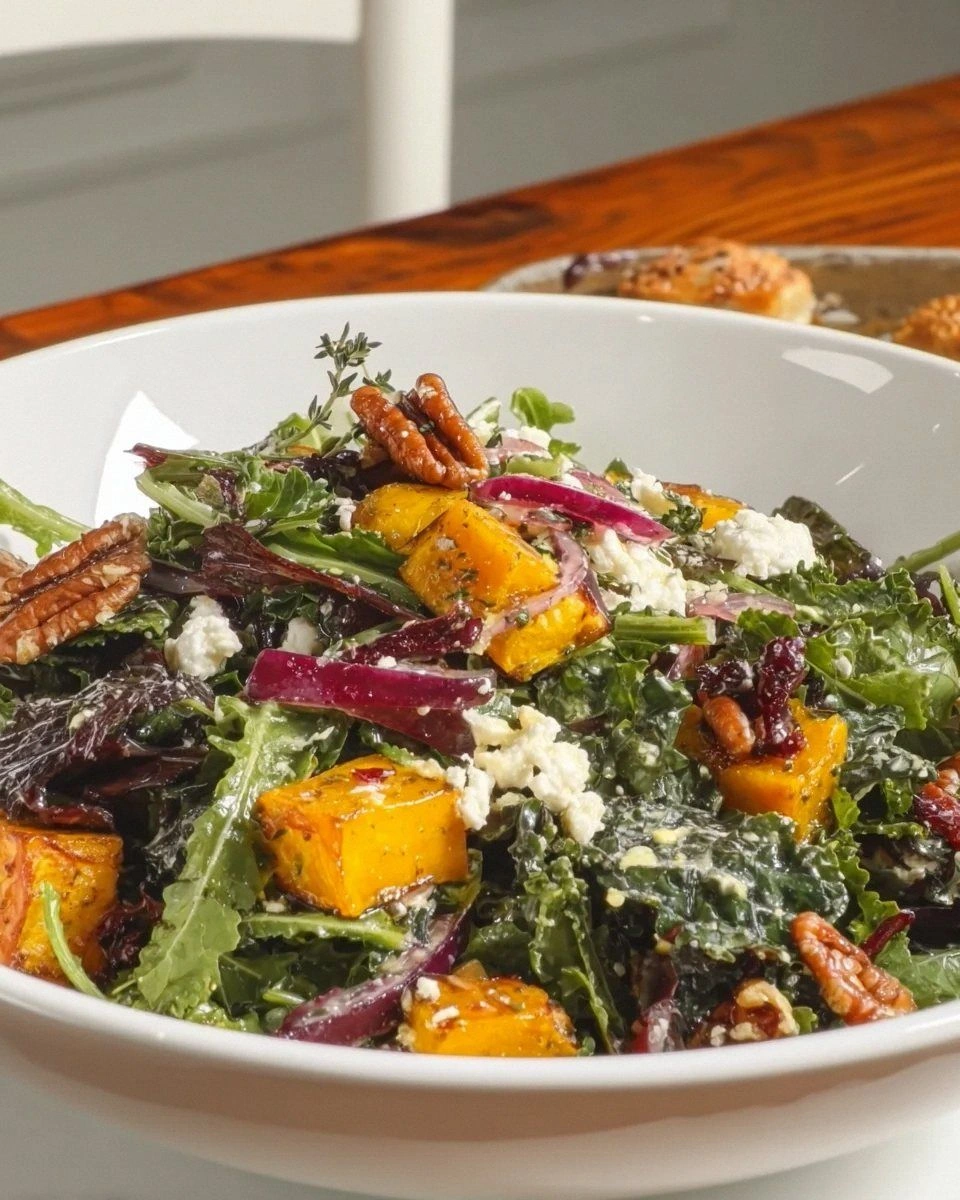
What makes this harvest salad different from the thousands of autumn recipes flooding Pinterest right now? It's all in the balance, my friend. Most recipes throw together some roasted squash, call it "harvest," and leave you with a soggy mess by the time you get to the table. This version combines the sweetness of roasted root vegetables with the peppery bite of arugula, the creaminess of goat cheese, and the crunch of candied pecans. But here's the real game-changer: the lemon thyme dressing that ties everything together in a way that makes your taste buds stand up and applaud.
Let me walk you through every single step — by the end, you'll wonder how you ever made it any other way.
What Makes This Version Stand Out
Flavors that Actually Work Together: Most harvest salads taste like someone emptied their produce drawer into a bowl and hoped for the best. This recipe builds flavors like a symphony, with each ingredient playing its part. The sweetness of roasted butternut squash gets balanced by the tang of goat cheese, while peppery arugula cuts through the richness of maple-glazed pecans.
Texture That Keeps You Coming Back: Every forkful delivers a different sensation — the soft roasted vegetables, the slight crunch of toasted seeds, the creamy cheese, and those addictive candied pecans that shatter like thin ice between your teeth. I dare you to taste this and not go back for seconds.
Make-Ahead Magic: Unlike those sad desk salads that wilt into mush by lunch time, this beauty actually improves as it sits. The hardy greens can handle the dressing, and the roasted vegetables only get more flavorful. Picture yourself pulling this out of the fridge tomorrow, the whole kitchen smelling incredible even before you take a bite.
Restaurant Quality at Home: This is hands down the best version you'll ever make at home, and I'm not just saying that. I've served this to actual chefs who asked if I secretly went to culinary school. The secret? It's not about fancy techniques — it's about understanding how ingredients behave together.
Seasonal Flexibility: While it's perfect for fall, this recipe adapts to whatever's fresh at your market. Swap in roasted beets for butternut squash, use pears instead of apples, or throw in some roasted Brussels sprouts when they're in season. If you've ever struggled with using up CSA box vegetables, I've got the fix.
The Dressing That Changes Everything: That lemon thyme vinaigrette isn't just another oil-and-vinegar situation. It's bright, herbaceous, and has just enough honey to balance the acid without making the whole thing taste like dessert. Most recipes get this completely wrong — they either go too sweet or too tart. Here's what actually works.
Inside the Ingredient List
The Foundation Builders
Let's start with the star of the show: butternut squash. You want one that's heavy for its size with a matte skin — shiny skin means it's underripe. The squash should feel dense, like it means business. Cut it into uniform 1-inch cubes so they roast evenly. If you skip the uniform sizing, you'll end up with some pieces mushy while others are still crunchy in the middle, and nobody wants that textural confusion.
The arugula base matters more than you'd think. Those delicate baby arugula leaves from the plastic clamshell? Skip them. They wilt faster than my resolve during Girl Scout cookie season. Look for the heartier, more mature arugula sold in bunches. It has a peppery bite that stands up to the roasted vegetables and won't turn into a sad, soggy mess when you dress it.
The Sweet and Crunchy Crew
Honeycrisp apples are non-negotiable here. I know, I know — they're expensive and you could buy three Gala apples for the price of one Honeycrisp. But here's the thing: Honeycrisp apples stay crisp in the salad, have the perfect sweet-tart balance, and don't brown as quickly as other varieties. When you bite into them, they snap like a fresh cucumber, releasing little bursts of juice that complement the roasted vegetables perfectly.
The pecans need special attention. Sure, you could throw some raw pecans on top and call it a day, but that's like wearing sweatpants to a wedding — technically acceptable but deeply disappointing. We're making candied pecans here, which sounds fancy but takes exactly six minutes. The maple syrup creates a thin, shattery coating that makes these nuts absolutely addictive. I'll be honest — I ate half the batch before anyone else got to try it.
The Creamy Dream Team
Goat cheese selection trips up more people than IKEA furniture instructions. You want fresh goat cheese, not aged. The fresh stuff is creamy, tangy, and crumbles beautifully over the warm vegetables. Aged goat cheese is firmer and more pungent — save that for your cheese board. When buying, look for chèvre that's bright white and has a clean, tangy smell. If it smells like gym socks, keep walking.
Pomegranate arils are the jewels in this crown. They add pops of tart sweetness and visual appeal that make people think you really have your life together. Buy a whole pomegranate and extract them yourself — the pre-packaged ones are always mushy and expensive. Plus, there's something meditative about popping out those ruby seeds while listening to your favorite podcast.
The Unexpected Game-Changers
Pumpkin seeds might seem like an afterthought, but they deliver the earthy flavor that ties everything to autumn. Toast them in a dry pan until they start popping like tiny fireworks. That sound? Absolute perfection. They add a nutty depth that complements the sweet vegetables and provides another layer of crunch that keeps each bite interesting.
Fresh thyme is crucial for the dressing. Dried thyme tastes like dusty disappointment in comparison. The fresh stuff has these incredible essential oils that make the lemon sing and the whole salad taste alive. Strip the leaves by running your fingers backwards down the stem — it's oddly satisfying and you'll smell like an Italian grandmother for the rest of the day.
The Method — Step by Step
- Preheat your oven to 425°F and position a rack in the middle. This temperature is crucial — lower and your vegetables steam instead of caramelize, higher and they burn before cooking through. While it's heating, line your darkest baking sheet with parchment paper. The parchment prevents sticking and makes cleanup easier, but the dark sheet is what gives you those gorgeous browned edges that make people think you're a culinary genius.
- Peel and cube your butternut squash into 1-inch pieces. This next part? Pure magic. Toss the squash with olive oil, salt, pepper, and a pinch of cinnamon. The cinnamon enhances the natural sweetness without making it taste like pumpkin pie. Spread it in a single layer with space between pieces — overcrowding is the enemy of caramelization. Roast for 25-30 minutes, flipping once halfway through.
- While the squash roasts, let's candy those pecans. In a dry skillet over medium heat, toast the pecans for 2-3 minutes until they smell nutty and start to darken slightly. Stay with me here — this is worth it. Add the maple syrup and a pinch of salt, stirring constantly. The syrup will bubble and thicken, coating the nuts in a glossy sheen. When most of the liquid has evaporated and the nuts look sticky, spread them on parchment to cool. They'll crisp as they cool.
- Okay, ready for the game-changer? Let's make the lemon thyme dressing. In a jar with a tight-fitting lid, combine fresh lemon juice, lemon zest, minced shallots, honey, Dijon mustard, fresh thyme leaves, salt, and pepper. Let this sit for 5 minutes so the shallots mellow. Then add your best olive oil — this isn't the time for the cheap stuff. Screw on the lid and shake like you're trying to win a maraca contest. The dressing should emulsify into a creamy, herb-flecked vinaigrette that smells like a Mediterranean hillside.
- Now for the apples — the moment of truth. Core and dice your Honeycrisp apple into ½-inch pieces. To prevent browning without that weird lemon juice taste, submerge them in cold salted water for 5 minutes. The salt creates a barrier against oxygen but doesn't affect the flavor. Drain and pat dry before adding to the salad. This keeps them crisp and bright for hours.
- Toast the pumpkin seeds in the same skillet you used for pecans — no need to wash it. Medium heat, no oil, just shake the pan occasionally until they start popping. They'll go from toasted to burnt faster than a matchstick, so don't walk away. When they're golden and fragrant, tip them onto a plate to cool. Don't leave them in the hot pan or they'll keep cooking and turn bitter.
- Time to build the masterpiece. In your largest bowl, create a bed of arugula. Don't be stingy — it wilts down when dressed. Add the warm roasted squash, which will slightly wilt the arugula and release its peppery aroma. Scatter the diced apples, crumble the goat cheese with reckless abandon, and shower the whole thing with those glorious candied pecans and toasted pumpkin seeds.
- And now the fun part. Drizzle with about two-thirds of the dressing — you can always add more, but you can't take it away. Toss gently with your hands, lifting from the bottom to avoid bruising the arugula. The warm squash will slightly melt the goat cheese, creating these creamy pockets of tangy goodness throughout. Taste and add more dressing if needed. The leaves should be glossy but not swimming in vinaigrette.
- Transfer to a serving platter or individual plates, making sure to get some of everything in each portion. Those candied pecans have a way of settling at the bottom, and trust me, that's where the treasure is. Finish with a final sprinkle of pomegranate arils, a few cracks of fresh black pepper, and maybe an extra drizzle of good olive oil if you're feeling fancy.
That's it — you did it. But hold on, I've got a few more tricks that'll take this to another level...
Insider Tricks for Flawless Results
The Temperature Rule Nobody Follows
Here's what actually works: serve this salad with the vegetables still slightly warm, not hot. When roasted vegetables come straight from the oven, they're too soft and can make the greens wilt into submission. Let them cool for about 5 minutes — just enough to take the edge off while keeping that roasted flavor. This temperature sweet spot makes the goat cheese melt slightly into the warm vegetables while keeping the arugula perky and bright.
Why Your Nose Knows Best
A friend tried skipping the fresh thyme once — let's just say it didn't end well. Dried herbs have their place, but this isn't it. Fresh thyme has these incredible aromatic compounds that wake up when you bruise the leaves, releasing oils that make the lemon in the dressing taste brighter and the whole salad taste alive. Rub the leaves gently between your fingers before adding them to the dressing. Your nose should immediately pick up woodsy, slightly minty notes. If it doesn't smell like anything, your thyme is too old.
The 5-Minute Rest That Changes Everything
After you dress the salad, let it sit for exactly five minutes before serving. This isn't lazy cooking — it's strategic. During this brief rest, the dressing slightly wilts the arugula, making it more tender and allowing the flavors to meld. The salt in the dressing draws out moisture from the vegetables, creating a natural sauce that coats every leaf. But don't go beyond five minutes or you'll have sad, soggy greens that no amount of Instagram filtering can save.
The Crunch Preservation Society
Here's the thing about candied nuts: they're humidity's best friend and your worst enemy. If you live somewhere humid, make them the day you plan to serve. Store them in an airtight container with a packet of silica gel (save those from vitamin bottles) to absorb moisture. If they do get soft, spread them on a baking sheet and pop them in a 250°F oven for 5-7 minutes. They'll crisp right back up and no one will know you didn't plan this perfectly.
The Cheese Crumbling Conspiracy
Stop trying to crumble cold goat cheese — it's an exercise in frustration and broken dreams. Let it sit at room temperature for 15 minutes before crumbling. Better yet, buy goat cheese logs, not the pre-crumbled stuff. The pre-crumbled cheese is coated with anti-caking agents that prevent it from melting into those creamy pockets that make this salad special. When properly softened, goat cheese crumbles into soft, irregular pieces that cling to the other ingredients instead of bouncing off like rubber bullets.
Creative Twists and Variations
This recipe is a playground. Here are some of my favorite ways to switch things up:
The Winter Wonderland Version
Replace the butternut squash with roasted golden beets and add segments of blood orange for a citrusy punch. Swap the goat cheese for crumbled blue cheese if you're feeling brave, and use toasted hazelnuts instead of pecans. The dressing gets a splash of sherry vinegar and a touch of maple syrup. This version tastes like winter in the best possible way — earthy, bright, and sophisticated enough for New Year's Eve dinner.
The Summer Harvest Remix
Who says harvest salads are just for fall? Swap the squash for grilled peaches and nectarines, use fresh mozzarella pearls instead of goat cheese, and add handfuls of fresh mint and basil. The dressing gets lime juice instead of lemon, and you finish with a drizzle of balsamic reduction. Serve it alongside grilled salmon and watch people question everything they thought they knew about seasonal eating.
The Protein Powerhouse
Turn this into a complete meal by adding sliced grilled chicken or, even better, warm lentils cooked with garlic and bay leaf. The lentils add earthy depth and make this substantial enough for dinner on its own. Add some crumbled bacon if you're not feeding vegetarians, and you've got a salad that even the most salad-skeptic will devour. I served this version at a backyard barbecue and watched grown men fight over the last serving.
The Mediterranean Detour
Replace the maple syrup in the dressing with honey and add a tablespoon of za'atar. Swap the pecans for toasted pine nuts, use feta instead of goat cheese, and add a handful of chopped fresh mint. Instead of butternut squash, roast cauliflower florets with paprika and cumin. Suddenly you've got a salad that tastes like a sun-drenched afternoon in Greece, even when it's raining cats and dogs outside your window.
The Breakfast-for-Dinner Mashup
Stay with me here — this is worth it. Add a soft-boiled egg on top of each serving, letting the warm yolk create a sauce when you break it. Use bacon fat instead of olive oil for roasting the vegetables, and add some crispy bacon pieces to the mix. The maple in the candied pecans suddenly makes perfect sense with the breakfast theme. It's like someone took all the best parts of a country breakfast and turned them into something you can actually feel good about eating.
The Dessert Salad Plot Twist
For a dessert version that still feels virtuous, roast pears instead of squash, use candied walnuts with brown sugar and cinnamon, add dried cherries, and serve over a bed of baby spinach. The dressing becomes a honey-lime vinaigrette, and you finish with a crumble of gorgonzola. It's sweet enough for dessert but still technically a salad, which means you can have your cake and eat it too — or in this case, your salad and call it dessert.
Storing and Bringing It Back to Life
Fridge Storage
Here's the beautiful thing about this salad: it stores better than most. The sturdy arugula can handle being dressed, unlike delicate lettuces that turn to mush. Store leftovers in an airtight container for up to 3 days, but keep the candied pecans separate in a zip-top bag with a paper towel to absorb moisture. When you're ready to eat, let the salad sit at room temperature for 10 minutes — cold salad is sad salad. Add a splash of fresh lemon juice and a drizzle of olive oil to wake everything up, then sprinkle with your preserved pecans.
Freezer Friendly
Most salads laugh in the face of freezing, but you can actually freeze the roasted vegetables for up to 2 months. Spread them on a baking sheet to freeze individually, then transfer to a freezer bag. Thaw overnight in the fridge, then warm them in a 350°F oven for 5-7 minutes. The texture won't be quite the same as fresh-roasted, but it's perfect for a quick lunch. Make a fresh batch of greens and dressing, and you've got a salad that tastes like you planned it all along.
Best Reheating Method
If you've stored the components separately (which I highly recommend), bring everything to room temperature before assembling. Warm the roasted vegetables in a dry skillet over medium heat for 2-3 minutes — just enough to take the chill off and wake up the flavors. Add a tiny splash of water before reheating — it steams back to perfection. The goat cheese should be added cold for contrast, but let it sit on the counter for 5 minutes so it doesn't shock the warm vegetables into submission.