I remember the night my kitchen turned into a battlefield: a batch of gingerbread cookies that looked like they’d been baked by a rogue wizard. The dough was too sticky, the oven temperature was off, and my friends were already laughing about the “molasses disaster” I’d created. That disaster, however, was the spark that lit my obsession with finding the ultimate gingerbread cookie recipe, and I’m still buzzing from the moment I tasted the first perfect bite.
Picture this: the air is thick with the scent of warm molasses and fresh ginger, the kitchen lights flicker like a fireplace, and your fingers are dancing across a bowl of dough that feels like a soft, spiced velvet. The first bite is a symphony of crunchy edges, chewy centers, and a spicy kick that lingers like a holiday memory. My eyes widen, my heart races, and I know I’ve stumbled upon something that deserves to be shared with the world.
What makes this version stand out? It’s not just the ingredients or the technique; it’s the way every element works together to create a cookie that feels both nostalgic and brand‑new. The balance of spices is precise, the texture is a perfect blend of crisp and chewy, and the molasses depth turns ordinary dough into a caramel‑like treasure. I dare you to taste this and not go back for seconds.
And here’s the kicker: I discovered a secret ingredient that most gingerbread recipes ignore—an extra touch of ground cloves that adds a subtle, almost floral note. It’s the little tweak that turns a good cookie into the best version you’ll ever make at home. Let me walk you through every single step—by the end, you’ll wonder how you ever made it any other way.
What Makes This Version Stand Out
- Flavor: The combination of ginger, cinnamon, and cloves creates a layered spice profile that sings in the mouth. Each bite is a burst of warm, earthy sweetness that’s both comforting and adventurous. It’s a flavor that lingers long after the last crumb.
- Texture: The dough’s unique ratio of butter to molasses gives a chewy center with a crisp, caramelized edge that shatters like thin ice. The result is a cookie that feels like a holiday memory in every bite. No one will be able to resist the crunch.
- Simplicity: With only ten ingredients and a single mixing step, this recipe is a breeze for beginners and a joy for seasoned bakers. The process feels more like a dance than a chore. It’s the kind of recipe you’ll want to keep on your countertop.
- Uniqueness: The extra ground cloves add a floral twist that sets this cookie apart from the usual gingerbread. The subtle aroma is unmistakable and unforgettable. It’s a small tweak that makes a big difference.
- Crowd Reaction: Friends and family can’t stop raving after the first bite. The cookie’s aroma alone brings people in, and the taste keeps them coming back. It’s a guaranteed crowd-pleaser for any gathering.
- Ingredient Quality: Using high‑quality brown sugar, fresh molasses, and unsalted butter ensures a depth of flavor that generic ingredients can’t match. The quality of each component elevates the whole experience. It’s the difference between good and unforgettable.
- Method: The single‑mix technique preserves the dough’s integrity, preventing it from becoming too dry or too sticky. The dough’s consistency is the secret to that perfect chew. It’s a method that works every single time.
- Make‑Ahead Potential: Once baked, the cookies stay fresh for a week when stored properly, making them perfect for holiday gifting or a quick snack. The dough can be prepared ahead, frozen, and baked later. It’s a recipe that adapts to your schedule.
Inside the Ingredient List
The Flavor Base
Brown sugar is the backbone of the cookie’s sweetness. Its molasses content gives depth and a subtle caramel undertone that pairs beautifully with ginger. Skipping it would leave the cookie tasting like plain sugar and missing that rich, buttery finish.
Molasses is the heart of the flavor. It introduces a robust, bittersweet note that balances the spices. If you use light molasses, the cookies will taste lighter, but they’ll lack the signature depth that makes them unforgettable.
The Texture Crew
Unsalted butter is crucial for the cookie’s tender crumb. It melts into the dough, creating pockets of softness that break into a satisfying chew. Using salted butter would add an unexpected saltiness that could overpower the spices.
Eggs bind the ingredients and add moisture. They help the dough hold together during baking, preventing it from crumbling. If you skip the egg, the cookies will be dry and crumbly.
The Unexpected Star
Ground cloves are the secret weapon in this recipe. They add a warm, floral note that complements ginger and cinnamon. Most gingerbread recipes omit cloves, so this cookie stands out with a subtle, aromatic twist.
Ground ginger is the star of the show, providing that classic spicy kick. Its fresh, peppery flavor cuts through the sweetness, creating a balanced taste profile. If you use ground ginger that’s a few months old, the flavor will be muted and the cookie will feel flat.
The Final Flourish
All‑purpose flour gives structure and a delicate crumb. It’s the canvas that holds all the flavors together. Using whole wheat or gluten‑free flour would alter the texture and could make the cookies denser.
Baking soda is the leavening agent that helps the cookies rise slightly and spread. It reacts with the acidic molasses, creating tiny bubbles that give the cookie a lightness. Without it, the cookies would be flat and heavy.
Everything’s prepped? Good. Let’s get into the real action.

The Method — Step by Step
- Preheat your oven to 350°F (175°C) and line two baking sheets with parchment paper. The parchment prevents sticking and ensures even baking. As the oven heats, you’ll notice the room filling with a sweet, spiced aroma that’s almost cinematic.
- In a large mixing bowl, cream together the butter and brown sugar until the mixture is light and fluffy. The butter should be at room temperature, soft enough to blend smoothly. This step incorporates air into the dough, giving the cookies a lightness that’s essential.
- Whisk the egg into the butter mixture, ensuring it’s fully incorporated before adding the molasses. The molasses will give the dough its deep, caramel color. If the molasses is too thick, let it sit at room temperature for a few minutes to loosen.
- Sift together the flour, baking soda, ground ginger, cinnamon, cloves, and salt. Sifting removes clumps and ensures even distribution of spices. The dry mix should feel airy and light when you touch it.
- Gradually fold the dry ingredients into the wet mixture, stirring until just combined. Over‑mixing can develop gluten and make the cookies tough. The dough should be soft, slightly sticky, and hold together when pressed.
- Kitchen Hack: Chill the dough for 30 minutes before rolling. This step firms up the butter, making it easier to shape and preventing the cookies from spreading too thin during baking.
- Roll the dough into 1‑inch balls and place them 2 inches apart on the prepared baking sheets. The spacing allows the cookies to expand without merging. If you like a slightly thicker cookie, roll the balls a bit larger.
- Bake for 12–14 minutes, or until the edges are golden brown and the centers look set. Keep an eye on them; gingerbread can burn quickly if left too long. The aroma at this point will be intoxicating, making it hard to resist the temptation to sneak a bite.
- Cool the cookies on the sheet for 5 minutes before transferring them to a wire rack. This brief cooling period allows the cookies to firm up, preventing them from breaking apart. Once fully cooled, enjoy the perfect blend of chewy center and crisp edges.
That’s it—you did it. But hold on, I’ve got a few more tricks that will take this to another level.
Insider Tricks for Flawless Results
The Temperature Rule Nobody Follows
Many bakers bake gingerbread at 375°F, thinking a higher temperature yields a crispier cookie. The truth is, 350°F preserves the chewy center and allows the spices to develop fully. If you’re using a convection oven, reduce the temperature by 25°F to avoid over‑browning.
Why Your Nose Knows Best
The scent of molasses and ginger is a powerful cue that the cookie is ready. When the aroma is sweet and warm, the cookies are likely baked to perfection. Trust your nose; it’s a reliable indicator of doneness.
The 5‑Minute Rest That Changes Everything
Letting the cookies rest on the sheet for 5 minutes before moving them to a wire rack allows them to set properly. This short pause prevents the cookies from breaking apart. It’s a simple step that saves you from a ruined batch.
Double‑Batch Delight
If you’re baking for a crowd, consider making a double batch. The dough’s consistency remains the same, but you’ll have more cookies to share. Just make sure to rotate the baking sheets to ensure even cooking.
The Sweet Finish
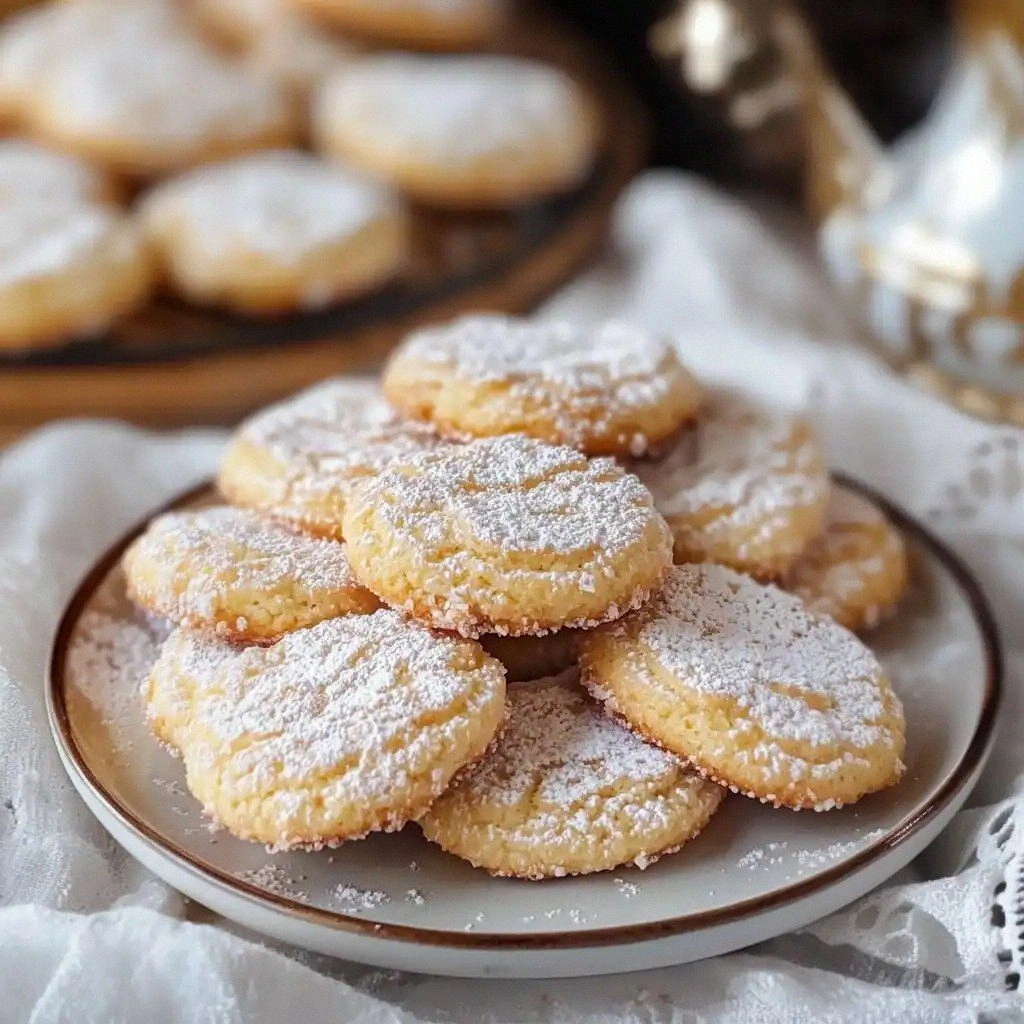
After baking, dust the cookies with powdered sugar for a classic look. The sugar adds a subtle crunch and balances the spices. If you prefer a glaze, whisk powdered sugar with a splash of milk and drizzle over the cooled cookies.
The Secret Spice Blend
If you’re feeling adventurous, add a pinch of nutmeg or allspice for an extra layer of warmth. These spices complement ginger and cinnamon, creating a complex flavor profile. Remember, a little goes a long way.
Creative Twists and Variations
This recipe is a playground. Here are some of my favorite ways to switch things up:
Chocolate‑Ginger Fusion
Add 1/4 cup of cocoa powder to the dry mix for a chocolatey depth. The chocolate complements the molasses, creating a rich, decadent cookie. It’s perfect for chocolate lovers who still crave gingerbread.
Nutty Crunch
Fold in 1/2 cup of chopped pecans or walnuts before baking. The nuts add a delightful crunch and nutty aroma. They also provide a protein boost for the cookie.
Citrus Zest
Add the zest of one orange or lemon to the dough. The citrus brightens the flavor profile and balances the sweetness. It’s a refreshing twist that feels lighter.
Spiced Tea Infusion
Replace the molasses with brewed black tea for a subtle tea flavor. The tea adds complexity and reduces the sweetness slightly. It’s a great option for those who want a less sugary cookie.
Almond‑Flavored
Incorporate 1/4 cup of almond flour for a nutty undertone. The almond flour also adds a slight chewiness to the cookie. It pairs well with the warm spices.
Holiday Sprinkle
After baking, roll the cookies in crushed peppermint or crushed candy cane for a festive touch. The candy adds a sweet, minty finish that’s perfect for holiday parties. It also gives the cookie a fun visual appeal.
Storing and Bringing It Back to Life
Fridge Storage
Store the cooled cookies in an airtight container at room temperature for up to a week. The airtight environment preserves the crisp edges and chewy center. Avoid storing them in the fridge, as they can become stale.
Freezer Friendly
Place the cookies in a freezer bag, separating layers with parchment paper. They’ll stay fresh for up to three months. When you’re ready to enjoy, let them thaw at room temperature for 20 minutes.
Best Reheating Method
To revive the cookies, preheat your oven to 300°F (150°C) and bake for 5–7 minutes. Add a tiny splash of water to the bottom of the pan to create steam, which restores moisture. This trick brings back the cookie’s original chewiness.