The first time I tried to recreate the French onion chicken orzo casserole that my aunt made every Sunday, I had a kitchen catastrophe that still makes me laugh. I burned the onions, the chicken seared into a charcoal slab, and the sauce turned into a thick, unappetizing brown. I stared at the charred mess, feeling the heat of my frustration, and swore I’d never touch a casserole again. But that disaster sparked a mission: to find the ultimate version of this comfort dish, one that would make me and my friends gasp in delight.
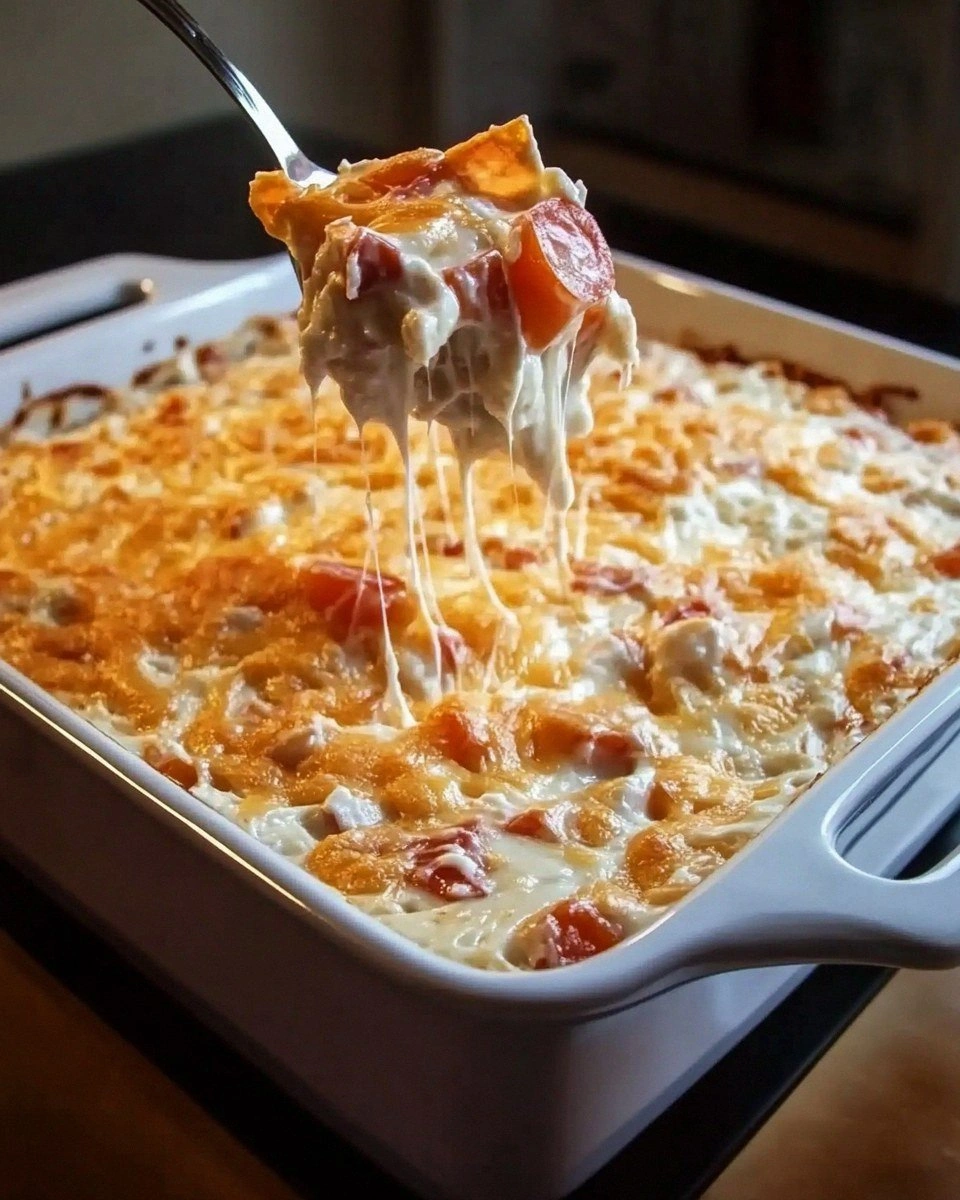
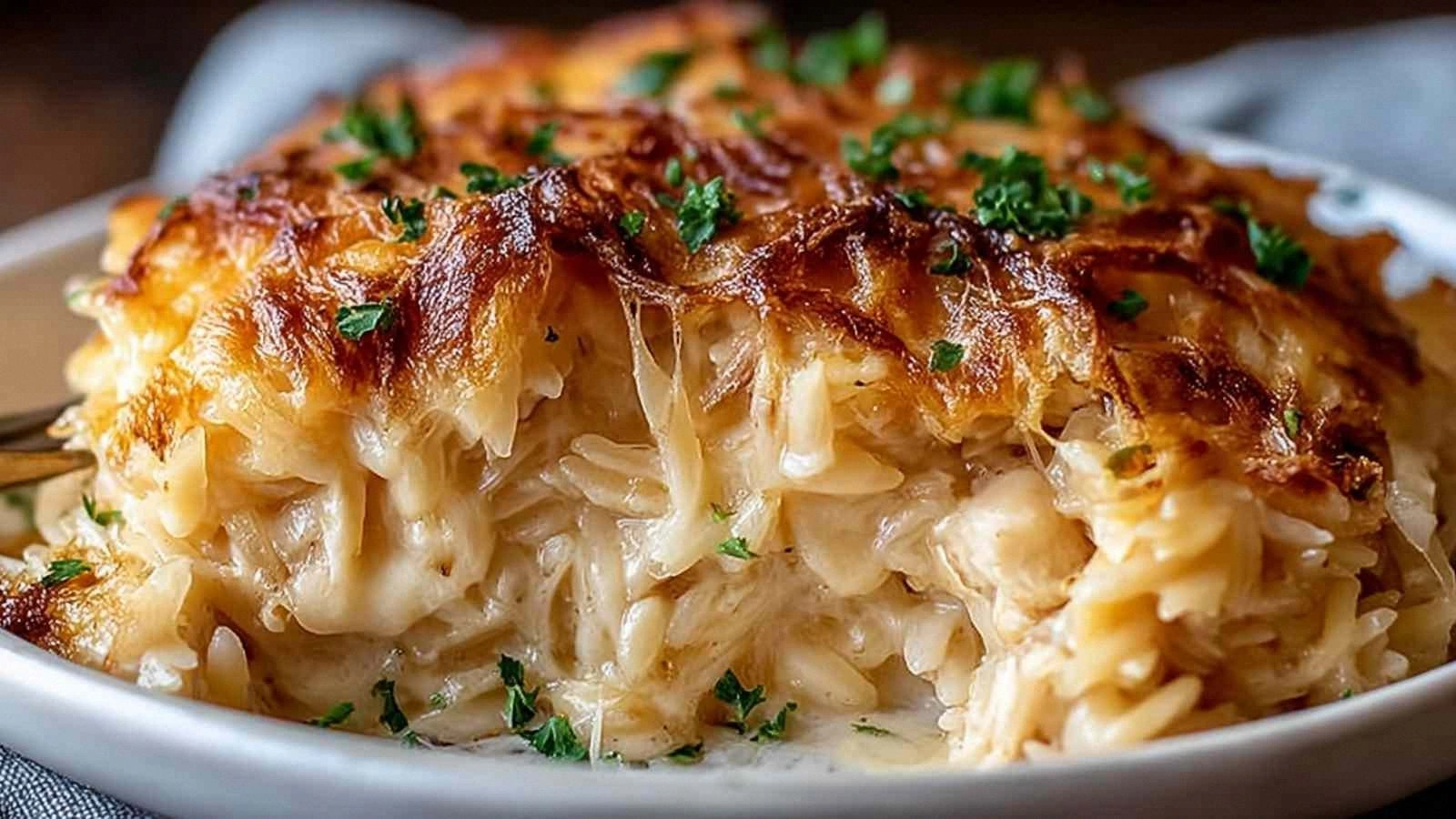
Picture this: the moment you lift the lid, a fragrant cloud of caramelized onions, garlic, and herbs fills the air. Your taste buds are already tingling with anticipation. The sauce is a silky blend of white wine, beef broth, and heavy cream, coating the orzo like velvet. The chicken is juicy, each bite releasing a burst of savory goodness. And the top is a golden, bubbly crust that crackles when you take a spoonful—pure, buttery bliss.
What makes this version stand out is that it’s not just about layering flavors; it’s about crafting a dish that feels like a warm hug. I discovered that a single splash of dry white wine early in the sauté transforms the sauce’s depth, while a dash of thyme balances the sweetness of the onions. The result is a casserole that is richer, more complex, and downright unforgettable. I dare you to taste this and not go back for seconds.
If you’ve ever struggled to get the right balance of sweetness and savory in a casserole, you’re not alone—and I’ve got the fix. Most recipes get this completely wrong. Here’s what actually works: the caramelization of onions, the timing of the sauce, the blend of cheeses. Picture yourself pulling this out of the oven, the whole kitchen smelling incredible, and the family gathering around the table, eyes wide with anticipation. Let me walk you through every single step—by the end, you’ll wonder how you ever made it any other way.
What Makes This Version Stand Out
- Flavor: The caramelized onions provide a deep, sweet foundation that balances the richness of the cheeses and the savory chicken.
- Texture: The orzo remains al dente, offering a pleasant bite beneath a creamy, silky sauce that coats each grain.
- Cheese Blend: Gruyère delivers a nutty, melt‑in‑your‑mouth quality, while Parmesan adds a sharp, salty kick that cuts through the cream.
- Ease: The recipe uses only a handful of ingredients and a single pan, making it a breeze even on busy nights.
- Make‑Ahead: Assemble the casserole, bake, then refrigerate; it reheats beautifully without losing flavor or texture.
- Audience: Whether you’re feeding a family or entertaining friends, the dish scales effortlessly and always impresses.
Inside the Ingredient List
The Flavor Base
The sweet onions are the heart of this casserole. Their natural sugars turn into a golden caramel when cooked slowly, creating a depth of flavor that no stock can match. If you skip them, the dish loses its signature sweetness and becomes flat. For a lighter version, use red onions, but keep the caramelization time to preserve that deep, mellow tone.
Garlic is the second pillar. Two cloves, minced, release a punch of aroma that lifts the entire dish. If you’re a garlic purist, feel free to double the amount, but be mindful that too much can overpower the delicate balance of the cheeses.
Dried thyme brings an earthy, herbaceous note that anchors the sweet and savory elements. A teaspoon is enough to complement the onions without becoming overwhelming. If you have fresh thyme, use it instead; it will add a brighter, greener flavor that pairs wonderfully with the chicken.
The Texture Crew
Orzo pasta is the backbone that holds everything together. One cup of dry orzo yields a generous portion of tender, bite‑worthy grains. If you’re aiming for a gluten‑free version, swap with a rice or quinoa pasta; the cooking time will differ slightly, so keep an eye on the package instructions.
Heavy cream gives the sauce its luscious, velvety texture. Half a cup is perfect for achieving that silky coat without making it too heavy. If you prefer a lighter version, use a mix of half‑and‑half and milk, but the sauce will be less rich.
The cheeses are the crowning glory. One and a half cups of Gruyère melt into a gooey, nutty layer, while a quarter cup of Parmesan adds a sharp, salty finish. If you’re not a fan of Gruyère, Swiss or Fontina can be used; just be aware that the flavor profile will shift slightly.
The Unexpected Star
Dry white wine may seem like an odd addition to a casserole, but it elevates the sauce with subtle acidity and floral undertones. Half a cup is enough to deglaze the pan and lift the caramelized bits into the sauce, creating a cohesive flavor. If you’re avoiding alcohol, replace the wine with an equal amount of chicken broth or a splash of apple cider vinegar for a similar tang.
Beef broth is the liquid backbone that brings everything together. Two cups provide enough moisture for the orzo to cook and for the sauce to thicken without becoming watery. Use low‑sodium broth if you’re watching salt intake, but adjust the final seasoning accordingly.
Fresh thyme or parsley is the finishing touch. It adds a bright, herbal note that cuts through the richness and brightens the dish. If you can’t find fresh herbs, dried herbs work, but use half the amount to avoid overpowering the sauce.
Everything's prepped? Good. Let's get into the real action...
The Method — Step by Step
- Heat a large, oven‑proof skillet over medium heat. Add the 2 tablespoons of butter and 1 tablespoon of olive oil until the butter foams but doesn’t brown. This combination creates a rich base that supports the onions’ caramelization.
- Add the sliced onions and a pinch of salt. Cook, stirring frequently, for about 20 minutes until they’re a deep amber color and fragrant. The slow caramelization is where the dish’s soul is forged.
- Introduce the minced garlic and thyme, cooking for an additional 2 minutes until the garlic releases its aroma. Keep the heat moderate to avoid burning the garlic, which would give a bitter note.
- While the aromatics simmer, dice the 1 lb chicken breasts into bite‑sized cubes. Season lightly with salt and pepper, then add them to the skillet. Sauté until the chicken is just browned on the outside, about 5 minutes.
- Deglaze the pan with ½ cup dry white wine, scraping up any browned bits. Let the wine reduce by half; this concentrates the flavor and eliminates the raw alcohol taste.
- Stir in the 1 cup of orzo, ensuring each grain is coated with the onion‑wine mixture. Add the 2 cups of beef broth and the ½ cup heavy cream, bringing the mixture to a gentle simmer. The liquid should be just enough to cover the orzo.
- Cover the skillet with a lid or foil and bake in a preheated 375°F (190°C) oven for 15 minutes. This step lets the orzo absorb the flavors while the sauce thickens.
- Remove the cover, sprinkle the 1.5 cups Gruyère and ¼ cup Parmesan over the top, then return to the oven uncovered for 10 minutes or until the cheese is melted and lightly browned. The bubbling top is a sign of perfection.
- Garnish with fresh thyme or parsley, then let the casserole rest for 5 minutes before serving. This short rest allows the sauce to set slightly, making each spoonful easier to scoop.
- Serve hot, perhaps with a side of crusty bread to mop up the glorious sauce. The combination of textures and flavors will leave everyone craving more.
That's it — you did it. But hold on, I've got a few more tricks that'll take this to another level...
Insider Tricks for Flawless Results
The Temperature Rule Nobody Follows
Many cooks bake casseroles at 400°F, thinking higher heat equals a crisp top. In reality, 375°F is the sweet spot that allows the cheese to melt evenly while preventing the onions from burning. If you’re using a convection oven, reduce the temperature by 25°F to avoid over‑browning.
Why Your Nose Knows Best
When you smell the onions sizzling, you’re already halfway to the finish line. The aroma signals that the sugars are caramelizing properly. If the scent is weak, the onions need more time; if it’s too sharp, they’re over‑cooked and bitter.
The 5-Minute Rest That Changes Everything
Letting the casserole sit for five minutes after baking allows the sauce to thicken and the flavors to meld. During this rest, the cheese’s molten center will set into a perfect, creamy consistency that’s easier to scoop.
The Secret to a Crispy Top
A sprinkle of breadcrumbs mixed with a touch of melted butter on top before baking adds an extra crunch. The butter melts into the crumbs, creating a golden crust that contrasts beautifully with the silky sauce underneath.
The Cheese Mix Matters
Gruyère alone gives a nutty, savory depth, but combining it with Parmesan adds a sharp, salty edge that cuts through the cream. If you prefer a milder cheese, substitute part of the Gruyère with mozzarella, but be prepared for a less complex flavor profile.
Creative Twists and Variations
This recipe is a playground. Here are some of my favorite ways to switch things up:
Smoky Chipotle Version
Add a teaspoon of chipotle powder to the onions for a subtle smoky heat. Pair with a splash of chipotle‑infused broth for an extra kick. This variation is perfect for those who love a bit of spice without overwhelming the dish.
Mushroom Medley
Sauté sliced mushrooms with the onions for a deeper umami flavor. Use a mix of cremini and shiitake for varied textures. The mushrooms absorb the wine and cream, creating a richer sauce.
Mediterranean Twist
Swap Gruyère for feta and add chopped kalamata olives. Finish with a drizzle of olive oil and a squeeze of lemon. The briny olives and tangy feta bring a bright, Mediterranean flair.
Breakfast Bonanza
Replace the chicken with diced bacon or sausage. Add a handful of chopped spinach for a green boost. Serve with a side of scrambled eggs for a hearty breakfast casserole.
Low‑Carb Edition
Use cauliflower rice instead of orzo. Reduce the broth to keep the dish moist. This version maintains the flavor profile while cutting carbs for a keto‑friendly meal.
Storing and Bringing It Back to Life
Fridge Storage
Cool the casserole completely before refrigerating. Store in an airtight container for up to 4 days. The flavors will deepen, and the cheese will stay creamy.
Freezer Friendly
Wrap tightly in plastic wrap and place in a freezer bag. Freeze for up to 2 months. Thaw overnight in the fridge before reheating.
Best Reheating Method
Reheat in a preheated 350°F oven for 15 minutes, or until hot throughout. Add a splash of water or broth before reheating to keep the sauce from drying out. Finish with a quick broil for a crisp top.