Love this? Pin it for later! 📌
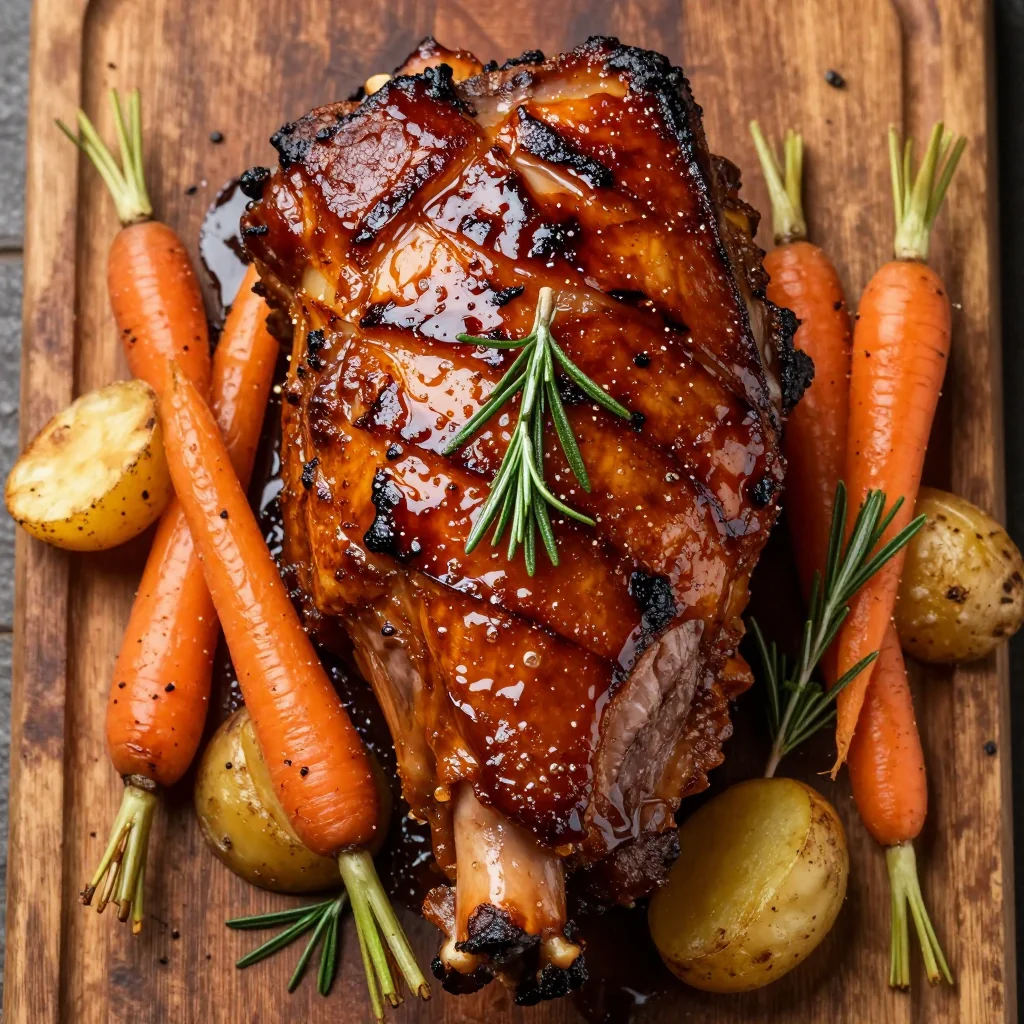
There’s something almost cinematic about a burnished pork roast emerging from the oven on New Year’s Eve—the crackling mahogany crust, the perfume of honey and thyme, the promise that the closing meal of the year will be as memorable as the year itself. I started making this particular Honey Glazed Pork Roast the year my youngest decided she wanted to “stay up until the ball dropped” (she made it to 9:47 p.m. and still claims victory). The meal needed to feel celebratory yet relaxed, impressive enough for guests who drop by after the neighborhood lantern walk, but forgiving enough that I wasn’t shackled to the stove while everyone else played board games and sipped prosecco. One bite of the sticky-sweet glaze, balanced with a whisper of soy and a spike of orange zest, and the whole table went quiet—always the highest compliment. I’ve served it every December 31st since, and the leftovers have become our lucky-lunch tradition on January 1st: thin slices tucked into buttery rolls with a swipe of whole-grain mustard and the last of the champagne. If you’re looking for a centerpiece that tastes like confetti but slices like a dream, this is it.
Why This Recipe Works
- Triple-layer glaze: A quick honey-soy mixture is brushed on every 20 minutes, building a lacquer that caramelizes without burning.
- Reverse-sear method: Low-and-slow cooking keeps the loin juicy, then a final blast at 450 °F creates that crave-worthy crust.
- Built-in pan sauce: Cider, onions, and rendered pork juices reduce while the roast rests—no extra pan or wasted flavor.
- Make-ahead friendly: The glaze can be prepped up to five days early, and the roast can be seasoned the night before.
- New-Year sparkle: A touch of sparkling wine in the marinade gives the meat subtle acidity and celebratory aroma.
- Leftover magic: Cold slices reheat beautifully in a skillet for next-day banh mi or grain bowls.
Ingredients You'll Need
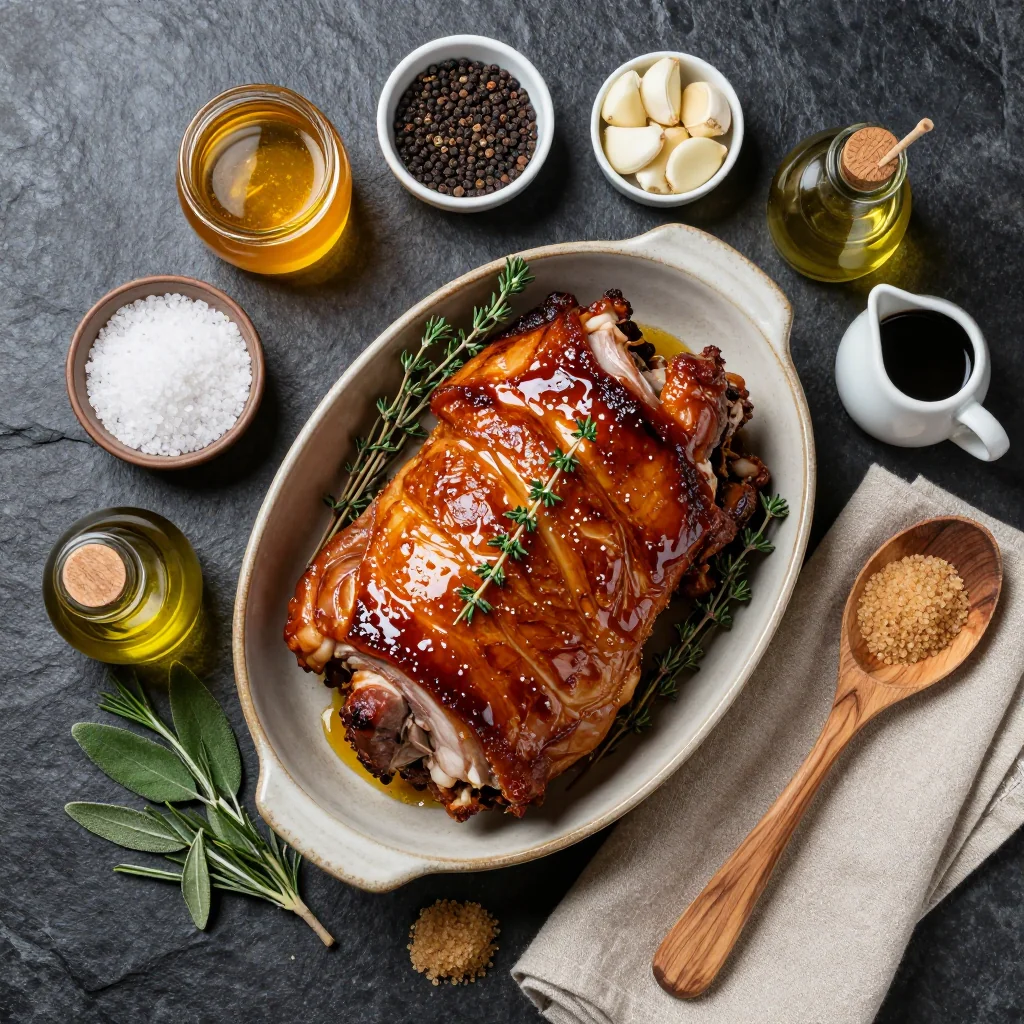
A pork loin roast is the star here, not to be confused with tenderloin. A boneless center-cut loin (about 4 lb) feeds eight generously and retains enough fat to stay moist under the glaze. Look for a rosy, firm piece with a thin cap of ivory fat; avoid anything pale or exuding liquid in the package.
Honey forms the backbone of the glaze. I use a wildflower variety because its floral notes echo the thyme and orange zest. If you only have clover honey, that’s fine—just skip the brown-sugar booster later. Maple syrup is an acceptable swap, though the flavor will lean breakfast rather than banquet.
Soy sauce brings salt and umami. Choose low-sodium so you can reduce the glaze without oversalting. Tamari keeps it gluten-free; coconut aminos work if you avoid soy entirely, but the color will be lighter.
Fresh orange zest & juice brighten the sweet profile. One large navel orange usually yields enough of both. Blood orange, with its berry-like undertone, is spectacular when in season.
Apple cider goes into the roasting pan to create aromatic steam. If your cider is very sweet, cut it with a splash of dry white wine or sparkling brut for balance.
Garlic & thyme perfume the meat. Strip the thyme leaves from woody sprigs; two teaspoons of dried thyme can substitute in a pinch, but reduce the quantity by half.
Whole-grain mustard slips into the glaze at the end, adding pops of seed and gentle heat. Dijon is smoother but still delicious.
Butter finishes the pan sauce, lending silkiness and gloss. Use unsalted so you can control seasoning.
Optional but lovely: a pinch of smoked paprika for campfire nuance, or a crushed Calabrian chile for those who like to greet the new year with a spark on their tongue.
How to Make Honey Glazed Pork Roast for a Special New Year's Celebration
Dry-brine for flavor insurance
Up to 24 hours ahead, pat the pork loin dry with paper towels. Combine 1 Tbsp kosher salt, 1 tsp black pepper, and 1 tsp chopped fresh thyme. Rub all over the roast, set on a wire rack set inside a rimmed baking sheet, and refrigerate uncovered. The dry surface encourages a beautiful crust later; the salt diffuses inward, seasoning every fiber.
Whisk the glaze
In a small bowl combine ½ cup honey, 3 Tbsp low-sodium soy sauce, 2 Tbsp fresh orange juice, 1 tsp orange zest, 1 Tbsp whole-grain mustard, and 1 tsp minced garlic. Reserve ¼ cup of this mixture for finishing; keep chilled.
Sear for color
Remove roast from fridge 45 minutes before cooking. Heat 2 tsp neutral oil in a heavy skillet over medium-high. Sear pork on all sides until deep golden, about 2 minutes per side. This step builds fond (those browned bits) that will flavor the cider bath.
Create the braising bed
Scatter 1 sliced onion, 2 smashed garlic cloves, and 4 thyme sprigs in a roasting pan. Pour in 1 cup apple cider and ½ cup sparkling wine or water. Set a rack over the mixture, lay the seared pork on top, fat-cap up.
Roast low and slow
Preheat oven to 275 °F (135 °C). Insert a probe thermometer into the thickest part. Slide the pan into the oven and roast 1 hour 15 minutes, basting with glaze every 20 minutes.
Crank for crust
When internal temperature reaches 135 °F (57 °C), increase oven to 450 °F (230 °C). Brush one final thick layer of glaze over the top. Roast 8–10 minutes more until the surface bubbles and a thermometer reads 145 °F (63 °C). Tent loosely with foil and rest 15 minutes.
Build the pan sauce
Set roasting pan over two burners on medium heat. Whisk in 1 tsp mustard and 1 Tbsp cold butter; simmer until reduced by a third and lightly syrupy. Strain if you want silky texture; leave the onions for rustic charm.
Slice & serve
Using a long sharp knife, cut between the twine loops into ½-inch slices. Arrange on a platter, drizzle with reserved fresh glaze and a spoonful of pan sauce. Garnish with pomegranate arils for a confetti pop of color.
Expert Tips
Thermometer trust
An instant-read or probe thermometer is non-negotiable. Pork loin moves from blush-pink perfection to shoe leather in minutes.
Baste generously
Don’t fear over-basting—each coat seals in juices while the sugars slowly caramelize. Rotate the pan for even color.
Rest, don’t rush
Resting allows juices to redistribute; the internal temp will rise another 5 °F. Cover loosely—too tight and the crust steams.
Quick chill trick
Leftovers cool faster if you slice first. Refrigerate in shallow containers; the honey glaze keeps meat supple for days.
Fat-cap up
Roasting with the fat side up continuously self-bastes the meat, yielding a juicier result without extra work.
Color pop garnish
Pomegranate seeds, sliced kumquats, or chopped parsley add festive contrast to the glossy mahogany exterior.
Variations to Try
-
Smoked Chile Honey
Stir ½ tsp chipotle powder into the glaze for a warm, smoky backbone that plays beautifully with the sweet.
-
Miso-Honey
Whisk 1 Tbsp white miso into the glaze for extra savoriness; reduce soy to 2 Tbsp.
-
Cranberry Cider Pan Sauce
Swap half the cider for cranberry juice and add a cinnamon stick for winter flair.
-
Herb-crusted
Press ¼ cup finely chopped mixed herbs (rosemary, sage, parsley) into the final glaze layer before the high-heat blast.
Storage Tips
Refrigerate: Cool slices within two hours. Store in an airtight container up to 4 days. Keep pan sauce separate so the crust stays crisp.
Freeze: Wrap individual slices tightly in plastic, then foil, or use a vacuum sealer. Freeze up to 3 months. Thaw overnight in refrigerator.
Reheat: Warm slices in a 300 °F oven, loosely covered with foil and dotted with a spoonful of pan sauce or stock, 12–15 minutes. Microwave works in a pinch—wrap in damp towel and heat at 50 % power to avoid rubbery edges.
Make-ahead: Roast can be cooked, cooled, and refrigerated whole up to two days early. Bring to room temp, brush with fresh glaze, and reheat at 325 °F until center reaches 140 °F.
Frequently Asked Questions
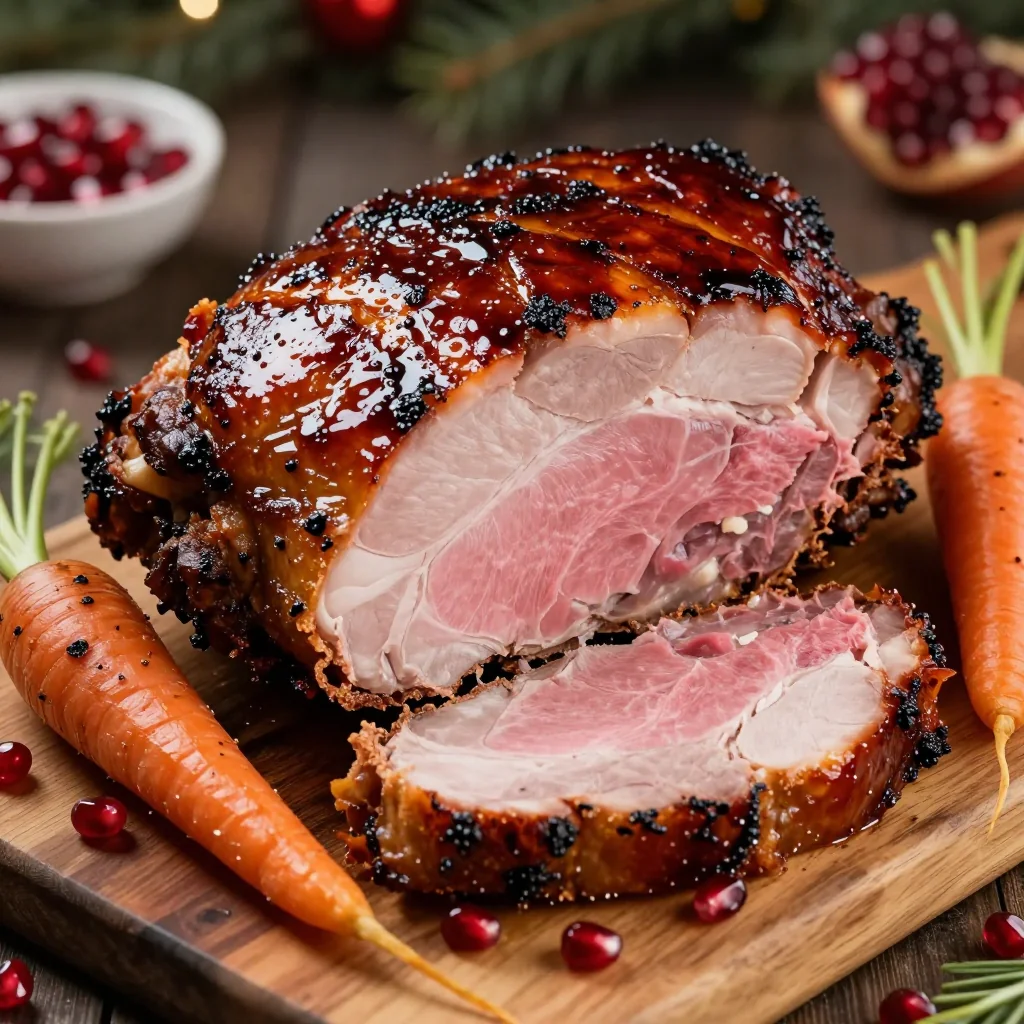
Honey Glazed Pork Roast for a Special New Year's Celebration
Ingredients
Instructions
- Dry-brine: Rub salt, pepper, and thyme over roast; refrigerate uncovered up to 24 hours.
- Make glaze: Whisk honey, soy, orange juice & zest, mustard, and garlic; reserve ¼ cup.
- Sear: Heat oil in skillet; brown pork on all sides, 2 minutes each.
- Roast: Place on rack over cider, wine, onion, thyme in pan. Roast at 275 °F 1 hr 15 min, baste with glaze every 20 min.
- Crust: At 135 °F internal, increase heat to 450 °F, brush thick glaze, roast 8–10 min until 145 °F.
- Rest & sauce: Tent 15 min. Simmer pan juices with butter; strain.
- Serve: Slice, drizzle with reserved fresh glaze and pan sauce.
Recipe Notes
Start the roast early; the low-and-slow method is forgiving. If timing slips, hold finished roast in a 170 °F warming drawer up to 45 minutes.