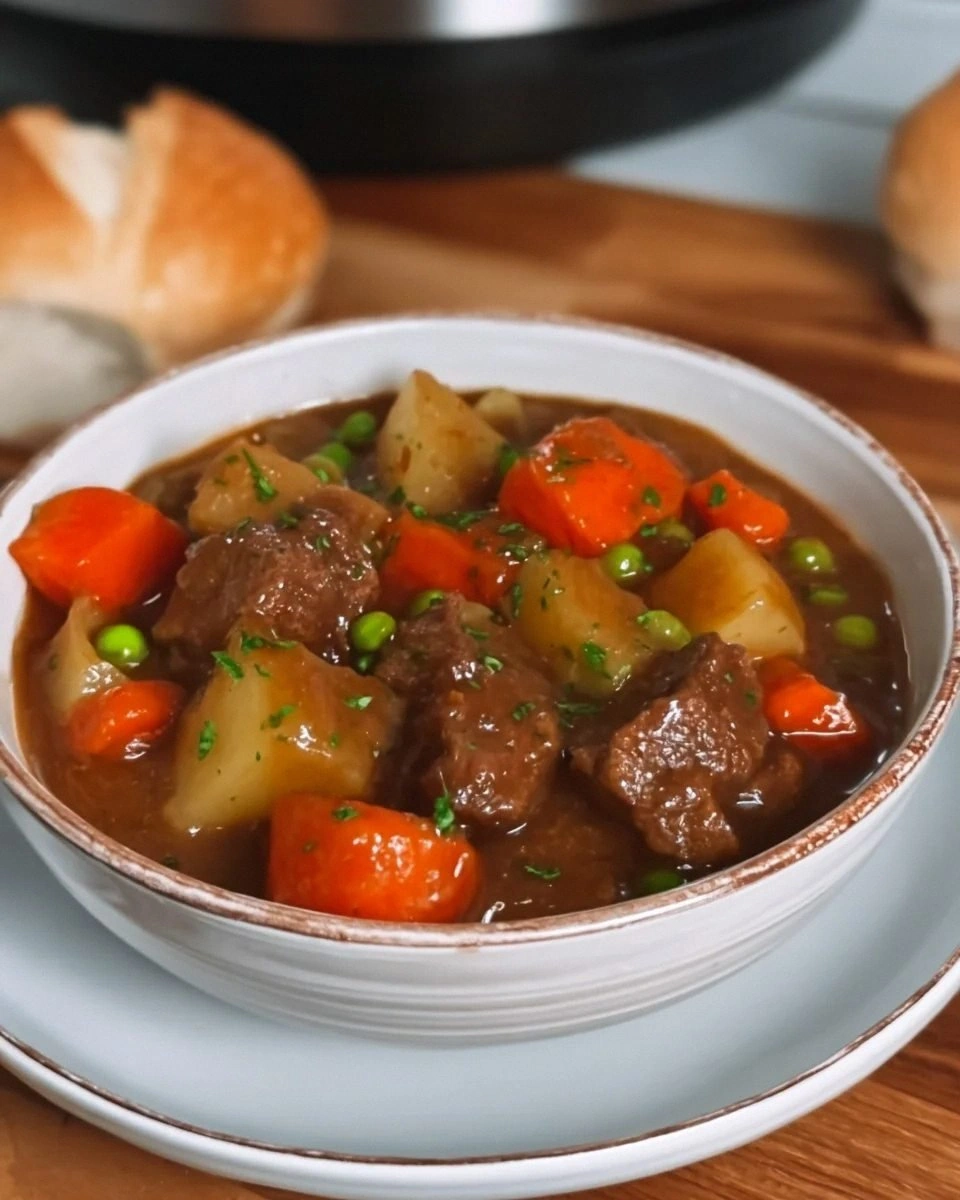
I still remember the Tuesday I nearly set my kitchen on fire trying to make beef stew the "old-school" way. There I was, juggling three heavy pots, a splattering Dutch oven, and a smoke alarm that wouldn't shut up, all while my family texted "Is dinner ready yet?" from the living room. In the chaos, I dumped half a bottle of wine into the wrong pan, scorched the tomato paste, and somehow managed to glue beef cubes to the bottom of my Le Creuset like barnacles on a shipwreck. Fast-forward through a dramatic takeout pizza rescue mission, and there I was at 11 p.m., scrolling through recipes, determined to create a beef stew that would taste like Sunday supper but cook itself while I slept. That night birthed this slow-cooker version: silky gravy, fork-tender beef, vegetables that don't dissolve into baby food, and a depth of flavor that makes you close your eyes involuntarily after the first spoonful.
Picture this instead: you spend ten sleepy minutes browning meat while your coffee brews, toss everything into one ceramic crock, slap on the lid, and walk away. Eight hours later you open the door to a house that smells like a French grandmother moved in and started a braise-off with an Irish pub owner. The aroma wraps around you—first red wine and caramelized onions, then thyme and bay, then that indescribable beefy perfume that makes stomachs growl in harmonious chorus. And the taste? This sauce clings to each cube of chuck like liquid velvet, glossy and rich, but never heavy. Tender carrots surrender under the slightest nudge of your spoon, potatoes absorb the gravy like savory little sponges, and the beef—oh, the beef—breaks into juicy shards that dissolve on your tongue faster than gossip at book club.
Most recipes get this completely wrong. They dump raw flour into the pot and end up with grainy, pasty broth. They add potatoes at the beginning and wind up with beige pebbles. They skip the sear and wonder why the whole thing tastes like cafeteria soup. Here is what actually works: a quick mahogany sear on the meat, a whisper of tomato paste for umami depth, a kiss of flour that toasts in the fat before any liquid appears, and a final shower of frozen peas for a pop of color and sweetness. Stay with me here — this is worth it.
I dare you to taste this and not go back for seconds. I double-dog dare you to serve it to company and have leftovers. I'll be honest — I ate half the batch straight out of the slow-cooker insert before anyone else got wind that dinner was done. Let me walk you through every single step—by the end, you'll wonder how you ever made it any other way.
What Makes This Version Stand Out
- Velvet-Gloss Gravy: A quick roux built right in the searing pan means the sauce thickens silk-smooth, never floury, never watery, just luscious enough to coat the back of a spoon.
- Two-Stage Veg Strategy: Root vegetables cook low and slow, but frozen peas go in at the end so you get bright contrast instead of army-green mush.
- Smoked Paprika Sneak Attack: Half a teaspoon brings campfire depth without anyone identifying the smoky culprit—it's your little secret.
- Red-Wine Deglaze Magic: One glug lifts every caramelized bit, turning the broth ruby-tinged and restaurant-level complex.
- Hands-Off Brilliance: Ten minutes of morning effort buys you a finished dinner that sits patiently waiting, never overcooking, never needy.
- Next-Level Leftovers: The flavors marry overnight so Tuesday's lunch tastes even better, and the stew freezes like a dream for future you.
Alright, let's break down exactly what goes into this masterpiece...
Inside the Ingredient List
The Flavor Base
Chuck roast is the undisputed heavyweight champion of long, slow cooking. Its generous marbling melts into unctuous gelatin, turning the cooking liquid into a sauce that coats your tongue like silk pajamas. Skip the lean sirloin; it dries out faster than gossip in a small town. Look for deep-red meat threaded with white fat, then trim the bigger silverskin chunks but leave the marbling—fat equals flavor insurance. Cut the cubes a generous inch; shrinkage is real, and you want beefy bites, not beefy pebbles.
Yellow onions build the aromatic backbone. They soften into jammy sweetness, adding body without any discernible oniony bite by the end. Dice medium-small so they melt into the gravy but don't disappear entirely. If you've only got sweet onions, halve any added sugar later; balance matters.
The Texture Crew
Carrots contribute double duty: earth-sweet flavor and a pop of color against the mahogany sauce. Cut them thick on the bias; coins turn to mush, but fat oval slices keep their dignity. Baby carrots work in a pinch, but they lack the same vegetal complexity—grown-up carrots taste like they tried harder in life.
Gold potatoes hold their shape better than russets, which dissolve like tissue paper. Their thin skins soften enough to eat, saving you a peeler and adding rustic charm. Leave them golf-ball size; halve or quarter so each piece has a flat edge to caramelize against the crock if you peek mid-cook.
The Unexpected Star
Tomato paste is the stealth flavor bomb. A mere tablespoon blooms in the hot fat, adding savory depth that shouts "cooked all day" without screaming "tomato soup." Let it rust-colored edge before any liquid joins the party; that caramelization is pure umami gold.
Smoked paprika sounds minor but delivers campfire swagger without liquid smoke's chemical aftertaste. Hungarian sweet paprika won't substitute—you want the smoky stuff. Trust me, your broth will taste like it spent an afternoon in a barbecue pit, and no one will guess the trick.
The Final Flourish
Frozen peas added in the last ten minutes bring candy-sweet bursts and emerald flecks. They thaw instantly in the hot stew, cooling each spoonful just enough to scarf without burning your tongue. Skip canned peas; they're already sad and gray.
Fresh thyme leaves strip off the stems easiest if you pinch the top and run fingers downward—nature's Velcro. Dried thyme works but tastes more "pizza seasoning," so use half the amount and add early so the herb rehydrates. Lemon thyme from the neighbor's yard? Even better.
Everything's prepped? Good. Let's get into the real action...
The Method — Step by Step
- Pat the beef cubes bone-dry with paper towels—moisture is the enemy of browning. Heat a heavy skillet over medium-high until a drop of water skitters like a disco dancer across the surface. Add just enough oil to film the bottom, then lay half the meat in a single, uncrowded layer. Let it sear undisturbed for two full minutes; that sizzle when it hits the pan? Absolute perfection. Flip when the edges caramelize to deep mahogany. Repeat with remaining beef, transferring each batch straight into the slow-cooker insert. Those crusty brown bits stuck to the skillet? Liquid gold—don't you dare wash that pan yet.
- Reduce the heat to medium and tumble in the onions with a pinch of salt. Stir, scraping the beefy freckles off the skillet as the onions sweat. When they turn translucent and start to brown at the edges, scoot them to one side, add the tomato paste and flour to the bare pan, and mash them into the oily juices. Cook, stirring constantly, until the paste darkens to brick red and smells like sun-dried tomatoes having a beach party. This two-minute detour erases any raw-flour taste and builds a roux that will thicken the stew silky-smooth later.
- Deglaze with the red wine. It will hiss dramatically, like you're auditioning for a cooking show. Scrape every last browned speck up with a wooden spoon; if you've ever struggled with this, you're not alone—and I've got the fix. Let the wine bubble until reduced by half and the raw alcohol aroma drifts away, leaving behind a glossy purple glaze. Pour this whole fragrant mixture over the waiting beef in the slow cooker.
- Add the stock, Worcestershire, paprika, thyme, and bay leaf. The liquid should just barely cover the meat; add a splash more stock or water if your slow cooker runs hot and loses a lot of steam. Give everything a gentle fold, like you're tucking in a cozy stew blanket. Resist the urge to taste now—raw flour needs time to cook out.
- Scatter the carrots and potatoes on top. This layering keeps them from sinking and scorching against the hot bottom. Season with a confident shower of salt and a few cracks of black pepper. Pop the lid on, set the cooker to LOW for 8 hours, and walk away. Go to work, binge Netflix, solve world peace—this pot's got dinner handled.
- Okay, ready for the game-changer? After six hours, remove the lid, give a cautious sniff (prepare for knee-weakening aroma), and float the frozen peas across the surface. Replace the lid immediately so trapped heat thaws them gently. They will turn bright green and stay plump instead of army-green and mushy. Timing matters; ten minutes is the sweet spot.
- When the timer dings, fish out the bay leaf—it's done its laurel-duty and becomes a choking hazard if left in. Stir in the vinegar; it lifts the whole flavor like a squeeze of lemon on roasted chicken. Taste and adjust salt; slow cookers can mute seasoning, so be bold.
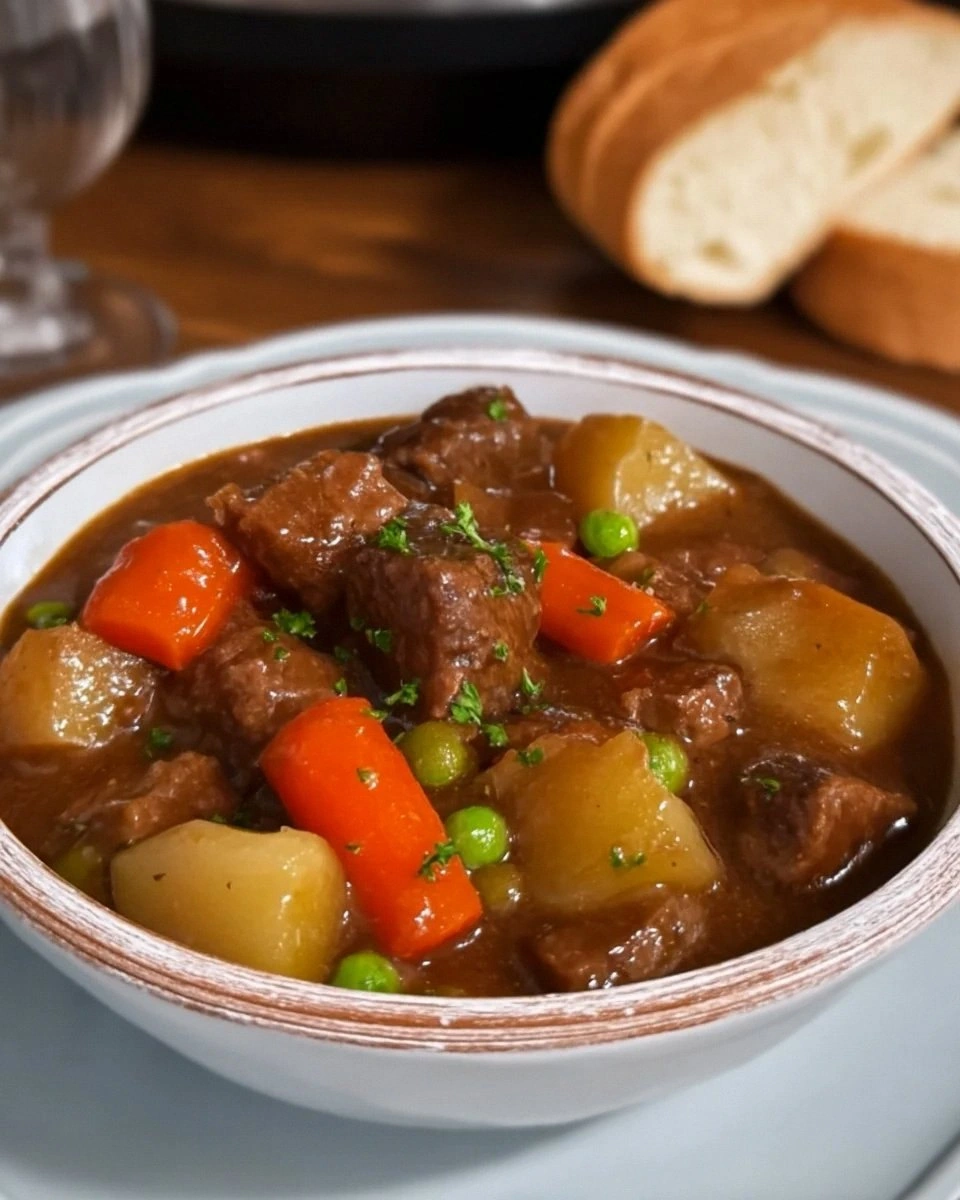
- Ladle into deep bowls, letting the gravy cascade over buttered crusty bread if you're feeling indulgent. Garnish with a flurry of chopped parsley for color and a whisper of freshness. And now the fun part: watch everyone's shoulders drop in relaxation after the first spoonful. That's the sound of winter blues melting away.
That's it—you did it. But hold on, I've got a few more tricks that'll take this to another level...
Insider Tricks for Flawless Results
The Temperature Rule Nobody Follows
Your slow cooker runs differently than your neighbor's. Older models run cooler, newer ones can simmer like a cauldron. If after seven hours the meat isn't spoon-tender, crank to HIGH for the final hour instead of adding liquid—evaporation concentrates flavor. Conversely, if your cooker runs hot and the gravy looks thin, prop the lid ajar with a wooden spoon handle for the last hour to reduce. Think of it as steering a friendly but slightly drunk ship: gentle nudges, not panic moves.
Why Your Nose Knows Best
Midway through cooking, the scent should make you involuntarily drool. If you smell raw flour or flat tomato, sneak in a pinch more salt and a splash of Worcestershire. Salt unlocks layers like a secret handshake; without it, even the best ingredients stay wallflowers at the dance. Add incrementally, stir, sniff again. A friend tried skipping this step once—let's just say it didn't end well.
The 5-Minute Rest That Changes Everything
When the timer dings, switch the slow cooker to WARM and let the stew nap for five minutes. This brief rest lets the bubbling subside so the gravy can thicken slightly and flavors can settle. It's like letting a steak rest after grilling—patience pays dividends in juiciness and harmony. Resist diving in immediately; those 300 seconds are the difference between good stew and legendary stew.
Creative Twists and Variations
This recipe is a playground. Here are some of my favorite ways to switch things up:
Irish Pub Stout Edition
Swap the red wine for a dark stout like Guinness. The beer's roasted malt adds coffee and caramel notes that pair brilliantly with beef. Add a diced parsnip for sweetness and finish with a handful of shredded sharp cheddar on each bowl. Perfect for March gatherings, though no one will complain in July.
Mediterranean Sunset Stew
Replace paprika with ½ tsp each ground cumin and coriander, swap wine for dry white, and add a strip of orange zest and a cinnamon stick. Stir in chopped olives and parsley at the end. Serve over orzo for a Greek-island vibe that tastes like vacation in a bowl.
Spicy Cowboy Chili-Stew Hybrid
Add a minced chipotle in adobo, a teaspoon of cocoa powder, and a handful of frozen corn. Finish with lime juice and cilantro. It's stew with a chili attitude—warming but not scorching, perfect for dudes who claim they don't like "fancy food."
Umami Bomb Asian Angle
Sub ¼ cup soy sauce for part of the stock, add a 1-inch knob of fresh ginger and two star anise pods. Stir in bok choy leaves at the end and drizzle with sesame oil. Serve over rice cakes; your taste buds will think they teleported to Tokyo.
Harvest Moon Autumn Mash-Up
Trade potatoes for cubes of butternut squash and add a sliced parsnip. Toss in fresh sage and finish with toasted pumpkin seeds for crunch. It's Thanksgiving in a bowl, minus the turkey politics and mandatory family debates.
Storing and Bringing It Back to Life
Fridge Storage
Ladle cooled stew into airtight containers within two hours of cooking. It keeps four days refrigerated, though odds are slim it survives that long. Store gravy and solids together; separating them just dries the meat out. For easy grab-and-go lunches, portion into single-serve mason jars—retro chic and microwave safe.
Freezer Friendly
Freeze in labeled zip bags laid flat; they stack like beefy pancakes and thaw faster than blocks. Exclude potatoes if you plan to freeze longer than a month—they get grainy. Instead, add freshly simmered potatoes when reheating. Stew stays stellar for three months, after which it's safe but flavors fade like jeans in the sun.
Best Reheating Method
Thaw overnight in the fridge, then warm gently in a covered saucepan over medium-low, stirring occasionally. Add a splash of stock or water to loosen—stew tightens up when cold. Microwave works in a pinch; use 50% power and stir every minute so the edges don't volcanically erupt. Add a tiny splash of water before reheating—it steams back to perfection.