Love this? Pin it for later! 📌
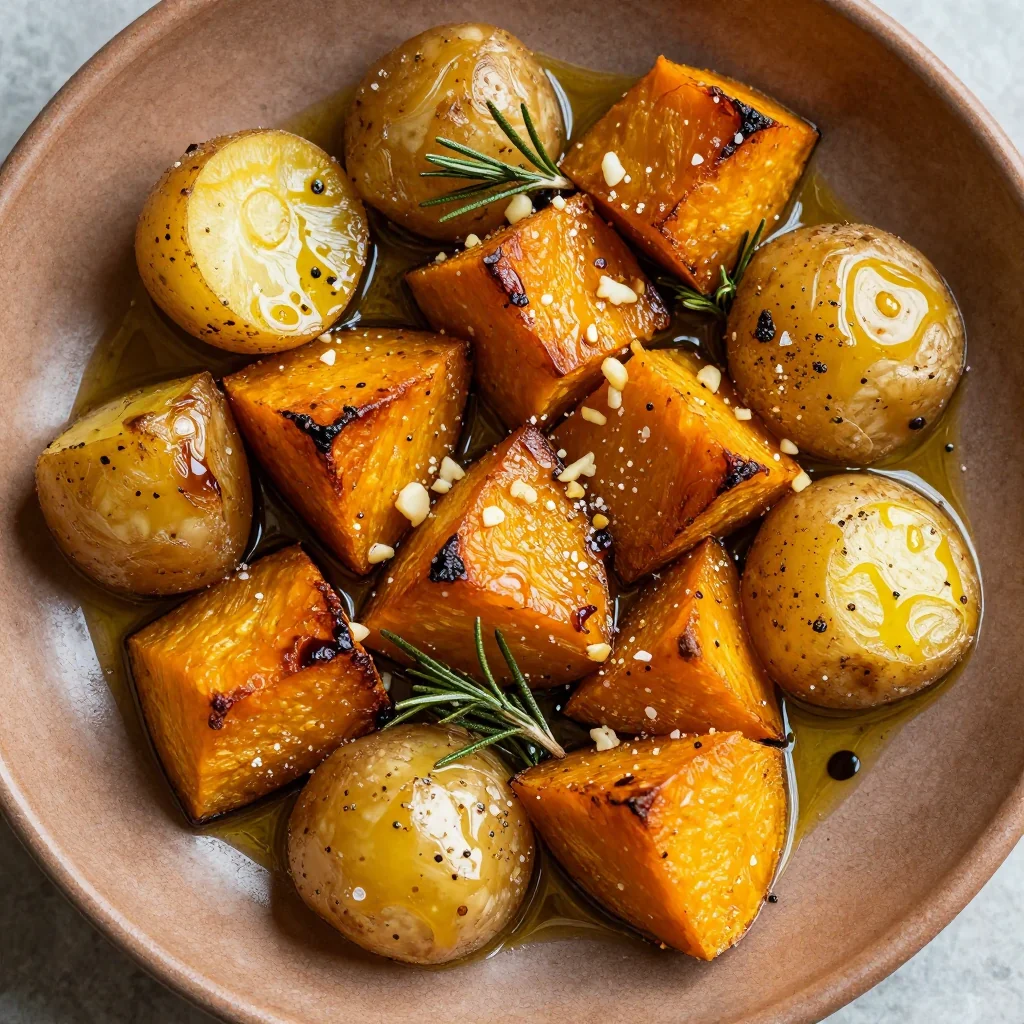
What makes this dish extraordinary isn't just the perfectly roasted vegetables—it's the way the garlic infuses every bite, creating layers of flavor that dance between sweet, savory, and utterly satisfying. Whether you're serving it as a hearty vegetarian main or a stunning side dish for your holiday table, this recipe delivers restaurant-quality results with minimal effort.
Why This Recipe Works
- Perfect Texture Balance: The combination of starchy potatoes and sweet winter squash creates an incredible contrast in textures that keeps every bite interesting.
- Garlic Infusion Technique: We use both minced and whole roasted garlic to create multiple layers of garlic flavor that permeate every vegetable.
- Optimal Roasting Temperature: The high heat caramelizes the natural sugars while keeping the insides tender and fluffy.
- Make-Ahead Friendly: This dish can be prepped hours ahead and roasted when needed, making it perfect for entertaining.
- Nutrient-Dense Comfort Food: Packed with vitamins A and C, fiber, and complex carbohydrates for sustained energy.
- Versatile Seasoning Base: The basic recipe is delicious as-is, but easily accepts additional herbs and spices to match any cuisine.
- One-Pan Wonder: Everything roasts together on a single sheet pan, minimizing cleanup while maximizing flavor.
Ingredients You'll Need
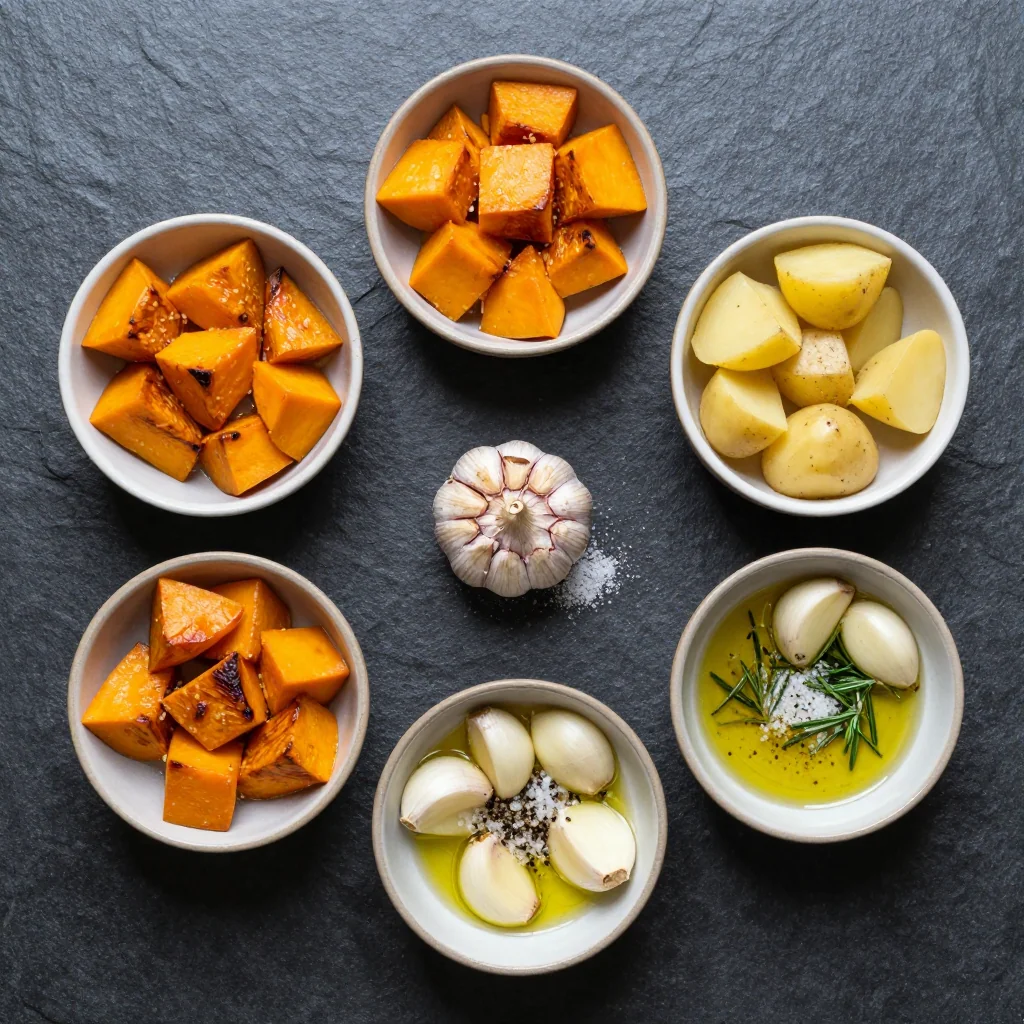
The beauty of this recipe lies in its simplicity—just a handful of ingredients that, when combined with the right technique, create something spectacular. Let me walk you through each component and why it matters.
Winter Squash Selection: I prefer using a mix of butternut and acorn squash for the perfect balance of sweetness and texture. Butternut squash brings creamy sweetness and beautiful orange color, while acorn squash offers a slightly nutty flavor and holds its shape beautifully when roasted. When selecting squash, look for ones that feel heavy for their size with no soft spots or cracks. A good squash should have a dull, not shiny, skin and feel rock-hard.
Potato Choices: Baby potatoes are my go-to here because their thin skins become deliciously crispy and their creamy interior provides the perfect contrast to the sweet squash. If you can't find baby potatoes, use fingerling potatoes or Yukon Golds cut into 1-inch chunks. Avoid russet potatoes as they tend to fall apart during the longer roasting time.
Garlic Matters: Fresh garlic is non-negotiable in this recipe. We use it three ways: minced garlic in the oil mixture, whole cloves scattered among the vegetables, and garlic powder for an extra layer of flavor. The whole cloves become sweet and mellow when roasted, almost like little garlic candies among your vegetables.
Oil Selection: Extra virgin olive oil is my preference for its flavor and ability to create those beautiful caramelized edges. You'll need enough to coat all the vegetables thoroughly—don't be shy here, as the oil helps conduct heat and create those crispy bits we all love to fight over.
Herb and Spice Blend: Fresh rosemary and thyme are classic pairings with both squash and potatoes. If you don't have fresh herbs, dried work well too—just use about one-third the amount since dried herbs are more concentrated. The combination of sage, rosemary, and a touch of smoked paprika creates an incredible depth of flavor that makes this dish taste like it's been cooking all day.
How to Make Garlic Roasted Winter Squash and Potatoes for Comforting Dinners
Preheat and Prepare Your Pan
Position your oven rack in the center and preheat to 425°F (220°C). This high temperature is crucial for creating those caramelized edges we crave. While the oven heats, line a large rimmed baking sheet with parchment paper or a silicone baking mat. If your pan is smaller than 18x13 inches, consider using two pans—crowding will steam rather than roast your vegetables.
Prep Your Vegetables
Start by washing all your vegetables thoroughly. For the butternut squash, peel it with a vegetable peeler, cut it in half lengthwise, scoop out the seeds, then cube into 1-inch pieces. For acorn squash, you can leave the skin on—just wash it well and cut into 1-inch wedges. Cut baby potatoes in half lengthwise, or if using larger potatoes, cube into 1-inch pieces. The key is uniform sizing so everything cooks evenly.
Create the Garlic Oil Base
In a small bowl, whisk together 1/3 cup olive oil, 6 minced garlic cloves, 2 teaspoons salt, 1 teaspoon black pepper, 1 teaspoon garlic powder, 2 teaspoons chopped fresh rosemary, 1 teaspoon chopped fresh thyme, 1/2 teaspoon smoked paprika, and a pinch of red pepper flakes if you like a little heat. Let this mixture sit for 5 minutes while you finish prepping—the oil will infuse with all those incredible flavors.
Coat the Vegetables
Place all your cut vegetables in the largest bowl you have. Pour the garlic oil mixture over them, then use your hands to toss everything together. Really get in there and massage the oil into every piece—this ensures maximum flavor distribution. Don't forget to add 8-10 whole peeled garlic cloves to the mix—they'll roast into sweet, spreadable morsels.
Arrange for Success
Spread the vegetables in a single layer on your prepared pan(s), making sure not to overcrowd. Leave a little space between pieces—this allows hot air to circulate and create those crispy edges. If you have too many vegetables for one pan, definitely use two pans rather than piling them up. The cut sides of potatoes should face down for maximum crispiness.
The Initial Roast
Slide the pan into your preheated oven and roast for 25 minutes without disturbing. This initial high heat blast is crucial for developing those caramelized edges. Resist the urge to peek or stir—letting them sit undisturbed allows the bottoms to develop that gorgeous golden-brown color.
Flip and Continue Roasting
After 25 minutes, remove the pan and use a thin spatula to flip the vegetables. Add an additional drizzle of olive oil if the pan looks dry. Return to the oven for another 20-25 minutes, until everything is tender inside and golden-brown outside. The potatoes should be crispy on the cut sides, and the squash should have caramelized edges.
Final Touches and Serving
Remove from the oven and let rest for 5 minutes—this allows the flavors to settle and prevents burnt tongues! Transfer to a serving platter and drizzle with any remaining pan juices. Garnish with fresh herbs if desired, and serve hot. The roasted garlic cloves can be squeezed out of their skins and spread on the vegetables or enjoyed on their own.
Expert Tips
Don't Skip the Oil
The oil isn't just for flavor—it conducts heat and helps create those crispy edges. Don't be tempted to reduce it too much or you'll end up with steamed vegetables.
Room Temperature Veggies
Take your vegetables out of the fridge 30 minutes before roasting. Starting with room temperature vegetables ensures more even cooking and better caramelization.
Two-Pan Method
If your pan is crowded, use two pans. Overcrowding leads to steaming, not roasting. Each piece needs space for hot air to circulate and create those crispy edges.
Save the Pan Juices
Those caramelized bits in the pan? Pure gold. Scrape them up and drizzle over the vegetables or save to add incredible flavor to soups or sauces.
Variations to Try
Mediterranean Style
Add cherry tomatoes, Kalamata olives, and crumbled feta in the last 10 minutes of roasting. Finish with lemon zest and fresh oregano.
Spicy Southwest
Replace the rosemary with 1 teaspoon each of cumin and chili powder. Add poblano peppers and finish with fresh cilantro and lime juice.
Autumn Harvest
Add cubed apples and Brussels sprouts to the mix. Toss with maple syrup and apple cider vinegar for a sweet-tart finish.
Asian-Inspired
Use sesame oil instead of olive oil, add ginger and five-spice powder. Finish with sesame seeds and scallions.
Storage Tips
Storing Leftovers
Store cooled vegetables in an airtight container in the refrigerator for up to 4 days. The flavors actually deepen overnight, making leftovers even more delicious. To reheat, spread on a sheet pan and warm in a 400°F oven for 10-15 minutes, or microwave individual portions for 1-2 minutes until heated through.
For longer storage, freeze portions in freezer-safe containers for up to 3 months. Thaw overnight in the refrigerator before reheating. Note that the texture may be slightly softer after freezing.
Make-Ahead Instructions
You can prep everything up to 24 hours ahead. Cut vegetables and store in separate containers in the refrigerator. Make the garlic oil and store in a jar at room temperature. When ready to cook, simply toss everything together and roast as directed.
For partially prepped vegetables, you can par-roast them for 15 minutes in the morning, cool completely, and refrigerate. Finish roasting for 20-25 minutes before serving. This is especially helpful for holiday meals!
Frequently Asked Questions
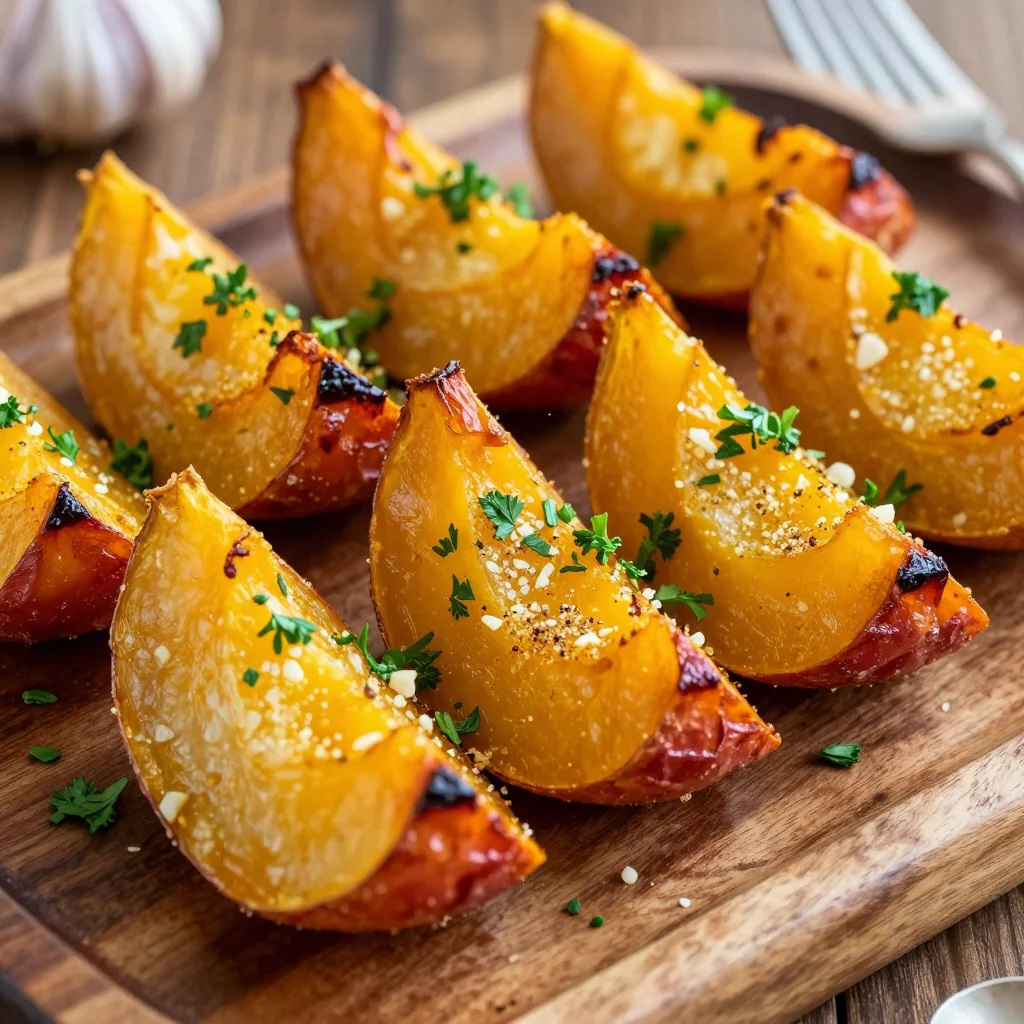
Garlic Roasted Winter Squash and Potatoes for Comforting Dinners
Ingredients
Instructions
- Preheat oven: Position rack in center and preheat to 425°F. Line a large rimmed baking sheet with parchment paper.
- Prepare vegetables: Wash and cut all vegetables into 1-inch pieces, keeping potatoes and squash separate initially.
- Make garlic oil: Whisk together olive oil, minced garlic, salt, pepper, garlic powder, herbs, and spices in a small bowl. Let sit 5 minutes.
- Coat vegetables: In a large bowl, toss all vegetables with the garlic oil mixture, ensuring every piece is well coated. Add whole garlic cloves.
- Arrange on pan: Spread in a single layer on prepared pan(s), ensuring no overcrowding.
- Roast: Roast for 25 minutes without disturbing, then flip and continue roasting another 20-25 minutes until golden and tender.
- Serve: Let rest 5 minutes, then transfer to a serving platter and drizzle with any pan juices.
Recipe Notes
For best results, don't overcrowd the pan. Use two pans if necessary to ensure proper roasting rather than steaming. The roasted garlic cloves become sweet and spreadable—don't discard them!