I was standing in my kitchen, staring down at a pan that smelled like a Mediterranean bazaar gone rogue, when a friend dared me to make a stir‑fry that would make even a seasoned chef weep with joy. I laughed, tossed a handful of ground beef into the pan, and the whole place erupted with the kind of sizzle that makes you pause mid‑step and say, “That sound? Pure gold.” The aroma of garlic, oregano, and a whisper of smoked paprika hit me like a wave of sunshine on a crisp winter morning, and I knew I was onto something that would become my go‑to weeknight savior. I’ll be honest — I ate half the batch before anyone else got a taste, and that’s the kind of confession that tells you this dish is dangerously addictive.
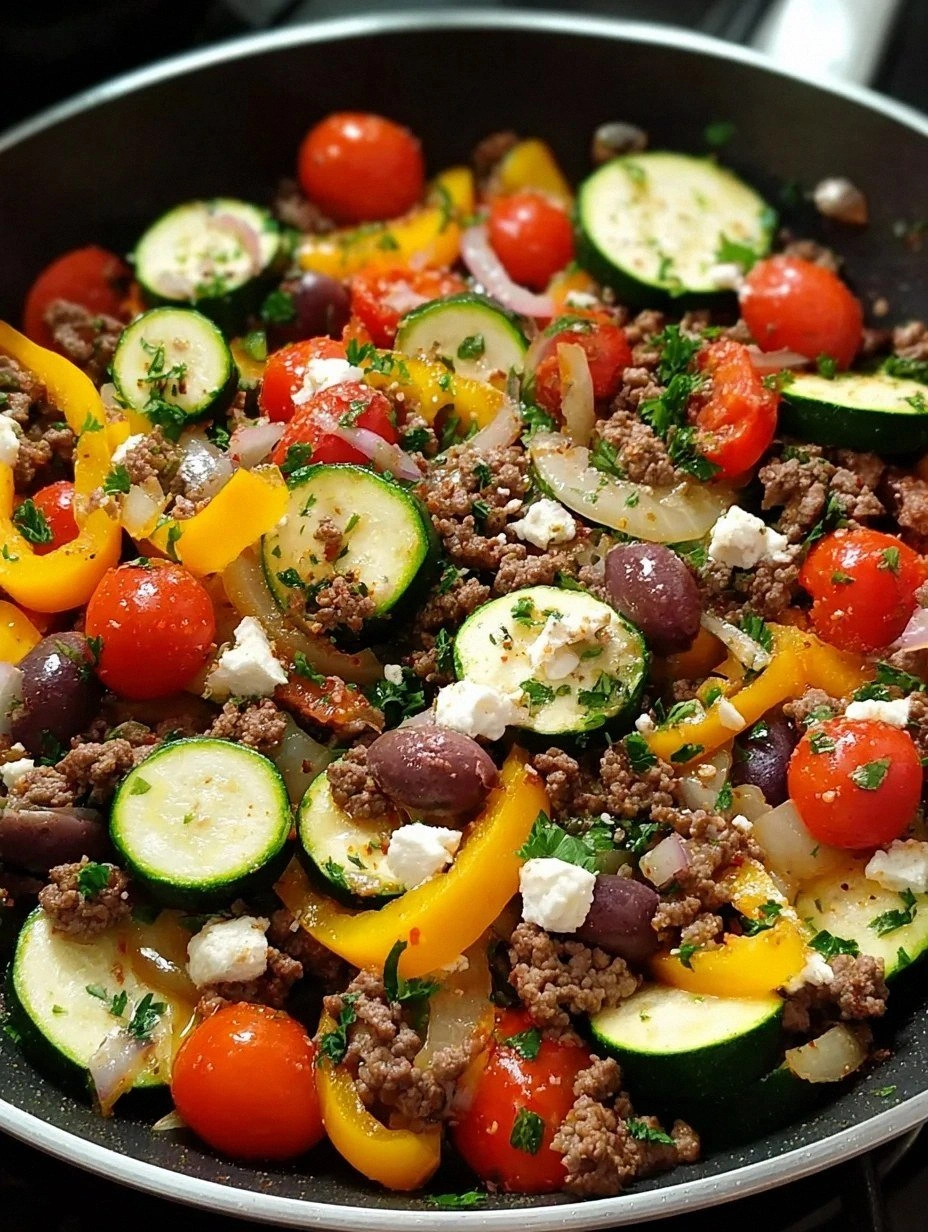
Imagine the scene: the skillet is a glossy, deep‑gold canvas, the beef is breaking apart with a satisfying crunch, and the vegetables are turning a vibrant, jewel‑tone orange. The kitchen is alive with the hiss of oil, the occasional pop of a pepper seed, and the faint zing of lemon that cuts through the richness like a perfectly timed drum solo. You can feel the heat radiating from the stove, the weight of the wooden spoon in your hand, and the anticipation building as the flavors start to mingle. It’s a sensory overload that makes you want to shout, “I dare you to taste this and not go back for seconds!”
Most Mediterranean stir‑fry recipes either drown the meat in sauce or leave the veggies limp and soggy. This version, however, embraces the one‑pot philosophy with a precision that borders on alchemy. The secret? A quick deglaze with a splash of chicken broth that lifts every caramelized crumb, and a finishing splash of lemon juice that brightens the whole dish like a spotlight on a stage. I’m talking about a texture that’s crisp‑tender on the outside, melt‑in‑your‑mouth on the inside, and a flavor profile that’s simultaneously earthy, tangy, and just a touch smoky. Most recipes get this completely wrong. Here’s what actually works.
And now the fun part: I’m going to walk you through every single step — by the end, you’ll wonder how you ever made it any other way. Okay, ready for the game‑changer? This next part? Pure magic. Stay with me here — this is worth it.
What Makes This Version Stand Out
- Flavor Explosion: The combination of oregano, cumin, and smoked paprika creates a depth that feels like a trip to a seaside tavern, while the lemon zest adds a bright finish that cuts through the richness.
- Texture Harmony: Each vegetable retains a slight bite, contrasting with the tender ground beef and the creamy crumble of feta that melts just enough to coat every morsel.
- Simplicity: Only one pot, minimal cleanup, and a handful of pantry staples — perfect for busy weeknights when you need dinner fast but fabulous.
- Unique Twist: Sun‑dried tomatoes add a sweet, concentrated umami that most recipes overlook, turning a simple stir‑fry into a gourmet experience.
- Crowd Reaction: Serve it at a dinner party and watch guests hover over the bowl, whispering, “What’s the secret?” You’ll get the same look every time.
- Ingredient Quality: Using high‑quality extra‑virgin olive oil and authentic Kalamata olives makes a world of difference in the final taste.
- Cooking Method: The quick high‑heat sear locks in juices, while the brief deglaze prevents any stuck‑on bits, ensuring nothing goes to waste.
- Make‑Ahead Potential: This dish actually tastes better the next day after the flavors have had time to meld, making leftovers a delight.
Inside the Ingredient List
The Flavor Base
Ground beef is the heart of this dish, providing a rich, meaty canvas that absorbs every aromatic you throw at it. I recommend a 80/20 lean‑to‑fat ratio; the fat renders down, creating that luxurious mouthfeel that’s impossible to replicate with extra‑lean meat. If you skip the olive oil, you’ll lose that silky coating that helps the spices cling to each crumb. A good swap for beef is ground lamb, which adds a slightly gamier note that pairs beautifully with the Mediterranean herbs.
Onion & Garlic: The diced onion releases a sweet, caramelized scent as it softens, while minced garlic adds a sharp, pungent bite that mellows quickly. Don’t rush the onions; let them sweat for a minute before adding the beef, or you’ll end up with a raw, harsh flavor. If you’re allergic to garlic, try a teaspoon of garlic‑infused oil for a subtler profile.
The Texture Crew
Red Bell Pepper & Zucchini: These vegetables bring color, crunch, and a subtle sweetness that balances the earthiness of the meat. Slice the bell pepper into thin strips and the zucchini into half‑moons; this ensures they cook evenly and retain that perfect snap. Overcooking will turn them mushy, so keep a watchful eye during the final stir‑fry.
Cherry Tomatoes & Sun‑Dried Tomatoes: Fresh cherry tomatoes burst with juice, adding a refreshing acidity, while sun‑dried tomatoes contribute an intense, sweet‑savory depth. If you can’t find sun‑dried tomatoes, a tablespoon of tomato paste mixed with a splash of water works as a decent stand‑in.
The Unexpected Star
Kalamata Olives & Feta Cheese: The briny olives punctuate each bite with a salty pop, and the crumbly feta melts just enough to create a creamy veil over the beef. Choose olives that are firm and not overly marinated, and crumble the feta just before serving to preserve its tangy edge. A vegan alternative could be a dollop of plant‑based feta made from almond or coconut.
The Final Flourish
Herbs, Spices & Lemon: Dried oregano, cumin, smoked paprika, and a pinch of red pepper flakes create a Mediterranean symphony that’s both warm and bright. Finish with a generous squeeze of lemon juice and a scattering of fresh parsley for that garden‑fresh pop. If you love extra zing, zest the lemon before juicing — it adds aromatic oils that elevate the dish.
Everything's prepped? Good. Let’s get into the real action…
The Method — Step by Step
Heat a large, heavy‑bottomed skillet over medium‑high heat and add the olive oil. When the oil shimmers, toss in the diced onion and let it soften for about two minutes, stirring occasionally until it becomes translucent and slightly sweet. You’ll hear a gentle sizzle that tells you the pan is hot enough; if the onions start to brown too quickly, lower the heat a notch.
Add the minced garlic and let it cook for just 30 seconds, just until you can smell its perfume rise. Be careful — garlic can go from fragrant to bitter in a heartbeat. Watch Out: If the garlic starts to brown, it’s a sign the heat is too high; quickly add a splash of broth to cool the pan.
Increase the heat to high and crumble the ground beef into the pan, breaking it up with a wooden spoon. Let it sit untouched for about a minute so a crust forms, then stir and repeat until the meat is evenly browned and the edges start pulling away. This crust is the flavor foundation; don’t rush it.
Stir in the dried oregano, cumin, smoked paprika, and red pepper flakes. The spices should immediately release a fragrant cloud that makes your kitchen feel like a Mediterranean market. If you like it spicier, add an extra pinch of flakes now — you can always tone it down later with a bit more lemon juice.
Add the sliced red bell pepper, zucchini, and sun‑dried tomatoes. Toss everything together and let the vegetables sauté for about three minutes, just until they begin to soften but still retain a bite.
Kitchen Hack: If you want extra caramelization, let the veggies sit undisturbed for 30 seconds before stirring; this creates those golden‑brown edges that shatter like thin ice.Introduce the cherry tomatoes and Kalamata olives, then splash in the chicken broth (or water). The liquid will deglaze the pan, lifting the browned bits stuck to the bottom and turning them into a light, savory sauce. Let the mixture simmer for two minutes, allowing the tomatoes to soften just enough to release their juices.
Season with salt and freshly ground black pepper to taste, then squeeze in the lemon juice. The acidity will brighten the entire dish, cutting through the richness of the beef and oil. Stir in the fresh parsley and crumble the feta over the top, letting the heat melt it slightly into a silky finish.
Give everything one final toss, taste, and adjust seasoning if needed. The sauce should cling to each ingredient like a glossy veil, and the aroma should be a heady mix of herbs, citrus, and toasted meat. Serve hot, straight from the pan, or transfer to a serving bowl and garnish with an extra sprinkle of feta and parsley for that restaurant‑style presentation.
That's it — you did it. But hold on, I've got a few more tricks that'll take this to another level…
Insider Tricks for Flawless Results
The Temperature Rule Nobody Follows
Never start with a cold pan. Pre‑heat your skillet for at least two minutes before adding oil; this ensures an instant sizzle that locks in juices. I once tried the “cold‑start” method and ended up with a greasy, limp stir‑fry that tasted like a soggy mess. The rule of thumb: medium‑high for the onions, high for the beef, then medium again when you add the veggies.
Why Your Nose Knows Best
Your sense of smell is the ultimate doneness gauge. When the beef starts to smell toasty and the spices release their perfume, you’re at the perfect moment to add the vegetables. If you’re unsure, pause and inhale — a rich, slightly sweet aroma means the meat is caramelized; a faint, raw meat smell signals you need a minute more.
The 5‑Minute Rest That Changes Everything
After you finish cooking, let the pan sit off the heat for five minutes. This rest allows the flavors to meld and the residual heat to finish cooking any stubborn bits. I’ve seen people serve immediately and miss out on that subtle depth that only a brief rest can create.
Olive Oil Quality Check
Use a cold‑pressed, extra‑virgin olive oil with a fruity note. Cheaper oils can leave a metallic aftertaste that clashes with the lemon and herbs. A quick taste test: a good olive oil should taste slightly peppery and grassy, not greasy.
The Feta Timing Trick
Add feta at the very end, just before serving. If you toss it in too early, it will melt completely and lose its characteristic crumbly texture. By adding it last, you preserve those delightful pockets of salty creaminess that burst with each bite.
Creative Twists and Variations
This recipe is a playground. Here are some of my favorite ways to switch things up:
Mediterranean‑Meets‑Mexican
Swap the Kalamata olives for sliced black olives, add a teaspoon of cumin‑laced chipotle powder, and finish with a dollop of Greek yogurt instead of feta. The smoky heat pairs perfectly with the lemon, creating a cross‑cultural fiesta that will surprise your palate.
Veggie‑Only Version
Replace the ground beef with crumbled firm tofu or a plant‑based mince. Use a splash more broth to keep it moist, and add a handful of chickpeas for protein. This version keeps the same bright flavors while being entirely vegetarian.
Spicy Harissa Kick
Stir in a tablespoon of North African harissa paste during step four. The deep, fermented heat adds complexity and a beautiful ruby hue, making the dish look as bold as it tastes.
Herb‑Infused Couscous Bed
Serve the stir‑fry over a fluffy bed of lemon‑herb couscous. The couscous soaks up the sauce, turning each bite into a harmonious blend of grain and Mediterranean goodness.
Cheesy Overload
Add a handful of shredded mozzarella or provolone during the final minute of cooking, allowing it to melt into gooey strings. This creates a comfort‑food twist that’s perfect for kids or anyone craving extra indulgence.
Storing and Bringing It Back to Life
Fridge Storage
Allow the stir‑fry to cool to room temperature, then transfer it to an airtight container. It will keep fresh for up to three days. When reheating, add a splash of water or broth to revive the sauce, then microwave for two minutes, stirring halfway through.
Freezer Friendly
Portion the cooled dish into freezer‑safe bags or containers, leaving a little headspace for expansion. It freezes beautifully for up to two months. To reheat, thaw overnight in the fridge, then warm in a skillet over medium heat, adding a tablespoon of broth to loosen the sauce.
Best Reheating Method
The stovetop winces the most flavor. Heat a splash of olive oil in a pan, add the frozen or refrigerated portion, and cover for a minute to steam. Uncover, stir, and let any excess liquid evaporate. The result is a dish that tastes almost as fresh as the day you made it.