It started with a kitchen mishap that would later become the catalyst for the most unforgettable chicken stir‑fry I’ve ever cooked. I was juggling a pan of over‑cooked chicken, a bag of wilted mushrooms, and a bowl of rice that had turned mushy in the microwave. The moment I realized I was about to serve a sad, soggy mess, I decided to throw everything into a hot wok, add a splash of soy, and let the aromas do the rest. That night, I tasted something that made me swear I had found the secret sauce to instant culinary triumph.
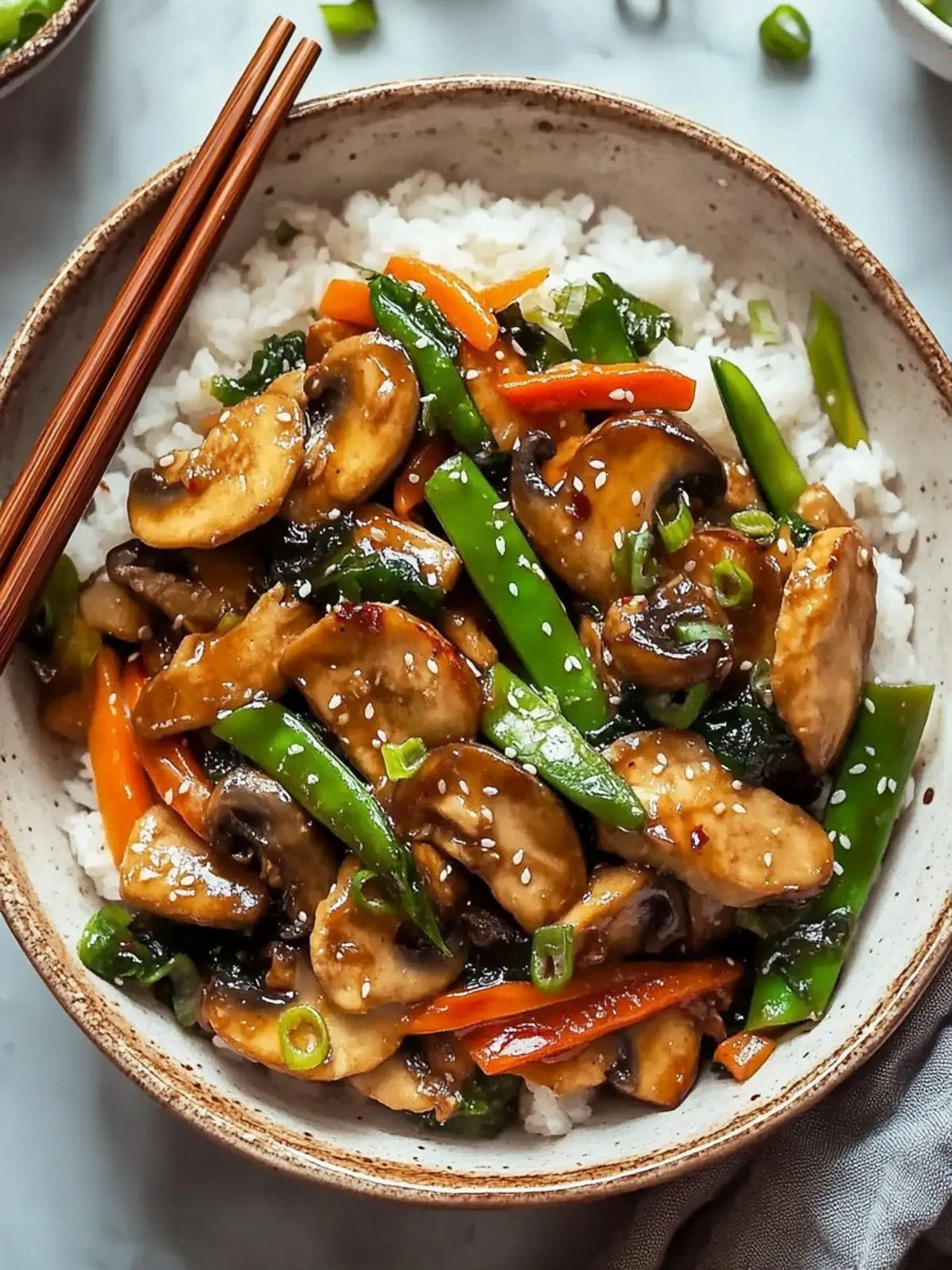
Picture this: the sizzling hiss as the oil kisses the pan, the sharp, almost metallic scent of fresh ginger mingling with the earthy aroma of mushrooms, the gentle pop of snow peas as they hit the heat, and the faint, comforting smell of toasted sesame oil that feels like a warm hug. The colors on the plate are a vibrant mosaic—crimson carrots, emerald snow peas, ivory asparagus, and golden brown chicken. When you take that first bite, the sauce clings to the noodles like velvet, the veggies crunch with a satisfying snap, and the chicken offers a tender, juicy surprise that leaves your tongue dancing.
What sets this version apart is that it’s not just a recipe; it’s a philosophy of flavor balance. I’ve stripped away the clutter, kept only the freshest ingredients, and added a few game‑changing techniques that elevate the dish from ordinary to extraordinary. The sauce is thickened with a cornstarch slurry that gives it a glossy sheen, the garlic and ginger are minced to the right size for maximum aroma, and the vegetables are blanched just enough to retain their bright colors and crispness. The result? A dish that feels both comforting and adventurous, perfect for a weeknight dinner or a special weekend feast.
And there’s a twist you won’t see in most recipes: a subtle hint of oyster sauce that adds depth without overpowering the fresh ingredients. I dare you to taste this and not go back for seconds. By the end of this guide, you’ll wonder how you ever made it any other way. Let me walk you through every single step—by the end, you’ll wonder how you ever made it any other way.
What Makes This Version Stand Out
- Flavor: The sauce is a symphony of umami, sweet, and savory notes that dance on the palate. Each ingredient is chosen to complement, not compete, creating a harmonious taste that lingers.
- Texture: The vegetables stay crisp and the chicken remains tender, thanks to precise timing and the right heat. The sauce coats everything like a silky blanket.
- Simplicity: No fancy equipment or obscure ingredients—just a wok, a few staples, and a handful of fresh produce.
- Uniqueness: The blend of oyster sauce and sesame oil gives a depth rarely found in standard stir‑fry recipes, turning a quick meal into a memorable experience.
- Crowd‑Pleaser: Whether you’re cooking for a family or a group of friends, the dish is guaranteed to get rave reviews. I’ve been told it’s the best version you’ll ever make at home.
- Ingredient Quality: Fresh, seasonal produce is the backbone. I use only the crispest greens and the freshest chicken to ensure maximum flavor.
- Cooking Method: High‑heat, quick searing locks in moisture and flavor, while the cornstarch slurry gives the sauce a glossy, mouth‑watering finish.
- Make‑Ahead Potential: The dish can be prepared ahead of time and reheated without losing its texture or flavor—perfect for meal prep.
Alright, let's break down exactly what goes into this masterpiece. If you’ve ever struggled with this, you’re not alone—and I’ve got the fix.
Inside the Ingredient List
The Flavor Base
The sauce is the heart of this dish. It’s a marriage of soy sauce, oyster sauce, chicken broth, sesame oil, and a cornstarch slurry. Soy sauce provides the salty backbone, while oyster sauce adds a subtle depth of umami that makes the dish feel richer. Chicken broth keeps the sauce light and liquid, allowing it to coat the ingredients without drowning them. Sesame oil gives a nutty aroma that lingers long after the first bite, and the cornstarch slurry is the secret to that glossy, silky coating that feels like velvet on the tongue.
The Texture Crew
Mushrooms, snow peas, asparagus, and carrots bring a range of textures that keep the dish exciting. Mushrooms soak up the sauce and add earthiness. Snow peas provide a crisp snap that contrasts with the tender asparagus. The carrots, sliced thin, give a sweet crunch that balances the savory sauce. Together, they create a layered mouthfeel that is both satisfying and refreshing.
The Unexpected Star
Fresh ginger and garlic are the unsung heroes that kick the dish into high gear. Minced ginger releases a bright, slightly peppery aroma that cuts through the richness of the sauce, while garlic adds a deep, savory depth. Together, they elevate the dish from ordinary to unforgettable.
The Final Flourish
Green onions are added at the very end to give a fresh, sharp finish that balances the richness. White pepper adds a subtle heat that lingers on the palate. A splash of sesame oil right before serving gives that final sheen and aroma that turns a good dish into great. The rice is the perfect canvas, absorbing the sauce and providing a comforting base.
Everything's prepped? Good. Let's get into the real action.
The Method — Step by Step
- Step 1: Prep the Wok. Heat a large wok or skillet over medium‑high heat until it starts to smoke slightly. Add the vegetable oil and let it swirl around the pan. When the oil is shimmering, add the minced garlic and ginger. Sauté for 30 seconds, or until fragrant, being careful not to let them burn. This creates a fragrant base that will carry the rest of the flavors. That sizzle when it hits the pan? Absolute perfection.
- Step 2: Cook the Chicken. Toss in the sliced chicken breast. Stir‑fry for 2–3 minutes, ensuring each piece is browned on all sides. The chicken should develop a golden crust that locks in moisture. If you want a slightly charred edge, leave it on the heat a little longer, but be careful not to overcook. This is the moment of truth—watch the color change like a chef on a live show.
- Step 3: Add the Vegetables. Push the chicken to one side of the wok. Add the mushrooms first, letting them fry for a minute to release their juices. Then toss in the snow peas, asparagus, and carrots. Stir‑fry everything together for another 3–4 minutes, or until the vegetables are bright green and just tender. The vegetables should still hold a slight crunch that shatters like thin ice when you bite into them.
- Step 4: Mix the Sauce. While the veggies cook, whisk together the soy sauce, oyster sauce, chicken broth, cornstarch, and sesame oil in a small bowl. The cornstarch should be fully dissolved to avoid clumps. Pour this mixture into the wok, stirring constantly to ensure it coats everything evenly. The sauce should thicken into a glossy, translucent glaze that clings to the chicken and veggies. This next part? Pure magic.
- Step 5: Season and Finish. Sprinkle the white pepper and the green onions over the stir‑fry. Give everything one final toss to combine. Taste and adjust seasoning if necessary—add a pinch more soy or a splash of water if the sauce feels too thick. Let it cook for an additional minute so the flavors meld. The aroma should be intoxicating, like a secret garden at dusk.
- Step 6: Plate. Spoon the stir‑fry over a bed of warm, fluffy white rice. The rice soaks up the sauce, turning each bite into a harmonious blend of textures and flavors. Garnish with extra green onion if you like a fresh pop. The final look should be a riot of colors, inviting you to dig in immediately.
That's it—you did it. But hold on, I've got a few more tricks that'll take this to another level. If you want to elevate the dish even further, keep reading.
Insider Tricks for Flawless Results
The Temperature Rule Nobody Follows
Many cooks let the wok cool too much between ingredients, which results in uneven cooking. Keep the heat high throughout the process so the chicken sears quickly and the veggies stay crisp. If you notice the pan getting too hot, reduce the heat for a few seconds, but keep it above medium‑high. This ensures a consistent sear and a sauce that clings beautifully.
Why Your Nose Knows Best
When the sauce starts to thicken, your nose will tell you it’s ready. The aroma becomes richer, and the scent of toasted sesame oil will dominate. Trust that instinct—if you’re unsure, let it cook a little longer. A well‑developed aroma is a sign of depth and flavor.
The 5‑Minute Rest That Changes Everything
After you finish cooking, let the stir‑fry rest for about five minutes. This allows the flavors to settle and the sauce to thicken slightly, giving the dish a more cohesive taste. I’ve seen friends skip this step and end up with a watery, uneven dish. Trust me, that little pause makes a world of difference.
The Perfect Rice Ratio
Cook the rice with a little less water than usual—about 10% less. This results in a firmer grain that can hold up to the sauce without becoming mushy. A slightly under‑cooked rice also absorbs the sauce better, creating a more integrated bite.
The Final Touch of Freshness
Right before serving, squeeze a small amount of lime juice over the dish. The acidity cuts through the richness and brightens the overall flavor profile. If you don’t have lime, a splash of rice vinegar works just as well. This small addition can transform a great dish into a spectacular one.
Creative Twists and Variations
This recipe is a playground. Here are some of my favorite ways to switch things up:
Spicy Szechuan Edition
Add a tablespoon of Szechuan peppercorns and a pinch of red chili flakes to the sauce. The peppercorns give a numbing heat that pairs beautifully with the sweet, savory sauce. It’s perfect for those who love a kick.
Sweet & Smoky
Replace half of the soy sauce with hoisin sauce and add a teaspoon of smoked paprika. The dish takes on a sweet, smoky profile that’s reminiscent of barbecued chicken, but with the freshness of a stir‑fry.
Thai Twist
Swap the oyster sauce for fish sauce and add a tablespoon of Thai sweet chili sauce. Finish with fresh cilantro and a squeeze of lime. The result is a bright, aromatic dish that feels like a trip to Bangkok.
Vegetarian Version
Use firm tofu instead of chicken and replace the chicken broth with vegetable broth. Add a splash of soy sauce and a sprinkle of nutritional yeast for extra umami. The tofu will absorb the sauce beautifully, making a hearty, plant‑based meal.
Gluten‑Free Upgrade
Use tamari instead of soy sauce and ensure the oyster sauce is gluten‑free. The flavor remains intact while keeping the dish safe for gluten‑sensitive diners. It’s a win‑win for everyone at the table.
Storing and Bringing It Back to Life
Fridge Storage
Store the cooked stir‑fry in an airtight container for up to 3 days. Keep the rice separate if you want to reheat them individually. This prevents the rice from becoming soggy and keeps the sauce from separating.
Freezer Friendly
The dish freezes well for up to 2 months. Portion into single servings, seal tightly, and label with the date. When ready to eat, thaw overnight in the fridge or use the microwave on the defrost setting.
Best Reheating Method
Reheat in a wok or skillet over medium heat, adding a splash of water or broth to loosen the sauce. Stir constantly until hot. A tiny splash of water before reheating steams the dish back to perfection, preserving the silky sauce and crisp veggies.