Okay, picture this: it’s a Tuesday night, the fridge is looking emptier than my motivation after a marathon, and I’ve just gotten a text from a friend daring me to make something “so good it’ll make them forget about pizza forever.” I laughed, tossed a bag of frozen peas into the pantry, and stared at the lone chicken thighs that had been waiting for a purpose since last Sunday’s grocery run. The kitchen was humming with the low‑grade whine of the fridge, the clock was ticking, and I could practically hear my stomach growling in Morse code. I was determined to turn that chaos into comfort, and what emerged was a one‑pot wonder that feels like a hug from the inside out.
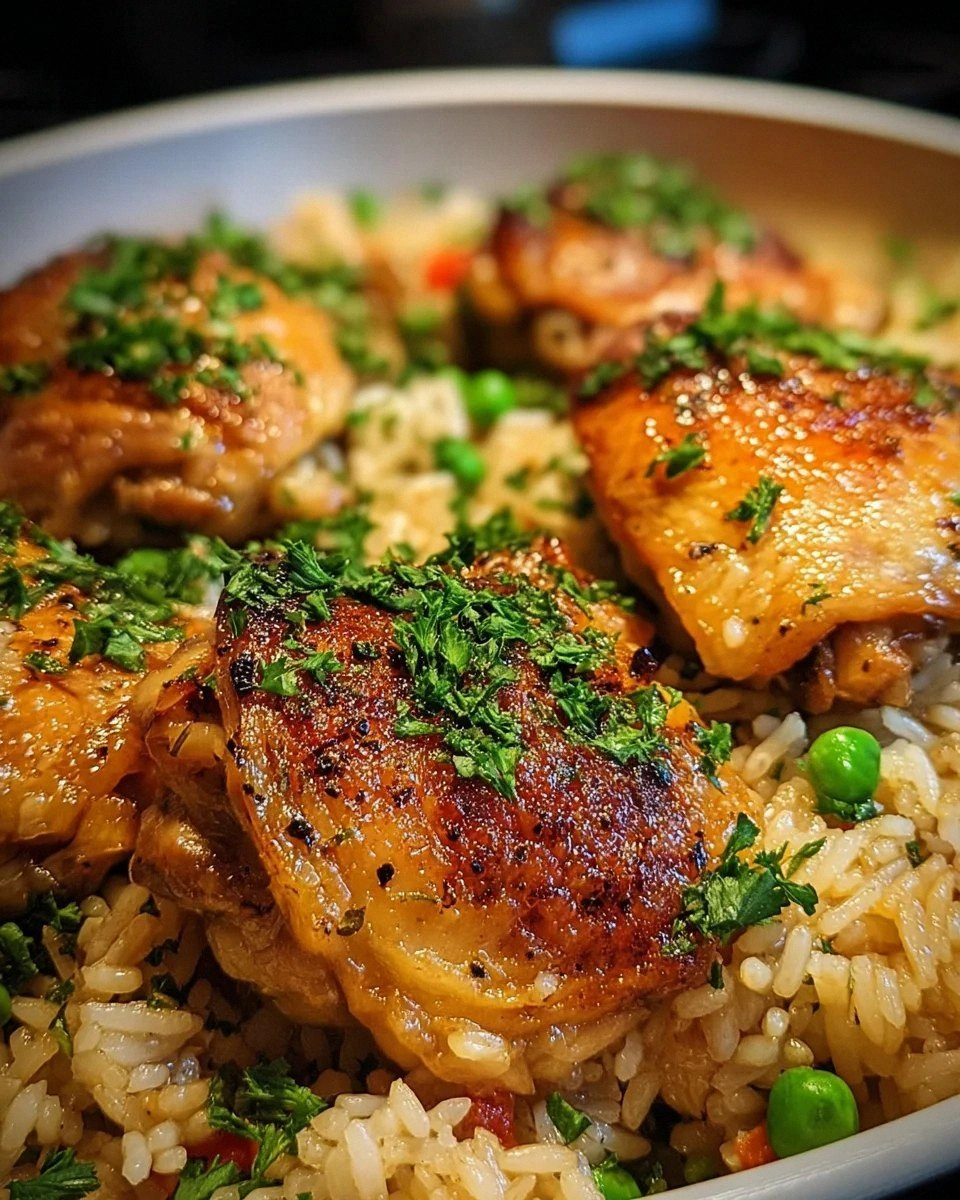
The moment the chicken hit the pan, there was a sizzle that sounded like applause from an eager audience. The aroma of garlic and onion rose like a fragrant curtain call, and the scent of paprika flirted with the air, promising smoky depth without any actual smoke. As the rice soaked up the broth, each grain swelled like a tiny, perfectly timed balloon, fluffy yet firm, refusing to turn mushy. The peas burst with a sweet pop that reminded me of childhood garden parties, while the fresh parsley at the finish added a bright green confetti that made the whole dish look Instagram‑ready without any extra effort.
Most one‑pot chicken and rice recipes get this completely wrong: they either end up with soggy rice, rubbery chicken, or a bland broth that could double as a cleaning solution. I’ve cracked the code by balancing the liquid‑to‑rice ratio, searing the chicken first to lock in juices, and letting the aromatics do the heavy lifting. The secret? A quick deglaze with a splash of broth that lifts caramelized bits from the pan, turning them into flavor fireworks that coat every grain. I’m going to be honest — I ate half the batch before anyone else got a chance, and that’s a testament to how addictive this dish truly is.
Now, I’m daring you to taste this and not go back for seconds. If you’ve ever struggled with a dry, flavor‑less dinner, you’re not alone — and I’ve got the fix. Picture yourself pulling this out of the pot, the whole kitchen smelling incredible, steam swirling like a cozy blanket, and the first bite delivering a perfect harmony of tender chicken, fluffy rice, and a burst of herbaceous brightness. Let me walk you through every single step — by the end, you’ll wonder how you ever made it any other way.
What Makes This Version Stand Out
- Taste: The combination of browned chicken skin, smoky paprika, and a savory broth creates a depth that rivals restaurant‑level dishes, making each mouthful a flavor explosion.
- Texture: Crispy, caramelized chicken edges contrast with pillowy rice and a pop of sweet peas, delivering a satisfying bite hierarchy that keeps you eating.
- Simplicity: One pot, minimal cleanup, and a straightforward ingredient list mean you can go from fridge to table in under an hour.
- Uniqueness: The final flourish of fresh parsley adds a bright, herbaceous finish that most “one‑pot” recipes neglect, turning a humble dinner into a showcase.
- Crowd Reaction: Friends and family claim this is the best comfort food they’ve had in years, often asking for the recipe before the plate is even empty.
- Ingredient Quality: Using bone‑in, skin‑on thighs maximizes flavor, while low‑sodium broth lets you control seasoning without over‑salting.
- Cooking Method: The sear‑then‑simmer technique ensures the chicken stays juicy and the rice stays separate, avoiding the dreaded gummy mess.
- Make‑Ahead Potential: This dish reheats beautifully, and the flavors meld even further after a night in the fridge, making leftovers practically a new creation.
Inside the Ingredient List
The Flavor Base
Onion: A medium onion provides a sweet, caramelized foundation that balances the savory broth. If you skip it, the dish loses that subtle sweetness that rounds out the paprika’s smokiness. For a milder profile, try shallots; they’ll add a delicate, almost floral note.
Garlic: Fresh garlic is the aromatic backbone, releasing a pungent, savory perfume the moment it hits hot oil. Missing this means the dish feels flat, like a song without a chorus. If you’re low on fresh cloves, a teaspoon of good‑quality garlic powder can rescue the flavor.
The Texture Crew
Long‑grain white rice: Rinsed to remove excess starch, the rice stays separate and fluffy, preventing that dreaded gummy texture. Skipping the rinse will make the rice clump together, turning the dish into a porridge. If you prefer a nuttier bite, try a half‑and‑half mix with basmati.
Frozen peas: They add a burst of color and a gentle sweetness that contrasts the savory broth. Substituting frozen corn works too, but peas keep the dish lighter and more spring‑like.
The Unexpected Star
Paprika: This spice delivers a gentle smoky warmth without overwhelming heat. Using smoked paprika ramps up the depth, turning the broth into a smoky meadow. Skipping paprika makes the dish taste like plain chicken and rice — still good, but missing that signature zing.
Dried thyme: Thyme’s earthy, slightly floral notes weave through the broth, anchoring the other flavors. If you’re feeling adventurous, swap in rosemary for a piney twist or oregano for a Mediterranean vibe.
The Final Flourish
Fresh parsley: Chopped just before serving, parsley adds a fresh, peppery brightness that lifts the entire pot. It’s not just garnish; it’s a flavor enhancer that cuts through the richness of the chicken skin.
Olive oil: Used for searing, it adds a subtle fruitiness and helps develop a golden crust on the thighs. Avocado oil works if you need a higher smoke point, but the extra flavor of olive oil is worth the slight compromise.
Everything's prepped? Good. Let's get into the real action...
The Method — Step by Step
Heat two tablespoons of olive oil in a large, heavy‑bottomed pot over medium‑high heat. When the oil shimmers, lay the chicken thighs skin‑side down, listening for that immediate sizzle that signals a perfect sear. Cook without moving them for about 5‑6 minutes, until the skin turns a deep, golden‑brown and releases easily from the pan. Flip and sear the other side for another 3‑4 minutes; this locks in moisture and creates those coveted crispy edges.
Kitchen Hack: Pat the chicken dry with paper towels before seasoning; excess moisture prevents a good crust.Remove the chicken and set it aside on a plate. In the same pot, add the diced onion and let it soften, stirring occasionally. After two minutes, toss in the minced garlic and let it bloom for about 30 seconds — you’ll know it’s ready when the kitchen fills with that unmistakable, head‑nodding aroma.
Watch Out: If the garlic starts to brown too quickly, lower the heat; burnt garlic adds bitterness.Sprinkle the paprika and dried thyme over the onions and garlic, stirring to coat everything in a ruby‑red veil. Let the spices toast for a minute, releasing their oils and deepening the flavor profile. Then, deglaze the pot with a generous splash of chicken broth, scraping the browned bits from the bottom with a wooden spoon — this is the flavor base that will permeate every grain of rice.
Return the chicken thighs to the pot, skin side up, nestling them among the aromatics. Add the rinsed rice, spreading it evenly around the chicken. Pour in the remaining chicken broth, ensuring the liquid covers the rice by about half an inch. This precise liquid‑to‑rice ratio (roughly 2 cups broth to 1 ½ cups rice) guarantees fluffy, separate grains.
Season with salt and freshly cracked black pepper to taste. Remember, the broth already carries some salt, so start light; you can always add more later. Bring the whole mixture to a gentle boil, then reduce the heat to low, cover the pot tightly, and let it simmer for 18‑20 minutes. Resist the urge to lift the lid — that steam is what cooks the rice evenly.
While the rice is cooking, give the peas a quick rinse under cold water to separate any clumps. When the timer dings, uncover the pot and stir in the frozen peas; the residual heat will thaw them instantly, preserving their bright color and snap. If you prefer corn, swap it in at this stage for a sweeter twist.
Cover the pot again and let everything rest for 5 minutes off the heat. This resting period allows the rice to finish steaming and the flavors to meld, creating a harmonious blend that’s more than the sum of its parts. During this time, the chicken skin will crisp up a bit more as the steam escapes.
Finally, sprinkle a generous handful of chopped fresh parsley over the top, giving the dish a fresh, herbaceous lift. Give the pot one last gentle fluff with a fork, making sure each spoonful contains a bit of chicken, rice, and peas. Serve hot, and watch as your guests dive in, eyes widening at the aroma and color.
That's it — you did it. But hold on, I've got a few more tricks that'll take this to another level...
Insider Tricks for Flawless Results
The Temperature Rule Nobody Follows
Most home cooks crank the heat up to “cook faster,” but the secret to perfectly separate rice is a low, steady simmer. Once the broth reaches a boil, drop the temperature to the lowest setting that still maintains a gentle bubble. This prevents the rice from boiling over and ensures each grain absorbs liquid evenly. I once tried a high‑heat blast and ended up with a mushy bottom layer that clung to the pot like a bad memory.
Why Your Nose Knows Best
Don’t rely solely on timers; trust your nose. When the onions turn translucent and the garlic releases its perfume, you know the flavor base is ready. Later, as the broth simmers, you’ll smell a deep, savory scent that tells you the rice is absorbing liquid properly. If the aroma fades too quickly, increase the heat slightly; if it becomes overly pungent, lower it.
The 5‑Minute Rest That Changes Everything
After the rice finishes cooking, let the pot sit, covered, for five minutes. This rest lets the steam redistribute, turning any remaining stubbornly firm grains into pillowy perfection. Skipping this step is the culinary equivalent of skipping the cool‑down after a run — you’ll feel the difference.
Skin‑Side Down for Maximum Crisp
When searing, always start skin‑side down. The fat renders slowly, creating a crispy, crackling surface while keeping the meat underneath juicy. If you flip too early, the skin sticks and tears, losing that coveted crunch. I once flipped after just one minute and learned the hard way that patience pays off.
Season in Layers, Not All at Once
Add a pinch of salt during the searing stage, then another during the broth addition, and finish with a final dash after the rest. Layered seasoning builds depth and prevents the dish from tasting flat. This technique is why professional kitchens can taste the difference between “good” and “great.”
Creative Twists and Variations
This recipe is a playground. Here are some of my favorite ways to switch things up:
Mediterranean Magic
Swap paprika for a teaspoon of smoked cumin, add a handful of Kalamata olives, and finish with crumbled feta. The briny olives and tangy cheese bring a sun‑kissed vibe that’s perfect for summer evenings.
Spicy Southwest
Introduce a diced jalapeño with the onions, use chipotle powder instead of paprika, and stir in a cup of black beans after the peas. Top with fresh cilantro and a squeeze of lime for a bold, fiery twist.
Creamy Mushroom Delight
Add a cup of sliced cremini mushrooms when you sauté the onions, and stir in a splash of heavy cream at the end of the cooking process. The result is a luxuriously creamy sauce that coats every grain.
Herbaceous Green
Replace the peas with a mix of frozen edamame and spinach, and swap thyme for a generous pinch of fresh basil. The bright green colors make the dish visually stunning and add a fresh, slightly bitter counterpoint.
Curry‑Infused Comfort
Stir in a tablespoon of mild curry powder with the paprika and thyme, and finish with a dollop of plain yogurt on each serving. The subtle curry notes turn the dish into a comforting, aromatic bowl that feels exotic yet familiar.
Storing and Bringing It Back to Life
Fridge Storage
Let the pot cool to room temperature (no more than two hours), then transfer leftovers into airtight containers. It will keep fresh for up to four days. Reheat gently on the stovetop over low heat, adding a splash of broth or water to revive the rice’s fluffiness.
Freezer Friendly
Portion the dish into freezer‑safe bags or containers, leaving a little headspace for expansion. It freezes beautifully for up to three months. When ready to eat, thaw overnight in the fridge, then reheat in a covered pan with a couple of tablespoons of broth, stirring occasionally.
Best Reheating Method
For the ultimate texture, reheat in a skillet over medium heat, adding a tiny splash of water or broth and covering the pan for two minutes. This steams the rice back to life and restores the chicken’s crisp skin. Microwaving works in a pinch, but you’ll lose the delightful crunch.