Introduction
Picture this: I was in the middle of a crowded potluck, the kitchen humming with the clatter of pans and the scent of garlic, when my friend dared me to create a dish that could win the “most unforgettable bite” contest. I stared at a stack of plain chicken tenders, a jar of Dijon mustard, and a bag of pretzels, and thought, “Why not fuse the crunch of pretzels with the tang of mustard?” That night, I whipped up a version that turned ordinary chicken into a crispy, savory, honey‑laden masterpiece. I swear the sizzle when the chicken hit the skillet sounded like applause from a tiny stadium.
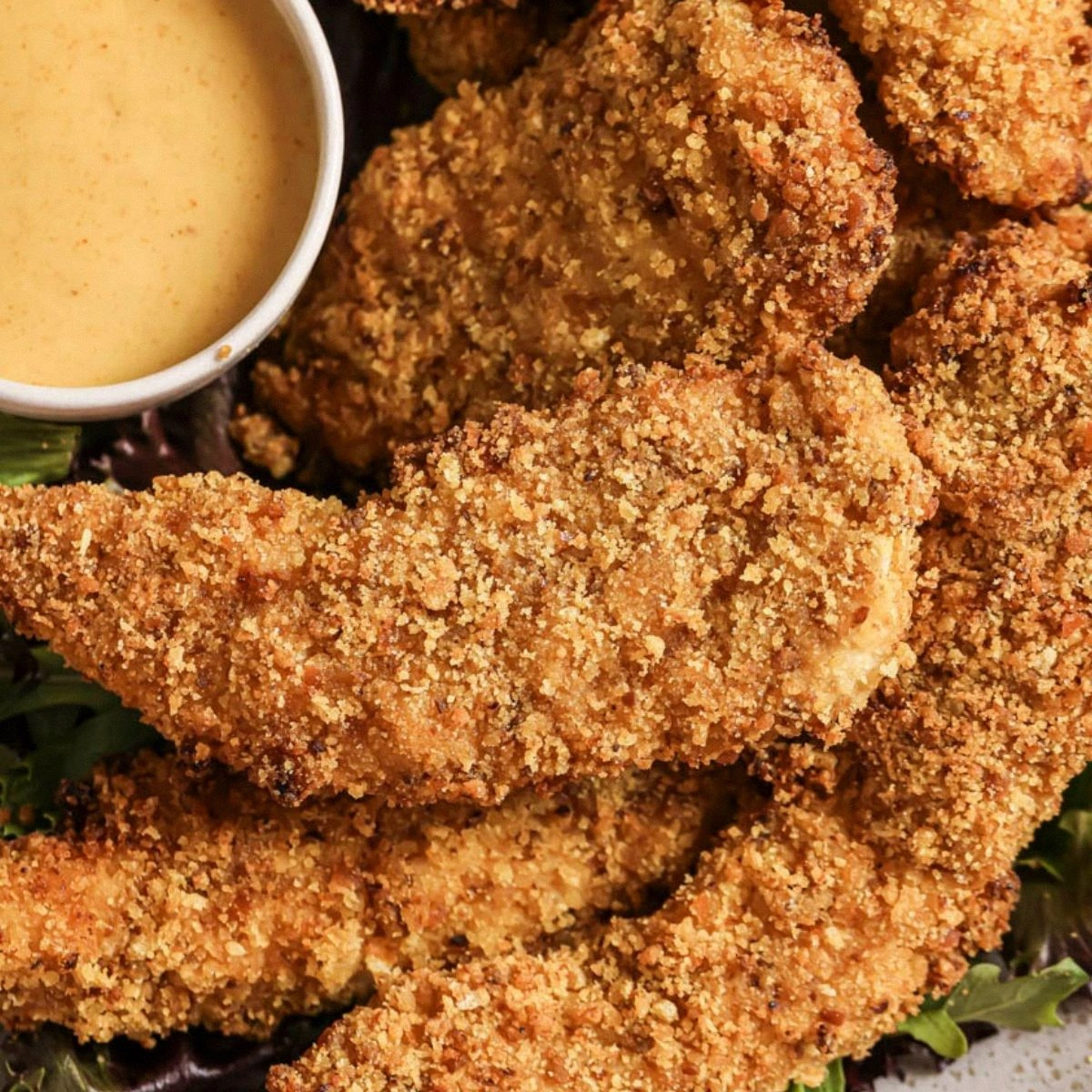
As soon as the first tenders hit the hot oil, the kitchen filled with a caramelized aroma that made my eyes water in delight. The golden crust crackled like fresh snow underfoot, while the honey‑mustard glaze drizzled over the surface, turning the chicken into a glossy, caramelized sculpture. The crunch was not just surface‑level; it was a layered texture that collapsed into a buttery bite, leaving a lingering citrus aftertaste from the lemon juice. The dish’s flavor profile is a daring dance between sweet, spicy, and savory, and it feels like a party in your mouth.
What sets this version apart is the intentional layering of flavors and textures. I didn’t just coat the chicken in a blanket of pretzel crumbs; I infused the crust with a tangy mustard‑honey glaze that caramelizes into a sticky, caramelized coating. The result is a dish that is crispy on the outside, juicy on the inside, and has a subtle heat that keeps the palate engaged. It’s the kind of dish that makes you say, “I dare you to taste this and not go back for seconds.”
Most recipes get this completely wrong by either over‑browning the crust or under‑seasoning the glaze. I’ve learned that the secret is a quick, high‑heat sear followed by a gentle glaze finish that locks in moisture. Picture yourself pulling this out of the oven, the whole kitchen smelling incredible, and everyone lining up for a bite. This is hands down the best version you’ll ever make at home, and I’m about to walk you through every single step so you can recreate the magic.
Let me walk you through every single step — by the end, you’ll wonder how you ever made it any other way.
What Makes This Version Stand Out
- Flavor: The honey‑mustard glaze offers a sweet‑spicy kick that contrasts beautifully with the salty pretzel crust, creating a complex flavor profile that keeps the taste buds dancing.
- Texture: The pretzel pieces provide a crunchy, slightly chewy bite that breaks apart into buttery crumbs when you bite, while the glaze gives a silky, caramelized finish.
- Simplicity: With just eight ingredients and a handful of quick steps, you can turn a pantry staple into a showstopper without any fancy equipment.
- Uniqueness: The combination of Dijon mustard and honey in the glaze is a rare pairing that elevates the dish from ordinary to extraordinary.
- Crowd Reaction: Guests rave about the “wow factor” of the pretzel crust and the surprising sweetness of the glaze, making it a conversation starter at any gathering.
- Ingredient Quality: Using fresh, high‑quality Dijon mustard and real honey rather than processed sauces gives the dish depth and authenticity.
- Cooking Method: A quick sear followed by a glaze finish preserves moisture and locks in flavor, ensuring each bite is juicy.
- Make‑Ahead Potential: The glaze can be prepared ahead of time, and the chicken can be pre‑coated and stored in the fridge for up to 24 hours, making it perfect for busy evenings.
Alright, let's break down exactly what goes into this masterpiece...
Inside the Ingredient List
The Flavor Base
At the heart of this dish is the honey‑mustard glaze, a marriage of 2/3 cup Dijon mustard, 1/2 cup honey, and 2 tablespoons fresh squeezed lemon juice. The mustard provides a sharp, peppery backbone, while the honey adds a natural sweetness that caramelizes beautifully. Lemon juice cuts through the richness, giving the glaze a bright, zesty lift that balances the heavy flavors. If you skip any of these, you lose that complex dance of sweet, spicy, and acidic notes. For a vegan version, replace honey with maple syrup, though the caramelization will differ slightly.
The Texture Crew
1 1/2 cups honey mustard pretzel pieces form the crispy outer layer that crunches like thin ice. These pretzels are already salted and flavored, so they add an extra punch of savory depth. The pretzel crumbs also provide a slightly chewy texture that contrasts with the tender chicken inside. If you prefer a gluten‑free option, use gluten‑free pretzel crumbs or crushed chickpea crackers. The key to a perfect crust is ensuring the pretzels are finely crushed, not coarsely broken, so the coating stays uniform.
The Unexpected Star
1/4 cup buttermilk is the secret weapon that keeps the chicken moist during cooking. The acidity tenderizes the meat, and the milk’s proteins help create a silky interior. If you’re lactose intolerant, use a dairy‑free buttermilk alternative or a splash of oat milk mixed with a teaspoon of vinegar. Skipping the buttermilk will result in drier chicken, so don’t skip this step unless you’re willing to sacrifice juiciness.
The Final Flourish
1/2 teaspoon cayenne pepper and 1/4 teaspoon kosher salt add a subtle heat and depth of flavor that rounds out the dish. The cayenne gives a gentle kick that doesn’t overpower the sweetness of honey, while the salt enhances every component. If you’re sensitive to spice, reduce the cayenne to 1/4 teaspoon or omit it entirely. These seasonings are tiny but mighty; they transform a simple recipe into a culinary experience.
Everything's prepped? Good. Let's get into the real action...
The Method — Step by Step
- Start by mixing the Dijon mustard, honey, mayonnaise, lemon juice, cayenne pepper, and kosher salt in a medium bowl until smooth. The mixture should look silky, with the mustard’s bright yellow hue contrasting the honey’s amber glow. This glaze will coat the chicken and become the sweet‑spicy heart of the dish. Set aside for a few minutes to let the flavors meld.
- In a shallow dish, pour the buttermilk. Pat the chicken tenders dry with paper towels—this step is crucial for a crisp crust. Dip each tender into the buttermilk, allowing excess to drip off, then coat thoroughly with the honey‑mustard glaze. The glaze should cling to the surface like a glossy coat of paint. Let the coated chicken sit for 10 minutes; this resting period helps the glaze set.
- Meanwhile, preheat a large skillet over medium‑high heat and add a splash of oil. The skillet should be hot enough that a drop of glaze sizzles instantly. Place the glazed tenders in the skillet, spacing them so they don’t touch. This will ensure even browning and prevent steaming.
- Cook the tenders for about 3 minutes on each side, or until the glaze has caramelized into a thick, shiny crust. The edges should start pulling away slightly from the pan, signaling that the outside is crisp. Flip carefully with tongs to avoid tearing the glaze. The internal temperature should reach 165°F for safety.
- While the tenders finish cooking, crumble the honey mustard pretzel pieces into a shallow bowl. The pretzels should be fine enough to coat the chicken evenly but still retain some bite. Once the chicken is golden and the glaze is sticky, remove it from the skillet and immediately toss it in the pretzel crumbs.
- Return the chicken to the skillet for an additional 30 seconds to 1 minute, allowing the pretzel crumbs to adhere firmly to the glaze. The result is a double‑layered crust: a caramelized glaze base and a crunchy pretzel shell. The final bite should feel like a crispy, sweet, and savory explosion.
- Transfer the finished chicken to a serving platter, letting the excess glaze drip back into the skillet. Garnish with a sprinkle of fresh parsley or a wedge of lemon for a pop of color and brightness. Serve immediately while the crust is still hot and crisp. That sizzle when it hits the pan? Absolute perfection.
That's it — you did it. But hold on, I've got a few more tricks that'll take this to another level...
Insider Tricks for Flawless Results
The Temperature Rule Nobody Follows
Many cooks think “high heat” is the answer, but the key is a steady, medium‑high temperature that allows the glaze to caramelize without burning. Preheat the skillet for at least 5 minutes before adding oil. A simple test is to sprinkle a few drops of glaze on the pan; if it sizzles immediately, the heat is just right. This technique ensures a crisp exterior while keeping the interior juicy.
Why Your Nose Knows Best
As the chicken cooks, you’ll notice the scent of caramelized honey and a hint of mustard. Trust that aroma; it means the glaze is developing the right depth of flavor. If the smell is too sweet or too acidic, adjust the balance by adding a splash of water or a pinch more salt.
The 5-Minute Rest That Changes Everything
Once the chicken is cooked, let it rest on a wire rack for 5 minutes. This step allows the juices to redistribute, preventing a dry center. It also lets the pretzel crust firm up slightly, making it easier to serve and less likely to crumble.
Use a Skillet with a Lid
Covering the skillet for the first minute of cooking traps heat and moisture, which helps the glaze set faster. Remove the lid once the glaze starts to bubble; this allows the steam to escape, preventing sogginess.
Serve with a Tangy Dip
A simple yogurt‑based dip with dill and garlic complements the sweet glaze. The cool, creamy texture balances the heat and adds an extra layer of flavor. If you’re short on time, a squeeze of fresh lemon juice over the top works wonders.
Creative Twists and Variations
This recipe is a playground. Here are some of my favorite ways to switch things up:
Spicy Sriracha Twist
Swap the cayenne pepper for 1 tablespoon of sriracha sauce. The result is a fiery kick that pairs wonderfully with the sweet glaze. This variation is perfect for those who love heat and crave a bold flavor profile.
Garlic Parmesan Crunch
Mix 1/4 cup grated Parmesan cheese into the pretzel crumbs. The cheese adds a nutty depth and a savory finish. Sprinkle extra Parmesan on top after cooking for an extra burst of flavor.
Herb‑Infused Version
Add 1 tablespoon of chopped fresh rosemary or thyme to the glaze. The herbal notes complement the honey’s sweetness and elevate the dish into a gourmet appetizer. This version works great for dinner parties.
Low‑Carb Alternative
Use a blend of almond flour and crushed pork rinds instead of pretzel pieces. The result is a crunchy, low‑carb crust that still delivers the same satisfying bite. Pair with a low‑sugar yogurt dip to keep the carb count down.
Breakfast Kick
Serve the chicken tenders with a side of maple‑syrup‑drizzled biscuits and a splash of orange juice. The sweet‑savory combo transforms this dish into a hearty brunch that’s both comforting and exciting.
Storing and Bringing It Back to Life
Fridge Storage
Store the cooked tenders in an airtight container in the refrigerator for up to 3 days. Before serving, reheat in a preheated oven at 375°F for 10 minutes or until hot. The crust will retain its crispness, and the glaze will stay glossy.
Freezer Friendly
For longer storage, freeze the cooked tenders in a single layer on a baking sheet, then transfer to a freezer bag. They’ll stay good for up to 2 months. Thaw overnight in the refrigerator and reheat in the oven as described above.
Best Reheating Method
Reheat the chicken in a skillet over medium heat, adding a splash of water or broth to create steam. Cover for a minute to help the crust soften slightly, then remove the lid to let the crust crisp back up. Add a tiny splash of water before reheating—it steams back to perfection.