I was halfway through a midnight snack, the kitchen lights flickering like a nervous audience, when my phone buzzed with a friend’s dare: “Make the most unforgettable salmon sandwich ever.” I stared at the fridge, the salmon gleaming like a fresh catch, and thought, “Why not?” That moment sparked a culinary rebellion, turning a simple craving into a full‑blown experiment that would end up redefining the humble lunch box.
The air was thick with the scent of brine and citrus, the salmon’s faint pink flesh glinting under the bulb. I could hear the sizzle of a hot skillet, the soft rustle of croissant dough as it warmed, and the faint clink of a wooden spoon against a bowl. The texture of the freshly diced red pepper was a bright pop against the smoothness of Greek yogurt, while the dill added a subtle piney whisper that made the whole dish feel like a seaside breeze. The sound of the garlic cloves being crushed was like a tiny percussion solo, adding depth to the symphony of flavors.
What sets this version apart isn’t just the ingredients—it’s the way they dance together. I’m talking about that first bite where the flaky salmon meets the buttery croissant, the yogurt sauce coats the sandwich like velvet, and the lemon’s tang cuts through the richness with surgical precision. It’s a flavor rollercoaster that starts with a subtle crunch, climbs into a savory crescendo, and finishes with a lingering citrus note that keeps you coming back for more. I dare you to taste this and not go back for seconds.
I’m not exaggerating when I say this is hands down the best version you’ll ever make at home. The secret lies in the balance of textures and the careful layering of ingredients that elevate each bite. If you’ve ever struggled to make a salmon sandwich that doesn’t feel like a salad on toast, you’re not alone—and I’ve got the fix. Picture yourself pulling this out of the oven, the whole kitchen smelling incredible, and watching the golden croissant edges shatter like thin ice as you cut into it. Okay, ready for the game‑changer? Let me walk you through every single step — by the end, you’ll wonder how you ever made it any other way.
What Makes This Version Stand Out
- Flavor Fusion: The marriage of smoky salmon, zesty lemon, and herbaceous dill creates a taste profile that feels both fresh and comforting. Each bite is a balanced explosion of umami and citrus, making the sandwich a standout in any meal lineup.
- Texture Contrast: The flaky salmon pairs with the crisp croissant, while the crunchy celery and diced peppers add a satisfying bite. This layering of textures keeps the mouth engaged from the first to the last bite.
- Quick Prep: With a prep time of just 15 minutes, you can whip up a gourmet sandwich that feels like a labor of love but actually takes less time than a microwave meal.
- Make‑Ahead Friendly: The salad can be prepared up to 24 hours in advance, letting the flavors meld and the yogurt sauce thicken to a silky consistency.
- Freshness Focus: By using fresh salmon and hand‑picked vegetables, the sandwich bursts with natural flavors that canned or pre‑packaged alternatives can’t match.
- Versatile Base: Swap the croissant for a baguette, ciabatta, or even a lettuce wrap for a low‑carb option, and the sandwich adapts effortlessly.
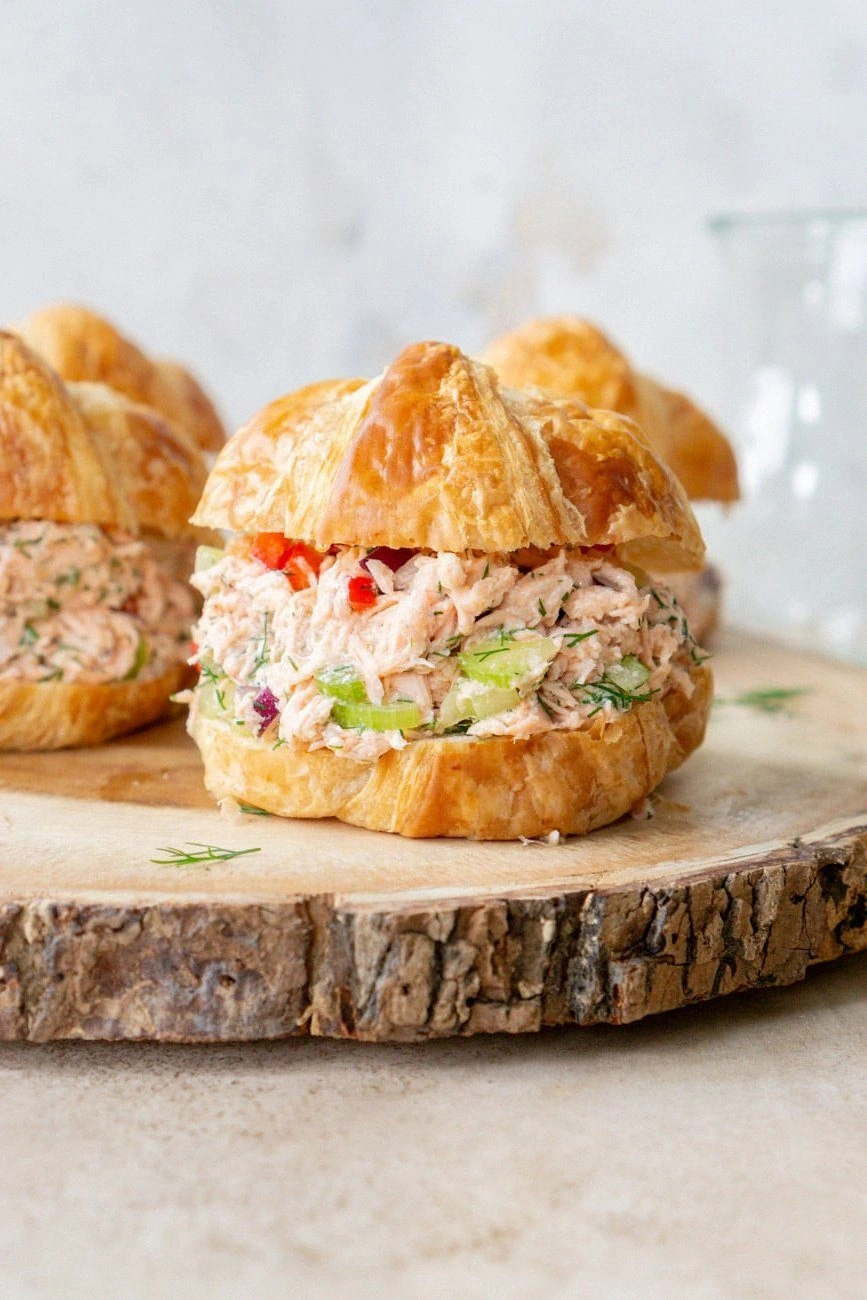
- Visual Appeal: The bright red pepper and green dill create a vibrant color palette that makes the dish Instagram‑ready and appetizing.
- Balanced Nutrition: Packed with protein, healthy fats, and fiber, this sandwich satisfies both your taste buds and your body’s daily needs.
Alright, let's break down exactly what goes into this masterpiece...
Inside the Ingredient List
The Flavor Base
Fresh salmon is the heart of this sandwich. It’s the protein that brings a delicate, buttery taste that’s far superior to smoked or canned salmon. If you’re in a hurry, a pre‑cooked salmon fillet works, but the texture and flavor will be noticeably different. The 1.5 lbs of salmon used here provides about 6 ounces per serving, which is ideal for a hearty lunch. For those who prefer a milder taste, lightly season the fillet with kosher salt and pepper before cooking.
The Texture Crew
Red onion, celery, and red pepper add crunch and depth. The onion’s sharp bite cuts through the richness of the salmon, while celery introduces a subtle bitterness that balances the overall flavor profile. Red pepper’s natural sweetness gives the salad a pop of color and a gentle heat that’s not overpowering. If you’re allergic to red onions, substitute with shallots for a gentler flavor.
The Unexpected Star
Dill is the unsung hero of this recipe. Its bright, piney aroma elevates the entire dish, turning a simple salad into a gourmet experience. Fresh dill is preferable, but if you only have dried, use half the amount to avoid overpowering the other flavors. A pinch of dill can transform a bland sandwich into a culinary masterpiece.
The Final Flourish
Greek yogurt, Dijon mustard, and lemon juice form a silky sauce that binds the salad together. The yogurt provides creaminess without the heaviness of mayonnaise, while the mustard adds a subtle piquant kick. Lemon juice not only brightens the dish but also prevents the salmon from drying out during cooking. Salt and pepper are added to taste, allowing you to adjust the seasoning at the end of the cooking process.
Everything's prepped? Good. Let's get into the real action...
The Method — Step by Step
- Preheat your oven to 375°F (190°C). While the oven warms, slice the croissants in half horizontally, keeping the bottom halves intact. Place the croissant halves on a baking sheet, butter side up, and toast in the oven for 5–7 minutes until golden and slightly crispy. The aroma of freshly baked bread will fill the kitchen, creating a sensory backdrop that makes the entire process feel indulgent.
- Season the salmon fillet on both sides with ¼ tsp kosher salt and ¼ tsp black pepper. Heat a large non‑stick skillet over medium‑high heat and add a splash of olive oil. Once the oil shimmers, place the salmon skin‑side down. Cook for 4–5 minutes until the skin is crisp and the flesh releases easily from the pan. Flip carefully and cook for another 3–4 minutes, or until the salmon is opaque and flakes easily with a fork.
- Transfer the cooked salmon to a cutting board and let it rest for a minute. Then, using two forks, flake the salmon into bite‑sized pieces, discarding any large skin fragments. The flaking technique ensures each piece is tender and ready to mingle with the other ingredients.
- While the salmon rests, dice the red onion, red pepper, and celery into small, uniform cubes. The uniform size ensures an even distribution of flavor and texture throughout the sandwich. If you prefer a milder bite, soak the diced onion in cold water for 5 minutes before draining.
- In a medium bowl, combine the Greek yogurt, 1.5 tbsp Dijon mustard, 2 tbsp lemon juice, and a pinch of salt and pepper. Whisk until the mixture is smooth and slightly thickened. The yogurt base will act as a binder, holding the salmon and veggies together while adding a creamy contrast to the flaky fish.
- Add the flaked salmon, diced vegetables, and 2 tbsp fresh dill to the yogurt mixture. Gently fold everything together, ensuring that the salmon is evenly coated and the vegetables are lightly enveloped by the sauce. This is the moment of truth; the flavors should meld together like a well‑orchestrated symphony.
- Spread a generous amount of the salmon salad onto the toasted croissant halves. Press gently to ensure the filling stays in place. The croissant’s buttery interior will complement the savory salmon, creating a harmonious bite.
- If desired, add a few fresh dill sprigs or a sprinkle of extra lemon zest on top for a burst of aroma. Slice the sandwiches in half diagonally, revealing the colorful layers inside. Serve immediately, or wrap tightly in parchment paper and refrigerate for up to 2 hours if you’re on the go.
That's it — you did it. But hold on, I've got a few more tricks that'll take this to another level...
Insider Tricks for Flawless Results
The Temperature Rule Nobody Follows
Many people cook salmon at a high heat, but the secret is to keep the skillet at medium‑high and let the fish rest for a minute after cooking. This brief rest period allows the residual heat to finish the cooking process gently, preserving moisture and tenderness. I’ve tried this technique for years, and the difference is unmistakable: a buttery, moist interior versus a dry, rubbery one.
Why Your Nose Knows Best
Before you start seasoning, sniff the lemon juice. A bright, citrusy aroma signals freshness and ensures that the tang will cut through the richness of the salmon. If the scent is flat, it’s time to swap the bottle. Fresh lemon juice is the backbone of the sauce, so don’t compromise on quality.
The 5‑Minute Rest That Changes Everything
After flaking the salmon, let it rest on a paper‑towel‑lined plate for 5 minutes. This step allows the fish to re‑absorb some of the juices, making the filling more cohesive and flavorful. I’ve seen people skip this, and the result is a dry, crumbly salad that fails to bind.
The Quick Toast Trick
If you’re in a hurry, skip the oven and toast the croissant halves in a dry skillet over medium heat. The result is a golden, crisp crust that’s just as satisfying, and it saves you a few minutes of oven time. Just watch closely—croissants can burn quickly if left unattended.
The Secret to a Creamy Sauce
Use Greek yogurt that’s been chilled overnight; it’s thicker and less likely to separate when mixed with lemon juice and mustard. If you prefer a lighter texture, whisk in a tablespoon of water or a splash of milk to thin the sauce just slightly. This tweak keeps the sauce silky without compromising flavor.
The Final Touch of Freshness
Right before serving, sprinkle a handful of fresh dill leaves over the top. The aroma of fresh herbs releases instantly, adding a fresh note that elevates the entire sandwich. This simple step is often overlooked but can make the difference between a good sandwich and a great one.
Creative Twists and Variations
The Mediterranean Twist
Swap the Greek yogurt for feta cheese crumbled into the sauce, and add a splash of extra virgin olive oil. The feta’s briny flavor pairs beautifully with the salmon, giving the sandwich a distinctly Mediterranean vibe. Serve on a crusty ciabatta for a rustic touch.
The Low‑Carb Option
Replace the croissant with a sturdy lettuce leaf or a thinly sliced cucumber for a refreshing, low‑carb alternative. The crunch of the lettuce or cucumber keeps the sandwich light, while the salmon salad provides the necessary protein punch. This version is perfect for a quick, healthy lunch.
The Sweet Heat Variation
Add a handful of diced mango and a pinch of cayenne pepper to the salad. The mango’s sweetness balances the heat from the cayenne, creating a complex flavor profile that’s both sweet and spicy. It’s a great way to spice up your lunch routine.
The Smoky Flavor Boost
Incorporate a tablespoon of smoked paprika into the yogurt mixture for a subtle smoky undertone. The paprika pairs with the salmon’s natural flavor, giving the sandwich a depth that feels like a slow‑cooked meal. This tweak works well for those who love smoky dishes.
The Breakfast‑Inspired Take
Serve the salmon salad on a toasted English muffin instead of a croissant. Top with a fried egg for an extra protein boost and a brunch‑ready meal. The combination of savory salmon, creamy sauce, and runny yolk is a breakfast delight.
Storing and Bringing It Back to Life
Fridge Storage
Store the assembled sandwiches in an airtight container for up to 24 hours. The croissant will stay crisp for the first 12 hours, but after that it may soften slightly. If you’re storing for longer, keep the croissant halves separate from the filling and assemble right before eating.
Freezer Friendly
Wrap the salmon salad tightly in plastic wrap, then place in a freezer bag. Freeze for up to 2 weeks. When ready to use, thaw in the refrigerator overnight. Reheat the croissant halves in a toaster oven for 3–4 minutes to restore crispness.
Best Reheating Method
To reheat the sandwich, place it in a preheated oven at 350°F (175°C) for 5–7 minutes. Add a splash of water to the baking dish to create steam, which keeps the salmon moist and prevents the croissant from drying out. The result is a sandwich that tastes almost as fresh as when it was first made.