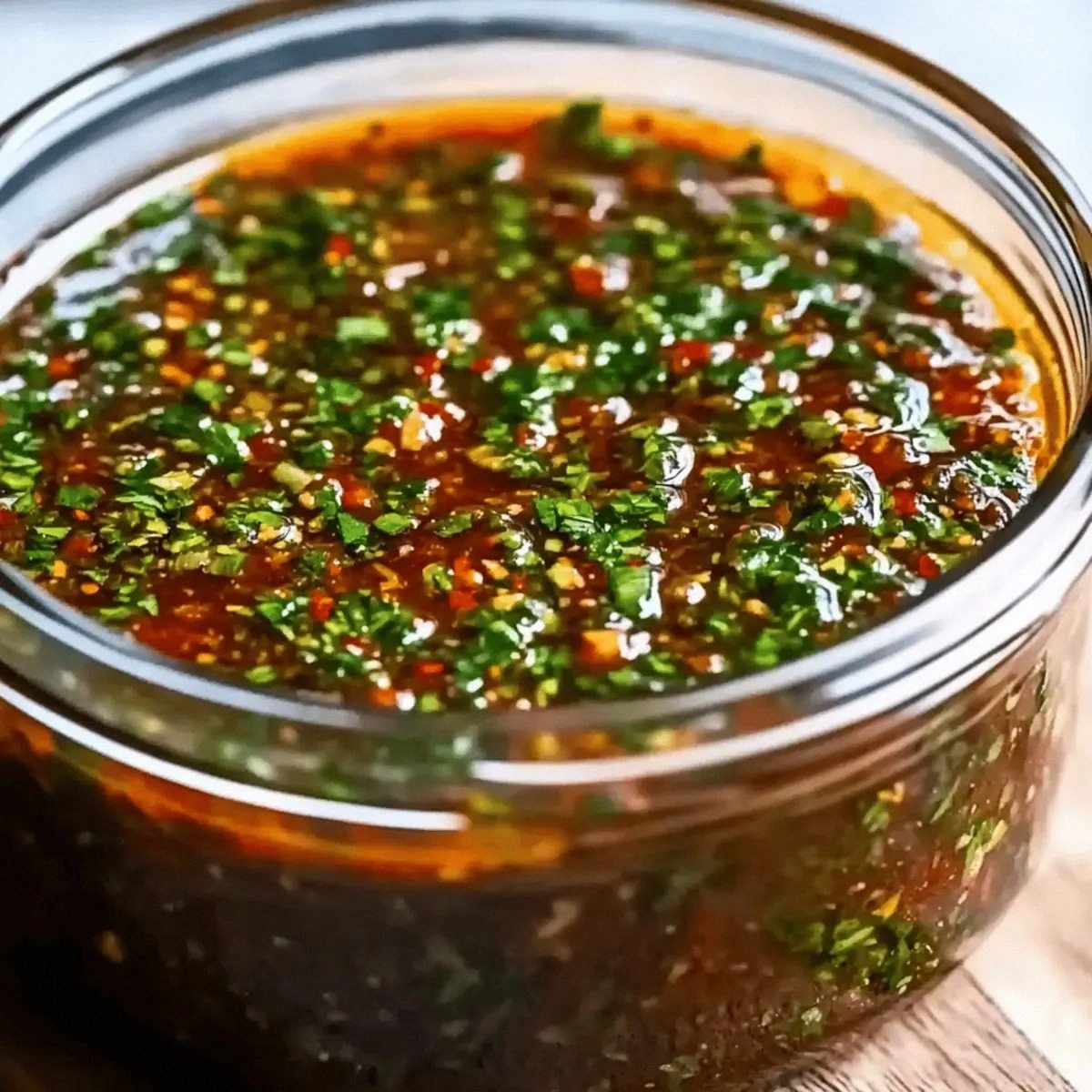
Picture this: it’s a Tuesday night, I’m standing in my kitchen wearing my "I’m not yelling, I’m Italian" apron, and I’ve got a flank steak that looks like it’s been to the gym more than I have. I reach for the usual green chimichurri, and then it hits me—what if we gave this classic a smoky, crimson twist that could make a vegetarian weep tears of joy? Fast-forward through three batches (okay, four—I’ll be honest, I ate half of batch two straight from the blender), and here we are: a savory, smoky red chimichurri so good it should come with a warning label. That first spoonful? It’s like someone took the soul of Argentina, added a campfire, and invited your taste buds to dance the tango.
The aroma alone is enough to make my neighbor’s cat park itself at my back door—garlic hitting hot oil, paprika blooming like a sunset, and that sharp snap of vinegar that clears your sinuses faster than a roller-coaster drop. I dare you to taste this and not go back for seconds. I’ve slathered it on everything from scrambled eggs to yesterday’s cardboard-try of a gluten-free pizza, and each time it performs a mic-drop moment. If you’ve ever struggled with sauces that taste flat, oily, or—heaven forbid—boring, you’re not alone, and I’ve got the fix.
Most recipes get this completely wrong: they treat chimichurri like a parsley purée with commitment issues. Not here. We’re coaxing out layers—smoked paprika doing tango with red pepper flakes, red wine vinegar cutting through olive oil like a hot knife, and a whisper of red onion that melts into sweet submission. Okay, ready for the game-changer? We’re toasting the paprika briefly in oil first. That sizzle when it hits the pan? Absolute perfection. Stay with me here—this is worth it.
By the time you finish reading, you’ll have a jar of liquid confidence that upgrades humble veggies, makes steak feel like royalty, and transforms leftover rice into something you’d actually look forward to. Picture yourself pulling this out of the fridge tomorrow, the whole kitchen smelling incredible as you unscrew the lid. Let me walk you through every single step—by the end, you’ll wonder how you ever cooked without it.
What Makes This Version Stand Out
Smokiness: We bloom smoked paprika in warm olive oil, unlocking a deep campfire nuance you can’t get by simply stirring spices in cold. The result is a round, sultry aroma reminiscent of outdoor asados without needing charcoal or hardwood.
Color Pop: That ruby-red hue comes from both the smoked paprika and the subtle blush of red onion. It photographs like a dream and signals to guests that they’re about to taste something bold before the spoon even hits the plate.
Balance: Most chimichurris lean too acidic or too oily. We hit a 4:1 oil-to-vinegar ratio plus a whisper of honey (optional) that rounds the sharp corners without turning it sweet—think of it as culinary sandpaper smoothing every edge.
Texture: We pulse, not purée. You’ll see individual herb flecks and tiny onion squares suspended like confetti in the oil. Every bite delivers a gentle crunch and bursts of fresh greenery, not baby-food mush.
Make-Ahead Magic: Flavors meld and intensify overnight. I make a double batch on Sunday; by Thursday it’s somehow even better, which is saying a lot because day-one it already disappears faster than free Wi-Fi.
Universal Crowd-Pleaser: Carnivores slather it on steak, vegetarians marry it with grilled cauliflower, and even my eight-year-old niece dips sweet-potato fries in it. This sauce is the Switzerland of condiments.
Ingredient Integrity: We’re talking fresh parsley and cilantro, good extra-virgin olive oil, and real-deal smoked Spanish paprika. No dried flakes from the back of your spice drawer that lost their mojo in 2018.
Alright, let’s break down exactly what goes into this masterpiece...
Inside the Ingredient List
The Flavor Base
Parsley isn’t just a pretty face; it’s the grassy backbone that keeps this sauce from becoming a one-note smoky bomb. Choose flat-leaf (Italian) parsley—curly parsley tastes like lawn clippings and wilts into soggy shreds. Give it a quick ice-water bath to perk up limp bunches, then spin dry so the oil clings rather than slips off.
Cilantro walks in with citrusy high notes, cutting through richness like a squeeze of lime on fish tacos. If you’re genetically wired to taste soap when cilantro shows up, swap in fresh oregano—but only use half the volume because oregano punches harder than an older sibling.
Garlic provides the bassline. Mince it fine; big chunks will burn your tongue and scare away potential date-night prospects. Want a mellower vibe? Smash the cloves and let them lounge in the finished sauce overnight, then fish them out—flavor without dragon breath.
The Texture Crew
Red onion adds micro-crunches and a jammy sweetness once the acid tames the sulfur. Dice it smaller than your pinky nail so you don’t chomp into a sulfur bomb. Rinse under cold water for ten seconds to mellow the bite without washing away personality.
Red wine vinegar is the zippy friend who refuses to let the party stall. It brightens smoke, sharpens oil, and keeps herbs from oxidizing into murky brown. No red-wine vinegar? White wine or sherry vinegar work, but skip balsamic—it’s too sweet and would muddy the color.
The Unexpected Star
Smoked paprika is the Beyoncé of this concert—spotlight-stealing, effortlessly cool, and worth the extra ticket price. Buy Spanish pimentón dulce or agrodulce for gentle heat with sweet paprika undertones. The cheap grocery-store stuff usually tastes like ashtrays; invest a dollar more and your future self will write you thank-you notes.
The Final Flourish
Red pepper flakes give a slow-building heat that blooms at the back of your throat, not on the tip of your tongue. Start conservative; you can always stir in more, but you can’t un-spice a lava flow. Salt amplifies everything, so season after the sauce rests—flavors concentrate as herbs bleed moisture.
Everything’s prepped? Good. Let's get into the real action...
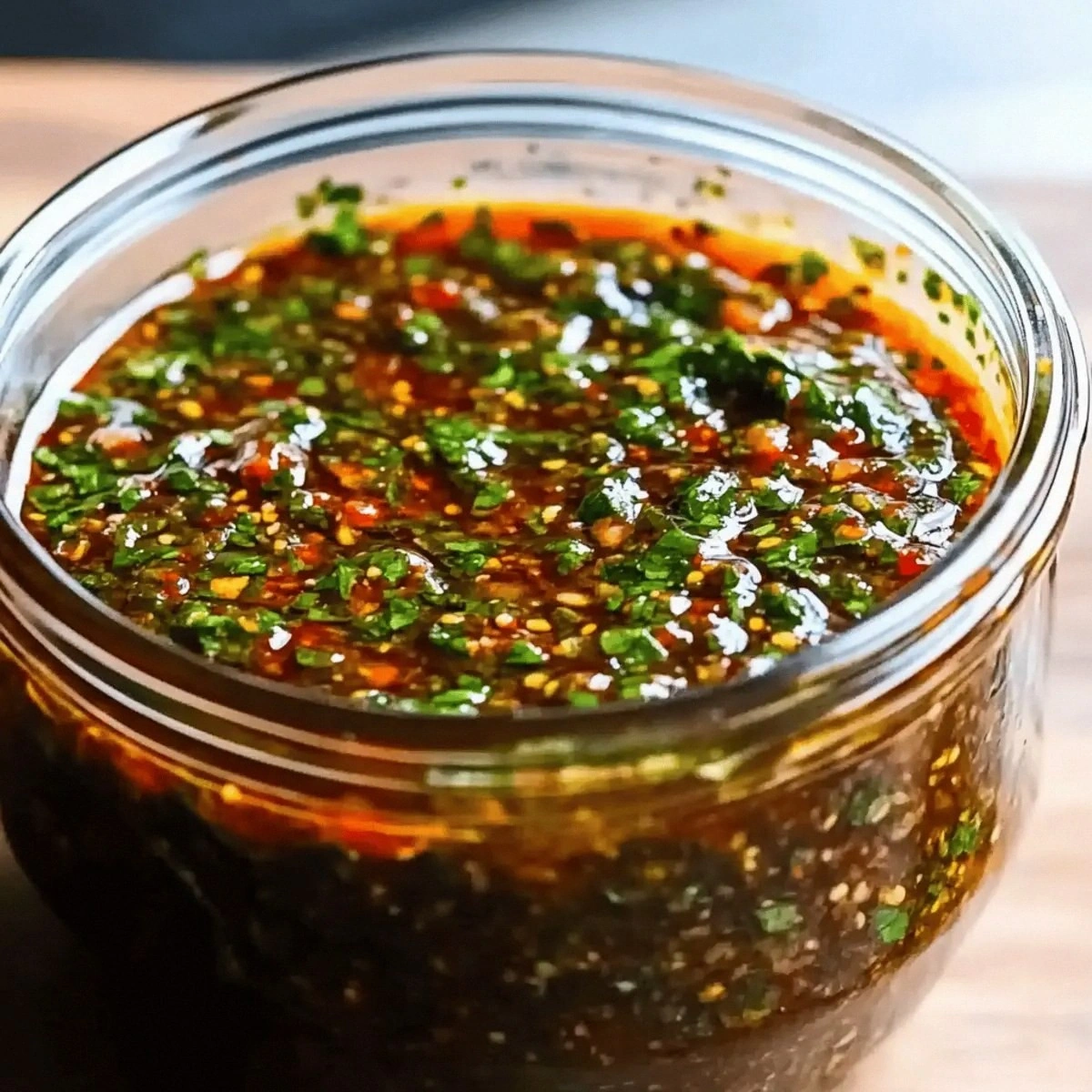
The Method — Step by Step
-
Place a small skillet over medium heat for 60 seconds. You want it hot enough that a droplet of water skitters, not splatters—think of a trampoline, not a swamp. Pour in the olive oil and swirl to coat; it should shimmer like a mirage but stay under the smoke point. If your kitchen suddenly smells like burned popcorn, you’ve gone too far—start over or risk bitter sauce.
-
Sprinkle the smoked paprika into the warm oil and whisk continuously for 45 seconds. The mixture will foam gently and turn the color of Spanish tile roofs. Keep the heat steady; this is not the time to answer a text. Your nose should detect campfire vibes; your eyes should see a velvety rouge swirl. Remove from heat and let it cool for five minutes so the herbs won’t scorch when they dive in.
-
Meanwhile, combine parsley, cilantro, and garlic on a cutting board. Rock your knife through them like you’re mowing a tiny herb lawn—aim for confetti, not mulch. Transfer the mixture to a medium bowl; this tactile step wakes up the greens and releases aromatics that’ll make your kitchen smell like a spring meadow after rain.
-
Add the finely chopped red onion to the bowl. Pinch and fluff the herbs so the onion bits don’t clump together like awkward teenagers at a school dance. Season lightly with a pinch of salt; this draws moisture and starts the flavor mingling process. Give everything a gentle toss with your fingers—yes, fingers—so you can feel if any rogue herb stems are staging a rebellion.
-
Pour the cooled paprika oil into the bowl, scraping every last brick-red speck with a silicone spatula. Stir with a spoon for 30 seconds, coating each green fleck in sunset-hued oil. The mixture should glisten like it just stepped out of a spa, not drown like it missed the last lifeboat.
-
Whisk the red wine vinegar in a separate cup, then drizzle it around the bowl’s edge rather than dumping it in the center. This prevents acid shock that could brown the herbs faster than a bad tanning bed. Fold gently; you’ll see the color brighten as acid reacts with chlorophyll—a mini science experiment worth Instagramming.
-
Sprinkle in red pepper flakes, black pepper, and a final pinch of salt. Let the sauce sit uncovered for 10 minutes so volatile compounds can mellow and marry. Walk away, wash some dishes, practice your acceptance speech for Best Home Cook—just give it space.
-
Taste with a clean spoon. It should sing in four-part harmony: bright acid, herbaceous lift, smoky depth, and slow-burn heat. Adjust with more salt or vinegar if needed; your palate is the GPS. Remember, flavors will deepen once it chills, so err on the side of slightly under-salted at this stage.
That's it—you did it. But hold on, I've got a few more tricks that'll take this to another level...
Insider Tricks for Flawless Results
The Temperature Rule Nobody Follows
Always bring your chimichurri to room temp before serving if it’s been in the fridge. Cold oil dulls flavors the same way a freezer zaps banana aroma. Set the jar on the counter 20 minutes before mealtime; you’ll be rewarded with a sauce that tastes alive instead of sleepy.
Why Your Nose Knows Best
Smell your herbs before purchasing. Fresh parsley should evoke a rainy lawn; cilantro should smell like lemon zest and sunshine. If you detect mustiness, keep walking—those greens are already composting in the bag and will turn your sauce muddy faster than cheap sneakers in a rainstorm.
The 5-Minute Rest That Changes Everything
After mixing, let the sauce sit uncovered for five minutes, then lay plastic wrap directly on the surface like a skin. This prevents oxidation and keeps that vibrant red hue from browning like a sliced apple. A friend tried skipping this step once—let’s just say it looked like barbecue sauce that gave up on life.
Oil Quality = Flavor Quality
Use an olive oil you’d happily dip bread into. If it smells like crayons or tastes greasy, your chimichurri will carry that baggage. I reach for a grassy, peppery Argentine or Portuguese oil; it stands up to paprika without stealing the show.
The Herb-Stem Secret
Use tender parsley stems—they carry concentrated oils and add snap. Discard only the thick cilantro stems; they can taste like dish soap amplified. Chop them fine and nobody will know you trimmed your food waste bill.
Creative Twists and Variations
This recipe is a playground. Here are some of my favorite ways to switch things up:
Fire-Roasted Pepper Remix
Swap half the smoked paprika for 1 tsp of crushed Calabrian chile paste. The sauce turns brick-red with fruity heat and slight sweetness that pairs ridiculously well with lamb chops. Warning: it’s habit-forming.
Citrus-Cilantro Sunshine
Replace red wine vinegar with equal parts lime and orange juice. Add 1 tsp of finely zested orange peel. Suddenly you’ve got a Caribbean vacation in condiment form—try it on grilled shrimp and prepare for applause.
Mint-Mediterranean Escape
Sub half the parsley for fresh mint and stir in ½ tsp ground cumin. Slather on roasted eggplant or swirl into Greek yogurt for a two-minute mezze upgrade that’ll have you saying "opa!" without breaking plates.
Umami Bomb
Blend in 1 tsp of miso paste with the vinegar. The fermented soybean adds mysterious depth that makes people ask, "What’s your secret?" Just smile enigmatically and hoard the leftovers.
Sweet-Smoky Dessert Dip
Add 1 tsp honey and a pinch of cinnamon. Serve alongside grilled pineapple or peach halves. Sounds weird until you taste it—then it’s summer on a spoon.
Extra-Thick Burger Spread
Fold in 2 Tbsp finely minced roasted red pepper and 1 Tbsp mayo. The emulsion clings to buns without dripping, turning even a mediocre store-bought patty into something worth Instagram stories.
Storing and Bringing It Back to Life
Fridge Storage
Pour into the smallest airtight jar you can fill, leaving minimal headspace. Top with a thin layer of olive oil to seal out oxygen. It keeps 10 days refrigerated, though mine never survives past Wednesday because midnight snacks happen.
Freezer Friendly
Freeze in ice-cube trays; each cube is about 2 Tbsp—perfect single-use portions. Once solid, pop cubes into a zip bag, label, and freeze up to 3 months. Thaw overnight in the fridge or 30 seconds in the microwave on 50% power.
Best Reheating Method
There really isn’t one—serve at room temp or chilled. If oil solidifies, microwave the jar (lid off) for 5-second bursts until liquefied, then whisk. Add a splash of vinegar to brighten flavors that dulled in cold storage.