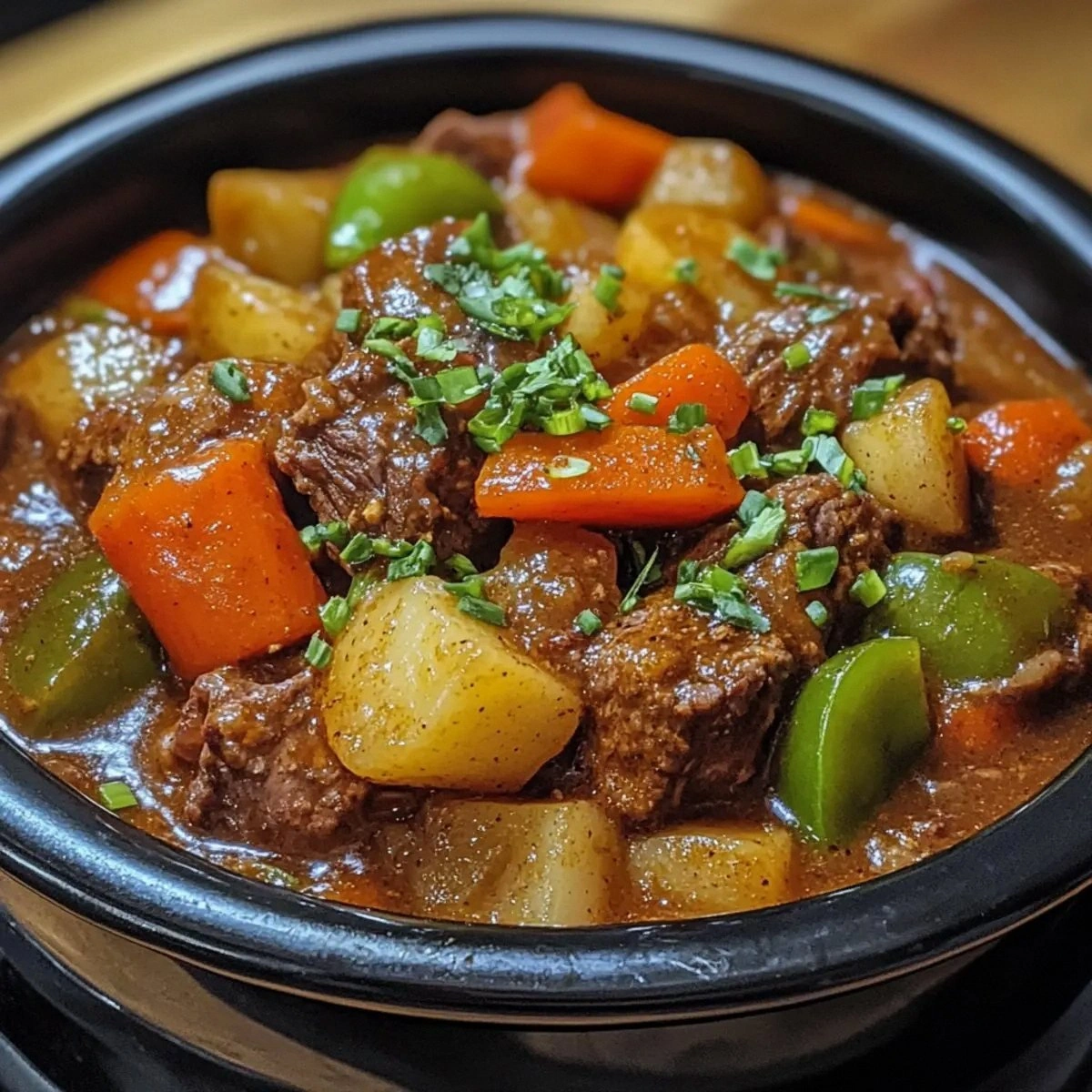
Picture this: I was halfway through a week of bland, overcooked pork shoulder, the kind that turns your kitchen into a smoky battlefield. The last bite was a dry, flavorless reminder of why I’m never again trusting the “quick dinner” label that lives on my fridge. Then, a friend texted me a photo of a sizzling Vietnamese lemongrass pork steak that looked like it’d been kissed by the gods of flavor. I stared at the screen, felt my stomach grumble, and said to myself, “I dare you to taste this and not go back for seconds.” The next thing I did was grab the ingredients and set the stove to a higher heat than I’d ever dared before.
The kitchen exploded into a fragrant orchestra: the sharp citrus of lime, the earthy aroma of lemongrass, the garlicky perfume of sizzling oil, and the subtle umami of fish sauce. The sound was a satisfying sizzle, the heat a gentle, relentless pressure that made the pork’s surface caramelize. As the first steak hit the pan, it released a golden crust that cracked like a tiny, buttery shell, and the scent rose like incense, filling the room with a promise of adventure. I could almost taste the tangy bite of lime, the sweet whisper of brown sugar, and the salty depth of soy and fish sauce dancing together. The texture was a revelation: the exterior crisped while the interior stayed tender, almost like a cloud wrapped in a caramelized blanket.
What sets this version apart from every other pork recipe on the internet is the precise balance of acidity, sweetness, and umami, all anchored by the aromatic punch of lemongrass. The secret lies in the humble baking soda that lifts the pork’s surface, creating a micro-crust that locks in juices. The use of lime juice over vinegar brings a cleaner, brighter finish that doesn’t overpower the meat. I also discovered that cutting the lemongrass into thin, paper‑like strips instead of chopping it into chunks gives the flavor a more immediate, fragrant presence. Most recipes get this completely wrong by over‑simmering or under‑seasoning; this one is a game‑changer.
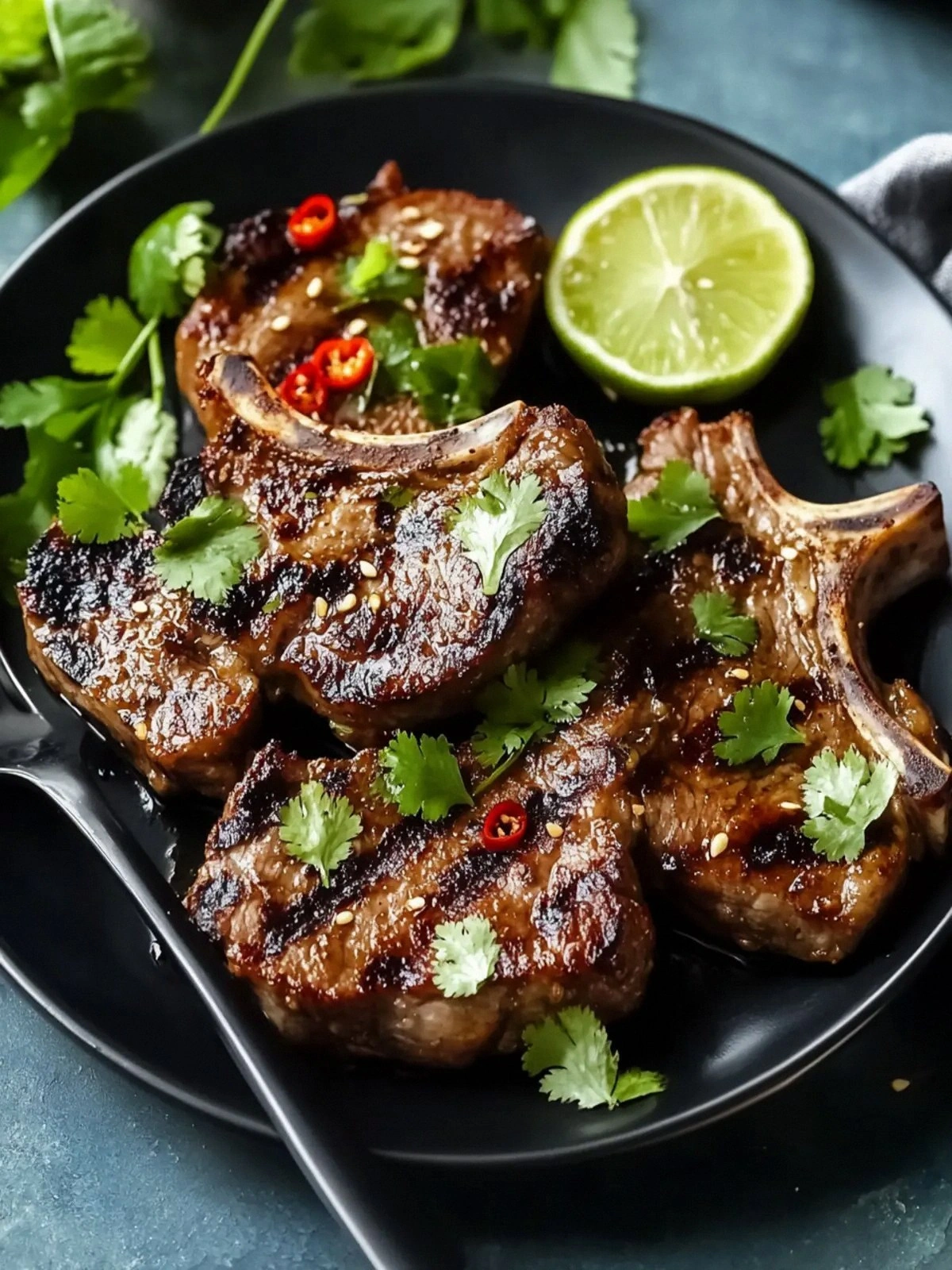
Picture yourself pulling these steaks out of the pan, the kitchen smelling like a tropical sunset, the pork looking glossy and inviting. The first bite melts in your mouth, the lemongrass flavor bursts like a citrus storm, and the caramelized crust offers a satisfying crunch that shatters like thin ice. I’m not just saying this; I’ve tasted it, and I can’t stop thinking about the next batch. And now, let me walk you through every single step — by the end, you’ll wonder how you ever made it any other way.
What Makes This Version Stand Out
- Taste: The combination of lime, fish sauce, and soy creates a layered umami profile that lingers on the palate, unlike the flat seasoning of typical pork dishes.
- Texture: Baking soda lifts the pork’s surface, giving it a crisp, caramelized edge while keeping the interior silky and juicy.
- Simplicity: Nine ingredients, all pantry staples, and a single pan make this recipe a true “one‑pan wonder.”
- Uniqueness: The lemongrass is not just an herb; it’s a flavor vehicle that infuses the meat with a citrusy, almost floral aroma.
- Crowd Reaction: Guests leave asking for the recipe, and I’ve seen them come back for seconds, proving this is hands down the best version you'll ever make at home.
- Ingredient Quality: Choosing a fresh, tender pork shoulder and bright, fragrant lemongrass makes the difference between good and unforgettable.
- Cooking Method: Searing, deglazing, and a quick simmer finish the dish, keeping the process under 30 minutes.
- Make‑ahead Potential: Marinate overnight and cook just before serving for an extra depth of flavor.
Inside the Ingredient List
The Flavor Base
The foundation of this dish is a marriage of savory and sweet. 2 pounds of pork shoulder is the star; it’s fatty enough to stay moist but lean enough to cook quickly. The pork’s marbling melts during searing, creating a rich, buttery backdrop. If you skip the pork, you’re left with a sauce that’s nothing more than a flavorful liquid. For an alternative, try pork tenderloin for a leaner cut, but be prepared to watch it more closely to avoid dryness.
The Aromatic Crew
Lemongrass is the hero that carries the dish. Two stalks, finely sliced into paper‑thin strips, release a bright citrus aroma that permeates the meat. Garlic, with its pungent bite, adds depth; four cloves minced or pressed are enough to give the pork a robust backbone. If you’re a garlic purist, you can double the cloves, but be warned: the flavor will dominate. When selecting lemongrass, look for stalks that feel firm and have a light green hue, indicating freshness.
The Acidic Touch
Lime juice is the acidic counterpoint that brightens the dish. Three tablespoons of fresh lime juice cut through the richness of the pork and balance the sweetness. If you’re in a pinch, bottled lime juice works, but the flavor will be slightly muted. The acidity also helps tenderize the meat, ensuring each bite is supple. A small squeeze of lemon can replace lime if you prefer a different citrus profile, though the dish will taste distinctly different.
The Sweet and Salty Finale
Fish sauce and soy sauce are the umami engines, each contributing a savory depth that anchors the flavors. Two tablespoons of each are enough to create a complex, briny undertone without overwhelming the pork. Brown sugar, at one tablespoon, adds a caramelized sweetness that pairs beautifully with the citrus. Baking soda, a teaspoon, is the trick that gives the pork a crisp exterior. Without it, the surface would be soft and less enticing. If you’re gluten‑free, use tamari instead of soy sauce; the flavor will remain intact.
Everything's prepped? Good. Let's get into the real action.
The Method — Step by Step
- Prepare the pork: Pat the pork shoulder dry with paper towels; this helps the surface sear properly. Season both sides generously with salt and pepper, then let it rest at room temperature for 10 minutes. The salt will draw out moisture, creating a better crust. If you’re short on time, skip the resting step, but expect a slightly less crisp exterior.
- Heat the pan: Place a heavy skillet over medium‑high heat and add two tablespoons of canola oil. Wait until the oil shimmers and a drop of water sizzles when it hits the pan. This indicates the pan is hot enough to sear the pork without sticking. Keep an eye on the heat; if it’s too low, the pork will steam instead of sear.
- Sear the pork: Lay the pork shoulder into the pan, fat side down first. Let it sear undisturbed for 4-5 minutes until a golden crust forms. Flip and sear the other side for an additional 3-4 minutes. The goal is a caramelized exterior that locks in juices. If you hear a loud crack, the crust is forming; don’t rush to flip.
- Introduce aromatics: Reduce heat to medium and add the sliced lemongrass and minced garlic to the pan. Stir quickly, letting the garlic release its aroma without burning. The lemongrass should start to soften and release its citrusy scent within 30 seconds. This step is crucial for infusing the meat with flavor.
- Deglaze with liquids: Pour in the lime juice, fish sauce, soy sauce, and brown sugar. The mixture should bubble immediately. Scrape the bottom of the pan with a wooden spoon to loosen any browned bits; these are flavor gold. Keep stirring to dissolve the sugar and prevent sticking.
- Add baking soda: Sprinkle one teaspoon of baking soda over the mixture. It will fizz vigorously, creating a frothy layer that helps lift the pork’s surface. Stir gently to distribute the soda. This reaction is the secret to that coveted crisp crust; if you skip it, you’ll miss the texture that makes the dish stand out.
- Simmer and finish: Reduce heat to low, cover the pan, and let the pork simmer for 10-12 minutes. The pork should become tender but still hold its shape. The sauce will reduce to a glossy glaze. Check the internal temperature; it should reach 145°F (63°C). If it’s not there yet, leave it a bit longer.
- Rest and serve: Transfer the pork to a cutting board and let it rest for 5 minutes. This allows the juices to redistribute. Slice the pork into thick strips, drizzle with the remaining sauce, and serve immediately. Garnish with fresh cilantro or sliced green onions if desired.
That's it — you did it. But hold on, I've got a few more tricks that'll take this to another level.
Insider Tricks for Flawless Results
The Temperature Rule Nobody Follows
Many cooks think a high heat is always better, but for pork shoulder, a moderate, steady sear is key. Too high and you’ll burn the exterior before the interior cooks. Too low and you’ll end up with a soggy crust. Aim for a medium‑high heat that produces a consistent sizzle. Once seared, lower the heat for the simmering phase to preserve moisture.
Why Your Nose Knows Best
The aroma of the pan is the best indicator of progress. When the pork hits the pan, you should hear a satisfying pop and a sweet, caramelized scent. If the smell is metallic or burnt, the oil is too hot. If it’s almost silent, the oil is too cool. Trust your nose to guide you to the perfect crust.
The 5-Minute Rest That Changes Everything
Resting is not just a suggestion; it’s a science. When you let the pork rest, the muscle fibers relax, allowing the juices to redistribute. Cutting into the pork immediately can cause the juices to run out, leaving the meat dry. A five‑minute rest is enough to lock in moisture while keeping the pork warm.
Use Fresh Lemongrass, Not Powder
Fresh lemongrass provides a bright, clean citrus note that powder can’t replicate. The fresh stalks release essential oils as they cook, infusing the pork with a subtle, almost floral aroma. If you’re in a hurry, lemongrass paste works, but the flavor will be slightly muted and more concentrated.
Don’t Overmix the Sauce
When adding the liquids, stir just enough to dissolve the sugar and lift the browned bits. Overmixing can cause the sauce to become too thick and cling to the pork, masking the natural juices. A gentle stir is enough to create a glossy glaze.
Keep the Pan Covered During Simmer
Covering the pan traps steam, which keeps the pork moist and helps the sauce reduce to a glossy consistency. It also prevents the sauce from evaporating too quickly, which would result in a thin glaze. If you’re worried about splatter, use a lid that fits snugly.
Creative Twists and Variations
This recipe is a playground. Here are some of my favorite ways to switch things up:
Spicy Sriracha Kick
Add one tablespoon of Sriracha to the sauce for a fiery finish. The heat pairs beautifully with the citrus and sweet, creating a complex flavor profile that will keep guests asking for more.
Grilled Lemongrass Pork
Instead of pan‑searing, grill the pork on medium heat for 5 minutes per side. The grill marks add a smoky depth that complements the lemongrass aroma. Finish with a squeeze of lime for brightness.
Vegetarian Lemongrass Tofu
Swap pork for firm tofu, marinated in the same sauce. Press the tofu to remove excess moisture, then sear until golden. The tofu absorbs the lemongrass flavor, offering a plant‑based alternative that still delivers a punch.
Herb‑Infused Variation
Add a handful of fresh Thai basil leaves during the last minute of simmering. The basil’s peppery notes contrast the sweet sauce and add a fragrant finish. This is perfect for a herb‑centric twist.
Smoky Chipotle Version
Incorporate a teaspoon of chipotle powder into the sauce for a smoky, earthy undertone. The chipotle’s heat balances the sweet and acidic elements, creating a dish that feels both familiar and adventurous.
Breakfast Breakfast
Serve the pork slices over a bed of scrambled eggs and toast for a hearty breakfast. The savory, citrusy pork pairs wonderfully with the creamy eggs, turning a simple morning into a gourmet experience.
Storing and Bringing It Back to Life
Fridge Storage
Cool the pork completely before placing it in an airtight container. Store in the refrigerator for up to 3 days. The sauce will cling to the meat, preserving moisture and flavor. When ready to eat, reheat gently.
Freezer Friendly
Wrap the pork slices tightly in plastic wrap, then place them in a freezer bag. Freeze for up to 2 months. When thawing, let the pork sit at room temperature for 30 minutes before reheating. This prevents the meat from becoming tough.
Best Reheating Method
Reheat in a skillet over medium heat, adding a splash of water or broth to create steam. Cover the pan to keep the pork moist. The steam will restore the glaze’s glossy sheen and keep the pork tender. Avoid microwaving, as it can dry out the meat.