I was standing in my kitchen, halfway through a burnt batch of rice, when the idea hit me like a lightning bolt. The pot had turned into a small volcano, and I was staring at a mound of scorched grains that smelled like charred toast. I knew I needed a rescue plan that would salvage the rice, add flavor, and somehow make the kitchen smell like a summer garden. That was when I discovered the secret to turning a culinary catastrophe into a crowd‑pleasing masterpiece. And trust me, this is one of those moments that sticks in your memory like a delicious scar.
Picture the kitchen: the stovetop humming, the air thick with the aroma of sizzling garlic and ginger, the sound of the wok dancing. Your eyes catch the golden sheen of melted vegan butter, the steam curling like a lazy cloud, the frozen vegetables popping with each stir. The taste, once you bite, is a silky blend of umami, nutty butter, and a whisper of sweet miso that coats every grain. The texture is a satisfying contrast: rice that remains fluffy yet crisp at the edges, veggies that are tender but still bite. And the finish? A subtle, savory glaze that makes every spoonful feel like a hug from an old friend.
What sets this version apart is the audacious marriage of miso and vegan butter, a duo that most fried rice recipes shy away from. Miso brings depth, a fermented richness that balances the buttery sweetness, while the butter adds a luxurious mouthfeel that feels indulgent yet plant‑based. The day‑old rice is the secret weapon, ensuring the grains stay separate and absorb the sauce without turning mushy. And the addition of toasted sesame oil? It elevates the entire dish with a nutty aroma that lingers long after the last bite. Together, these elements create a dish that feels both familiar and daring, a testament to how simple tweaks can revolutionize comfort food.
I dare you to taste this and not go back for seconds, because once you experience that silky coating, the ordinary fried rice you know will never be the same. The trick? Let the miso dissolve fully in the butter before adding the rice—think of it as a sauce that coats each grain like velvet. The result is a dish that is hands down the best version you'll ever make at home, with a flavor profile that will have friends begging for your secret. Picture yourself pulling this out of the wok, the whole kitchen smelling incredible, and the table filled with eager diners. Let me walk you through every single step—by the end, you'll wonder how you ever made it any other way.
What Makes This Version Stand Out
- Flavor: The combination of shiro miso and vegan butter creates a depth that is both savory and subtly sweet, turning a simple fried rice into a gourmet experience. The miso’s fermented notes mingle with the buttery richness, delivering a complex umami profile that lingers on the palate.
- Texture: Day‑old rice is the key to achieving a fluffy yet slightly crisp edge, a contrast that satisfies the crunch lovers and the comfort seekers alike. The frozen vegetable mix adds bite without compromising the overall tenderness of the dish.
- Simplicity: Despite the indulgent flavor, the recipe requires only nine ingredients and a single pan, making it a go‑to option for busy nights. The method is straightforward, so even novice cooks can master it.
- Uniqueness: Few fried rice recipes incorporate both miso and vegan butter, giving this version a distinctive edge that sets it apart from the usual soy‑based fare.
- Crowd Reaction: Friends who taste this dish often comment that it feels like a restaurant‑level meal, and many ask for the exact ratio of miso to butter. The dish’s vibrant aroma alone can draw a crowd.
- Make‑ahead Potential: The dish is ideal for meal prep; it freezes well and reheats beautifully, making it a reliable option for busy schedules.
Inside the Ingredient List
The Flavor Base
Shiro miso paste is the star that brings a sweet, slightly tangy depth to the dish. Its delicate flavor balances the richness of the vegan butter, creating a harmonious umami profile. If you prefer a stronger umami punch, switch to a darker miso but reduce the amount by half to avoid overpowering the dish.
The Texture Crew
Day‑old rice is the secret weapon that keeps each grain separate and prevents a mushy outcome. If you only have freshly cooked rice, let it cool completely on a baking sheet; this dries the surface and mimics the texture of day‑old rice. Frozen vegetable mix is chosen for its convenience and natural sweetness, which contrasts nicely with the savory sauce.
The Unexpected Star
Toasted sesame oil adds a nutty aroma that permeates the entire dish. The oil’s low smoke point means you should add it at the very end to preserve its delicate flavor. A few drops of sesame oil can transform a plain fried rice into an aromatic masterpiece.
The Final Flourish
Scallions provide a bright, fresh finish that cuts through the richness of the butter and miso. They also add a subtle crunch and a pop of color that makes the dish visually appealing. Feel free to add a sprinkle of toasted sesame seeds for extra texture.
Everything's prepped? Good. Let's get into the real action...
The Method — Step by Step
- Heat a large wok or skillet over medium‑high heat. Add 2 tablespoons of vegan butter and let it melt until it shimmers but hasn't browned. This creates a buttery base that will carry the miso’s flavor. Keep an eye on the butter; if it starts to foam, reduce the heat slightly.
- Add the minced garlic and finely grated ginger, sautéing for about 30 seconds until fragrant. The aroma should be sharp and inviting, like a fresh garden in spring. Stir constantly to prevent burning, which would introduce bitterness.
- Introduce the frozen vegetable mix, stirring until it just thaws and takes on a light pink hue. The vegetables should release steam and become slightly translucent. This step locks in natural sweetness and keeps the dish colorful.
- Push the veggies to the side of the pan, pour in the remaining tablespoon of vegan butter, and let it melt. Once melted, swirl the pan to coat the vegetables evenly. This creates a glossy, buttery layer that will enhance the miso’s richness.
- Add the day‑old rice, breaking up clumps with a spatula. Stir-fry for about 3–4 minutes, allowing the rice to heat through and absorb the buttery sauce. The rice should feel slightly dry to the touch, not sticky.
- Stir in the miso paste, toasted sesame oil, and soy sauce, mixing until the rice is evenly coated and the sauce becomes glossy. The mixture should emit a warm, nutty aroma. Taste and adjust seasoning with a splash more soy sauce if needed.
- Fold in the chopped scallions, giving the dish a fresh, bright finish. Let the rice rest in the pan for another minute to develop a slight crisp on the bottom. This final touch ensures a satisfying crunch that contrasts the silky sauce.
- Taste one last time, adjusting with soy sauce or a sprinkle of sea salt if desired. Transfer the rice to a serving dish, garnish with extra scallions or toasted sesame seeds if you like, and serve immediately while hot.
That's it — you did it. But hold on, I've got a few more tricks that'll take this to another level...
Insider Tricks for Flawless Results
The Temperature Rule Nobody Follows
The pan should be hot enough that the butter sizzles immediately, but not so hot that it burns. A quick test: drop a drop of water; if it dances and evaporates, the heat is perfect. This ensures the rice sears rather than steams.
Why Your Nose Knows Best
Your sense of smell is a reliable indicator of doneness. When the rice starts to emit a toasted, nutty aroma, it means the surface has caramelized just right. Trust that scent; it’s the secret to a perfect finish.
The 5‑Minute Rest That Changes Everything
After stirring in the miso, let the rice rest in the pan for five minutes before serving. This pause allows the sauce to thicken and the flavors to meld, giving the dish depth and body. I once rushed this step and the result felt thin; the rest makes all the difference.
Don’t Skip the Butter
Vegan butter is not just a substitute; it’s a flavor enhancer. Its creamy texture coats the grains, creating a velvety mouthfeel. If you replace it with regular butter, you lose the plant‑based ethos and the dish’s subtle richness.
Use Day‑Old Rice, Not Fresh
Fresh rice tends to release moisture during stir‑frying, resulting in a mushy texture. Day‑old rice, on the other hand, has dried out slightly, allowing it to crisp up and absorb the sauce beautifully. If you’re short on time, spread fresh rice on a baking sheet and let it cool for at least 30 minutes.
Creative Twists and Variations
This recipe is a playground. Here are some of my favorite ways to switch things up:
Sriracha‑Infused Heat
Swap a tablespoon of soy sauce with sriracha for a spicy kick that pairs beautifully with miso. The heat layers over the buttery base, creating a complex flavor profile that excites the palate. Serve with a side of cool cucumber salad to balance the spice.
Miso‑Glazed Tofu
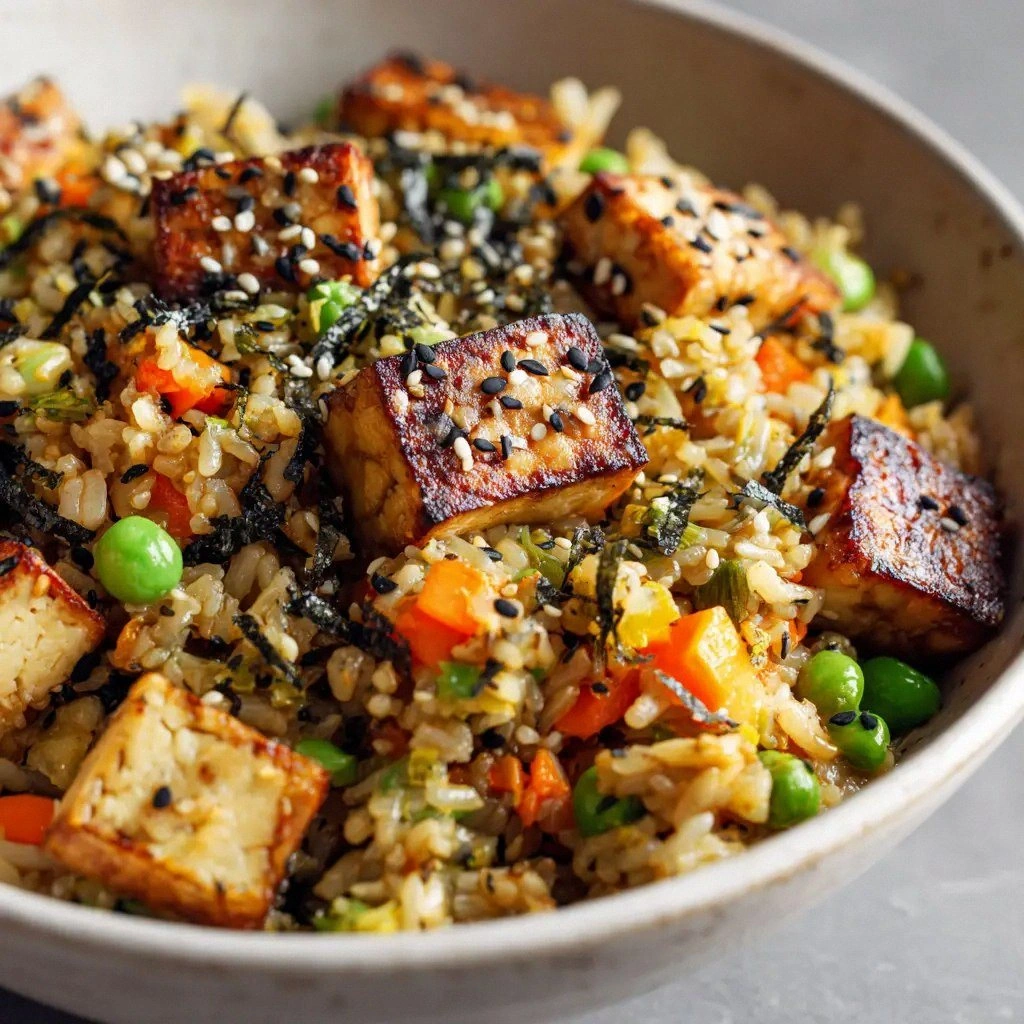
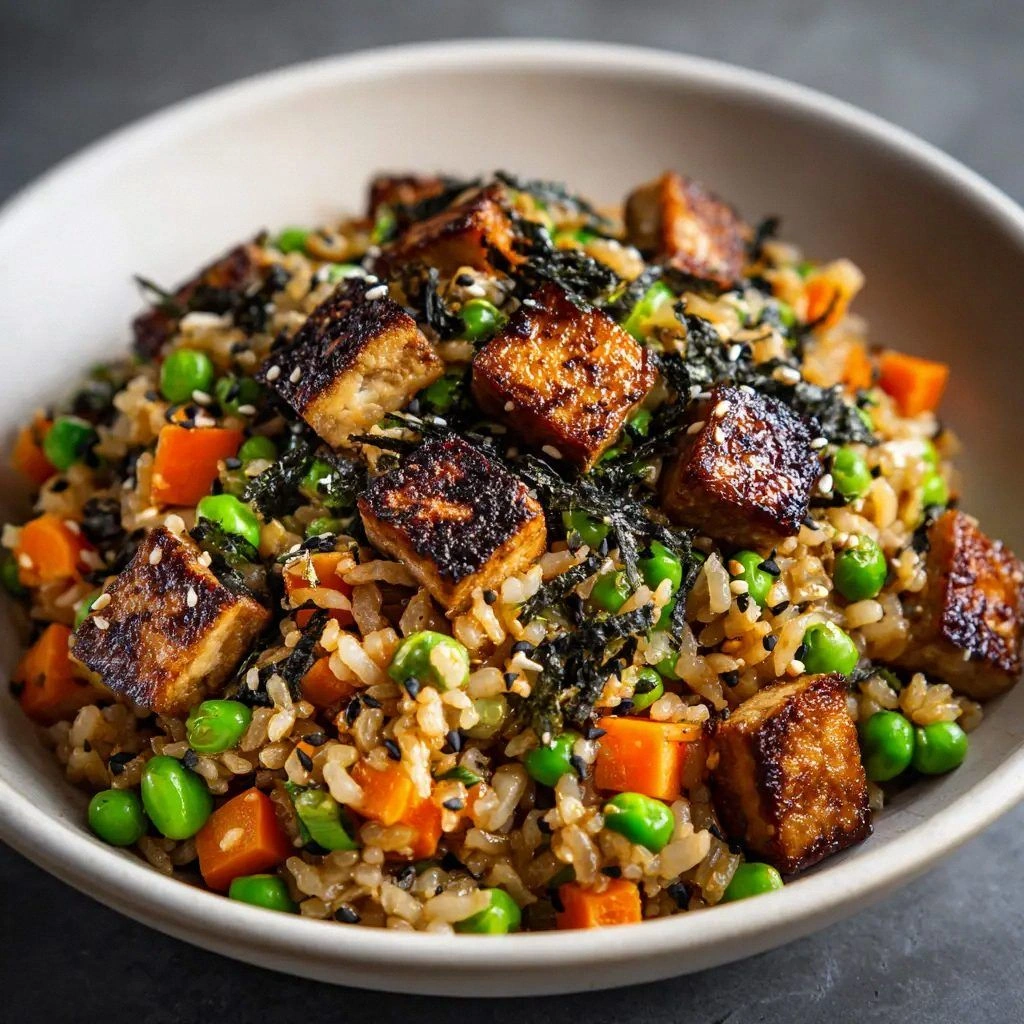
Cube firm tofu, sear it until golden, and then toss it in a miso‑butter glaze before adding to the rice. The tofu absorbs the sauce, turning into a savory protein that elevates the dish from side to main. This variation is perfect for a protein‑rich vegan dinner.
Coconut‑Rice Swap
Replace the day‑old rice with coconut rice for a tropical twist. The coconut’s subtle sweetness complements the miso, while the butter adds a creamy counterpoint. This version feels like a beach getaway in a bowl.
Sesame‑Crunch Topping
Finish the dish with a sprinkle of toasted sesame seeds and a drizzle of sesame oil for an extra crunch. The seeds add texture and a nutty flavor that rounds off the dish beautifully. It’s a simple upgrade that makes the meal feel special.
Herb‑Infused Freshness
Add a handful of chopped fresh herbs such as cilantro or basil just before serving. The herbs bring a bright, aromatic lift that contrasts with the rich base. This variation is ideal for a quick, fresh dinner during the warmer months.
Storing and Bringing It Back to Life
Fridge Storage
Store the fried rice in an airtight container in the refrigerator for up to three days. The rice will retain its texture, and the miso will continue to develop a deeper flavor profile. When ready to serve, reheat gently on the stove or microwave.
Freezer Friendly
Freezing is a great option if you’re prepping ahead. Pack the rice in freezer‑safe bags, removing as much air as possible to prevent freezer burn. The dish can stay in the freezer for up to two weeks without compromising taste.
Best Reheating Method
Reheat the rice in a non‑stick skillet over medium heat, adding a splash of water or vegetable broth to loosen it up. Stir frequently until hot and steaming. The added liquid restores moisture and prevents the rice from drying out.
Now that you know how to store and revive this masterpiece, imagine the convenience of having a ready‑to‑heat, restaurant‑quality dish at your fingertips whenever hunger strikes. Whether you’re a busy professional, a student on a budget, or a seasoned home chef, this fried rice will become your go‑to comfort food. The next time you think about reheating leftovers, remember that a little water, a touch of sesame oil, and a quick stir will bring the dish back to life, as if it were freshly made. And when you serve it, watch your guests’ faces light up as they taste the layers of umami and buttery richness that only this recipe can deliver. Trust me, the satisfaction of a perfectly reheated batch is unmatched, and it’s a reminder that great food doesn’t have to be complicated.