Shrimp And Scallop Pasta
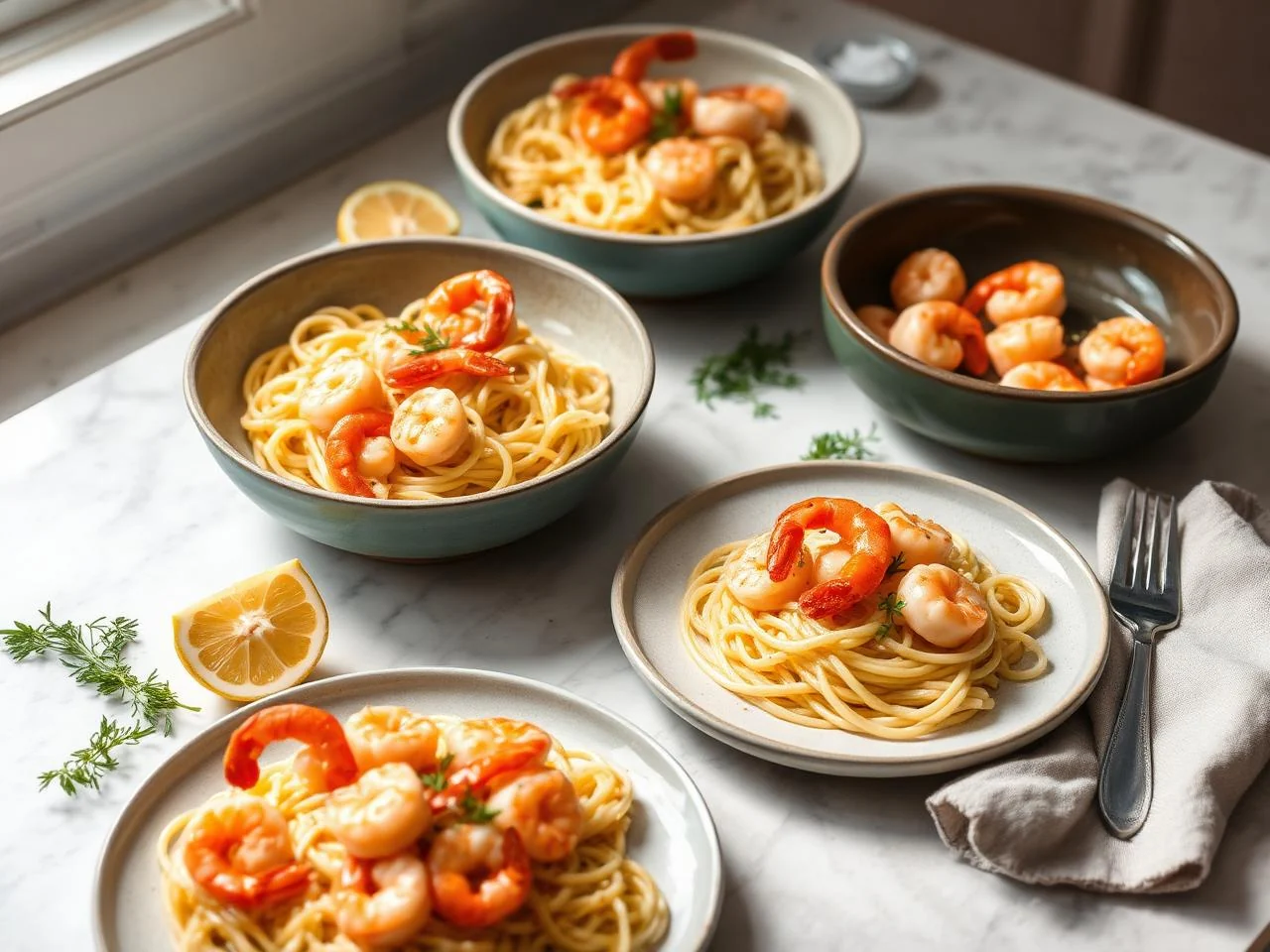
I still remember the first time I had a truly amazing seafood pasta dish. It was at a small Italian restaurant by the coast, and the combination of succulent shrimp and scallops with the perfect balance of flavors and textures in the pasta left me in awe. Ever since, I've been on a mission to recreate that dish in my own kitchen, and after countless experiments, I'm excited to share my Shrimp And Scallop Pasta recipe with you.
This recipe is special because it's not only delicious, but also incredibly easy to make. The key is in the simplicity of the ingredients and the technique, which allows the natural flavors of the seafood and the pasta to shine through. Whether you're a seafood lover or just looking for a new weeknight dinner idea, this recipe is perfect for you.
One of the things that makes this recipe stand out is the use of high-quality ingredients. Fresh seafood is a must, and I recommend using the freshest shrimp and scallops you can find. The pasta is also important, and I like to use a high-quality linguine or fettuccine that can hold its own against the flavorful seafood sauce.
In this recipe, we'll take you through the steps to create a mouth-watering Shrimp And Scallop Pasta dish that's sure to impress your family and friends. From the initial prep work to the final presentation, we'll cover it all, so you can enjoy a stress-free and delicious dining experience.
So, let's get started and dive into the world of seafood pasta. With this recipe, you'll be able to create a truly unforgettable dish that will leave everyone wanting more. Whether you're a seasoned cook or a beginner, this recipe is perfect for anyone looking to try something new and exciting.
Why You’ll Love This Recipe
- This recipe is easy to make and requires minimal ingredients.
- It's perfect for a weeknight dinner or special occasion.
- The dish is light and refreshing, making it ideal for spring and summer.
- The combination of shrimp and scallops provides a nice texture contrast.
- The recipe is versatile and can be customized to suit your tastes.
- It's a great way to impress your family and friends with a delicious seafood dish.
Why This Recipe Works
The key to a great seafood pasta dish is in the balance of flavors and textures. In this recipe, we achieve that balance by using a combination of garlic, lemon, and herbs to create a light and refreshing sauce that complements the seafood perfectly. The pasta is cooked al dente, which provides a nice texture contrast to the tender shrimp and scallops.
Another important aspect of this recipe is the use of heat control. By cooking the seafood over medium-high heat, we can achieve a nice sear on the outside while keeping the inside tender and juicy. This is especially important for the scallops, which can easily become tough if overcooked.
The seasoning in this recipe is also crucial. We use a combination of salt, pepper, and herbs to add depth and complexity to the dish, without overpowering the natural flavors of the seafood. By seasoning in layers, we can build a rich and satisfying flavor profile that will leave you wanting more.
Finally, the resting time is important to allow the flavors to meld together and the seafood to retain its moisture. By letting the dish rest for a few minutes before serving, we can ensure that the seafood stays tender and the sauce stays flavorful.
Ingredients You’ll Need
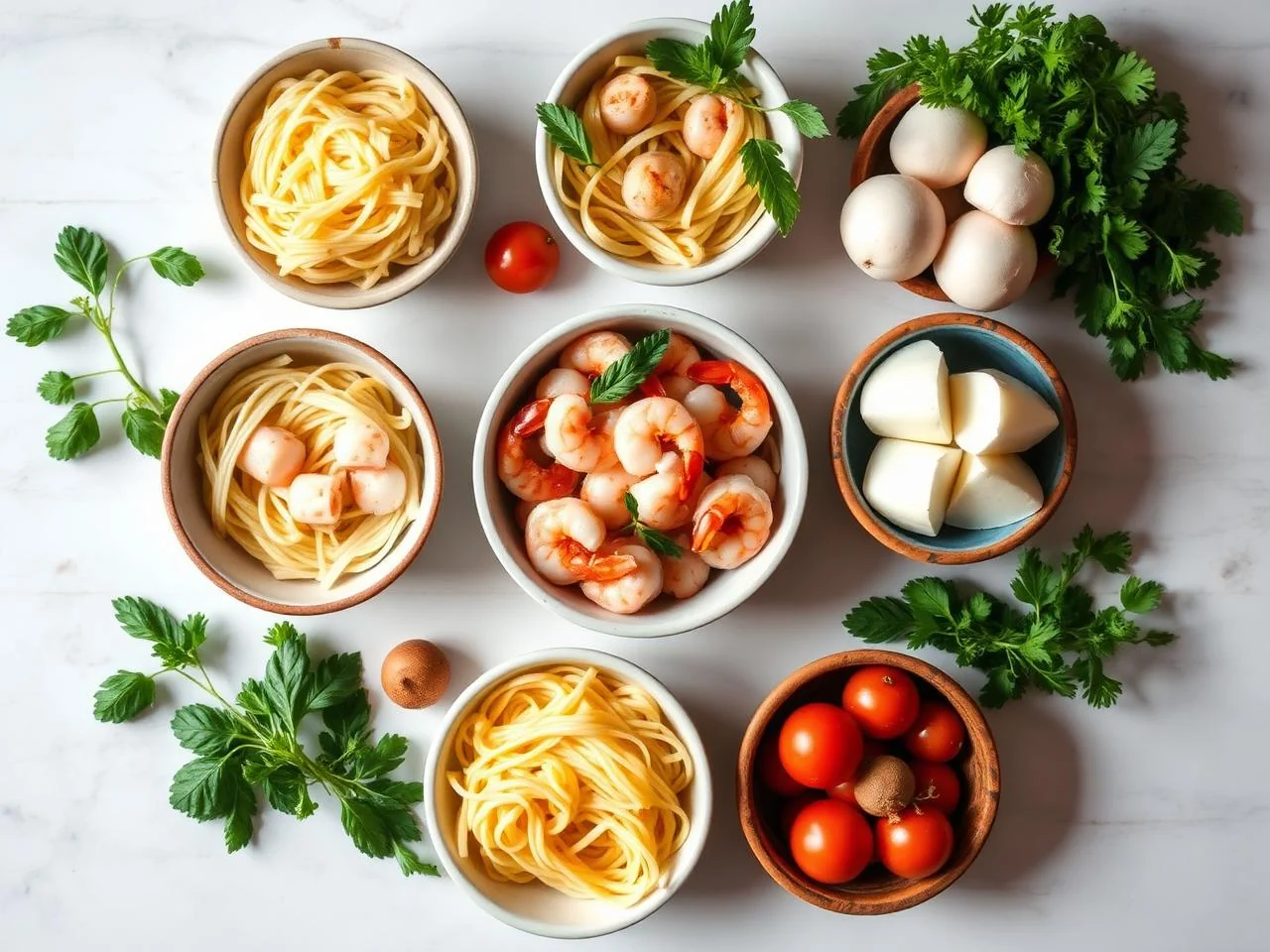
When it comes to making a great seafood pasta dish, the ingredients are crucial. Fresh seafood is a must, and I recommend using the freshest shrimp and scallops you can find. The pasta is also important, and I like to use a high-quality linguine or fettuccine that can hold its own against the flavorful seafood sauce.
In addition to the seafood and pasta, we'll need some basic pantry ingredients like garlic, lemon, and herbs. These will add depth and complexity to the dish, without overpowering the natural flavors of the seafood. With these simple ingredients, we can create a truly unforgettable seafood pasta dish.
- 1 lb (450g) large shrimp, peeled and deveinedFresh shrimp is essential for this recipe, so make sure to choose the freshest you can find. If you can't find large shrimp, you can substitute with smaller ones, but adjust the cooking time accordingly.
- 1 lb (450g) scallopsScallops can be found in most seafood markets, but make sure to choose the freshest ones. If you can't find scallops, you can substitute with other types of seafood, but adjust the cooking time accordingly.
- 12 oz (340g) linguineLinguine is a great choice for this recipe, but you can also use fettuccine or other types of pasta. Just make sure to cook it al dente, so it still has a bit of bite.
- 2 tbsp olive oilOlive oil is a great choice for this recipe, as it has a mild flavor that won't overpower the seafood. You can also use other types of oil, like avocado or grapeseed, but adjust the amount according to your taste.
- 4 cloves garlic, mincedGarlic is a crucial ingredient in this recipe, as it adds depth and complexity to the dish. Make sure to mince it finely, so it distributes evenly throughout the sauce.
- 1/4 cup white wineWhite wine adds a nice acidity to the dish, which helps to balance the richness of the seafood. You can use any type of white wine you like, but make sure it's dry, as sweet wine can make the dish too sweet.
- 1/4 cup chopped fresh parsleyParsley is a great addition to this recipe, as it adds a fresh and herbaceous flavor. Make sure to chop it finely, so it distributes evenly throughout the sauce.
- 2 tbsp lemon juiceLemon juice is a great way to add a bit of brightness to the dish, which helps to balance the richness of the seafood. You can use fresh or bottled lemon juice, but make sure it's 100% lemon juice, without any added sugars or preservatives.
- 1 tsp dried thymeThyme is a great herb to use in this recipe, as it adds a savory and slightly earthy flavor. Make sure to use dried thyme, as fresh thyme can be too potent and overpower the other ingredients.
- Salt and pepper to tasteSalt and pepper are essential seasonings in this recipe, as they help to bring out the natural flavors of the seafood. Make sure to use them sparingly, as you can always add more, but it's harder to remove excess salt and pepper.
- 2 tbsp unsalted butterButter is a great way to add richness and creaminess to the dish, which helps to balance the acidity of the lemon and the brightness of the parsley. Make sure to use unsalted butter, as salted butter can make the dish too salty.
Equipment You’ll Need
How to Make Shrimp And Scallop Pasta
- 1Bring a large pot of salted water to a boil and cook the linguine according to the package instructions until it's al dente. Reserve 1 cup of pasta water before draining the linguine.
- 2In a large skillet, heat 1 tablespoon of olive oil over medium-high heat. Add the garlic and cook for 1-2 minutes, until fragrant.
- 3Add the shrimp to the skillet and cook for 2-3 minutes per side, until they're pink and cooked through. Remove the shrimp from the skillet and set them aside on a plate.
- 4Add the scallops to the skillet and cook for 2-3 minutes per side, until they're golden brown and cooked through. Remove the scallops from the skillet and set them aside with the shrimp.
- 5Add the white wine to the skillet and cook for 1-2 minutes, until it's almost completely reduced. Add the lemon juice, thyme, and parsley to the skillet and cook for 1 minute, until the sauce is fragrant.
- 6Add the butter to the skillet and cook for 1-2 minutes, until it's melted and the sauce is creamy. Season the sauce with salt and pepper to taste.
- 7Add the cooked linguine to the skillet and toss it with the sauce, adding some reserved pasta water if the sauce seems too thick.
- 8Return the shrimp and scallops to the skillet and toss everything together, until the seafood is well coated with the sauce.
- 9Use an instant-read thermometer to check the internal temperature of the seafood, which should reach 145 F (63 C).
- 10Remove the skillet from the heat and let it rest for 2-3 minutes, until the seafood has retained its moisture and the sauce has thickened slightly.
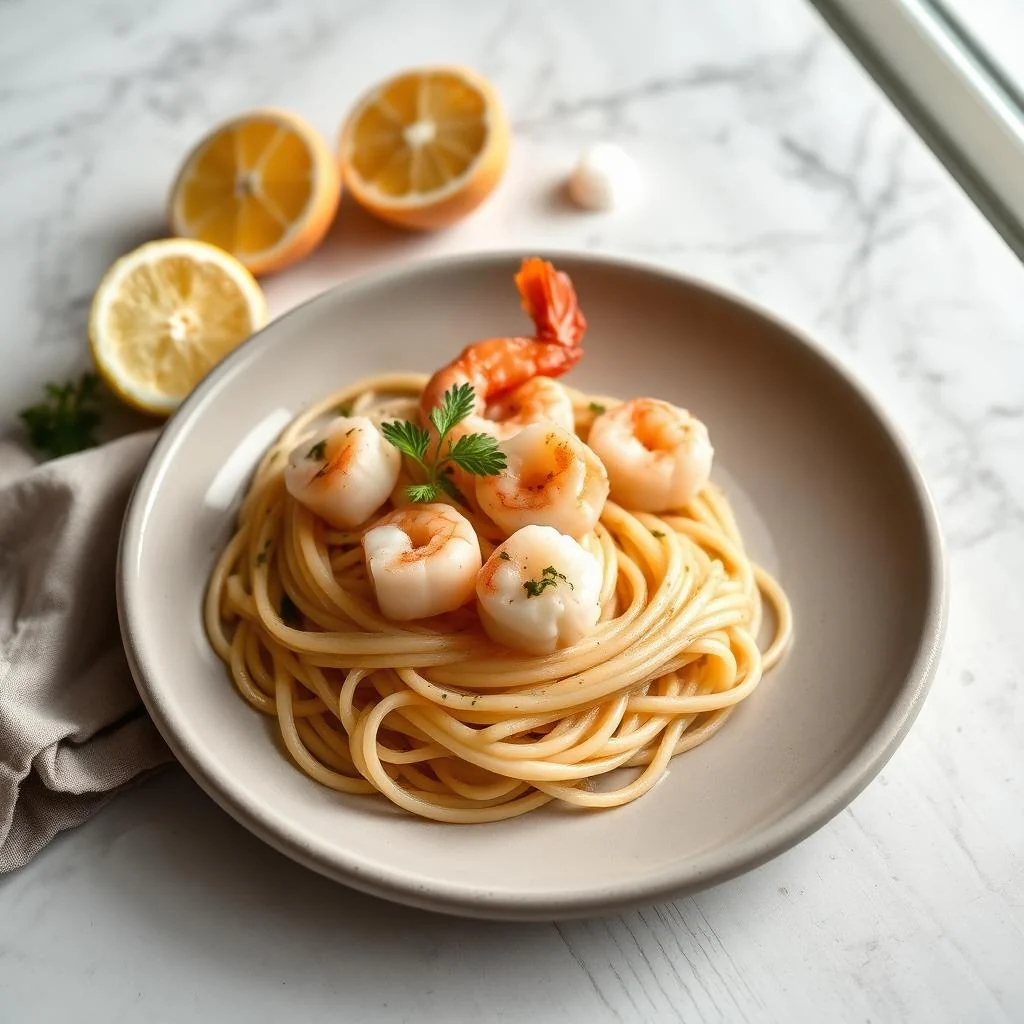
- 11Serve the Shrimp And Scallop Pasta hot, garnished with additional parsley and lemon wedges if desired.
Expert Tips
- Make sure to use fresh and high-quality ingredients, as they will make a big difference in the final dish.
- Don't overcook the seafood, as it can become tough and rubbery.
- Use a thermometer to check the internal temperature of the seafood, as it's the most accurate way to ensure it's cooked to a safe temperature.
- Don't be afraid to add more garlic or lemon juice to the sauce, as they will add depth and brightness to the dish.
- Use a sharp knife to chop the parsley, as it will help to release its oils and flavor.
- Let the dish rest for a few minutes before serving, as it will allow the flavors to meld together and the seafood to retain its moisture.
- Serve the dish with a side of garlic bread or a green salad, as they will complement the flavors of the seafood and pasta.
Common Mistakes to Avoid
- Overcooking the seafood, which can make it tough and rubbery.
- Not using a thermometer to check the internal temperature of the seafood, which can lead to foodborne illness.
- Not letting the dish rest for a few minutes before serving, which can cause the seafood to dry out and the sauce to become too thick.
- Not using fresh and high-quality ingredients, which can affect the flavor and texture of the final dish.
- Not seasoning the dish with salt and pepper to taste, which can make it bland and unappetizing.
- Not adding enough garlic or lemon juice to the sauce, which can make it lack depth and brightness.
Variations and Substitutions
- Adding other types of seafood, such as mussels or clams, to the dish.
- Using different types of pasta, such as spaghetti or linguine, to change the texture and flavor of the dish.
- Adding some diced onions or bell peppers to the sauce, which can add sweetness and crunch to the dish.
- Using different herbs, such as basil or oregano, to change the flavor profile of the dish.
- Adding some grated Parmesan cheese to the sauce, which can add richness and creaminess to the dish.
- Using a different type of oil, such as avocado or grapeseed, to change the flavor and texture of the sauce.
What to Serve With Shrimp And Scallop Pasta
This Shrimp And Scallop Pasta is perfect for serving with a side of garlic bread or a green salad. The acidity of the lemon and the brightness of the parsley will complement the richness of the seafood and pasta, while the crunch of the garlic bread will add a nice textural contrast.
You can also serve the dish with a side of steamed vegetables, such as asparagus or broccoli, which will add a pop of color and nutrition to the plate. Whatever you choose, make sure to serve the dish hot and enjoy it with your loved ones.
Make-Ahead, Storage, Freezing and Reheating
This Shrimp And Scallop Pasta can be stored in the fridge for up to 3 days or frozen for up to 2 months. To store it in the fridge, simply place the cooled dish in an airtight container and refrigerate it at 40°F (4°C) or below.
To freeze the dish, place it in a freezer-safe bag or container and label it with the date and contents. When you're ready to reheat it, simply thaw it overnight in the fridge and reheat it in the microwave or on the stovetop until it's hot and steaming.
When reheating the dish, make sure to add a bit of water or broth to the sauce, as it can thicken and become too dense during storage. You can also add some fresh parsley or lemon juice to the dish, as they will help to brighten the flavors and textures.
Overall, this Shrimp And Scallop Pasta is a great dish to make ahead and store for later, as it's easy to reheat and serve. Just make sure to follow the proper food safety guidelines and store it in a clean and airtight container.
Frequently Asked Questions
What type of seafood can I use in this recipe?
You can use any type of seafood you like, but shrimp and scallops are the most traditional choices. Make sure to choose fresh and high-quality seafood, as it will make a big difference in the final dish.
Can I use frozen seafood?
Yes, you can use frozen seafood, but make sure to thaw it first and pat it dry with paper towels before using it in the recipe. Frozen seafood can be just as good as fresh, but it may have a slightly different texture and flavor.
What type of pasta is best for this recipe?
Linguine or fettuccine are the best choices for this recipe, as they have a long and flat shape that pairs well with the seafood and sauce. You can also use other types of pasta, such as spaghetti or angel hair, but they may not hold the sauce as well.
Can I add other ingredients to the sauce?
Yes, you can add other ingredients to the sauce, such as diced onions or bell peppers, to change the flavor and texture of the dish. Just make sure to cook them until they're tender and fragrant before adding the seafood and pasta.
How do I prevent the seafood from becoming tough and rubbery?
To prevent the seafood from becoming tough and rubbery, make sure to not overcook it. Use a thermometer to check the internal temperature of the seafood, and remove it from the heat as soon as it reaches 145 F (63 C). You can also add a bit of acidity, such as lemon juice, to the sauce, as it will help to balance the richness of the seafood and prevent it from becoming tough.
Can I make this recipe ahead of time?
Yes, you can make this recipe ahead of time and store it in the fridge or freezer. Simply cook the pasta and seafood, then combine them with the sauce and store it in an airtight container. When you're ready to serve, simply reheat it in the microwave or on the stovetop until it's hot and steaming.
How do I reheat the dish without drying it out?
To reheat the dish without drying it out, make sure to add a bit of water or broth to the sauce, as it can thicken and become too dense during storage. You can also add some fresh parsley or lemon juice to the dish, as they will help to brighten the flavors and textures.
Can I serve this dish at a dinner party?
Yes, this Shrimp And Scallop Pasta is a great dish to serve at a dinner party, as it's easy to make ahead and can be reheated in large quantities. Simply cook the pasta and seafood, then combine them with the sauce and store it in an airtight container. When you're ready to serve, simply reheat it in the microwave or on the stovetop until it's hot and steaming.
What are some variations of this recipe?
There are many variations of this recipe, including adding other types of seafood, using different types of pasta, and adding other ingredients to the sauce. You can also try using different herbs and spices to change the flavor profile of the dish.
Ingredients
- 1 lb (450g) large shrimp, peeled and deveined
- 1 lb (450g) scallops
- 12 oz (340g) linguine
- 2 tbsp olive oil
- 4 cloves garlic, minced
- 1/4 cup white wine
- 1/4 cup chopped fresh parsley
- 2 tbsp lemon juice
- 1 tsp dried thyme
- Salt and pepper to taste
- 2 tbsp unsalted butter
Instructions
- Bring a large pot of salted water to a boil and cook the linguine according to the package instructions until it's al dente. Reserve 1 cup of pasta water before draining the linguine.
- In a large skillet, heat 1 tablespoon of olive oil over medium-high heat. Add the garlic and cook for 1-2 minutes, until fragrant.
- Add the shrimp to the skillet and cook for 2-3 minutes per side, until they're pink and cooked through. Remove the shrimp from the skillet and set them aside on a plate.
- Add the scallops to the skillet and cook for 2-3 minutes per side, until they're golden brown and cooked through. Remove the scallops from the skillet and set them aside with the shrimp.
- Add the white wine to the skillet and cook for 1-2 minutes, until it's almost completely reduced. Add the lemon juice, thyme, and parsley to the skillet and cook for 1 minute, until the sauce is fragrant.
- Add the butter to the skillet and cook for 1-2 minutes, until it's melted and the sauce is creamy. Season the sauce with salt and pepper to taste.
- Add the cooked linguine to the skillet and toss it with the sauce, adding some reserved pasta water if the sauce seems too thick.
- Return the shrimp and scallops to the skillet and toss everything together, until the seafood is well coated with the sauce.
- Use an instant-read thermometer to check the internal temperature of the seafood, which should reach 145 F (63 C).
- Remove the skillet from the heat and let it rest for 2-3 minutes, until the seafood has retained its moisture and the sauce has thickened slightly.
- Serve the Shrimp And Scallop Pasta hot, garnished with additional parsley and lemon wedges if desired.