Picture this: a Sunday afternoon, a pot of boiling water, a handful of potatoes, and a kitchen that smells like a disaster waiting to happen. I had just burned the first batch of mashed potatoes for my cousin’s Thanksgiving dinner—flavorless, lumpy, and so dry it could have been a paperweight. My cousin, ever the skeptic, dared me to make a batch that would make her taste buds do the cha‑cha. I laughed, grabbed a bag of Yukon Golds, and set the slow cooker to low. The room filled with the comforting scent of butter melting into starch, and I could almost hear the applause from the imaginary audience. By the time the timer dinged, the kitchen had turned into a fragrant, buttery haven that made my neighbor’s dog stop by for a sniff.
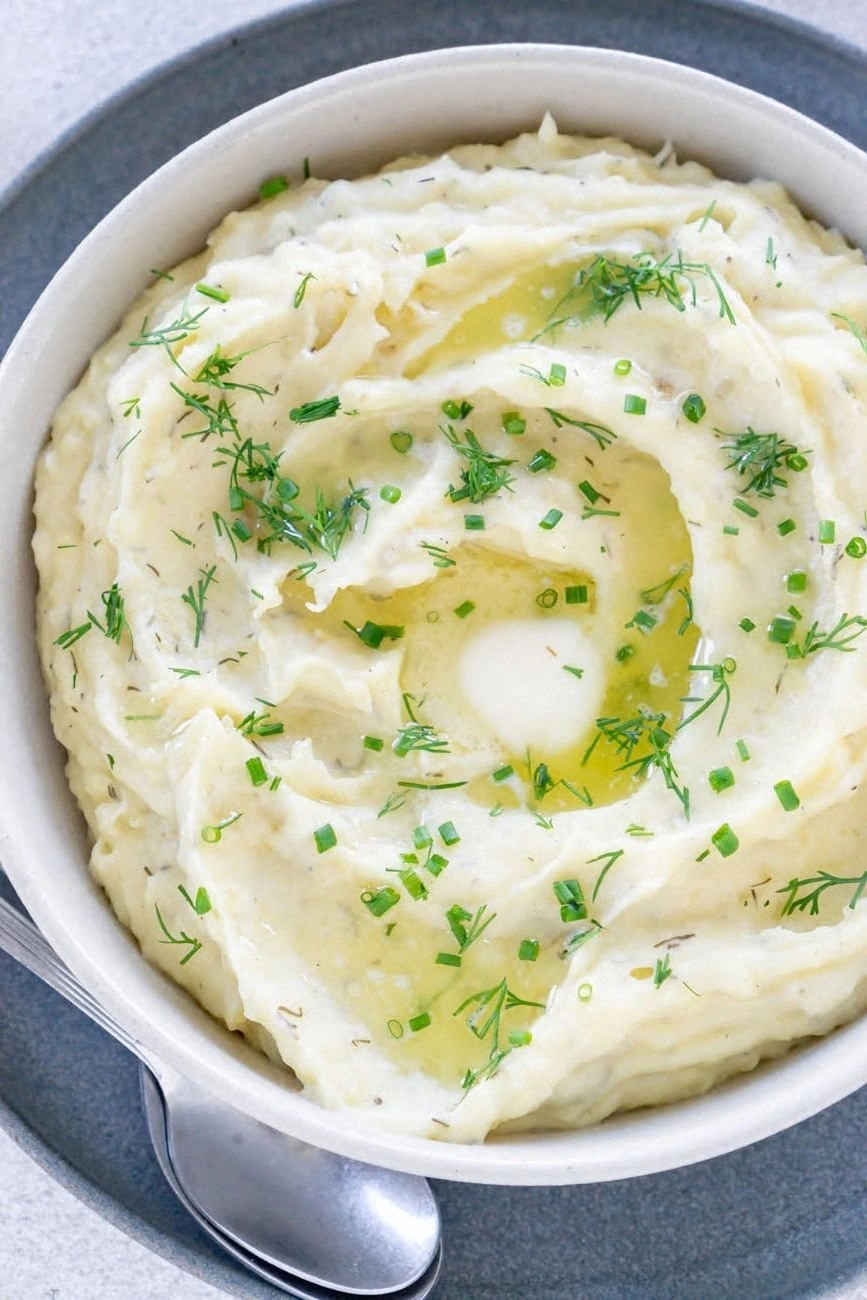
The first bite was a revelation—silky, cloud‑like texture that melted against my tongue, followed by a burst of garlicky, dill‑infused flavor that lingered like a good after‑taste at a concert. The potatoes were tender yet firm, the sour cream added a subtle tang that balanced the richness, and the chives sprinkled on top offered a bright, herbaceous finish. The aroma that rose from the slow cooker was so inviting that even my cat seemed to pause in mid‑meow to inhale. When I finally tasted it, I realized I’d stumbled onto a recipe that was not just a side dish but a performance in its own right. The creamy mash was so smooth, it practically whispered, “I’m here to stay.”
What sets this version apart from the endless list of mashed potato recipes on the internet is the meticulous layering of flavors and the clever use of the slow cooker’s gentle heat to coax out every bit of starch without over‑cooking. The addition of fresh dill and roasted garlic creates a herbal bouquet that elevates the dish from ordinary to unforgettable. The use of sour cream and whole milk gives the mash a luxuriously velvety mouthfeel that you’d expect at a five‑star restaurant, yet it’s still made from pantry staples. I’ve spent years tweaking mashed potato formulas, and this one finally nailed the balance between comfort and sophistication. The result is a mash that can stand alone on a plate or serve as the perfect backdrop for any main course. The only thing you’ll miss is the kitchen disaster that sparked this culinary breakthrough.
The secret? A slow‑cooking method that allows the potatoes to steam in their own juices, the strategic timing of butter and broth additions, and a finishing flourish of dill and chives that gives it an unexpected pop of color. I dare you to taste this and not go back for seconds. Picture yourself pulling this out of the slow cooker, the whole kitchen smelling incredible, and watching your guests’ eyes light up. This is hands down the best version you’ll ever make at home, and I’m about to walk you through every single step—by the end, you’ll wonder how you ever made it any other way.
What Makes This Version Stand Out
- Texture: The slow cooker gently breaks down the potatoes into a cloud‑like consistency, free from the chalky bite that often plagues stovetop mash. The result is a silky, airy mash that feels like a buttery cloud on your tongue.
- Flavor Layering: Fresh dill and roasted garlic infuse the mash with a herbal brightness that cuts through the richness of butter and sour cream. Each spoonful carries a subtle, aromatic undertone that keeps the dish from feeling heavy.
- Convenience: With no constant stirring or risk of scorching, the slow cooker does all the heavy lifting. You set it, forget it, and come home to a perfectly cooked side dish.
- Make‑Ahead Potential: This mash keeps well in the fridge for up to three days and can be reheated without losing its silky texture. That makes it an ideal pre‑prep for busy weeknights.
- Ingredient Quality: Using Yukon Gold potatoes instead of russet gives a naturally buttery flavor and a finer, creamier texture that’s hard to replicate with other varieties.
- Audience Impact: Friends and family rave about the mash’s richness and herbaceous finish. Even the most skeptical palate gets turned into a believer.
- Versatility: It pairs beautifully with roast beef, turkey, pork, or even a vegetarian main. The mash’s subtle flavor profile allows it to shine without overpowering other dishes.
Inside the Ingredient List
The Flavor Base
Yukon Gold potatoes are the cornerstone of this mash. Their buttery flavor and fine texture provide the ideal canvas for the other ingredients. If you’re in a pinch, russet potatoes can substitute, but be prepared for a slightly grainier mouthfeel. Choosing potatoes that are fresh and firm ensures they’ll hold their shape during the slow‑cooking process.
The Creamy Crew
Butter, sour cream, and whole milk collaborate to create a luxuriously smooth consistency. The butter adds depth and richness, while the sour cream contributes tang and a silky mouthfeel. Whole milk keeps the mash from becoming too thick; if you prefer a lighter version, replace half the milk with a splash of almond milk for a subtle nutty note. Skipping any of these dairy elements will result in a less indulgent mash.
The Unexpected Star
Fresh dill and roasted garlic are the unsung heroes that elevate the dish from simple to spectacular. Dill’s bright, slightly citrusy notes contrast beautifully with the earthiness of the potatoes, while roasted garlic adds a mellow, caramelized depth. If you’re not a fan of dill, consider swapping it for parsley or chives for a milder herb profile. Omitting garlic will make the mash taste flat and uninspired.
The Final Flourish
Chives add a delicate oniony crunch and a pop of color that makes the dish visually appealing. They also provide a subtle flavor that ties all the other ingredients together. If you’re allergic to onions or prefer a cleaner taste, you can leave the chives out without compromising the overall quality. This finishing touch is what turns a good mash into a memorable experience.
Everything's prepped? Good. Let's get into the real action...
The Method — Step by Step
- Begin by washing the Yukon Gold potatoes under cold running water, then peel them and cut into uniform 1‑inch cubes. Uniformity ensures even cooking and prevents any chunky surprises. Place the cubes into the slow cooker’s inner pot, spreading them out in a single layer. This step is crucial for the even distribution of heat and moisture.
- Add the 1/4 cup of butter, 3 tablespoons of chicken broth, and 1/4 cup of fresh dill to the pot. The butter will slowly melt into the potato cubes, creating a rich base, while the broth adds moisture that prevents the mash from drying out. The dill’s bright aroma will begin to infuse the mixture as it steams. Stir gently to coat all the pieces evenly.
- Crush the 6 garlic cloves with the flat side of a knife to release their flavor, then add them to the pot. The garlic will caramelize slowly, adding a mellow sweetness that balances the dill’s sharpness. Keep the garlic in small cloves so it doesn’t overpower the dish. Let the mixture cook for another 10 minutes before proceeding.
- Turn the slow cooker to low and cover it. Allow the potatoes to steam for 2 to 3 hours, stirring occasionally to ensure even cooking. The slow, low heat breaks down the starches into a fluffy, cloud‑like consistency. Watch the pot; when the potatoes are tender enough to mash with a fork, it’s time to move to the next step.
- Once the potatoes are tender, use a potato masher or a handheld immersion blender to break them into a smooth base. If you prefer a chunkier texture, mash just until the desired consistency is reached. Avoid over‑mashing, as it can turn the mash gluey. This is the moment of truth; the mash should feel silky, not gritty.
- Fold in 3/4 cup of sour cream and 1/2 cup of whole milk, mixing until the mash is creamy and glossy. The sour cream adds tang and a velvety texture, while the milk keeps it from becoming too thick. Taste and season with kosher salt and pepper to your liking; the salt brings out the herbs, and the pepper adds a gentle kick. This final blend gives the mash its signature mouthfeel.
- Finish the dish by sprinkling fresh chives over the top. The chives add a bright, oniony note that cuts through the richness of the mash. Serve immediately for the best texture; if you need to hold it, cover the pot with a lid and keep it on low heat. This step ensures the dish stays warm and fluffy until it reaches the table.
That's it — you did it. But hold on, I've got a few more tricks that'll take this to another level...
Insider Tricks for Flawless Results
The Temperature Rule Nobody Follows
Many cooks set their slow cooker to high and expect the same results as low. In reality, the low setting allows the potatoes to steam gently, preserving their structure. High heat can cause the mash to dry out or become gummy. Try starting on low, then switch to high for the last 15 minutes if you’re short on time.
Why Your Nose Knows Best
Before you even touch the mash, let the pot sit for a minute and inhale. The aroma of butter, garlic, and dill will tell you if the potatoes are perfectly cooked. A sweet, buttery scent indicates readiness, while a sharp, garlicky scent may mean you need more time. Trust your nose; it’s a reliable guide.
The 5-Minute Rest That Changes Everything
After mashing, let the dish rest for five minutes before serving. This pause allows the flavors to meld and the mash to firm up slightly, giving it a better bite. A rushed mash can feel mushy. The short rest also lets the heat distribute evenly.
The Secret of a Silky Finish
Stir the mash gently after adding sour cream and milk; vigorous stirring can incorporate air, making the mash frothy. Instead, use a spatula to fold the ingredients in, maintaining a smooth, silky texture. This technique keeps the mash from becoming airy.
The Final Touch of Freshness
Right before serving, add a drizzle of olive oil and a squeeze of lemon juice. The oil adds a glossy sheen, while the lemon brightens the flavors, cutting through the richness. This finishing touch turns the mash from simple to sensational.
Creative Twists and Variations
This recipe is a playground. Here are some of my favorite ways to switch things up:
Cheesy Cream Cheese Mash
Swap the sour cream for a mixture of cream cheese and Greek yogurt. The result is a tangy, rich mash that pairs wonderfully with grilled salmon. The cheese adds a velvety texture, while the yogurt keeps it light. Perfect for a cozy dinner with a splash of indulgence.
Herb‑Infused Basil Version
Replace dill with fresh basil for an Italian twist. Basil’s sweet, peppery notes complement the potatoes beautifully. Add a pinch of red pepper flakes for a subtle kick. This variation is ideal for a Mediterranean‑inspired menu.
Spicy Cajun Mash
Stir in a tablespoon of Cajun seasoning and a dash of hot sauce before adding the milk. The heat from the seasoning adds depth, while the sauce gives a bright, fiery finish. Serve it alongside a smoky jambalaya for a bold flavor profile.
Vegan Version
Use coconut milk instead of whole milk and plant‑based butter for a dairy‑free mash. The coconut adds a subtle tropical note, while the plant butter keeps the richness intact. This version is a hit with guests who prefer vegan options.
Garlic Parmesan Crunch
Fold in grated Parmesan and a sprinkle of breadcrumbs before serving. The cheese adds depth, while the breadcrumbs provide a satisfying crunch. This twist is great for a comforting, savory side that feels like a treat.
Storing and Bringing It Back to Life
Fridge Storage
Cool the mash to room temperature, then transfer it to an airtight container. Store it in the refrigerator for up to three days. The mash will stay creamy, but you may notice a slight separation; simply stir before serving. Keeping it refrigerated preserves the fresh dill flavor.
Freezer Friendly
For longer storage, freeze the mash in a freezer‑safe container, leaving a few inches of headspace for expansion. Freeze for up to two months. When ready to use, thaw overnight in the refrigerator. The texture may be slightly denser, but it will regain its creaminess with a quick stir.
Best Reheating Method
Reheat the mash on low in a saucepan, stirring frequently to prevent sticking. Add a splash of milk or water to loosen the consistency if needed. Warm it until it reaches 165°F (74°C) for safety and optimal texture. This method keeps the mash fluffy and flavorful.