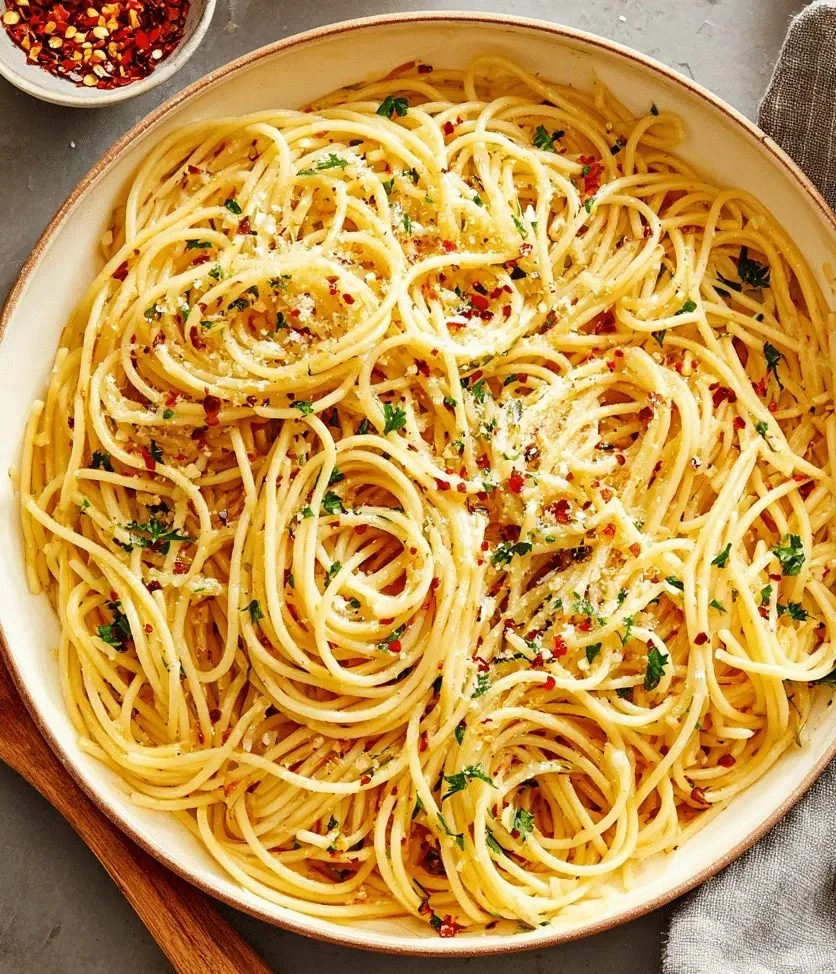
Picture this: I’m standing in a cramped apartment kitchen, the air thick with the scent of garlic and olive oil, and a frantic friend texts, “I need a dinner that will make my guests swoon, and I’m out of ideas.” I’ve been chasing the perfect pasta for years, but every recipe I’ve tried ends up either bland or too heavy. Tonight, I’m going to turn a humble bowl of spaghetti into a masterpiece that will make your taste buds do the salsa. The moment the pan sizzles, the garlic releases a golden perfume that feels like a warm hug, and the olive oil glistens like liquid sunshine. My friends’ eyes widen as they take their first bite, and I can’t help but grin: “This is hands down the best version you’ll ever make at home.”
I dare you to taste this and not go back for seconds. The sauce coats the pasta like velvet, every strand slick with a whisper of heat from the red pepper flakes, while the parsley adds a fresh, herbal brightness that cuts through the richness. The simplicity of the dish is its power—no fancy sauces, no complex techniques, just pure, honest flavors that dance together. It’s a reminder that the best meals are often the ones that rely on a few quality ingredients and a bit of love. And if you’re wondering what makes this version stand out, keep reading; the next few paragraphs will reveal the secret sauce (pun intended).
Let me walk you through every single step—by the end, you’ll wonder how you ever made it any other way. I’ll share micro‑challenges, bold claims, and a few confessions that will make you feel like you’re cooking beside me. Picture yourself pulling this out of the stove, the whole kitchen smelling incredible, and your guests asking for the recipe. It’s not just a dish; it’s an experience, a culinary adventure that you can recreate whenever you’re craving comfort and flavor. So, grab your apron, and let’s dive into the art of Spaghetti Aglio e Olio.
What Makes This Version Stand Out
- Flavor: The balanced heat from red pepper flakes is tempered by fresh parsley, creating a layered taste that’s both comforting and vibrant.
- Texture: The pasta is cooked al dente, giving a satisfying bite that holds the sauce without becoming mushy.
- Ingredient Quality: Using high‑grade extra‑virgin olive oil transforms the dish from ordinary to extraordinary.
- Simplicity: With only a handful of ingredients, it’s perfect for quick weeknight dinners or impromptu gatherings.
- Make‑ahead Potential: The sauce can be prepared in advance and re‑heated, making it ideal for busy schedules.
- Versatility: It pairs beautifully with grilled shrimp, sautéed spinach, or even a side of crusty bread.
- Authenticity: The recipe honors its Italian roots while adding a personal twist with lemon zest for a bright finish.
- Guest Reaction: Even the most skeptical palates are won over by the simple yet profound flavors.
Alright, let’s break down exactly what goes into this masterpiece…
Inside the Ingredient List
The Flavor Base
Extra‑virgin olive oil is the backbone of this dish. It’s not just a cooking medium; it carries the aroma of garlic and the subtle sweetness of the pepper flakes. Using a good quality oil elevates the entire flavor profile. If you’re on a budget, a decent all‑purpose oil works, but the experience will feel less indulgent.
The Texture Crew
Spaghetti is the star, chosen for its long, thin strands that cling beautifully to the sauce. Cook it al dente so it remains firm and doesn’t become mushy when mixed with the oil. The pasta’s texture provides a satisfying bite that balances the silky sauce. If you prefer a different shape, linguine or fettuccine can also work, but they’ll absorb the oil differently.
The Unexpected Star
Lemon zest is the secret ingredient that adds a bright, citrusy lift to the dish. It cuts through the richness of the olive oil and brings a fresh note that keeps the flavor from feeling flat. If you’re not a fan of citrus, a splash of white wine or a sprinkle of grated Parmesan can replace it. The key is to add something that brightens the overall profile.
The Final Flourish
Fresh parsley, finely chopped, delivers a herbal freshness that contrasts the smoky garlic. It also adds a pop of color, making the dish visually appealing. A pinch of black pepper adds a subtle depth without overpowering the other flavors. Finally, a pinch of salt brings everything together, ensuring each bite is perfectly balanced.
Everything's prepped? Good. Let's get into the real action...
The Method — Step by Step
- Step 1: Bring a large pot of salted water to a rolling boil. Add the spaghetti and cook for 8-9 minutes until al dente. Reserve a cup of pasta water, then drain the pasta. The pasta should feel firm to the bite, not mushy. If you’re short on time, use the instant pot method for a quicker cook.
- Step 2: While the pasta cooks, heat the olive oil in a large skillet over medium heat. Add the sliced garlic and red pepper flakes. Stir constantly, ensuring the garlic turns a light golden brown without burning. The aroma should fill the kitchen—watch the garlic release a warm, sweet scent.
- Step 3: Once the garlic is golden, remove the skillet from the heat to prevent over‑cooking. This is the moment of truth: the oil should carry a fragrant, buttery scent. If you’re tempted to keep it on the stove, you risk a bitter flavor.
- Step 4: Return the skillet to low heat and add the drained spaghetti. Toss vigorously to coat the pasta in the garlic‑oil mixture. The pasta should look glossy, with the oil clinging to each strand. Add a splash of reserved pasta water to loosen the sauce if it seems too thick.
- Step 5: Stir in the lemon zest, chopped parsley, salt, and black pepper. The zest will brighten the dish, while the parsley adds freshness. Taste and adjust seasoning—if it feels flat, a pinch more salt or pepper can bring it back to life.
- Step 6: Plate the pasta, ensuring each forkful is coated. Garnish with an extra sprinkle of parsley and a drizzle of olive oil. The dish should look inviting, with a glossy sheen that hints at its rich flavor.
- Step 7: Serve immediately with a side of crusty bread to mop up the sauce. The bread should be slightly toasted, giving a pleasant crunch that contrasts the silky pasta.
- Step 8: Enjoy the moment—watch your guests’ faces light up as they take their first bite. The combination of garlic, oil, and lemon creates a harmony that’s both simple and profound. This is the moment you’ll remember for years.
That's it— you did it. But hold on, I've got a few more tricks that'll take this to another level…
Insider Tricks for Flawless Results
The Temperature Rule Nobody Follows
Many cooks heat the oil to high heat, causing the garlic to burn quickly. Keep the heat medium or low to let the garlic slowly release its flavor. This technique ensures a mellow, sweet aroma that coats the pasta beautifully. I once burned garlic and ended up with a dish that tasted like charcoal; it was a hard lesson.
Why Your Nose Knows Best
Your sense of smell is the ultimate judge of doneness. As soon as the garlic starts to turn golden, the aroma should be sweet and inviting. If it smells sharp or burnt, pull the pan off the heat immediately. Trusting your nose saves you from a bitter mess.
The 5‑Minute Rest That Changes Everything
After tossing the pasta, let it rest for five minutes off the heat. This allows the flavors to meld and the pasta to absorb the sauce fully. The rest also gives the oil time to thicken slightly, creating a silky coating that clings to each strand.
The Secret of Fresh Parsley
Use the stems of parsley, not just the leaves. The stems add a subtle earthiness and extra volume to the dish. Chop them finely so they blend seamlessly with the sauce. This small tweak elevates the overall flavor profile.
The Power of Pasta Water
Reserve a cup of pasta water before draining. The starchy water helps bind the sauce to the noodles, creating a cohesive, silky texture. If the sauce feels too thick, add a splash of this water to loosen it up. It’s a simple trick that makes a big difference.
Creative Twists and Variations
This recipe is a playground. Here are some of my favorite ways to switch things up:
Spicy Shrimp Aglio e Olio
Sauté peeled shrimp with garlic and a pinch of cayenne before adding the pasta. The shrimp adds protein and a sweet, briny flavor that pairs beautifully with the garlic‑oil base. Serve with a squeeze of fresh lemon for extra brightness.
Creamy Mushroom Aglio e Olio
Add sautéed mushrooms to the pan after the garlic. The earthy mushrooms complement the garlic and add a rich, umami depth. Finish with a splash of cream for a velvety texture that’s surprisingly light.
Pesto‑Infused Aglio e Olio
Stir in a spoonful of basil pesto for a herby twist. The pesto introduces fresh basil flavors while maintaining the simplicity of the dish. It’s a great way to use up leftover pesto.
Vegetarian Quinoa Aglio e Olio
Swap the spaghetti for quinoa for a gluten‑free, protein‑rich alternative. Cook the quinoa until fluffy, then toss it with the garlic‑oil sauce. The nutty flavor of quinoa adds a new dimension to the dish.
Greek‑Inspired Aglio e Olio
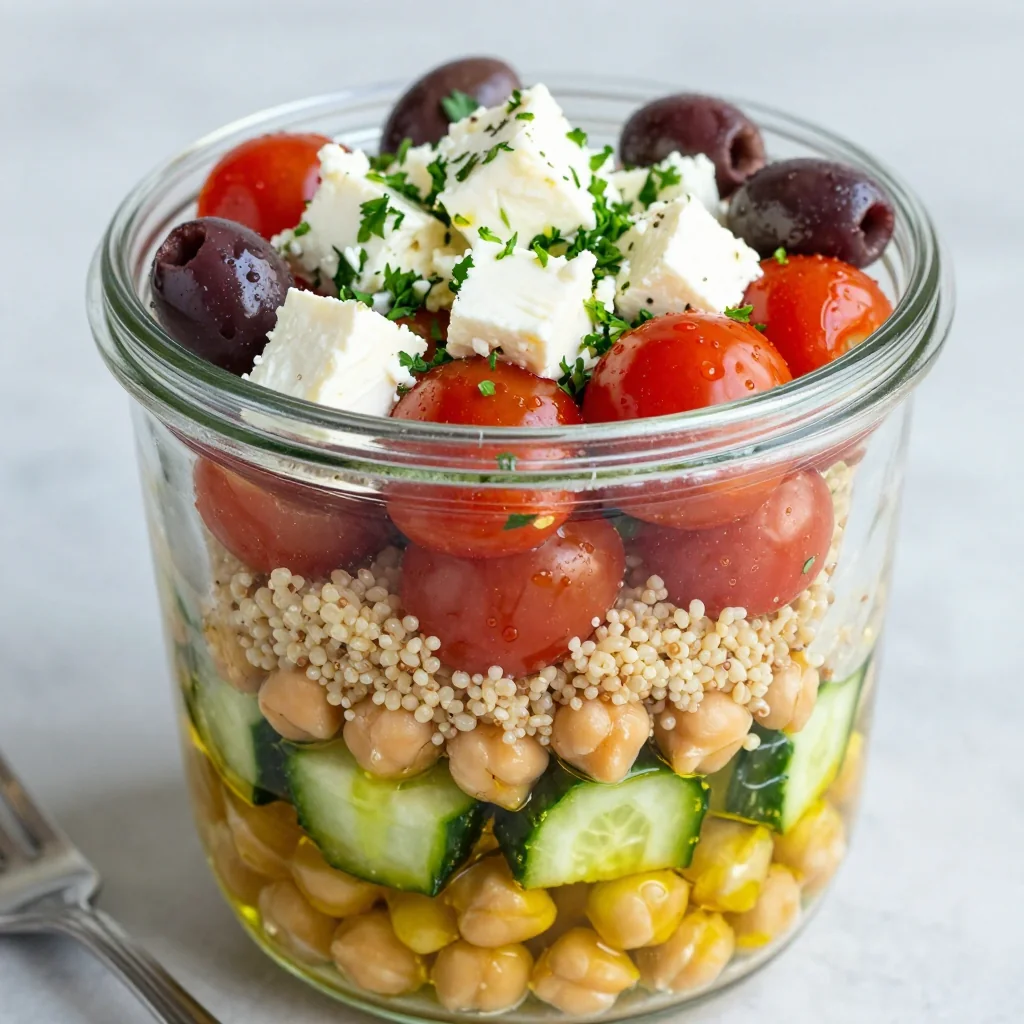
Add a handful of kalamata olives, a sprinkle of feta cheese, and a dash of oregano. The olives bring brininess, while feta adds tanginess. It’s a Mediterranean twist that’s both fresh and comforting.
Breakfast Aglio e Olio
Serve the pasta over a fried egg, drizzle with extra olive oil, and sprinkle with chili flakes. The eggs add protein and richness, making it a hearty breakfast that’s quick to prepare.
Storing and Bringing It Back to Life
Fridge Storage
Cool the pasta completely, then transfer it to an airtight container. Store in the refrigerator for up to 3 days. When you’re ready to eat, reheat it gently on the stovetop with a splash of pasta water to revive the sauce.
Freezer Friendly
Wrap the pasta tightly in foil or a freezer bag. Freeze for up to 2 weeks. Thaw overnight in the refrigerator, then reheat in a saucepan with a little olive oil or water. The texture remains pleasant if you don’t overheat.
Best Reheating Method
Reheat the pasta in a skillet over medium heat, adding a splash of water or broth to loosen the sauce. Stir constantly until heated through. The key is to keep the heat low to avoid burning the garlic.
Add a tiny splash of water before reheating — it steams back to perfection, restoring that silky coat that makes every bite feel fresh. The reheated dish will taste as good as freshly cooked, with the garlic’s aroma still lingering in the air.