Citrus Herb Salmon
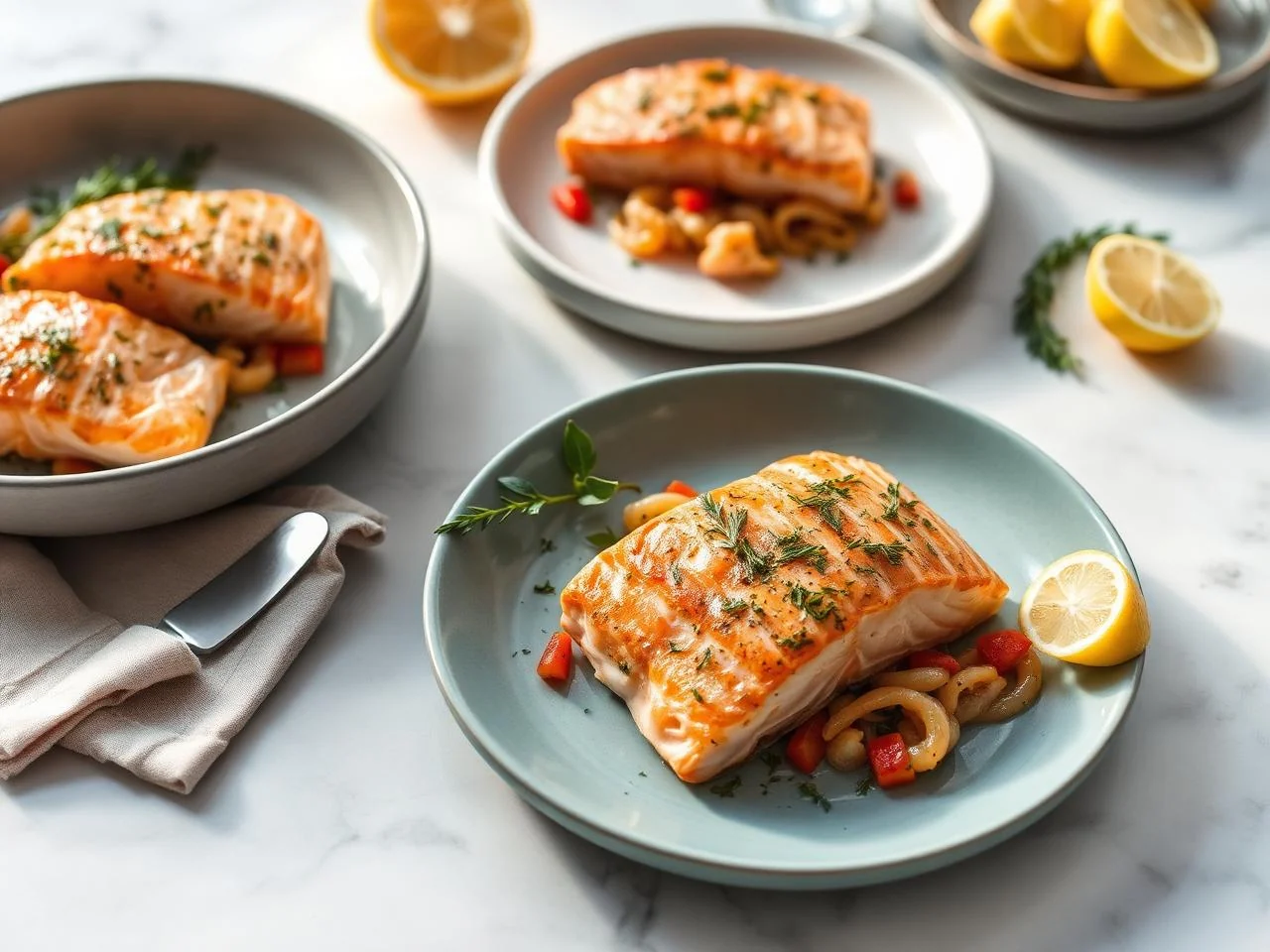
I still remember the first time I made Citrus Herb Salmon for my family. We were all impressed by the simplicity and flavor of the dish. As a coastal home cook and former fishmonger's daughter, I've always been passionate about demystifying seafood for nervous cooks. This recipe is perfect for anyone looking to add some excitement to their weeknight dinners.
The key to this recipe is the citrus and herb marinade, which adds a bright and refreshing flavor to the salmon. I'll walk you through the process of making this marinade and cooking the salmon to perfection. Whether you're a seasoned cook or a beginner, you'll love the ease and flavor of this recipe.
One of the things that sets this recipe apart is the use of fresh and accessible ingredients. You won't need to search for any exotic spices or hard-to-find fish. Just head to your local market and pick up some fresh salmon, citrus, and herbs. The result will be a dish that's not only delicious but also impressive.
I've made this recipe countless times for my family and friends, and it never fails to impress. The best part is that it's incredibly easy to make and can be ready in under 30 minutes. So, whether you're looking for a quick weeknight dinner or a special occasion dish, Citrus Herb Salmon is the perfect choice.
In this recipe, I'll share my tips and techniques for cooking salmon to perfection. From the importance of patting the fish dry to the right internal temperature, I'll cover it all. By the end of this article, you'll be a pro at making Citrus Herb Salmon and will be eager to try it out for yourself.
Why You’ll Love This Recipe
- This recipe is easy to make and requires minimal ingredients.
- The citrus and herb marinade adds a bright and refreshing flavor to the salmon.
- The high heat cooking method results in a tender and flaky texture.
- The recipe is perfect for a weeknight dinner or special occasion.
- The dish is not only delicious but also impressive and sure to impress your guests.
- The recipe is versatile and can be made with different types of fish and marinades.
Why This Recipe Works
The reason this recipe works so well is the combination of the citrus and herb marinade with the high heat cooking method. The marinade adds a bright and refreshing flavor to the salmon, while the high heat sears the fish and locks in the moisture. This results in a dish that's not only flavorful but also tender and flaky.
Another key factor is the use of fresh and high-quality ingredients. The citrus and herbs add a depth of flavor that's hard to replicate with dried or frozen ingredients. And, of course, the freshness of the salmon is crucial. Look for wild-caught salmon that's been sustainably sourced for the best flavor and texture.
The cooking method is also important. By cooking the salmon at a high heat, we're able to achieve a nice crust on the outside while keeping the inside tender and moist. This is especially important for salmon, which can quickly become overcooked and dry.
Finally, the resting time is crucial. By letting the salmon rest for a few minutes before serving, we're allowing the juices to redistribute and the fish to retain its moisture. This results in a dish that's tender, flaky, and full of flavor.
Ingredients You’ll Need
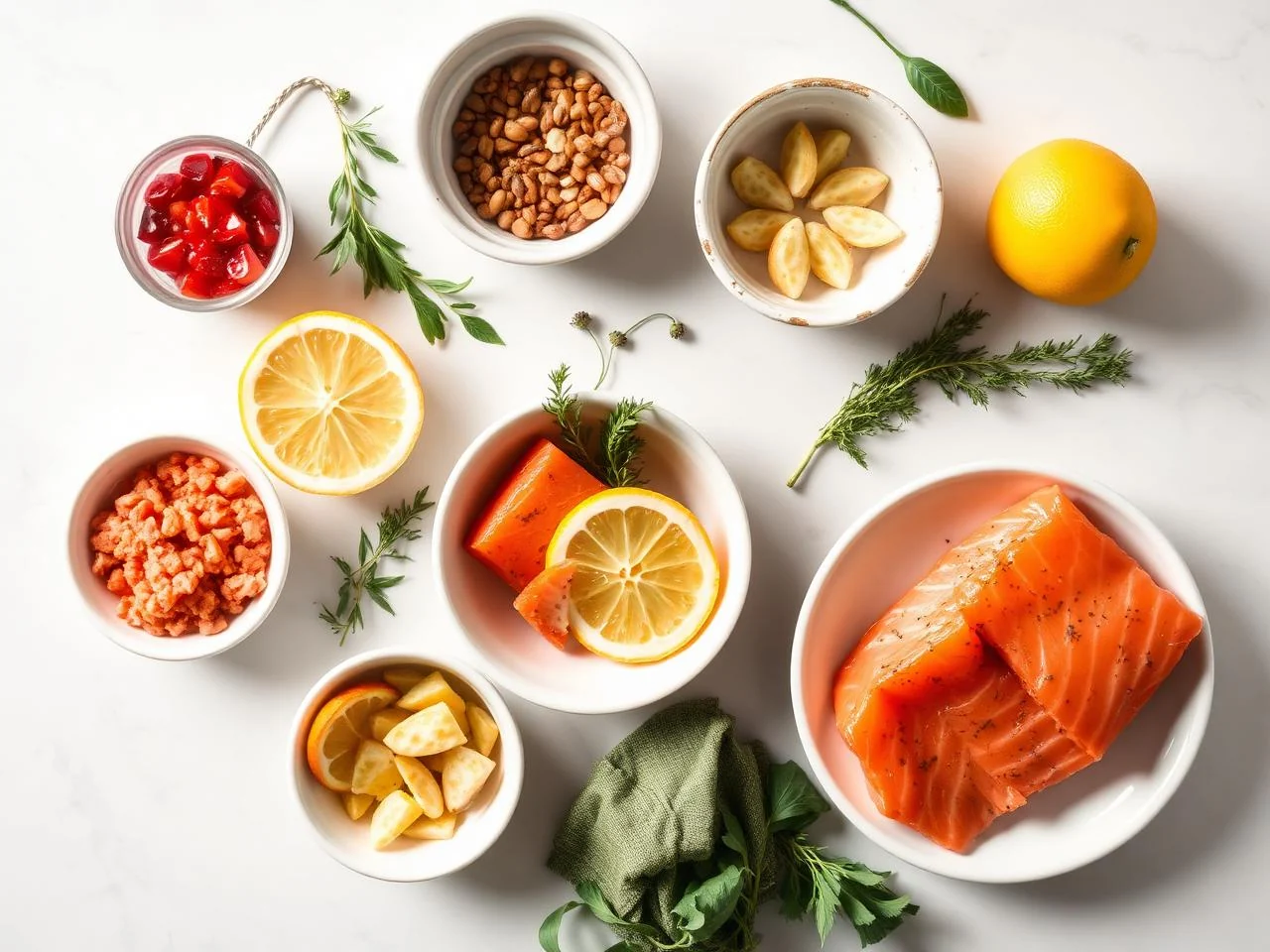
When it comes to making Citrus Herb Salmon, the ingredients are just as important as the cooking method. You'll need a few simple ingredients, including fresh salmon, citrus, and herbs. Look for wild-caught salmon that's been sustainably sourced for the best flavor and texture.
In addition to the salmon, you'll need some fresh citrus, such as lemons or oranges, and some herbs, such as parsley or dill. You'll also need some olive oil, salt, and pepper to bring everything together. With these simple ingredients, you'll be able to create a dish that's not only delicious but also impressive.
- 4 salmon fillets (6 oz each)Look for wild-caught salmon that's been sustainably sourced for the best flavor and texture. You can also use other types of fish, such as cod or tilapia, but salmon works best for this recipe.
- 1/2 cup freshly squeezed lemon juiceUse fresh lemons for the best flavor. You can also use other types of citrus, such as oranges or limes, but lemons work best for this recipe.
- 1/4 cup chopped fresh parsleyUse fresh parsley for the best flavor. You can also use other herbs, such as dill or basil, but parsley works best for this recipe.
- 2 cloves garlic, mincedUse fresh garlic for the best flavor. You can also use garlic powder or garlic salt, but fresh garlic works best for this recipe.
- 1 tsp dried thymeUse dried thyme for the best flavor. You can also use fresh thyme, but dried thyme works best for this recipe.
- 1/2 tsp saltUse kosher salt or sea salt for the best flavor. You can also use table salt, but kosher salt or sea salt works best for this recipe.
- 1/4 tsp black pepperUse freshly ground black pepper for the best flavor. You can also use pre-ground black pepper, but freshly ground works best for this recipe.
- 2 tbsp olive oilUse high-quality olive oil for the best flavor. You can also use other types of oil, such as avocado oil or grapeseed oil, but olive oil works best for this recipe.
- 2 lemons, cut into wedgesUse fresh lemons for the best flavor. You can also use other types of citrus, such as oranges or limes, but lemons work best for this recipe.
- 1/4 cup chopped fresh dillUse fresh dill for the best flavor. You can also use other herbs, such as parsley or basil, but dill works best for this recipe.
Equipment You’ll Need
How to Make Citrus Herb Salmon
- 1Preheat your oven to 400°F (200°C).
- 2In a small bowl, whisk together the lemon juice, parsley, garlic, thyme, salt, and pepper to make the marinade.
- 3Place the salmon fillets in a shallow dish and brush the marinade evenly over both sides of the fish.
- 4Let the salmon marinate for at least 10-15 minutes, or up to 30 minutes in the refrigerator.
- 5Heat the olive oil in a large heavy skillet or sauté pan over medium-high heat.
- 6Remove the salmon from the marinade and place it in the skillet, skin side up (if it has skin).
- 7Cook the salmon for 3-4 minutes on the first side, or until it develops a nice crust.
- 8Flip the salmon over and cook for an additional 3-4 minutes, or until it reaches an internal temperature of 145 F (63 C). Use an instant-read thermometer to check the temperature in the thickest part of the fish.
- 9Once the salmon is cooked, remove it from the skillet and place it on a plate to rest.
- 10Let the salmon rest for 2-3 minutes before serving. This will allow the juices to redistribute and the fish to retain its moisture.
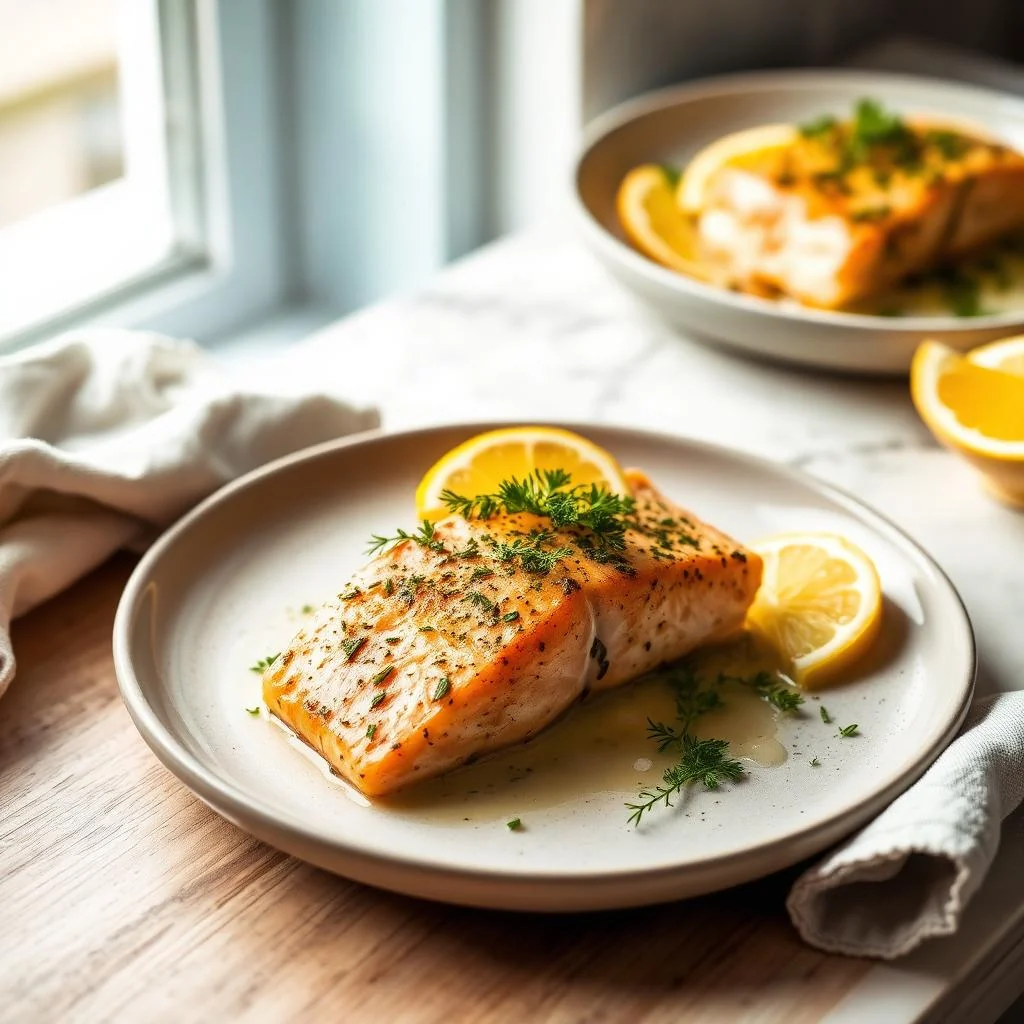
- 11Serve the salmon hot, garnished with lemon wedges and chopped fresh dill.
Expert Tips
- Make sure to pat the salmon dry with paper towels before cooking to remove excess moisture.
- Don't overcrowd the skillet, cook the salmon in batches if necessary.
- Use a thermometer to ensure the salmon is cooked to a safe internal temperature.
- Let the salmon rest for a few minutes before serving to allow the juices to redistribute.
- Don't overcook the salmon, it should be cooked just until it reaches the desired internal temperature.
- Use fresh and high-quality ingredients for the best flavor.
- Don't be afraid to experiment with different marinades and seasonings to find your favorite flavor combination.
Common Mistakes to Avoid
- Not patting the salmon dry before cooking, resulting in a steamed rather than seared crust.
- Overcrowding the skillet, leading to uneven cooking and a lower quality crust.
- Not using a thermometer, resulting in undercooked or overcooked salmon.
- Not letting the salmon rest before serving, leading to a dry and tough texture.
- Not using fresh and high-quality ingredients, resulting in a lackluster flavor.
- Not experimenting with different marinades and seasonings, leading to a boring and repetitive flavor profile.
Variations and Substitutions
- Try using different types of fish, such as cod or tilapia, for a unique flavor and texture.
- Experiment with different marinades, such as a Asian-inspired soy sauce and ginger marinade or a Mediterranean-style lemon and herb marinade.
- Add some heat to the dish by incorporating spicy ingredients, such as red pepper flakes or diced jalapeños, into the marinade.
- Try using different cooking methods, such as grilling or poaching, for a unique texture and flavor.
- Add some extra flavor to the dish by serving it with a side of tangy slaw or a drizzle of citrus-herb sauce.
- Experiment with different herbs and spices, such as parsley, dill, or thyme, to find your favorite flavor combination.
- Try using a different type of citrus, such as oranges or limes, for a unique flavor profile.
What to Serve With Citrus Herb Salmon
Citrus Herb Salmon is a versatile dish that can be served in a variety of ways. Try serving it with a side of roasted vegetables, such as asparagus or Brussels sprouts, for a healthy and well-rounded meal.
You can also serve it with a side of quinoa or brown rice for a filling and nutritious meal. And don't forget to add a squeeze of fresh lemon juice and a sprinkle of chopped fresh herbs, such as parsley or dill, for added flavor and freshness.
Make-Ahead, Storage, Freezing and Reheating
Citrus Herb Salmon can be stored in the refrigerator for up to 3 days or frozen for up to 2 months. To store, place the cooked salmon in an airtight container and refrigerate or freeze.
To reheat, simply thaw the frozen salmon overnight in the refrigerator and then reheat it in the oven or on the stovetop until it reaches an internal temperature of 145 F (63 C).
You can also make the marinade ahead of time and store it in the refrigerator for up to 1 week. Simply whisk the ingredients together and store them in an airtight container in the refrigerator.
In addition to storing the cooked salmon, you can also make the dish ahead of time and store it in the refrigerator or freezer. Simply cook the salmon according to the recipe, let it cool, and then store it in an airtight container in the refrigerator or freezer.
Frequently Asked Questions
What type of salmon should I use for this recipe?
You can use any type of salmon for this recipe, but wild-caught salmon works best. Look for salmon that's been sustainably sourced and has a high fat content for the best flavor and texture.
Can I use other types of fish for this recipe?
Yes, you can use other types of fish for this recipe, such as cod or tilapia. Just be sure to adjust the cooking time and temperature according to the type of fish you're using.
How do I know if the salmon is cooked to a safe internal temperature?
You can use an instant-read thermometer to check the internal temperature of the salmon. The internal temperature should be at least 145 F (63 C) for the salmon to be considered cooked to a safe temperature.
Can I make the marinade ahead of time?
Yes, you can make the marinade ahead of time and store it in the refrigerator for up to 1 week. Simply whisk the ingredients together and store them in an airtight container in the refrigerator.
How do I store the cooked salmon?
You can store the cooked salmon in the refrigerator for up to 3 days or freeze it for up to 2 months. To store, place the cooked salmon in an airtight container and refrigerate or freeze.
Can I reheat the salmon?
Yes, you can reheat the salmon. Simply thaw the frozen salmon overnight in the refrigerator and then reheat it in the oven or on the stovetop until it reaches an internal temperature of 145 F (63 C).
What are some variations I can try with this recipe?
You can try using different types of fish, such as cod or tilapia, or experimenting with different marinades and seasonings. You can also add some heat to the dish by incorporating spicy ingredients, such as red pepper flakes or diced jalapeños, into the marinade.
Can I serve the salmon with a side dish?
Yes, you can serve the salmon with a side dish, such as roasted vegetables or quinoa. The salmon pairs well with a variety of side dishes, so feel free to get creative and experiment with different options.
Ingredients
- 4 salmon fillets (6 oz each)
- 1/2 cup freshly squeezed lemon juice
- 1/4 cup chopped fresh parsley
- 2 cloves garlic, minced
- 1 tsp dried thyme
- 1/2 tsp salt
- 1/4 tsp black pepper
- 2 tbsp olive oil
- 2 lemons, cut into wedges
- 1/4 cup chopped fresh dill
Instructions
- Preheat your oven to 400°F (200°C).
- In a small bowl, whisk together the lemon juice, parsley, garlic, thyme, salt, and pepper to make the marinade.
- Place the salmon fillets in a shallow dish and brush the marinade evenly over both sides of the fish.
- Let the salmon marinate for at least 10-15 minutes, or up to 30 minutes in the refrigerator.
- Heat the olive oil in a large heavy skillet or sauté pan over medium-high heat.
- Remove the salmon from the marinade and place it in the skillet, skin side up (if it has skin).
- Cook the salmon for 3-4 minutes on the first side, or until it develops a nice crust.
- Flip the salmon over and cook for an additional 3-4 minutes, or until it reaches an internal temperature of 145 F (63 C). Use an instant-read thermometer to check the temperature in the thickest part of the fish.
- Once the salmon is cooked, remove it from the skillet and place it on a plate to rest.
- Let the salmon rest for 2-3 minutes before serving. This will allow the juices to redistribute and the fish to retain its moisture.
- Serve the salmon hot, garnished with lemon wedges and chopped fresh dill.