
Thai Shrimp Curry
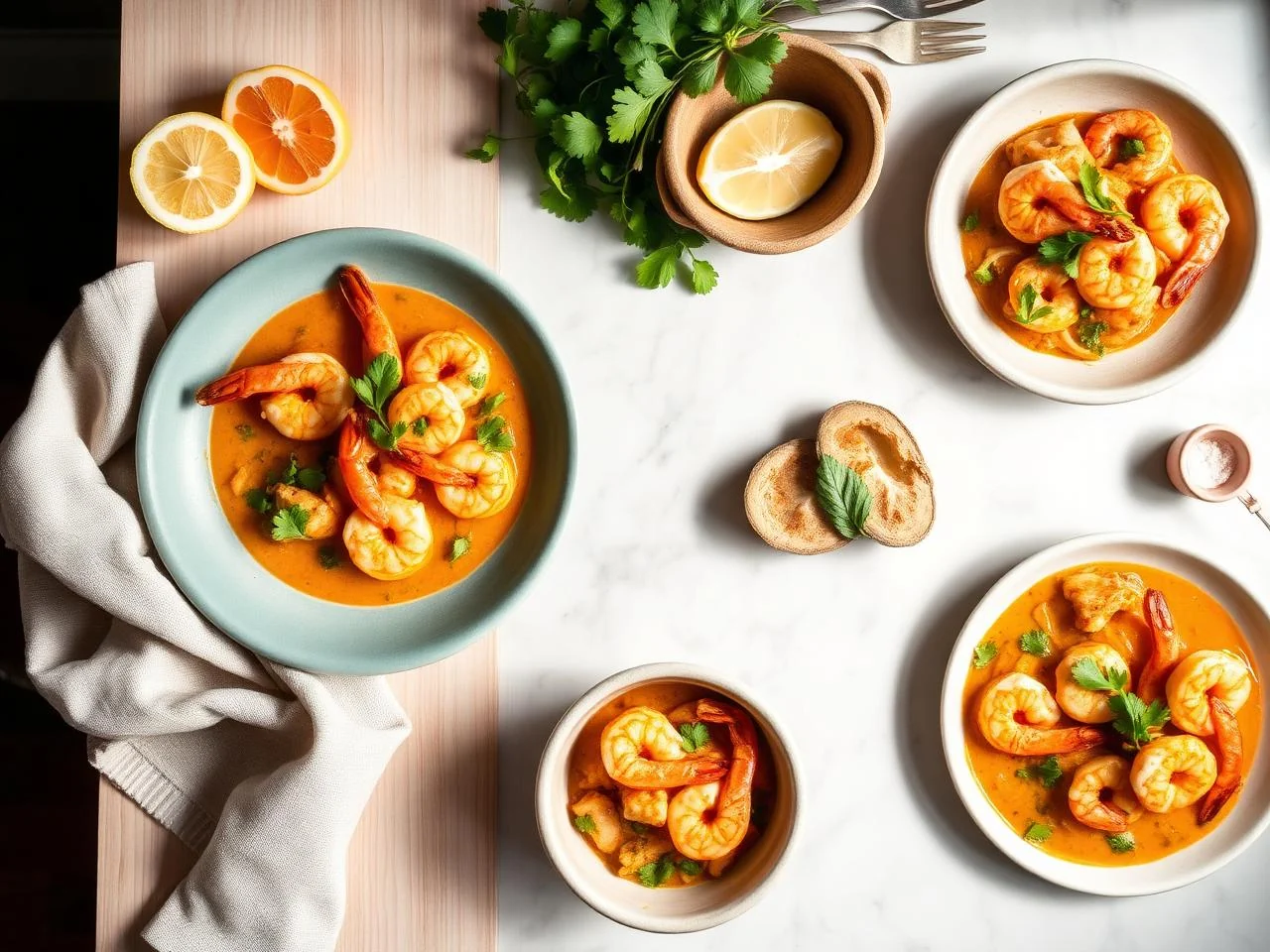
As a coastal home cook, I've always been drawn to the bold flavors and vibrant colors of Thai cuisine. One of my favorite dishes to make is Thai Shrimp Curry, a creamy and aromatic curry made with succulent shrimp, coconut milk, and a blend of spices. This recipe is perfect for a weeknight dinner or special occasion, and can be made in under 30 minutes.
I remember the first time I made Thai Shrimp Curry, I was intimidated by the long list of ingredients and the thought of cooking with shrimp. But with a little practice and patience, I've mastered this recipe and now it's a staple in my kitchen. The key to making a great Thai Shrimp Curry is to use high-quality ingredients, such as fresh shrimp and aromatic spices, and to not be afraid to experiment with different flavors and combinations.
In this recipe, I'll show you how to make a delicious and authentic Thai Shrimp Curry that's sure to become a favorite in your household. From the basics of cooking with shrimp to the secrets of making a rich and creamy curry sauce, I'll guide you through every step of the way.
So, if you're looking for a new and exciting recipe to add to your repertoire, or if you're just looking for a delicious and easy meal to make for your family, then this Thai Shrimp Curry recipe is perfect for you. With its bold flavors and vibrant colors, it's sure to become a hit with everyone who tries it.
One of the things I love about this recipe is that it's so versatile. You can serve it with steamed rice, noodles, or even as a dipping sauce for appetizers. And, with a few simple substitutions, you can make it your own by adding your favorite ingredients or spices. So, don't be afraid to get creative and make this recipe your own!
Why You’ll Love This Recipe
- This recipe is easy to make and requires minimal ingredients
- It's a great way to add some excitement to your weeknight dinner routine
- The combination of shrimp, coconut milk, and spices is a classic and delicious flavor combination
- You can serve it with a variety of sides, such as steamed rice or noodles
- It's a great option for a special occasion or dinner party
- You can make it ahead of time and refrigerate or freeze it for later
- It's a healthy and nutritious option, packed with protein and fiber
Why This Recipe Works
The key to making a great Thai Shrimp Curry is to use a combination of high-quality ingredients and a few simple cooking techniques. First, it's essential to use fresh and succulent shrimp, which will provide the best flavor and texture for the curry. Next, a blend of aromatic spices, such as lemongrass, galangal, and chilies, will add depth and warmth to the dish.
Another important factor is the use of coconut milk, which adds a rich and creamy texture to the curry. By using a combination of coconut milk and fish sauce, you'll create a sauce that's both flavorful and balanced. Finally, by cooking the curry slowly and patiently, you'll allow the flavors to meld together and the sauce to thicken, resulting in a dish that's both delicious and satisfying.
In addition to these key ingredients and techniques, the order in which you add the ingredients is also crucial. By adding the aromatics first, such as the lemongrass and galangal, you'll create a flavorful base for the curry. Then, by adding the shrimp and coconut milk, you'll add protein and creaminess to the dish. Finally, by seasoning with fish sauce and lime juice, you'll balance out the flavors and add a touch of brightness to the curry.
Overall, the combination of high-quality ingredients, simple cooking techniques, and careful attention to the order in which the ingredients are added will result in a delicious and authentic Thai Shrimp Curry that's sure to please even the most discerning palate.
Ingredients You’ll Need
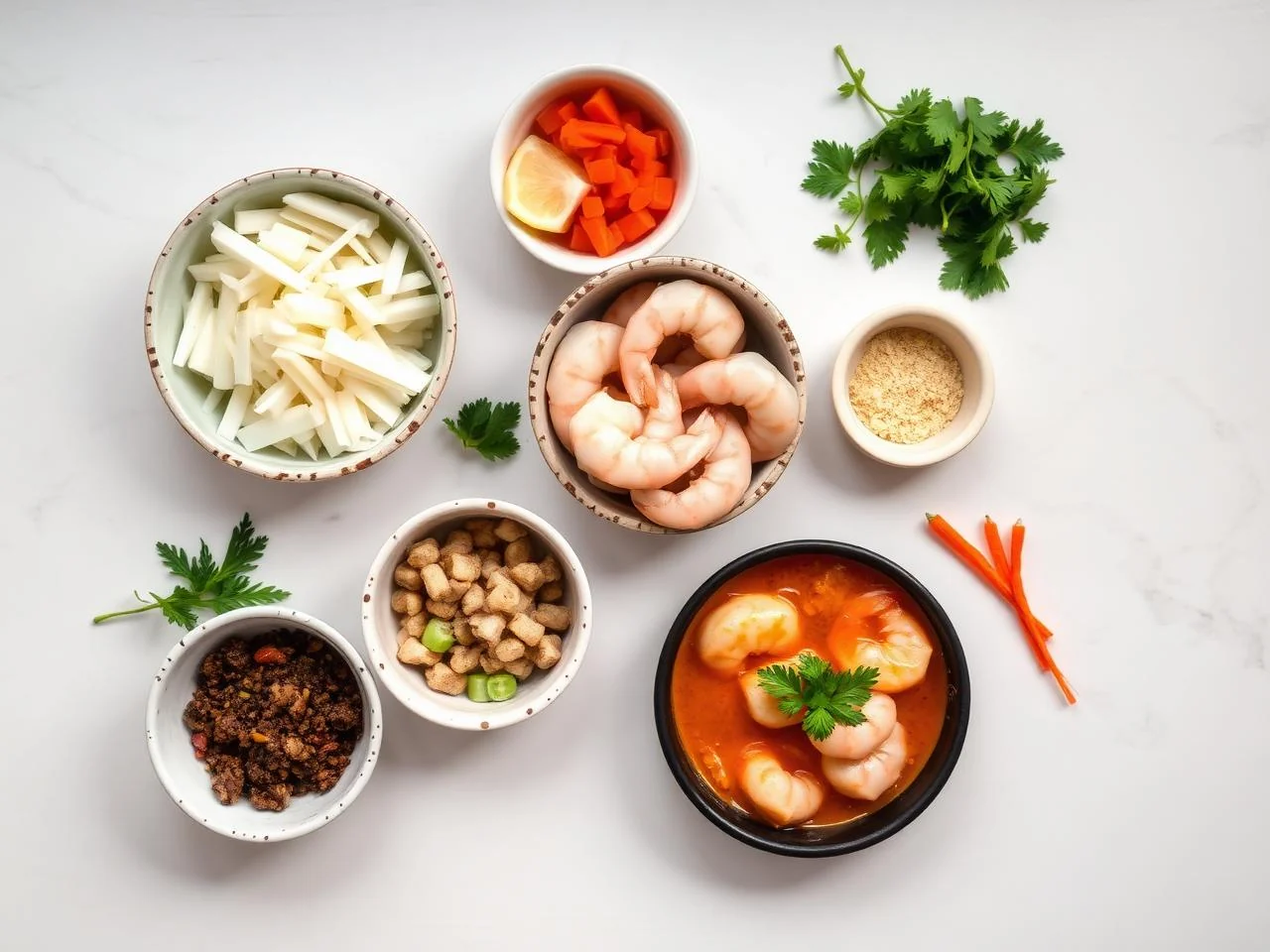
To make this delicious Thai Shrimp Curry, you'll need a few key ingredients, including fresh shrimp, coconut milk, and a blend of aromatic spices. You'll also need some basic pantry staples, such as fish sauce, lime juice, and vegetable oil. Don't worry if you can't find some of the more exotic ingredients, such as lemongrass or galangal, as you can easily substitute them with more common spices and herbs.
When shopping for the ingredients, be sure to choose the freshest and highest-quality items you can find. Fresh shrimp, for example, should be firm and have a sweet smell, while coconut milk should be full-fat and unsweetened. By using the best ingredients you can find, you'll ensure that your curry is flavorful and delicious.
- 1 lb (450g) large shrimp, peeled and deveinedFresh shrimp is essential for this recipe, as it will provide the best flavor and texture. Look for shrimp that are firm and have a sweet smell, and be sure to peel and devein them before using.
- 2 tablespoons vegetable oilVegetable oil is used to cook the aromatics and add flavor to the curry. You can also use other oils, such as coconut or peanut oil, if you prefer.
- 4 cloves garlic, mincedGarlic adds a pungent flavor to the curry and is essential for the aroma. Be sure to mince it finely so it cooks evenly and quickly.
- 1 tablespoon grated fresh gingerFresh ginger adds a spicy and warm flavor to the curry. Be sure to grate it finely so it cooks evenly and quickly.
- 2 stalks lemongrass, bruisedLemongrass is a key ingredient in Thai cuisine and adds a citrusy and aromatic flavor to the curry. Be sure to bruise it with the back of a knife to release the oils and flavor.
- 1 tablespoon Thai red curry pasteThai red curry paste is a blend of spices and herbs that adds a deep and complex flavor to the curry. Be sure to use a high-quality paste that is made with fresh and aromatic ingredients.
- 1 can (14 oz) full-fat coconut milkCoconut milk is essential for the creamy and rich texture of the curry. Be sure to use full-fat coconut milk, as it will provide the best flavor and texture.
- 2 tablespoons fish sauceFish sauce is a salty and umami flavor that adds depth and complexity to the curry. Be sure to use a high-quality fish sauce that is made with fresh and sustainable ingredients.
- 1 tablespoon lime juiceLime juice adds a bright and citrusy flavor to the curry and helps to balance out the richness of the coconut milk. Be sure to use fresh lime juice, as it will provide the best flavor and aroma.
- 1/2 teaspoon saltSalt is used to season the curry and bring out the flavors of the other ingredients. Be sure to use a high-quality salt that is made with fresh and sustainable ingredients.
- 1/4 teaspoon black pepperBlack pepper is used to add a subtle and spicy flavor to the curry. Be sure to use freshly ground black pepper, as it will provide the best flavor and aroma.
- 2 tablespoons chopped fresh cilantroFresh cilantro is used as a garnish and adds a fresh and herbal flavor to the curry. Be sure to chop it finely so it adds a pop of color and flavor to the dish.
- 2 tablespoons chopped scallionsScallions are used as a garnish and add a fresh and oniony flavor to the curry. Be sure to chop them finely so they add a pop of color and flavor to the dish.
Equipment You’ll Need
How to Make Thai Shrimp Curry
- 1Heat 1 tablespoon of vegetable oil in a large heavy skillet or wok over medium-high heat. Add the minced garlic and grated ginger and cook, stirring constantly, until fragrant and lightly browned, about 1-2 minutes.
- 2Add the bruised lemongrass and cook, stirring constantly, for 1 minute. This will help to release the oils and flavor of the lemongrass.
- 3Add the Thai red curry paste and cook, stirring constantly, for 1-2 minutes. This will help to toast the spices and add depth to the curry.
- 4Add the coconut milk and fish sauce, and stir to combine. Bring the mixture to a simmer and cook, stirring occasionally, until the sauce has thickened and reduced slightly, about 5-7 minutes.
- 5Add the peeled and deveined shrimp to the curry sauce and cook, stirring occasionally, until they are pink and cooked through, about 2-3 minutes. Use an instant-read thermometer to check the internal temperature of the shrimp, which should reach 145 F (63 C).
- 6Stir in the lime juice and salt, and cook for an additional 1-2 minutes. This will help to balance out the flavors and add a touch of brightness to the curry.
- 7Taste and adjust the seasoning as needed. If the curry is too thick, add a little water. If it's too thin, simmer it for a few more minutes to reduce the sauce.
- 8Transfer the curry to a serving dish and garnish with chopped fresh cilantro and scallions. Serve immediately, with steamed rice or noodles if desired.
- 9To make ahead, prepare the curry sauce and refrigerate or freeze it for later. Simply reheat the sauce and add the cooked shrimp and garnishes before serving.
- 10To reheat, simply warm the curry over low heat, stirring occasionally, until heated through. You can also reheat it in the microwave, but be careful not to overheat the sauce.
- 11To freeze, simply place the cooled curry in an airtight container or freezer bag and store it in the freezer for up to 3 months. Reheat the curry as desired, adding the cooked shrimp and garnishes before serving.
Expert Tips
- Use high-quality ingredients, such as fresh shrimp and aromatic spices, to ensure the best flavor and texture.
- Don't overcook the shrimp, as they can become tough and rubbery. Cook them until they are pink and cooked through, about 2-3 minutes.
- Use a variety of spices and herbs to add depth and complexity to the curry. You can also experiment with different combinations of spices to find your favorite flavor.
- Don't be afraid to adjust the seasoning to taste. If the curry is too spicy, add a little more coconut milk. If it's too bland, add a little more fish sauce or lime juice.
- Serve the curry with a variety of sides, such as steamed rice or noodles, to add texture and variety to the dish.
- Experiment with different types of protein, such as chicken or tofu, to add variety to the curry.
- Use a variety of vegetables, such as bell peppers or carrots, to add color and nutrients to the curry.
- Don't overheat the curry, as it can become too thick and sticky. Simply warm it over low heat, stirring occasionally, until heated through.
Common Mistakes to Avoid
- Overcooking the shrimp, which can make them tough and rubbery.
- Not using high-quality ingredients, such as fresh shrimp and aromatic spices, which can result in a bland and unappetizing curry.
- Not adjusting the seasoning to taste, which can result in a curry that is too spicy or too bland.
- Not using a variety of spices and herbs, which can result in a curry that is too simple and uninteresting.
- Overheating the curry, which can make it too thick and sticky.
- Not serving the curry with a variety of sides, such as steamed rice or noodles, which can add texture and variety to the dish.
Variations and Substitutions
- Add a variety of vegetables, such as bell peppers or carrots, to add color and nutrients to the curry.
- Use a variety of types of protein, such as chicken or tofu, to add variety to the curry.
- Experiment with different combinations of spices to find your favorite flavor.
- Add a little more fish sauce or lime juice to add more umami flavor to the curry.
- Use a variety of types of milk, such as almond or soy milk, to add a non-dairy option to the curry.
- Add a little more heat to the curry by using more chilies or red pepper flakes.
- Use a variety of types of oil, such as coconut or peanut oil, to add more flavor to the curry.
What to Serve With Thai Shrimp Curry
This Thai Shrimp Curry is a delicious and versatile dish that can be served with a variety of sides, such as steamed rice or noodles. You can also serve it with a variety of vegetables, such as bell peppers or carrots, to add color and nutrients to the dish.
One of the best things about this curry is that it's perfect for a weeknight dinner or special occasion. You can serve it with a variety of sides, such as steamed rice or noodles, to add texture and variety to the dish. You can also serve it with a variety of vegetables, such as bell peppers or carrots, to add color and nutrients to the dish.
Make-Ahead, Storage, Freezing and Reheating
This Thai Shrimp Curry can be stored in the refrigerator for up to 3 days or frozen for up to 3 months. To store it in the refrigerator, simply place the cooled curry in an airtight container and refrigerate it until ready to serve.
To freeze the curry, simply place the cooled curry in an airtight container or freezer bag and store it in the freezer until ready to serve. To reheat the curry, simply warm it over low heat, stirring occasionally, until heated through. You can also reheat it in the microwave, but be careful not to overheat the sauce.
When reheating the curry, be sure to stir it occasionally to prevent it from becoming too thick and sticky. You can also add a little more water or coconut milk to thin out the sauce if it becomes too thick. Additionally, you can add more spices or herbs to taste, such as fish sauce or lime juice, to add more flavor to the curry.
It's also important to note that the curry will thicken as it cools, so you may need to add a little more water or coconut milk to thin it out when reheating. Additionally, the flavors will meld together and become more complex as the curry sits, so it's a good idea to make it ahead of time and refrigerate or freeze it until ready to serve.
Frequently Asked Questions
What type of shrimp should I use for this recipe?
You can use any type of shrimp you like, but larger shrimp such as tiger or king prawns work best. Be sure to peel and devein the shrimp before using them in the recipe.
Can I use frozen shrimp instead of fresh?
Yes, you can use frozen shrimp, but be sure to thaw them first and pat them dry with paper towels before using. Frozen shrimp can be just as flavorful and tender as fresh shrimp, but they may not have the same texture.
What is the best type of coconut milk to use for this recipe?
Full-fat coconut milk is the best type to use for this recipe, as it will provide the richest and creamiest texture. You can also use low-fat or non-dairy coconut milk if you prefer, but the flavor and texture may not be the same.
Can I make this recipe ahead of time?
Yes, you can make this recipe ahead of time and refrigerate or freeze it until ready to serve. Simply reheat the curry over low heat, stirring occasionally, until heated through.
What type of spices can I use to add more flavor to the curry?
You can use a variety of spices to add more flavor to the curry, such as cumin, coriander, or paprika. You can also experiment with different combinations of spices to find your favorite flavor.
Can I serve this curry with other types of protein?
Yes, you can serve this curry with other types of protein, such as chicken or tofu. Simply substitute the shrimp with your preferred protein and adjust the cooking time as needed.
What is the best way to reheat the curry?
The best way to reheat the curry is to warm it over low heat, stirring occasionally, until heated through. You can also reheat it in the microwave, but be careful not to overheat the sauce.
Can I freeze the curry for later use?
Yes, you can freeze the curry for later use. Simply place the cooled curry in an airtight container or freezer bag and store it in the freezer until ready to serve. To reheat, simply warm the curry over low heat, stirring occasionally, until heated through.
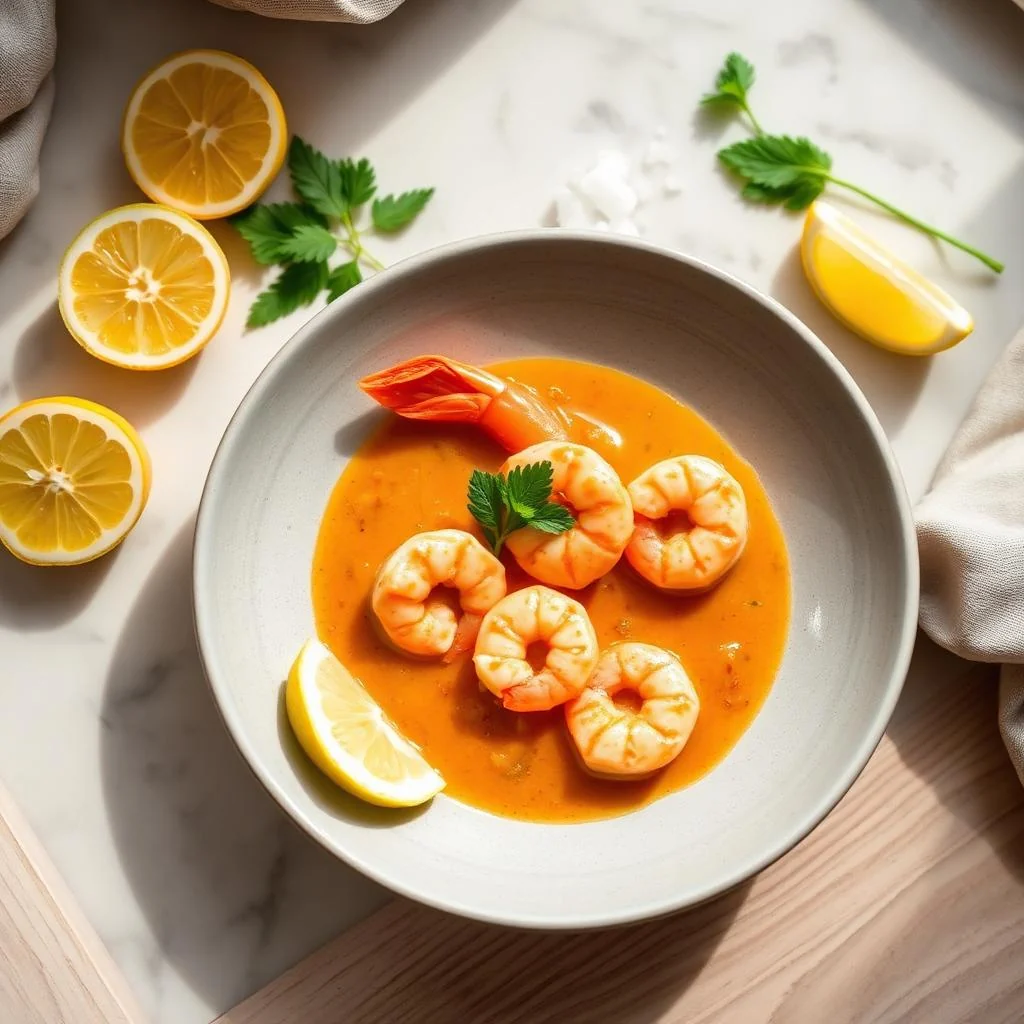
Ingredients
- 1 lb (450g) large shrimp, peeled and deveined
- 2 tablespoons vegetable oil
- 4 cloves garlic, minced
- 1 tablespoon grated fresh ginger
- 2 stalks lemongrass, bruised
- 1 tablespoon Thai red curry paste
- 1 can (14 oz) full-fat coconut milk
- 2 tablespoons fish sauce
- 1 tablespoon lime juice
- 1/2 teaspoon salt
- 1/4 teaspoon black pepper
- 2 tablespoons chopped fresh cilantro
- 2 tablespoons chopped scallions
Instructions
- Heat 1 tablespoon of vegetable oil in a large heavy skillet or wok over medium-high heat. Add the minced garlic and grated ginger and cook, stirring constantly, until fragrant and lightly browned, about 1-2 minutes.
- Add the bruised lemongrass and cook, stirring constantly, for 1 minute. This will help to release the oils and flavor of the lemongrass.
- Add the Thai red curry paste and cook, stirring constantly, for 1-2 minutes. This will help to toast the spices and add depth to the curry.
- Add the coconut milk and fish sauce, and stir to combine. Bring the mixture to a simmer and cook, stirring occasionally, until the sauce has thickened and reduced slightly, about 5-7 minutes.
- Add the peeled and deveined shrimp to the curry sauce and cook, stirring occasionally, until they are pink and cooked through, about 2-3 minutes. Use an instant-read thermometer to check the internal temperature of the shrimp, which should reach 145 F (63 C).
- Stir in the lime juice and salt, and cook for an additional 1-2 minutes. This will help to balance out the flavors and add a touch of brightness to the curry.
- Taste and adjust the seasoning as needed. If the curry is too thick, add a little water. If it's too thin, simmer it for a few more minutes to reduce the sauce.
- Transfer the curry to a serving dish and garnish with chopped fresh cilantro and scallions. Serve immediately, with steamed rice or noodles if desired.
- To make ahead, prepare the curry sauce and refrigerate or freeze it for later. Simply reheat the sauce and add the cooked shrimp and garnishes before serving.
- To reheat, simply warm the curry over low heat, stirring occasionally, until heated through. You can also reheat it in the microwave, but be careful not to overheat the sauce.
- To freeze, simply place the cooled curry in an airtight container or freezer bag and store it in the freezer for up to 3 months. Reheat the curry as desired, adding the cooked shrimp and garnishes before serving.