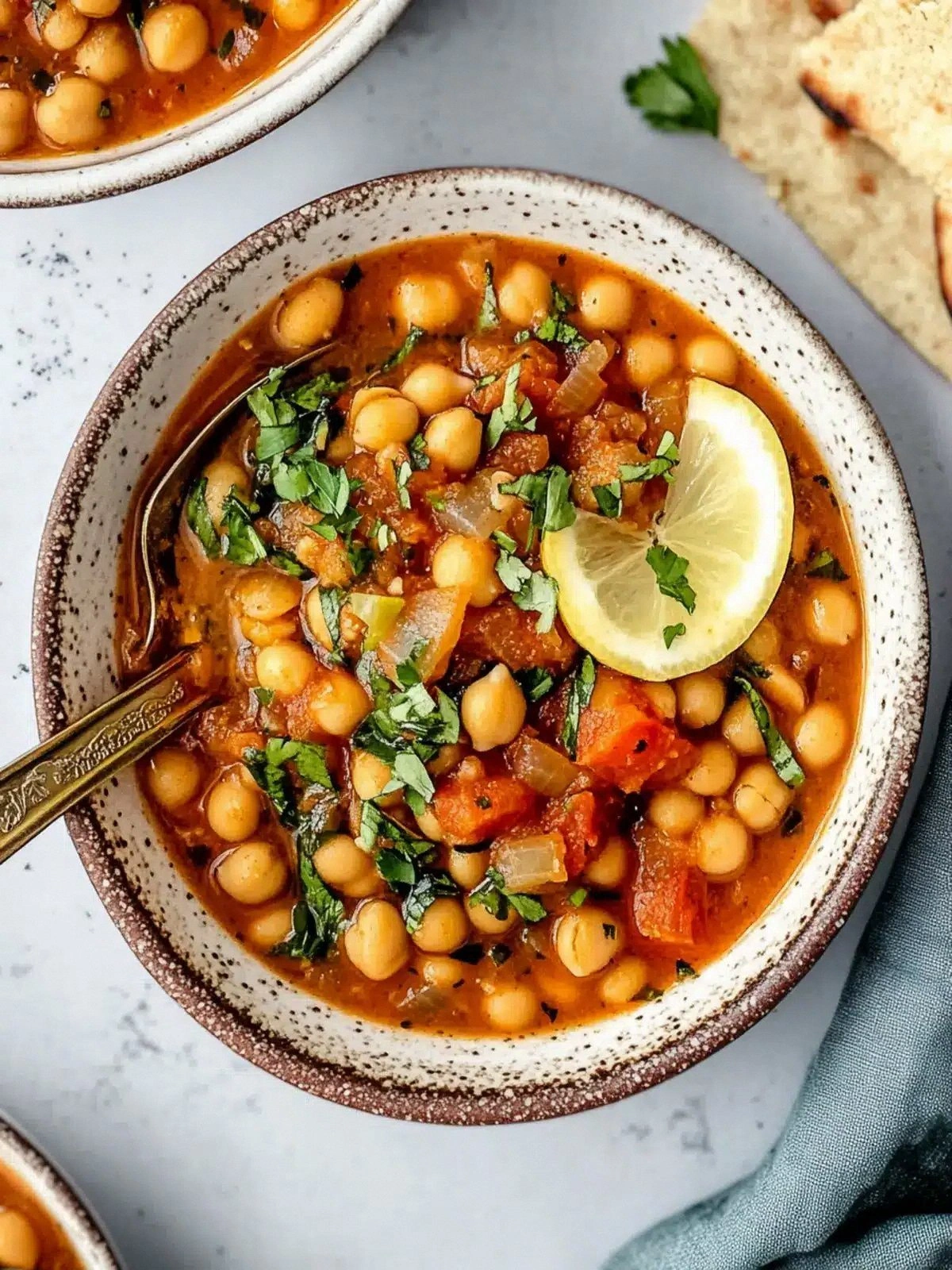
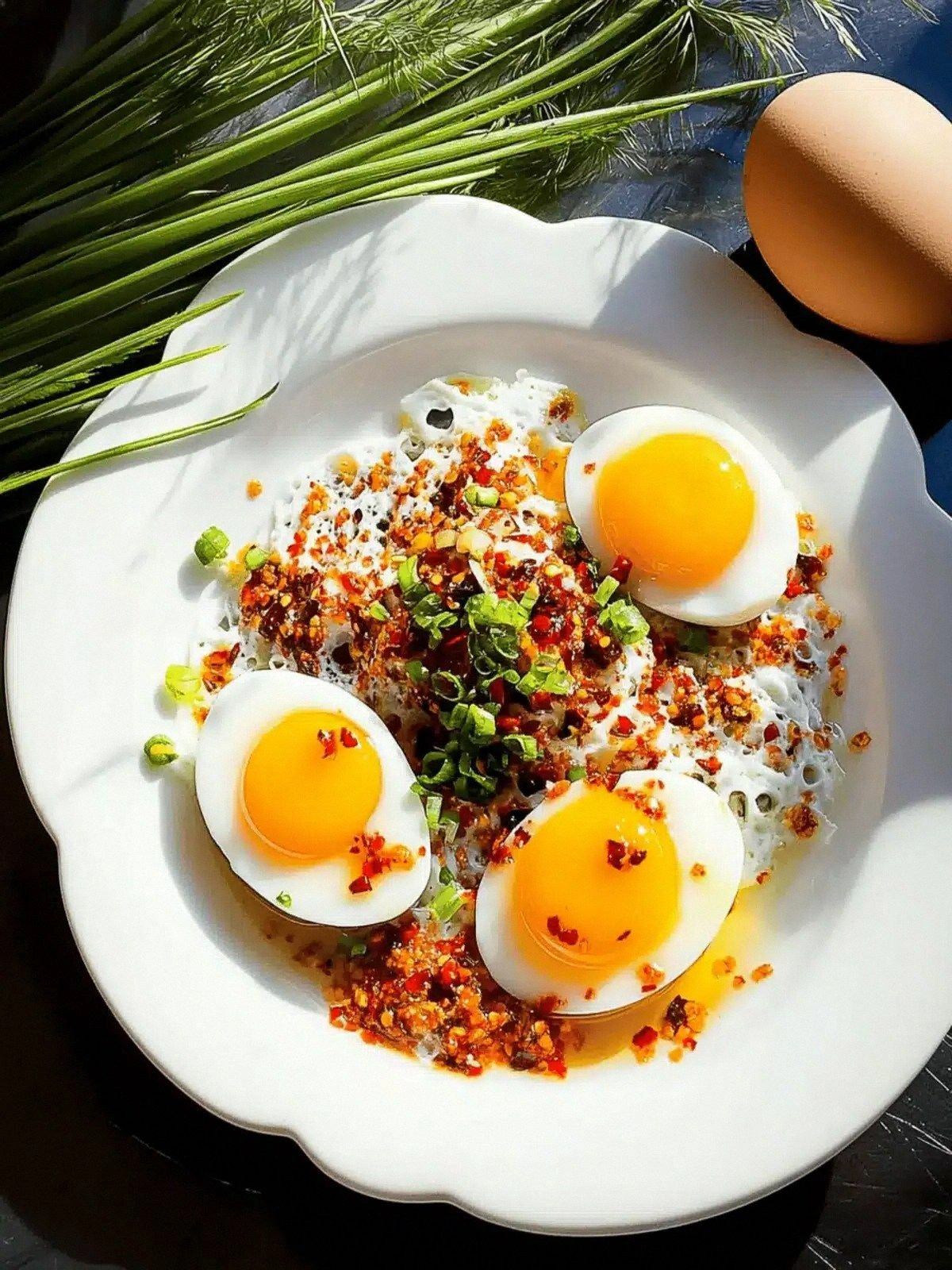
There was a moment in my kitchen that still makes my stomach flip with excitement. I was halfway through a week‑long dinner plan, juggling a pot of simmering pasta and a pan of sausage that had stubbornly refused to brown. The scent of garlic and herbs was drifting into the air like a promise, but the sausage remained bland, a dull gray slab that looked more like a sad piece of meat than a flavorful star. I laughed, cursed, and decided to rewrite the entire recipe on the spot. The result? A creamy Parmesan Italian sausage dish that turned that blandness into velvet‑smooth indulgence.
Picture this: the first bite lands on your tongue and the sausage’s savory juices mingle with a rich, nutty Parmesan sauce that coats the pasta like a silky blanket. The aroma that follows is a symphony of roasted garlic, fresh basil, and a hint of smoky sausage, all rising to the top of your senses. The texture is a dance of crunchy, caramelized edges that crackle when you bite, followed by a creamy center that melts. The flavor is bold yet balanced, with the Parmesan’s sharpness mellowed by the cream and a touch of tomato sweetness. It’s a dish that makes you pause and savor every mouthful.
I’m not just talking about the taste; I’m talking about the experience. The sizzle when the sausage hits the pan is a drumbeat that tells you you’re about to create something unforgettable. The way the sauce thickens, the way the pasta swallows it, the way the basil leaves flutter into the mix—all of it feels like a small culinary performance. Most people settle for a standard sausage pasta, but this version pulls every element into a crescendo that sings.
What sets this version apart is a secret technique that most recipes overlook: the early caramelization of the sausage with a splash of tomato sauce before the cream is added. This step locks in flavors and creates a depth that feels like a gourmet dish without the fancy ingredients. I dare you to taste this and not go back for seconds—once you’ve had this, ordinary pasta dishes will feel like a distant memory.
Let me walk you through every single step — by the end, you’ll wonder how you ever made it any other way.
What Makes This Version Stand Out
- Flavor Depth: The early caramelization of sausage with tomato sauce creates a rich umami base that elevates the entire dish.
- Texture Contrast: Crispy, caramelized edges of the sausage give a satisfying bite that contrasts with the silky sauce.
- Ingredient Quality: Using a high‑fat Italian sausage and fresh Parmesan ensures authenticity and richness.
- Time Efficiency: The method takes less than 45 minutes, making it perfect for busy weeknights.
- Make‑Ahead Friendly: The sauce can be cooled and reheated without losing its creaminess, ideal for meal prep.
- Visual Appeal: The golden brown sausage and bright green basil make for a dish that looks as good as it tastes.
- Versatility: It works wonderfully with different pasta shapes or as a hearty sauce for roasted vegetables.
- Guest Magnet: Friends who taste it will swear this is the best sausage pasta they’ve ever had.
Alright, let's break down exactly what goes into this masterpiece…
Inside the Ingredient List
The Flavor Base
At the heart of this dish is the Italian sausage. Choosing a high‑fat, fresh sausage with a robust peppery kick is essential; it provides the main flavor and the fat that keeps the sauce luscious. If you’re using a pre‑cooked or low‑fat version, you’ll miss that deep, savory richness. A good tip: crumble the sausage into a hot pan so it releases its juices and browns evenly—this caramelization is what sets the flavor apart.
The Texture Crew
Heavy cream and grated Parmesan work together to create that silky coating that drapes over every strand of pasta. The cream adds body and a gentle sweetness, while the Parmesan provides a sharp, nutty bite that cuts through the richness. Skipping either one will leave the sauce thin or bland; together they achieve a luxurious mouthfeel. If you’re lactose intolerant, a splash of half‑and‑half or a plant‑based cream can mimic the texture, though the taste will shift slightly.
The Unexpected Star
Fresh basil, though a small addition, brings brightness and a pop of color that balances the heaviness. The basil’s subtle peppery undertone lifts the dish, preventing it from feeling too heavy. If basil is out of season, a handful of fresh parsley or even dried oregano can serve as a substitute, though the flavor profile will change.
The Final Flourish
Tomato sauce, though only a splash, adds acidity that cuts through the richness and enhances the sausage’s natural umami. The small amount keeps the dish from becoming too saucy while still providing depth. If you prefer a tomato‑rich sauce, feel free to double the amount; just be prepared for a slightly lighter consistency. The optional red pepper flakes add a subtle heat that can elevate the dish for heat‑loving palates.
Everything's prepped? Good. Let's get into the real action…
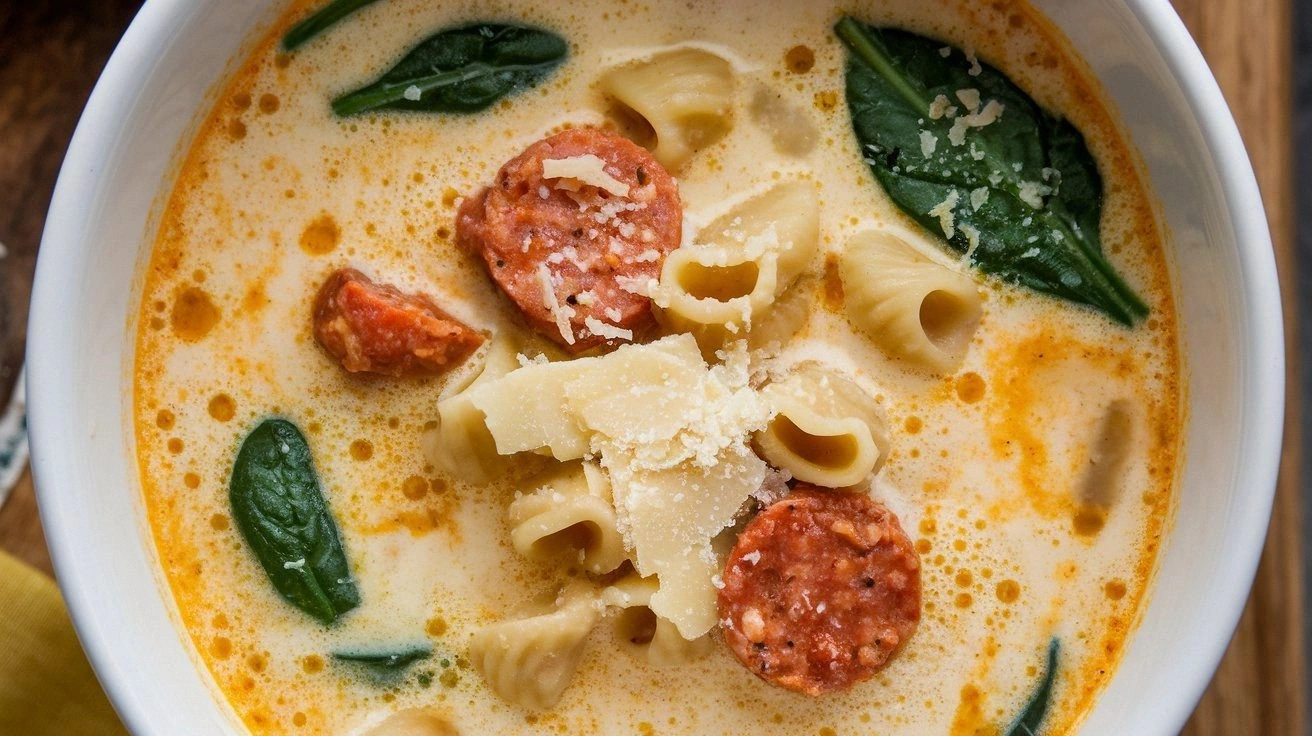
The Method — Step by Step
- Heat a large skillet over medium‑high heat. Add the crumbled Italian sausage, breaking it apart with a spatula. Cook until the sausage starts to brown and release its fat, about 5–7 minutes. Watch for the first sizzle—this is the sound that signals flavor is building. I dare you to taste the first few minutes; the aroma alone will convince you this is worth it.
- Add the diced onion to the pan. Sauté until translucent and slightly caramelized, about 4 minutes. The onions absorb the sausage juices, turning them into a sweet, savory base. If you notice any sticking, add a splash of olive oil—this keeps the mixture from drying out.
- Stir in the minced garlic and cook for 30 seconds until fragrant. Be careful not to burn the garlic; a burnt bite will ruin the delicate balance of flavors. This is the moment of truth—if the garlic turns golden, you’re on the right track.
- Pour in the splash of tomato sauce and let it reduce for 2 minutes. This reduction intensifies the tomato flavor and helps the sauce thicken slightly. If you prefer a thicker sauce, let it reduce a bit longer, but be mindful it can become overly thick if over‑cooked.
- Reduce the heat to medium and pour in the heavy cream. Stir until the mixture is smooth and begins to thicken. The cream should coat the back of a spoon without being runny. This step is where the sauce transforms into a velvety coating for the pasta.
- Add the grated Parmesan, Italian seasoning, salt, pepper, and red pepper flakes if using. Stir until the cheese melts and the sauce is glossy. Taste and adjust seasoning—if it feels flat, a pinch more salt or a dash of pepper can brighten it.
- Fold in the cooked pasta and toss until every strand is coated. Add a splash of reserved sausage juices if the sauce feels too thick. Let it simmer for 2 minutes so the pasta absorbs the flavors. The final dish should look glossy, with a golden sheen from the Parmesan and a hint of green from the basil.
- Finish with chopped fresh basil and a sprinkle of extra Parmesan on top. Serve hot, preferably with a side of crusty bread to soak up the sauce. The aroma of basil and melted cheese will make your kitchen feel like a cozy Italian trattoria.
That's it — you did it. But hold on, I've got a few more tricks that'll take this to another level…
Insider Tricks for Flawless Results
The Temperature Rule Nobody Follows
Cooking the sausage at the right temperature is key. If the heat is too low, the sausage will release too much fat and become greasy. If it’s too high, it will burn and create bitter flavors. I keep the heat medium‑high and let the sausage brown slowly. This slow caramelization locks in juices and creates a deeper flavor that you’ll taste in every bite.
Why Your Nose Knows Best
When the sauce starts to thicken, your nose should detect a rich, buttery aroma with a hint of tomato. If the aroma feels flat, it’s a sign the sauce needs more time to develop. Don’t rush this step; let the sauce simmer gently for a few minutes and watch the color deepen to a golden amber.
The 5‑Minute Rest That Changes Everything
After you remove the skillet from heat, let the dish rest for five minutes before serving. This brief pause allows the flavors to meld and the sauce to thicken slightly, creating a silkier mouthfeel. A friend once skipped this step and ended up with a watery sauce that didn’t hold onto the pasta.
Use a Skillet with a Lid
Covering the skillet halfway while the sauce simmers helps trap steam and keeps the sauce from drying out. It also creates a mini‑oven effect that caramelizes the top layer of the sausage, adding an extra layer of flavor. Remember to lift the lid just before adding the Parmesan so the cheese melts evenly.
Reserve Sausage Juices
Don’t discard the liquid that drips from the sausage as it cooks. This savory liquid is packed with flavor and can be added to the sauce to deepen its taste. It also helps thin the sauce if it becomes too thick, giving you a perfect consistency without diluting the flavor.
Season in Layers
Instead of adding all the salt at once, season gradually—once after browning the sausage, once after adding the cream, and once at the end. This layered seasoning approach prevents over‑salting and allows you to adjust the balance at each stage.
Creative Twists and Variations
This recipe is a playground. Here are some of my favorite ways to switch things up:
Cheesy Gnocchi Twist
Swap the ditalini for soft potato gnocchi and add a splash of ricotta for extra creaminess. The gnocchi’s pillowy texture pairs beautifully with the rich sauce, creating a comforting bowl that feels like a hug.
Vegan Version
Replace the sausage with a plant‑based Italian sausage substitute and use a dairy‑free cream. Swap Parmesan for nutritional yeast or a vegan cheese blend. The dish still delivers that savory depth and creamy coating.
Spicy Sriracha Kick
Incorporate a tablespoon of Sriracha into the sauce for a spicy, sweet heat that pairs wonderfully with the Parmesan’s sharpness. This variation is perfect for those who like a little fire in their pasta.
Herb‑Infused Cream
Stir in a handful of fresh thyme or rosemary into the cream before adding Parmesan. The herbal note adds complexity and a fragrant aroma that elevates the dish to gourmet status.
Low‑Carb Pasta Swap
Use shirataki noodles or zucchini noodles instead of traditional pasta for a low‑carb version. The noodles absorb the sauce just as well, creating a satisfying meal without the extra carbs.
Breakfast Boost
Serve the sauce over scrambled eggs or a soft‑baked omelet for a hearty breakfast. The creamy, cheesy sauce pairs with eggs, making for a protein‑packed start to the day.
Storing and Bringing It Back to Life
Fridge Storage
Cool the dish completely before transferring it to an airtight container. Store in the refrigerator for up to 3 days. The sauce will thicken slightly, so reheat gently.
Freezer Friendly
Place the cooled sauce in a freezer‑safe container and freeze for up to 2 months. Thaw overnight in the refrigerator, then reheat on the stovetop with a splash of milk or cream to restore creaminess.
Best Reheating Method
Reheat on low heat, stirring frequently, and add a small splash of water or broth to keep the sauce from drying out. This trick steams the sauce back to perfection, ensuring it remains silky and flavorful.