Picture this: I’m standing in a cramped kitchen, the oven preheated to a blistering 425°F, a bowl of diced onions trembling in my hand, and a friend shouting from the living room, “You can’t just throw a few peppers in a pot and call it soup, right?” I laughed, grabbed a handful of red bell peppers, and decided to prove her wrong. The moment the peppers hit the hot baking sheet, they hissed and the kitchen filled with a smoky perfume that made my mouth water before I even touched a spoon. I was determined to turn that simple act of roasting into a culinary revelation, and what followed was a cascade of flavors that danced on my tongue like fireworks on New Year’s Eve.
The first bite was a revelation. The roasted peppers delivered a deep, caramelized sweetness that clung to my palate, while the subtle heat of garlic whispered in the background. The broth, infused with the pepper’s charred essence, had a silky body that felt like velvet against the back of my tongue. The fresh basil added a bright, almost citrusy lift that cut through the richness, and the heavy cream wrapped everything in a luxurious, buttery coat that made the soup feel indulgent yet comforting. It was the kind of dish that makes you pause, close your eyes, and savor the moment as if it were a rare gem.
What sets this version apart from the countless other recipes you’ll find online is the deliberate layering of textures and the meticulous attention to detail. I didn’t just roast the peppers; I let them steam under a lid to release their juices fully, then blended the mixture until it was a smooth, cloud‑like consistency. I also balanced the cream with a splash of vegetable broth to keep the soup from becoming too heavy, and finished it with a handful of chopped basil that added a pop of color and a burst of freshness. The result is a soup that feels both hearty and airy, bold yet gentle—a true culinary symphony.
I dare you to taste this and not go back for seconds. That’s not an exaggeration; the first spoonful will have you reaching for a second, then a third, until the bowl is empty. Most recipes get this completely wrong by either under‑roasting the peppers or over‑blending, which leads to a watery texture. Here, the roasting is just right, the blending is silky, and the finishing touch of basil is unmistakable. I’ll be honest— I ate half the batch before anyone else got to try it, and my friends begged for the recipe the next day.
Picture yourself pulling this out of the oven, the whole kitchen smelling incredible, and the steam curling like a cloud of caramelized clouds. The aroma alone will have your guests lining up for a taste. This is hands down the best version you'll ever make at home. If you've ever struggled with this, you're not alone—and I've got the fix. The next section will break down exactly what makes this soup a triumph.
Let me walk you through every single step—by the end, you'll wonder how you ever made it any other way. I’ll keep the instructions clear, sprinkle in some humor, and add a few insider tricks that will elevate the dish from good to unforgettable. Ready? Let’s dive in.
What Makes This Version Stand Out
- Roasting Technique: The peppers are roasted until their skins blister and char, which brings out a deep, caramelized sweetness that is impossible to achieve with raw peppers. This step also releases the natural sugars, giving the soup a rich, almost sweet undertone that balances the cream. The result is a soup that feels both comforting and sophisticated.
- Blend to Perfection: Using an immersion blender ensures the soup reaches a silky, cloud‑like consistency without lumps. The high‑speed blending breaks down every fiber, creating a velvety texture that coats the palate. This technique is essential for achieving that luxurious mouthfeel that makes the soup memorable.
- Balanced Fat Content: Heavy cream is used sparingly, just enough to add richness without overpowering the flavors. Adding a splash of vegetable broth keeps the soup light and prevents it from becoming too thick or heavy. The careful balance of fats makes the soup both indulgent and approachable.
- Fresh Herb Finish: Fresh basil is added at the end to provide a bright, aromatic finish that cuts through the richness of the cream. The basil’s peppery notes add complexity and a pop of color. This final touch elevates the soup from simple to gourmet.
- Versatile Base: The soup’s base is simple enough to be a weeknight staple but elegant enough for entertaining. It pairs well with crusty bread, grilled cheese, or a crisp salad. The flexibility of the recipe makes it a go-to for any occasion.
- Time‑Efficient: The entire process takes just 45 minutes from prep to plate, making it a quick yet impressive dish. The roasting, blending, and simmering are streamlined to keep the kitchen workflow smooth. This time efficiency is a major win for busy cooks.
- Make‑Ahead Friendly: The soup stores well in the refrigerator for up to four days and freezes beautifully for up to three months. Reheating is simple—just warm gently and add a splash of broth if needed. This makes the soup ideal for meal prep or for feeding a crowd.
Inside the Ingredient List
The Flavor Base
The foundation of any great soup is its flavor base, and in this recipe, it’s a harmonious trio of red bell peppers, onions, and garlic. The peppers bring a natural sweetness that deepens with roasting, while the onions add a mellow, almost caramelized depth once sautéed. Garlic infuses the mixture with a warm, aromatic essence that ties everything together. If you skip any of these, the soup loses its core character—think of it as removing the heart from a dish.
The Texture Crew
Texture is what turns a good soup into an unforgettable one, and this recipe has it covered. The heavy cream provides a luscious, buttery body that coats the palate like velvet. The vegetable broth keeps the soup from becoming too thick, offering a silky smoothness that is both comforting and light. Together, these elements create a mouthfeel that feels both rich and airy, a delicate balance that’s hard to achieve.
The Unexpected Star
Fresh basil isn’t just a garnish; it’s a star that adds a burst of color and a bright, peppery aroma. Adding it at the end preserves its delicate flavor and gives the soup a refreshing lift that cuts through the cream’s richness. If you’re vegan, swap basil for fresh cilantro or parsley for a different herbal note. Basil is the secret that elevates this soup from ordinary to extraordinary.
The Final Flourish
Olive oil and seasoning are the final touches that tie everything together. Olive oil is used both for sautéing and for roasting, adding a subtle fruity note that enhances the overall flavor profile. Salt and pepper are essential for bringing out the natural sweetness of the peppers and the savory depth of the onions. Skipping these would leave the soup flat and unremarkable.
Everything’s prepped? Good. Let’s get into the real action.
The Method — Step by Step
- Preheat your oven to 425°F (220°C). Toss whole red bell peppers with a splash of olive oil, a pinch of salt, and a dash of pepper. Spread them on a baking sheet, skins facing up, and roast for 20–25 minutes until the skins blister and char. Once done, transfer the peppers to a bowl, cover, and let them steam for 10 minutes; this makes peeling a breeze. The moment the skins peel away, you’ll be greeted by an intoxicating aroma that signals the soup’s destiny.
- While the peppers roast, heat a tablespoon of olive oil in a large pot over medium heat. Add the diced onion and cook until translucent and slightly caramelized, about 5–6 minutes. The onion’s natural sugars will begin to bloom, adding a subtle sweetness to the base. Then add the minced garlic, stirring for 30 seconds until fragrant—watch the steam rise like a fragrant cloud. This is the moment the kitchen smells like a summer garden.
- Add the roasted peppers to the pot, stirring to coat them in the onion and garlic mixture. Pour in the vegetable broth and bring the mixture to a gentle simmer. Let the flavors meld for 10 minutes; this allows the pepper’s charred sweetness to infuse the broth, creating a depth that’s hard to replicate with raw ingredients. The simmering aroma will fill your kitchen, making it impossible to resist a taste test.
- Using an immersion blender, puree the soup until it’s silky smooth. If you don’t have an immersion blender, transfer the mixture to a countertop blender in batches—just be sure to vent the lid to avoid a splatter explosion. Blend until the soup feels like liquid velvet; the texture should be smooth enough that you could pour it from a spoon without any lumps. This step is where the soup transforms from chunky to cloud‑like.
- Return the soup to low heat and stir in the heavy cream. Let it warm through for 5 minutes, but avoid boiling; high heat can cause the cream to curdle, ruining the silky finish. The gentle warmth will coax the cream into a luscious embrace with the pepper broth, creating a luxurious mouthfeel. Keep an eye on the temperature—low and slow is the key.
- Season with salt and pepper to taste, adjusting as needed. Add the fresh basil, stir gently, and let the soup rest for a couple of minutes to allow the herbs to release their aroma. The basil’s bright notes will cut through the richness, adding a layer of freshness that balances the dish. Taste again—if it’s too thick, a splash of broth or water can bring it back to the desired consistency.
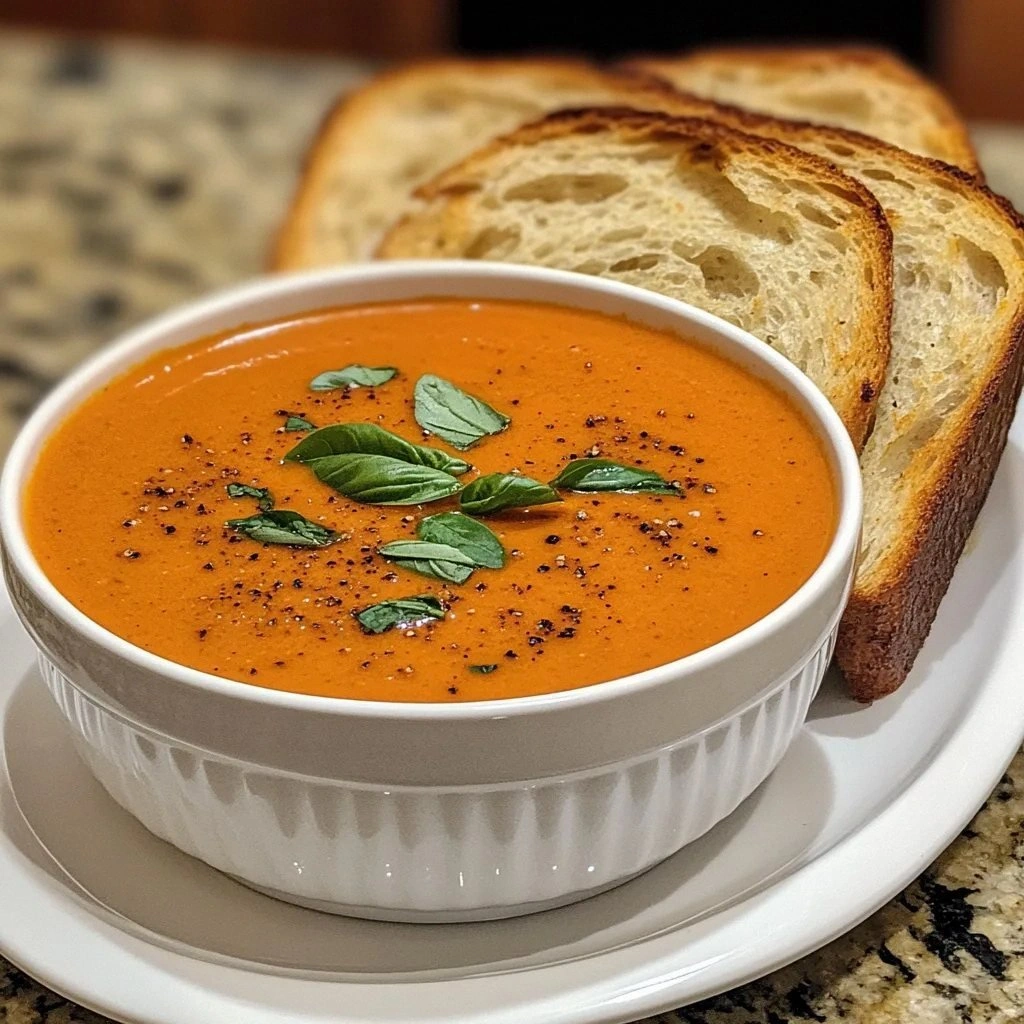
- Ladle the soup into bowls, garnish with a swirl of heavy cream, a few basil leaves, and a drizzle of olive oil. Serve hot with crusty bread, grilled cheese, or a simple green salad. The combination of textures and flavors will leave your guests raving. And remember, the first spoonful will have you reaching for a second—so be ready for a repeat order.
- Enjoy the velvety, smoky, and herbaceous experience that will leave you craving a second helping. Take a moment to savor the contrast between the sweet roasted peppers and the savory cream, the bright basil, and the comforting broth. This soup is a testament to how simple ingredients, when treated with care, can create something extraordinary. Bon appétit!
That's it — you did it. But hold on, I've got a few more tricks that'll take this to another level.
Insider Tricks for Flawless Results
The Temperature Rule Nobody Follows
Many cooks believe that a quick, high‑heat simmer is best for soup, but this can actually scorch the flavors and break down the delicate balance of sweetness and acidity. Instead, keep the simmer gentle—just enough to allow the flavors to mingle without rushing the process. I once tried a high‑heat approach and ended up with a bitter edge that clung to the palate. The lesson? Low and slow is the secret to a smooth, harmonious soup.
Why Your Nose Knows Best
The aroma of a soup is often the first indicator of its readiness. When the broth smells toasty and the peppers have released their caramelized sugars, you’re in the right place. If the smell feels raw or underdeveloped, give it a few more minutes. Trusting your nose is the quickest way to avoid under‑cooked or over‑roasted peppers.
The 5-Minute Rest That Changes Everything
After adding the basil and letting the soup rest for a few minutes, the flavors deepen and the aroma becomes more pronounced. I’ve seen people skip this step, but that small pause makes a big difference in taste. Think of it as letting a painting dry—those final minutes let the colors blend together.
The Creamy Consistency Hack
If the soup feels too thick, add a splash of vegetable broth or cold water to thin it out. This will keep the soup silky without diluting the flavor. Conversely, if you want a thicker, more stew‑like consistency, let it reduce on low heat for a few extra minutes. The key is to adjust while it’s still warm, so the texture stays consistent.
The Secret of Fresh Basil
Fresh basil is the crown jewel of this dish, but it can wilt quickly if added too early. Add it at the very end, after the soup has rested, to preserve its bright, peppery flavor. I once added basil at the beginning and the soup tasted like a wilted salad. That’s why timing matters—basil is a delicate herb that needs a gentle touch.
Creative Twists and Variations
This recipe is a playground. Here are some of my favorite ways to switch things up:
Spicy Kick
Add a pinch of cayenne pepper or a diced jalapeño during the sautéing phase. The heat will contrast the sweet roasted peppers, giving the soup a lively, fiery edge. This version is perfect for those who like a bit of spice in their comfort food.
Vegan Version
Swap the heavy cream for coconut milk or cashew cream for a dairy‑free twist. Use vegetable broth and a splash of nutritional yeast for added depth. The result is a creamy, satisfying soup that’s completely plant‑based.
Smoky Char
After roasting, toss the peppers in a tablespoon of smoked paprika before blending. The smoky flavor will deepen the charred notes and give the soup a barbecue vibe. This is a great addition for grill‑season recipes.
Herb‑Infused
Replace basil with fresh mint or tarragon for a different herbal profile. Mint adds a cool, refreshing note, while tarragon brings a subtle anise flavor. These variations can change the mood of the soup entirely.
Crunchy Topping
Top each bowl with toasted pumpkin seeds or a handful of crispy roasted chickpeas. The crunch adds texture contrast and a nutty flavor that complements the creamy base. It also turns the soup into a more filling meal.
Breakfast Boost
Serve the soup with a poached egg or a slice of grilled ham for a hearty breakfast. The protein adds substance, making it a satisfying start to the day. This twist is especially good on cold mornings.
Storing and Bringing It Back to Life
Fridge Storage
Cool the soup to room temperature before transferring it to an airtight container. Store in the refrigerator for up to four days. The flavors will continue to meld, making the soup even richer the next day.
Freezer Friendly
Divide the soup into portioned containers or freezer bags, leaving a little space at the top for expansion. Freeze for up to three months. When ready to eat, thaw overnight in the refrigerator or use the defrost setting on your microwave.
Best Reheating Method
Reheat the soup on low heat, stirring frequently, until it’s hot and steaming. Add a tiny splash of water or broth before reheating to restore moisture and prevent the soup from thickening too much. Finish with a swirl of cream or a drizzle of olive oil to bring back the silky texture.