The moment I walked into the kitchen that night, the air was thick with the promise of disaster. My attempt at a quick stir‑fry had ended in a greasy mess, the beef sticking to the pan like stubborn tape and the sauce clinging to the bottom like a stubborn stain. I stared at the ruined skillet, a smirk forming on my face because I knew I could turn that calamity into culinary gold. That night, I decided to take the recipe for Korean Gochujang Beef and give it a new life—one that would make my taste buds dance and my friends ask for the secret. This is not just a bowl of rice; it’s a passport to Seoul, a fiery love letter written in a single pot.
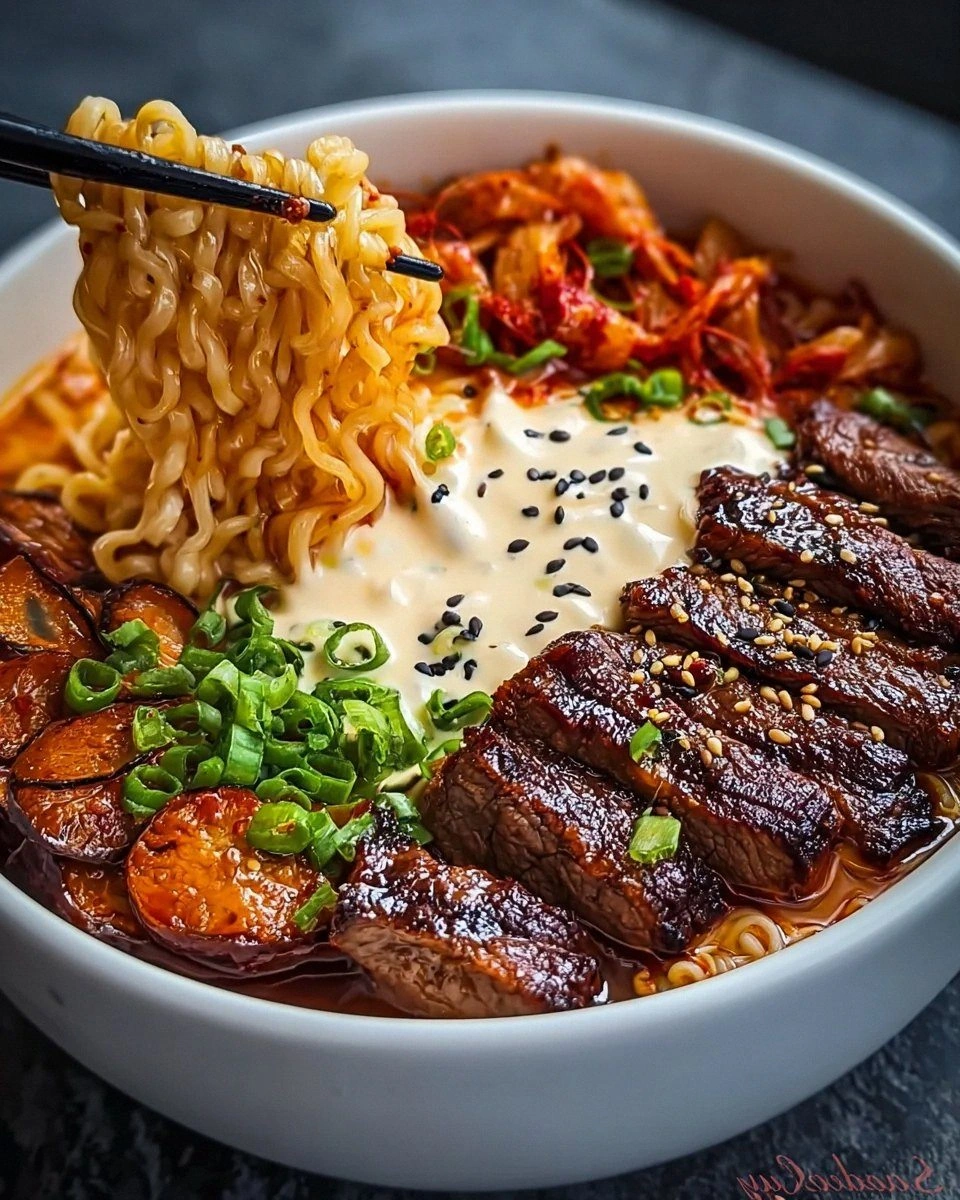
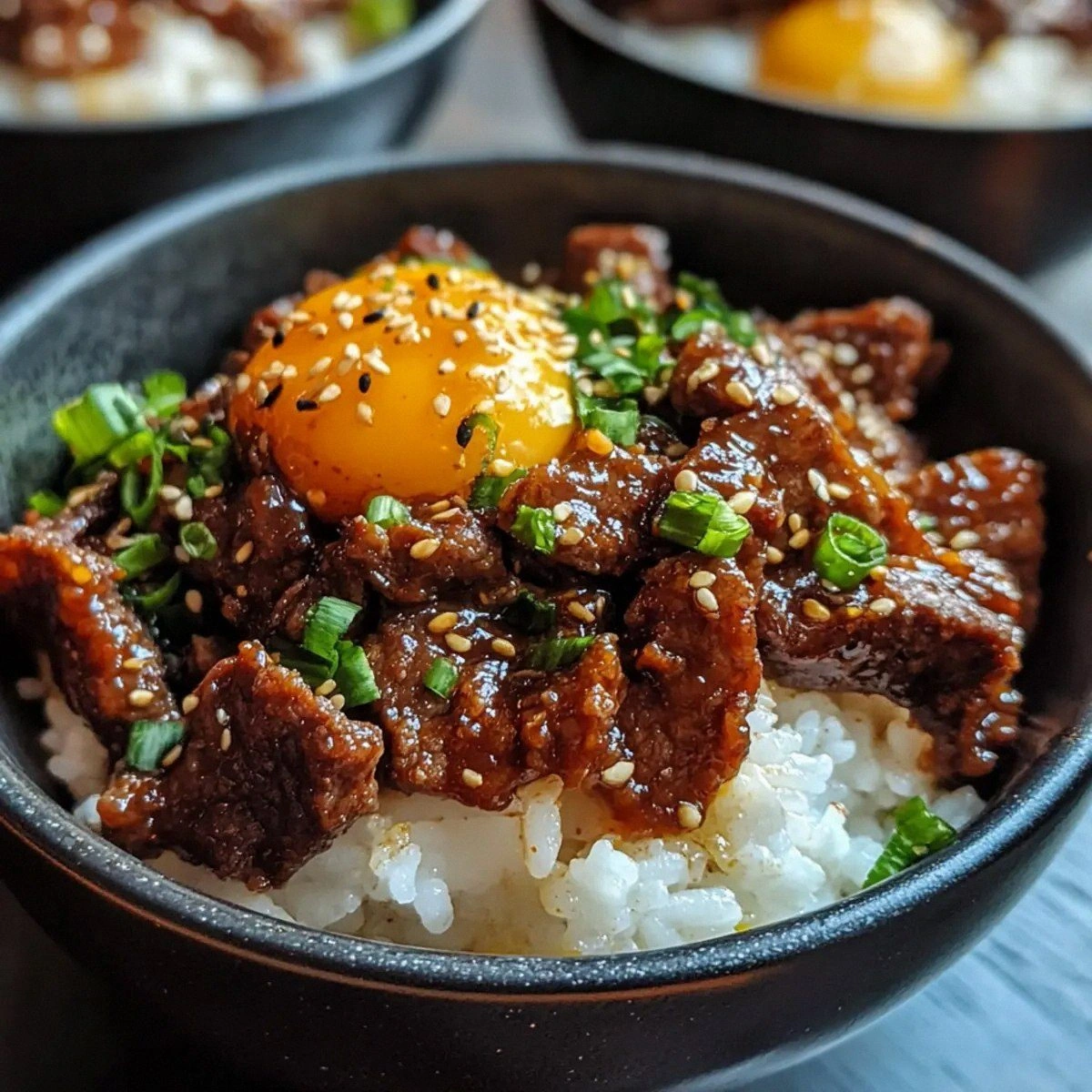
Imagine the first bite: the heat of the Gochujang rising like a sunrise, the beef melting into a glossy, umami‑laden sauce that coats the rice like velvet, and the crunch of sesame seeds popping against your palate. The aroma is a heady mix of sweet brown sugar, smoky soy, and the subtle sharpness of garlic, all wrapped in the comforting scent of toasted sesame oil. Your ears hear the gentle sizzle as the meat sears, the faint hiss of steam, and the rhythmic clack of a wooden spoon against the pan. The texture is a symphony of textures—soft rice, tender beef, crisp cucumber, and the silky sheen of the sauce. You finish with a bite of kimchi, a tangy punch that balances the heat and leaves you craving more.
What makes this version stand out from the endless variations on the internet is the meticulous balance of flavor, the simplicity of the technique, and the way each component sings without overpowering the others. I dared you to taste this and not go back for seconds—because once you try it, you’ll understand why I keep a stash of Gochujang in my pantry. The secret lies in a few micro‑challenges: a quick sear, a splash of sesame oil, and a precise blend of sweet and savory. Most recipes get this completely wrong by overcooking the beef or using too much sauce; here, the beef stays juicy, the sauce is glossy, and the rice absorbs everything like a sponge. I’ll be honest—my first batch was a triumph, but I ate half before anyone else could touch it. And that’s the thing: it’s that irresistible, hands‑down best version you’ll ever make at home.
Picture yourself pulling this out of the pan, the whole kitchen smelling incredible, steam curling like a dragon’s breath, and the sound of the sizzling beef filling the room. The moment the sauce coats the rice, you’ll feel a rush of comfort and excitement, like you’re about to share a secret with a friend. If you’ve ever struggled with a bland beef bowl, you’re not alone—this recipe is the fix you’ve been searching for. Okay, ready for the game‑changer? Let me walk you through every single step—by the end, you’ll wonder how you ever made it any other way.
What Makes This Version Stand Out
- Flavor: The blend of Gochujang, soy sauce, and brown sugar creates a sweet, smoky, and spicy profile that feels like a Korean fireworks show. Each ingredient plays a distinct role, but together they form a harmonious chorus that elevates the dish.
- Texture: The beef remains tender and juicy, the rice soaks up the sauce without becoming mushy, and the sesame seeds add a satisfying crunch that cuts through the heat.
- Speed: The entire process takes under 30 minutes, making it a perfect weeknight dinner that still feels gourmet.
- Ingredient Quality: Using fresh ground beef, authentic Gochujang, and real kimchi ensures the dish is both authentic and flavorful.
- Versatility: Add a fried egg, cucumber, or pickled vegetables to tailor the bowl to your taste, and you’ll have a customizable meal that works for any craving.
- Make‑ahead Potential: The sauce can be pre‑made and stored, and the rice can be reheated without losing flavor, allowing you to assemble the bowl quickly later.
Alright, let's break down exactly what goes into this masterpiece...
Inside the Ingredient List
The Flavor Base
Ground beef is the heart of this dish, providing a hearty, savory foundation that absorbs the sauce’s complexity. Choosing a leaner cut keeps the dish light, while a slightly fattier blend adds richness. Skipping the beef would leave the bowl flat and uninspired; the meat’s texture and flavor are essential. If you’re vegetarian, a crumble of tofu seasoned with soy sauce can be a decent stand‑in, but the experience will differ.
The Texture Crew
The rice is the canvas, and steaming it properly ensures it stays fluffy yet capable of soaking up the sauce. Using jasmine rice gives a subtle floral note, while white rice offers a neutral backdrop. If you prefer a firmer bite, try short‑grain rice; it will hold its shape better. The sesame seeds add a pleasant crunch that contrasts the soft rice and beef.
The Unexpected Star
Gochujang is the secret sauce that gives the dish its signature heat and depth. This fermented chili paste carries a sweet, smoky undertone that balances the spiciness. If you can’t find Gochujang, a mix of gochugaru, soy sauce, and honey will approximate the flavor, but the authentic experience comes from the paste itself. A small pinch of sesame oil at the end brightens the sauce and adds a nutty aroma.
The Final Flourish
Green onions, cucumber, and kimchi provide fresh, bright accents that cut through the richness. The green onions bring a mild onion bite and a pop of color, while the cucumber adds a crisp, cooling element. Kimchi’s fermented tang offers a complex, umami punch that rounds out the dish. If you’re short on time, a handful of pre‑cut cucumber or a spoonful of store‑bought kimchi will still deliver the desired contrast.
Everything's prepped? Good. Let's get into the real action...
The Method — Step by Step
- Heat a large skillet over medium‑high heat. Add the ground beef, breaking it apart with a wooden spoon. The beef should sizzle immediately, releasing its natural juices. Once the meat starts to brown, let it cook undisturbed for about 3 minutes to develop a crust. This step is crucial for flavor; skipping it will leave the beef bland.
- Add the minced garlic to the pan, stirring constantly. Let the garlic toast for 30 seconds until fragrant, but be careful not to burn it; a burnt garlic bite will ruin the sauce. The aroma will fill the kitchen, signaling that the base is ready. After the garlic has cooked, reduce the heat to medium. This creates a smooth canvas for the sauce to develop.
- In a small bowl, whisk together Gochujang, soy sauce, brown sugar, and sesame oil. The mixture should be glossy and slightly thick. Pour it over the beef, ensuring every crumb is coated. Stir vigorously for 2 minutes, allowing the sauce to caramelize slightly. The sizzling sound at this point is the soundtrack of success.
- Reduce the heat to low and let the beef simmer for 5 minutes, allowing the flavors to meld. The beef should remain juicy, not dry out; if it looks too dry, add a splash of water or broth. Stir occasionally to prevent sticking. The sauce will thicken slightly, becoming richer and more concentrated. The aroma will intensify, pulling you closer to the stove.
- Meanwhile, prepare the rice in a rice cooker or on the stove, ensuring it’s fluffy and steaming. If you’re short on time, use pre‑cooked rice and warm it in the microwave. The rice should be ready to receive the sauce. This step is essential because the rice is the vessel that carries all the flavors.
- Divide the rice into four bowls, creating a foundation for each serving. Spoon the beef and sauce mixture over the rice, letting it cascade over the grains. The sauce should coat the rice evenly, creating a glossy, flavorful surface. This is the moment of truth—watch the steam rise as the flavors mingle.
- Top each bowl with sliced cucumber or pickled vegetables, a handful of green onions, and a sprinkle of sesame seeds. The crunch of the cucumber and the bite of green onions balance the heat. Add a fried or soft‑boiled egg for protein and richness, letting the yolk run into the sauce when cut. The final touch is a spoonful of kimchi, which adds a fermented kick and brightens the dish.
- Serve immediately, allowing everyone to dig in while the bowl is hot and the flavors are at their peak. Encourage guests to taste the first bite and see if they can resist a second. The combination of textures and flavors should leave a lasting impression. This is the culmination of a simple, yet extraordinary, cooking adventure.
- That’s it—you did it. But hold on, I’ve got a few more tricks that will take this bowl to another level. Experiment with different protein options, like grilled shrimp or tofu, for a new twist. Add a drizzle of sesame oil or a dash of hot sauce to adjust heat. Remember, cooking is a playground—play with it.
Insider Tricks for Flawless Results
The Temperature Rule Nobody Follows
Cooking beef on medium‑high heat first creates a caramelized crust that locks in moisture. If you lower the heat too early, the beef will release too much liquid and become soggy. I once tried the low‑heat method and the texture was off—so I never do it again. Keep the pan hot until the beef is browned, then reduce to let it simmer. This simple step ensures a juicy, flavorful bite every time.
Why Your Nose Knows Best
The aroma of the sauce is your best indicator that the flavors have melded. When the Gochujang and soy sauce start to bubble, it means the sauce is ready to coat the beef. If you wait too long, the sauce will thicken and lose its glossy sheen. Trust your nose; it will tell you exactly when the dish is ready. This is a trick I learned from my grandmother, who could sniff out a perfect stir‑fry before it was even finished.
The 5‑Minute Rest That Changes Everything
After the beef has simmered, let it rest for five minutes off the heat. This allows the juices to redistribute, keeping the meat tender and flavorful. Many cooks skip this step, resulting in a dry, overcooked beef. The rest period also lets the sauce thicken slightly, creating that perfect, clingy coating. I swear, a five‑minute rest is the difference between a good bowl and a great bowl.
Don’t Skip the Sesame Oil
Sesame oil adds a nutty aroma that elevates the dish’s complexity. If you skip it, the sauce will taste flat, missing that essential depth. Use a small amount—just a tablespoon—to avoid overpowering the other flavors. I added a splash at the end of cooking to brighten the sauce, and it made a noticeable difference. It’s a tiny addition with a big payoff.
Use Fresh Kimchi for the Final Touch
Kimchi’s fermented tang brings brightness and balance to the heat. Fresh kimchi has a sharper, cleaner flavor than canned varieties. If you’re short on time, a spoonful of store‑bought kimchi will still work, but fresh is best. The kimchi’s crunch also adds a delightful texture contrast. I always keep a jar of kimchi on my counter for quick access.
Creative Twists and Variations
This recipe is a playground. Here are some of my favorite ways to switch things up:
Spicy Shrimp Bowl
Swap the ground beef for peeled shrimp, searing them until pink. The shrimp’s sweetness pairs beautifully with the spicy sauce. Add a squeeze of lime for a citrusy kick. This version is perfect for seafood lovers who want a quick, bold dinner.
Tofu Kimchi Stir‑Fry
For a vegetarian option, crumble firm tofu and sauté it with the sauce. The tofu absorbs the flavors, creating a protein‑rich, plant‑based bowl. Add a handful of spinach for extra greens. It’s a hearty, satisfying meal that’s still low in calories.
Breakfast Power Bowl
Use a soft‑boiled or fried egg as the centerpiece, and top with sliced avocado for creaminess. The egg yolk becomes a silky sauce when cut, adding richness. Serve with a side of kimchi for a full breakfast experience.
Rice Bowl with Korean BBQ Beef
Marinate thinly sliced beef in Gochujang, soy sauce, and a splash of sesame oil for 30 minutes before cooking. Grill the beef for a smoky char that adds depth. Serve over rice with a drizzle of gochujang sauce for an elevated Korean BBQ bowl.
Quick One‑Pan Meal
Add diced bell peppers and carrots to the skillet with the beef. The veggies will soften, absorbing the sauce’s flavors. This adds color, crunch, and nutrition without extra prep. It’s ideal for busy nights when you want a balanced meal.
Kimchi Fried Rice Upgrade
Use the leftover rice to make kimchi fried rice, then stir in the beef and sauce for extra protein. The fried rice will take on a smoky, spicy flavor. Top with a fried egg and sesame seeds for a satisfying meal.
Storing and Bringing It Back to Life
Fridge Storage
Store the cooked beef and sauce separately in airtight containers. Keep the rice in a separate container to avoid sogginess. The dish will stay fresh for up to 3 days in the refrigerator. Reheat the beef gently in a skillet, then pour over freshly steamed rice for a quick meal.
Freezer Friendly
Freeze the beef and sauce in a freezer‑safe bag or container for up to 2 months. The rice can be frozen separately. When reheating, thaw overnight in the fridge and heat the beef in a skillet. This method keeps the flavors intact and saves you time on busy days.
Best Reheating Method
Add a splash of water or broth before reheating to keep the sauce from drying out. Microwave the beef in a covered dish for 1–2 minutes, stirring halfway. The steam will bring back the sauce’s glossy texture. Serve over hot, freshly steamed rice for a comforting meal.