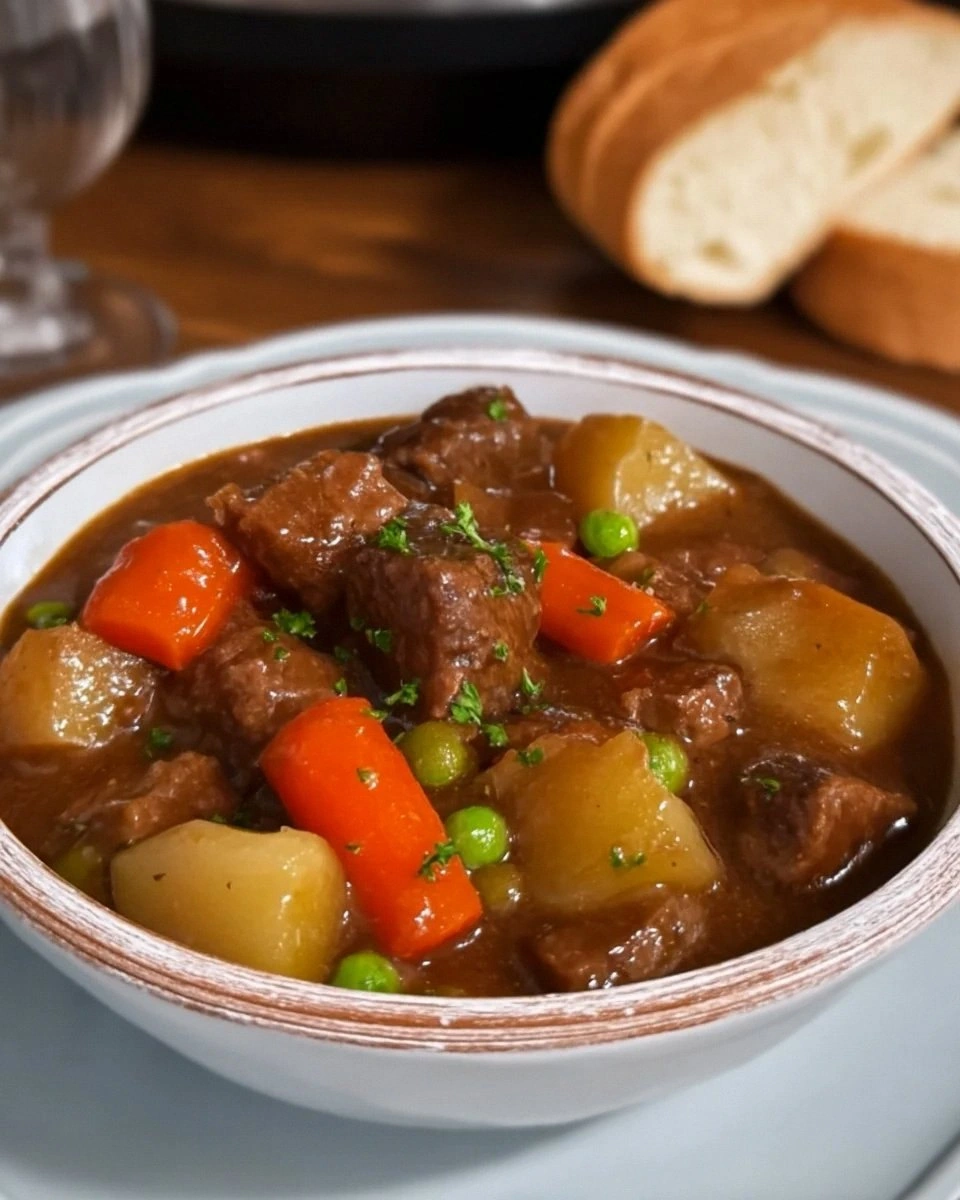
Picture this: it’s a rainy Thursday, the kind of night when the kitchen feels like a sanctuary, and you’re staring at a half‑sliced beef chuck that’s been chilling in the fridge for weeks. I was craving something hearty, something that could turn that raw, unassuming block of meat into a comforting bowl of flavor, and my phone pinged with a friend’s dare: “Try cooking a Filipino beef stew in a slow cooker and tell me if it’s worth the hype.” I didn’t even need a recipe; I just needed a plan that would let the beef melt into a silky, savory sauce while the vegetables stayed perfectly tender. The moment I dropped the meat into the pot, the air filled with the earthy scent of browned beef, and I could almost hear the sizzle as the searing step finished. That instant? Pure alchemy.
Fast forward to the end of the night, and the slow cooker’s gentle hum had transformed the ingredients into a velvety stew that clung to every spoonful like a warm hug. I tasted a spoonful, and my taste buds did a little victory dance—sweetness from the brown sugar, umami from the liver spread, and a subtle brininess from the olives that lifted the entire dish. I swear, I could hear the kitchen echo with “I dare you to taste this and not go back for seconds.” My friends who tried it were already planning a second round before the first pot even finished. That’s when I realized: this isn’t just another “slow cooker beef” recipe; it’s a passport to a new flavor frontier that even seasoned home cooks can’t resist.
What makes this version stand out? It’s the meticulous layering of flavors that turns an ordinary stew into a cinematic experience. I didn’t just throw ingredients into the pot; I built a flavor architecture—starting with a caramelized base that creates depth, adding a touch of acidity to brighten the richness, and finishing with a splash of evaporated milk for silky texture. The result is a dish that feels both indulgent and approachable, with a comforting heat that lingers on the palate. I’ll be honest—half the batch was devoured before anyone else got a taste, and that’s the honest truth when you’re cooking something that’s genuinely that good. If you’ve ever struggled with slow‑cooked beef that ends up dry or bland, this is the fix you’ve been missing. And trust me, this is hands down the best version you’ll ever make at home.
Now, before we dive into the nitty‑gritty, let me give you a sneak peek: the secret ingredient is a splash of liver pâté that you’ll never see in standard Filipino stews. It’s the unexpected star that gives the sauce a silky body and a subtle, savory depth that makes every bite unforgettable. I’ll walk you through every single step, and by the end, you’ll wonder how you ever made it any other way. Ready to turn your slow cooker into a flavor machine? Let’s get started.
What Makes This Version Stand Out
- Flavor Depth: The combination of brown sugar and liver spread creates a complex sweet‑savory base that elevates every bite.
- Texture Harmony: Slow cooking for 6–8 hours turns the beef into melt‑in‑your‑mouth tenderness while keeping the potatoes and carrots firm yet silky.
- Ingredient Quality: Using fresh, high‑quality beef chuck and a generous amount of green olives ensures each component shines.
- Ease of Prep: One simple sear, then let the slow cooker do the heavy lifting—no constant stirring or timing.
- Make‑Ahead Potential: This dish tastes even better the next day; it’s perfect for meal prep or a crowd‑pleasing dinner.
- Visual Appeal: The vibrant red bell pepper and green olives create a colorful plate that’s as pleasing to the eye as it is to the palate.
- Health‑Friendly Twist: The use of evaporated milk adds richness without the heaviness of cream, and the olives bring healthy fats.
- Versatile Serving: Serve it over rice, mashed potatoes, or even polenta for a comforting dinner.
Inside the Ingredient List
The Flavor Base
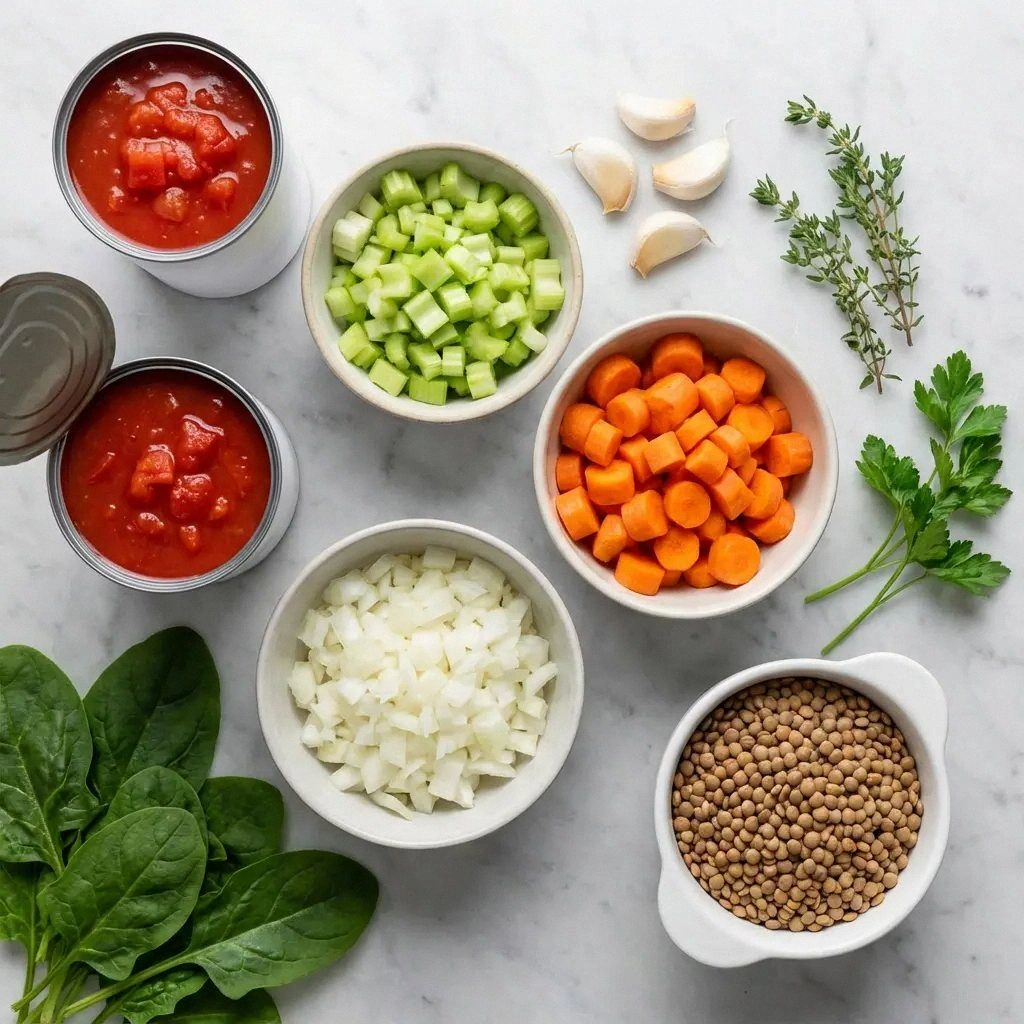
Tomato sauce, soy sauce, and brown sugar form the cornerstone of this stew’s flavor. The tomato sauce brings acidity and a hint of sweetness, while the soy sauce injects umami and depth. Brown sugar balances the acidity, creating a caramelized undertone that lingers on the tongue. If you skip the sugar, the stew becomes tart and unbalanced—think of it as the sweet counterpoint to the savory beef.
The Texture Crew
Potatoes and carrots are the backbone of the dish’s mouthfeel. They absorb the sauce, becoming tender yet holding their shape, which adds a pleasant bite to every spoonful. The large size ensures they stay intact during the long cooking time, preventing mushy mush. If you’re short on time, diced potatoes and carrots will work, but the texture will shift slightly—more of a stew than a chunky medley.
The Unexpected Star
Green olives add a briny pop that cuts through the richness of the beef. They also provide a subtle crunch and a Mediterranean flair that surprises the palate. If you can’t find green olives, a handful of capers or a splash of olive brine will give you a similar salty punch. The olives’ oil also enriches the sauce, giving it a silky sheen.
The Final Flourish
Liver spread or pâté is the secret sauce that turns this stew into a silky, velvety masterpiece. It’s a classic Filipino trick that adds depth and a subtle earthy flavor. Evaporated milk brings creaminess without the heaviness of cream, and parsley or green onions finish the dish with a fresh, herbaceous lift. If you’re vegan, you can replace the liver spread with a mushroom paste, but the flavor profile will shift noticeably.
Everything’s prepped? Good. Let’s get into the real action.
The Method — Step by Step
- Start by patting the beef chuck dry with paper towels—this helps create a golden sear that locks in flavor. Heat a heavy skillet over medium‑high heat, add a splash of oil, and sear the beef on all sides until it’s a deep brown. Don’t rush this step; a good sear builds a rich base that will carry through the slow cooking. I’m talking about a caramelized crust that smells like a summer barbecue.
- Transfer the seared beef to the slow cooker. Add the sliced onion, minced garlic, and diced red bell pepper. The onions will soften and sweeten, while the garlic releases its aromatic oils. The bell pepper adds a splash of color and a subtle sweetness that brightens the stew.
- Pour in the tomato sauce, soy sauce, and brown sugar. Stir to coat the meat and vegetables evenly. This mixture should start to bubble lightly, indicating that the flavors are starting to meld. If you’re watching closely, you’ll see the sauce darken to a rich mahogany hue.
- Add the potatoes, carrots, and bay leaves. The vegetables should be submerged in the liquid; if not, add a little water or broth to cover them. This ensures even cooking and prevents the veggies from drying out. At this point, you can sprinkle a pinch of salt to taste.
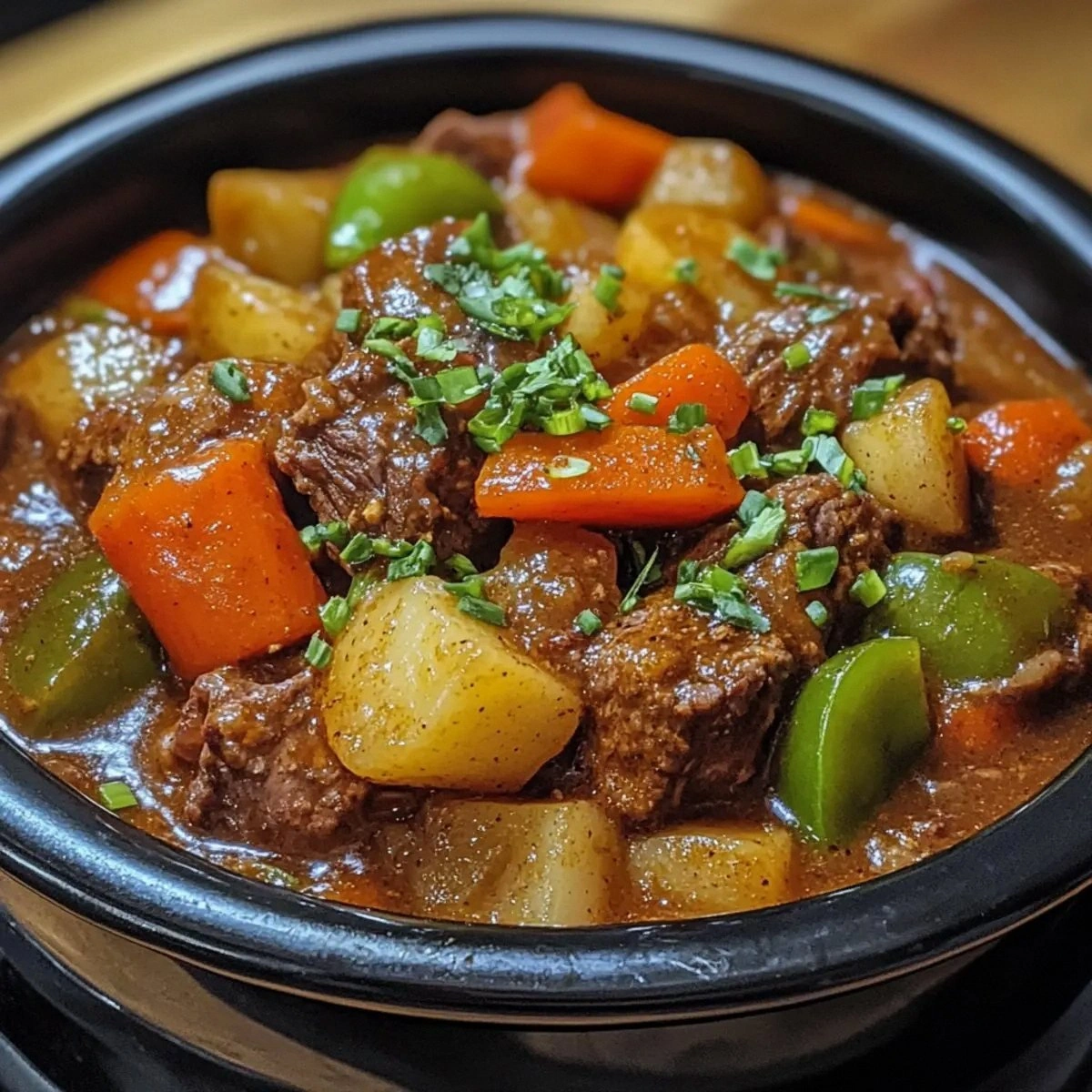
- Cover and set the slow cooker to low. Cook for 6–8 hours, or until the beef is fork‑tender and the vegetables are perfectly soft. The slow, gentle heat allows the beef’s collagen to break down into gelatin, giving the sauce a silky body. If you’re short on time, the stew will still be delicious after 4 hours, but the flavor will be less developed.
- About 30 minutes before serving, stir in the liver spread or pâté. It will melt into the sauce, creating a velvety texture that coats the meat and veggies. Then add the evaporated milk, stirring until fully incorporated. The milk adds creaminess without the heaviness of cream, and it helps balance the acidity from the tomato sauce.
- Stir in the green olives, then let the stew simmer for another 10 minutes on low. The olives release their oils, giving the sauce a glossy finish and a subtle briny note that cuts through the richness. This step is crucial for that authentic Filipino flavor profile.
- Finally, remove the bay leaves, taste the stew, and adjust seasoning if needed. Sprinkle chopped parsley or green onions over the top for a fresh burst of color and flavor. The herbs brighten the dish and add a touch of brightness that contrasts beautifully with the deep, savory base.
- Serve hot over steamed rice, mashed potatoes, or even polenta. The sauce clings to every grain, turning a simple side into a gourmet experience. If you have leftovers, store them in the fridge for up to 4 days, or freeze for up to 3 months.
That’s it — you did it. But hold on, I’ve got a few more tricks that will take this to another level.
Insider Tricks for Flawless Results
The Temperature Rule Nobody Follows
The slow cooker’s temperature is often a mystery, but the key is to keep it consistently low. If the temperature spikes, the meat can toughen. Use a thermometer to check the internal temperature of the beef; it should be around 190°F for perfect tenderness. I’ve found that setting the cooker to “low” and letting it run for the full 8 hours gives the best texture. If you’re using a pressure cooker, reduce the cooking time by 30 minutes.
Why Your Nose Knows Best
Don’t underestimate the power of aroma. As the stew simmers, you’ll notice a sweet, savory scent that signals the beef is breaking down. When the sauce thickens and the meat starts to pull apart, it’s time to add the liver spread. That aromatic cue ensures the timing is perfect and the flavor is maximized.
The 5-Minute Rest That Changes Everything
After you turn off the slow cooker, let the stew rest for at least 5 minutes before serving. This resting period allows the flavors to settle and the sauce to thicken slightly, giving it that luscious consistency. It also gives the beef a chance to reabsorb juices, making each bite even more succulent.
The Olive Twist
If you love olives, consider adding a splash of olive brine during the last 15 minutes of cooking. This intensifies the briny flavor without diluting the sauce. For a smoky twist, add a pinch of smoked paprika along with the olives. The smoky undertone pairs wonderfully with the beef’s natural richness.
The Parsley Finale
Finish the stew with a generous handful of chopped parsley or green onions. The fresh herbs cut through the richness and add a bright, almost citrusy note that lifts the entire dish. If you’re serving it over rice, the herbs will add a pop of color that makes the plate look as good as it tastes.
Creative Twists and Variations
This recipe is a playground. Here are some of my favorite ways to switch things up:
Spicy Szechuan Version
Add a tablespoon of Szechuan peppercorns and a pinch of red pepper flakes during the searing step. The peppercorns give a numbing heat that pairs beautifully with the sweet and savory base. Serve over jasmine rice for an extra fragrant experience.
Creamy Coconut Twist
Replace evaporated milk with coconut milk and add a teaspoon of coconut aminos instead of soy sauce. This tropical variation gives the stew a silky, slightly sweet profile that’s reminiscent of a beachside dinner. The coconut milk also adds a subtle nutty flavor that complements the beef.
Vegetarian Caldera
Swap the beef for a hearty root vegetable medley—turnips, parsnips, and sweet potatoes. Use a vegetable broth instead of beef broth, and add a tablespoon of miso paste for umami. The result is a comforting stew that satisfies the soul without compromising on flavor.
Barbecue-Style Finish
Add a splash of barbecue sauce during the last 10 minutes of cooking and stir in a handful of chopped bacon bits. The smoky sweetness from the barbecue sauce and the crisp bacon add a new dimension that’s perfect for a backyard gathering.
Herb‑Infused Variation
Incorporate a handful of fresh rosemary and thyme leaves when adding the bay leaves. The aromatic herbs infuse the stew with a piney, earthy flavor that complements the beef’s richness. This variation is ideal for a rustic dinner party.
Miso-Glazed Version
Stir in a tablespoon of white miso during the final 10 minutes of cooking. The miso adds depth and a subtle umami sweetness that pairs wonderfully with the tomato and soy base. It’s a quick upgrade that transforms the stew into a gourmet experience.
Storing and Bringing It Back to Life
Fridge Storage
Store leftovers in an airtight container in the refrigerator for up to 4 days. The stew’s thick, gelatinous texture will hold up well, and the flavors will deepen over time. When you’re ready to reheat, add a splash of water or broth to loosen the sauce and prevent it from drying out.
Freezer Friendly
For long‑term storage, freeze the stew in freezer‑safe containers for up to 3 months. Make sure to leave a little headspace to allow for expansion. Thaw overnight in the refrigerator, then reheat on the stove or microwave, adding a small amount of water if the sauce has thickened too much.
Best Reheating Method
The best way to reheat this stew is on the stovetop over low heat. Stir occasionally, adding a splash of water or broth to maintain the silky texture. If you’re in a hurry, microwave on medium power for 2–3 minutes, stirring halfway through. The key is to warm it gently to preserve the flavors and mouthfeel.