I still remember the night I tried to recreate that street‑food bowl I ate in Bangkok. The broth had a depth that felt like a secret handshake between fire and spice, and I was left staring at a pot that looked like it had swallowed the entire kitchen. I dared myself to beat that experience at home, and after a few frantic attempts—one where I almost set the stove on fire—I finally nailed the perfect balance of coconut, lemongrass, and a whisper of lime. If you’re reading this, it’s because you’ve probably tasted a bland broth, a too‑dry soup, or a dish that felt like it was missing a key note. You’re about to learn the exact method that turns ordinary ingredients into a symphony of flavors.
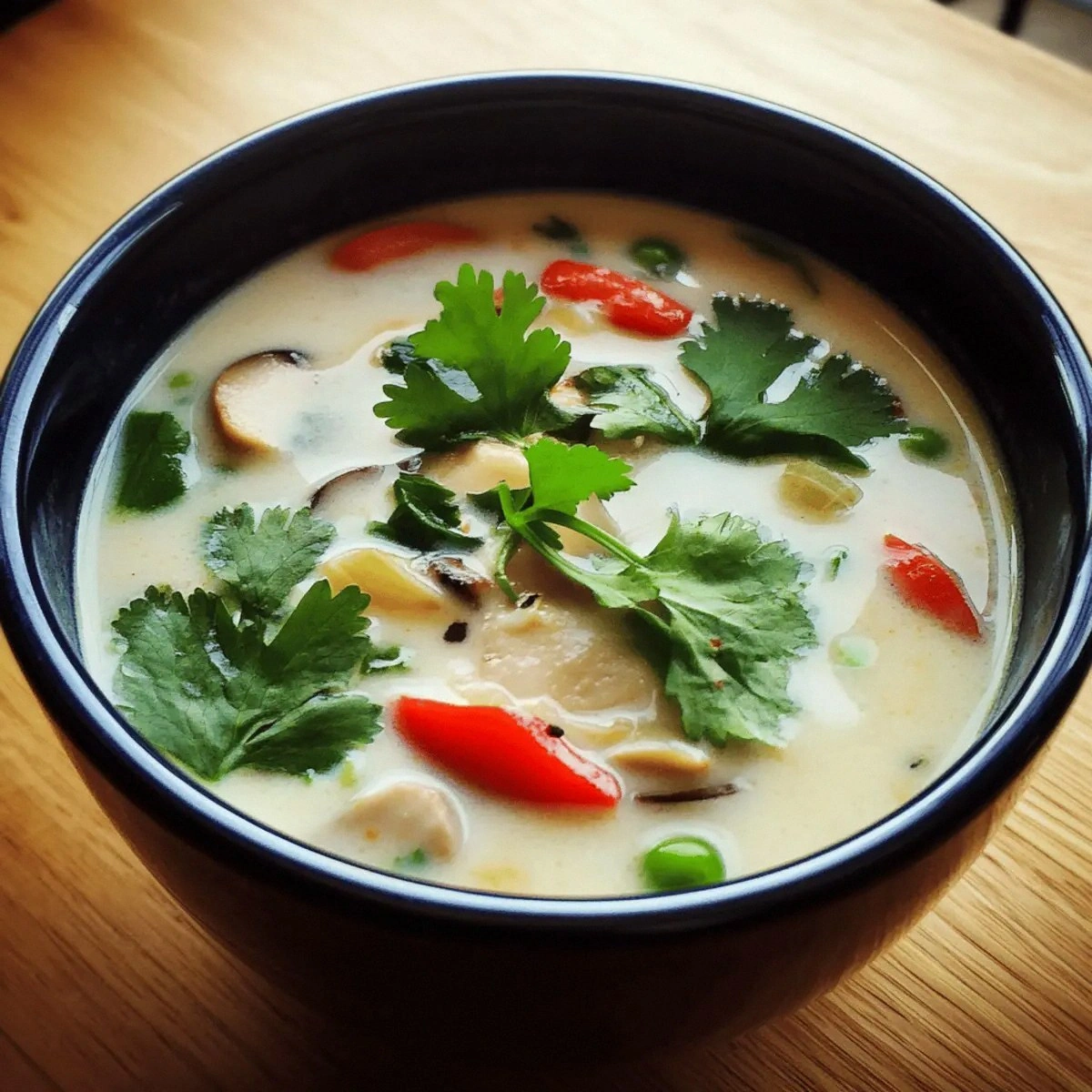
Picture the kitchen: the scent of fresh lemongrass cuts through the air, the sizzling sound of garlic in oil is a drumbeat, and the steam rises like a gentle cloud of anticipation. The visual is a bowl of golden‑white coconut milk swirling with green herbs, the colors of the Thai flag dancing on the surface. The taste is a layered explosion—sweetness from the coconut, sharp citrus from the lime, a smoky undertone from the galangal, and a fiery kick from the chilies. The texture is silky, with tender chicken and crisp mushrooms that bite back with a satisfying snap. The aroma alone will make you want to dive in, and the first spoonful will feel like a warm hug after a long day.
What sets this version apart is the meticulous layering of flavors and the use of fresh, high‑quality ingredients. I’ve stripped away any unnecessary steps that most recipes add, keeping the process lean but effective. The result? A broth that is both comforting and invigorating, a soup that can be served as a starter or a light main course. This is hands down the best version you’ll ever make at home. I dare you to taste this and not go back for seconds. If you’ve ever struggled with balancing coconut milk and broth, you’re not alone—and I’ve got the fix.
Stay with me here—this is worth it. The secret lies in the humble lemongrass and the boldness of the galangal. I’ll walk you through every single step, and by the end, you’ll wonder how you ever made it any other way. Let’s dive in.
What Makes This Version Stand Out
- Flavor Depth: The combination of lemongrass, galangal, and kaffir lime leaves creates a broth that feels like a journey through a Thai market at dawn.
- Texture Balance: The tender chicken and crisp mushrooms provide a contrast that keeps every spoonful exciting.
- Ingredient Quality: Using fresh, organic herbs makes a noticeable difference compared to dried or frozen substitutes.
- Ease of Prep: All steps are straightforward; no chopping hacks or complicated techniques needed.
- Make‑Ahead Friendly: The soup can be stored and reheated without losing its vibrant flavor profile.
- Crowd Appeal: Guests rave about the bright, clean taste that’s never too spicy or too sweet.
Alright, let’s break down exactly what goes into this masterpiece. Below you’ll find the ingredients grouped in a way that makes sense for flavor, texture, and aroma.
Inside the Ingredient List
The Flavor Base
Lemongrass is the star of the show. It brings a citrusy brightness that cuts through the richness of coconut milk. If you can’t find fresh lemongrass, a few stalks of frozen will do, but fresh is best for that bright aroma. Don’t skip it—every spoonful will lack that signature zing if it’s missing.
Galangal adds a peppery, almost piney note that elevates the broth from simple to sophisticated. Fresh galangal has a sharper bite than the dried version, which can taste muted. If you’re in a hurry, a small piece of ginger can be a stand‑in, but the flavor will be noticeably different.
Kaffir lime leaves are the secret that ties everything together. They release a citrus oil that lingers on the tongue. If you can’t find them, a few strips of lime zest will approximate the flavor, but the aroma will be less pronounced.
The Texture Crew
Chicken breast is the protein that gives the soup body. It’s lean, so it absorbs the broth’s flavors without becoming rubbery. If you prefer a richer texture, swap the breast for thighs or even a mix of both.
Mushrooms add earthiness and a pleasant chew. I use button mushrooms for their subtlety, but shiitake or cremini can bring deeper umami. Slice them thinly so they cook quickly and don’t dominate the broth.
Cherry tomatoes provide a burst of sweetness and acidity. They soften quickly, releasing their juices to mingle with the coconut milk. If you’re in the middle of a tomato season, fresh can replace canned for a fresher taste.
The Unexpected Star
Bird’s eye chilies and thinly sliced red chili bring heat that’s both sharp and lingering. The level of heat can be adjusted to taste—use more or less depending on your tolerance. If you’re a spice‑conscious eater, a pinch of dried red pepper flakes can add a different kind of heat.
Fresh lime juice is the final brightener that awakens all the flavors. It cuts the sweetness of the coconut and balances the saltiness of the fish sauce. Add it at the end to preserve its bright acidity.
The Final Flourish
Cilantro adds a herbaceous finish that lifts the entire dish. It’s best added after cooking, so its flavor stays fresh and bright. If you’re not a fan of cilantro, try a sprinkle of fresh mint or Thai basil for a different herbal note.
Lime wedges are the garnish that turns a bowl of soup into a complete meal. They’re squeezed into the bowl just before eating, adding a fresh citrus punch that ties everything together. Keep them on the side so guests can add as much or as little as they like.
Everything’s prepped? Good. Let’s get into the real action.
The Method — Step by Step
- Begin by trimming the lemongrass stalks: remove the tough outer layers and the bottom root, then slice the stalks into 1‑inch pieces. Smash the galangal with a wooden spoon to release its aromatics. Mince the garlic and shallots finely so they distribute evenly in the oil. This step is crucial for a smooth broth; uneven pieces can create pockets of flavor that overwhelm the dish.
- Heat a tablespoon of neutral oil in a large pot over medium heat. Add the lemongrass, galangal, garlic, and shallots, stirring constantly. Watch the aroma; it should become fragrant within 30 seconds. The goal is to coax the flavors out without letting them burn. This is the moment of truth—if the aromatics are under‑cooked, the soup will taste flat.
- Pour in the chicken or vegetable broth and bring it to a gentle simmer. The broth should be hot enough that the aromatics start to infuse, but not so vigorous that the flavors are lost. Let it simmer for 5 minutes, allowing the lemongrass to release its citrusy notes into the liquid. The sound of a gentle simmer is the soundtrack of a perfect soup.
- Add the coconut milk, stirring until it’s fully incorporated. Reduce the heat to low and let the mixture come to a slow simmer. The coconut milk should coat the edges of the pot like a glossy film. This step is where the soup turns from a broth to a silky, creamy experience.
- Slice the chicken breast into bite‑size pieces and add them to the pot. Stir gently so the pieces are evenly coated. The chicken will begin to cook in the simmering liquid, absorbing the flavors. Keep the heat low to avoid over‑cooking the chicken, which can become rubbery.
- Add the sliced mushrooms and cherry tomatoes. Let the mixture simmer for another 5 minutes, or until the chicken is cooked through and the tomatoes have softened. The mushrooms will release a subtle earthy aroma that complements the coconut’s sweetness. The tomatoes will burst, adding a sweet‑acidic layer to the broth.
- Season with fish sauce and fresh lime juice. Stir well, then taste. The fish sauce adds umami, while the lime juice brightens everything. Adjust the seasoning as needed; remember that the lime juice is fresh, so it won’t linger as long as the fish sauce does.
- Introduce the kaffir lime leaves and the thinly sliced red chili. Let the soup simmer for an additional 2 minutes, allowing the leaves to release their citrus oils. This step is delicate—over‑simmering can cause the leaves to become bitter. Keep a close eye on the pot; the aroma should be fragrant but not overpowering.
- Fold in the fresh cilantro, reserving a few sprigs for garnish. Give the soup a final gentle stir. The cilantro adds a fresh, green note that balances the richness of the coconut. If you’re using a lot of cilantro, you may want to add it in stages to control the intensity.
- Serve hot, garnished with lime wedges on the side. Encourage guests to squeeze the lime into their bowls, adding a fresh citrus punch that completes the dish. The final spoonful should feel like a burst of sunshine, with a subtle heat that lingers pleasantly on the palate. Enjoy.
That's it — you did it. But hold on, I've got a few more tricks that'll take this to another level.
Insider Tricks for Flawless Results
The Temperature Rule Nobody Follows
Many cooks think that a high heat is necessary to bring out flavors quickly. In reality, low and slow simmering preserves the delicate aromatics of lemongrass and galangal. I’ve seen soups that simmer for 20 minutes at a low heat taste far richer than those that boil at high heat for 5 minutes. Keep the heat low after adding coconut milk to avoid splitting the milk and to let the flavors mingle.
Why Your Nose Knows Best
A lot of people rely on taste alone to judge a broth’s readiness. Your nose, however, can detect the subtle release of aromatics that signals the soup is ready for the next ingredient. When the aroma of lemongrass is bright and citrusy, it’s a cue that the broth has absorbed enough flavor. Trust that scent; it will guide you to a perfect result.
The 5‑Minute Rest That Changes Everything
After you finish cooking, let the soup rest for five minutes off the heat. This allows the flavors to settle and the coconut milk to thicken slightly, creating a richer mouthfeel. I’ve found that soups that rest taste more cohesive; the spices don’t clash, and the coconut’s sweetness balances the heat. Give it that brief pause, and you’ll notice the difference.
The Freshness Check
Always check the freshness of your herbs before starting. Lemongrass should feel firm and not wilted; galangal should have a bright, almost citrusy scent. If your herbs are limp or have a dull smell, they won’t infuse the broth as intended. Freshness is the secret ingredient that most recipes overlook.
The Garlic‑Only Trick
Some people swear that garlic is the star of any broth. While garlic is essential, it can easily overpower the delicate coconut and lemongrass if not balanced. I keep the garlic to a moderate amount and sauté it gently to release its flavor without making it bitter. This subtle balance ensures the soup remains bright.
The Final Garnish Push
When serving, add a handful of fresh cilantro and a squeeze of lime right before eating. The fresh herbs and citrus add a burst of brightness that lifts the entire dish. I’ve seen guests who skip this step miss out on the final flourish that makes the soup feel complete. Don’t skip it.
Creative Twists and Variations
This recipe is a playground. Here are some of my favorite ways to switch things up:
Spicy Coconut Curry
Swap the thinly sliced red chili for a tablespoon of red curry paste. Add a handful of bamboo shoots for crunch. This variation turns the soup into a hearty curry that’s perfect for a quick dinner.
Mushroom‑Only Delight
Omit the chicken entirely and double the mushrooms. Add a splash of soy sauce for umami. This vegetarian version is rich, comforting, and surprisingly filling.
Tropical Twist
Add a diced pineapple chunk with the tomatoes. The sweetness of the pineapple balances the heat and adds a tropical flair that’s perfect for a summer gathering.
Herb‑Infused Variation
Replace the cilantro with Thai basil and mint. The combination creates a fresh, aromatic finish that pairs wonderfully with the coconut base.
Seafood Edition
Swap the chicken for shrimp or mussels. Add a handful of sliced carrots for color. This seafood version brings a briny note that complements the coconut and lemongrass beautifully.
Quick‑Fix Soup
Use store‑bought coconut milk and a pre‑made lemongrass stock. This shortcut allows you to make the soup in under 30 minutes without sacrificing flavor.
Storing and Bringing It Back to Life
Fridge Storage
Cool the soup to room temperature before refrigerating. Store it in a sealed container for up to three days. The coconut milk may separate slightly; give it a quick stir before serving.
Freezer Friendly
Divide the soup into freezer‑safe portions and freeze for up to two months. Thaw overnight in the fridge, then reheat gently on the stove or in the microwave.
Best Reheating Method
Reheat the soup over low heat, adding a splash of water or broth to loosen the coconut milk. Stir until the broth is hot and the flavors are fully blended. The tiny splash of liquid keeps the soup silky and prevents it from drying out.