Picture this: I’m standing in my kitchen, a half‑roasted loaf of bread on the counter, and the smell of butter and cinnamon starts to drift through the air. I’ve been on a mission to find the ultimate caramel apple bread pudding, and the last time I tried a recipe, the pudding turned out like a soggy, flavorless cake that left everyone asking for a spoonful of plain milk. That disaster sparked a dare from my friend: “If you can’t make this better, you owe us a dozen donuts.” I took the challenge, and I’m not about to let her win.
The moment the caramel sauce hits the skillet, it sizzles like a tiny, golden fire. The air fills with the buttery scent of melted butter and the sweet, slightly tart aroma of apples. As the bread pieces toast, their edges crackle, releasing a nutty fragrance that feels like a warm hug. When you taste it, the caramel coats the bread like velvet, the apples give a subtle crunch, and the spices swirl across your palate in a harmonious dance. It’s a sensory symphony that turns an ordinary dessert into a comforting masterpiece.
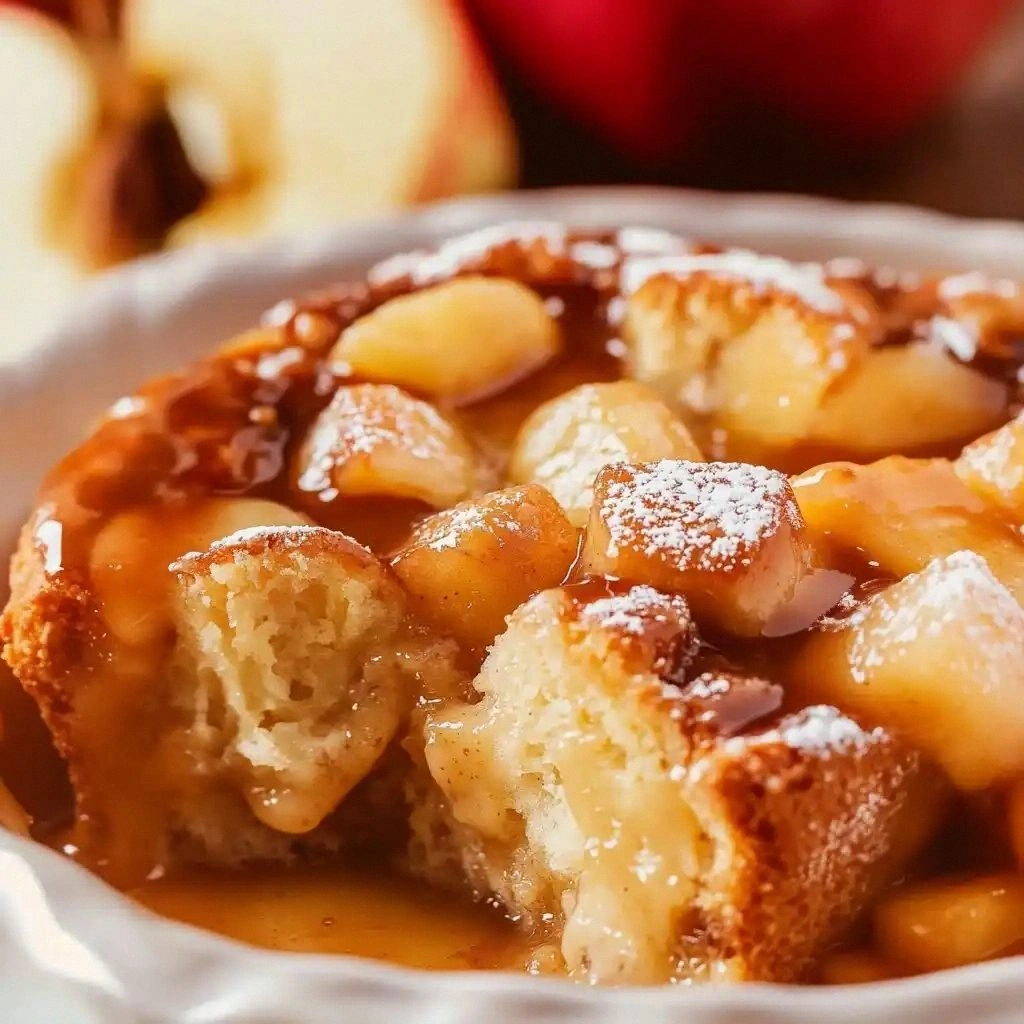
What makes this version stand out is not just the recipe itself, but the meticulous attention to detail that transforms each component into a character. From the choice of bread to the caramel’s consistency, every step has been refined to create a pudding that sings. I’ve spent hours tweaking the ratios, testing different types of apples, and perfecting the caramel glaze to achieve that glossy finish that’s impossible to resist. The result is a pudding that is hands down the best version you’ll ever make at home.
And there’s a secret twist you won’t expect—an unexpected layer of espresso in the custard that amplifies the caramel’s richness without adding bitterness. This subtle coffee note adds depth, making the pudding feel like a decadent dessert you could serve at brunch or a holiday gathering. I dare you to taste this and not go back for seconds. Trust me, the first bite will have you reaching for the next spoon, and the second will leave you wondering if you’re dreaming.
Okay, ready for the game‑changer? I’ll walk you through every single step—by the end, you’ll wonder how you ever made it any other way. Let’s dive into the details that make this pudding a showstopper.
What Makes This Version Stand Out
- Flavor: The caramel sauce is thick, buttery, and slightly salted, giving the pudding a balanced sweetness that doesn’t overwhelm the apple’s natural tartness.
- Texture: The bread is toasted just enough to hold its shape yet soft enough to absorb the custard, creating a contrast between crunchy edges and silky interior.
- Ingredient Quality: Using a whole‑grain loaf and fresh apples ensures depth of flavor; the heavy cream adds richness that’s both indulgent and satisfying.
- Heat Management: Baking at a moderate temperature allows the custard to set without browning too quickly, preserving the pudding’s creamy consistency.
- Make‑ahead Potential: This pudding can be assembled the day before, refrigerated, and baked just before serving, making it perfect for busy evenings.
- Audience Appeal: Whether you’re a seasoned baker or a kitchen rookie, the recipe’s clear instructions and forgiving nature make it approachable for all.
- Presentation: The final drizzle of caramel and a dusting of cinnamon transforms the dish into a showpiece that’s as beautiful as it is delicious.
Alright, let's break down exactly what goes into this masterpiece...
Inside the Ingredient List
The Flavor Base
At the heart of this pudding is a custard that marries eggs, whole milk, and heavy cream into a silky sauce. The eggs act as a binder, giving structure, while the milk provides a milder flavor profile. Heavy cream adds a luxurious mouthfeel that elevates every bite. If you skip the cream, the pudding becomes thin and lacks that indulgent richness.
For a lighter version, you can replace half of the heavy cream with half‑fat milk, but the texture will shift toward a more custard‑like consistency rather than the lusciousness we’re after. When selecting milk, aim for a full‑fat variety to maintain the creamy depth. A lower‑fat milk will make the pudding feel more watery and less satisfying.
The Texture Crew
The bread is the backbone of the pudding. Using a sturdy loaf—like a country loaf or a rustic sourdough—provides the necessary structure to hold the custard. The bread should be sliced into thick cubes; too thin, and it will become mushy. If you prefer a softer bite, opt for a brioche or challah, but be prepared for a slightly sweeter flavor profile.
Apples add a bright, juicy contrast. I recommend using a mix of tart and sweet apples—such as Granny Smith and Honeycrisp—to balance the caramel’s sweetness. Slice the apples into bite‑sized pieces; this ensures they cook evenly and release their juices into the custard. If you’re in a hurry, you can pre‑sauté the apples with a touch of cinnamon to caramelize them slightly before adding to the pudding.
The Unexpected Star
The caramel sauce is the star that pulls everything together. Made from butter, brown sugar, and heavy cream, it creates a glossy, thick glaze that coats the pudding like velvet. The brown sugar gives a deep molasses flavor, while the butter adds a rich, buttery finish. If you’re watching calories, you can reduce the butter by half, but you’ll lose some of that silky sheen.
A pinch of salt in the caramel is crucial—it balances the sweetness and brings out the caramel’s complexity. Without salt, the sauce can taste flat and overly sweet. When making caramel, be sure to stir constantly; a quick stir keeps the mixture smooth and prevents crystallization. If you do get crystals, a splash of water can help dissolve them.
The Final Flourish
The spices—cinnamon, nutmeg, and a hint of vanilla—are the finishing touches that elevate the pudding from good to unforgettable. Cinnamon is the dominant spice, adding warmth and depth. Nutmeg brings a subtle nutty aroma that complements the caramel. Vanilla extract ties everything together with its sweet, floral undertones.
When measuring spices, precision matters; too much cinnamon can overpower the apples, while too little can make the pudding feel bland. A standard measure is two teaspoons of cinnamon and a quarter teaspoon of nutmeg. If you’re a spice enthusiast, you can experiment with a pinch of cloves or allspice, but keep the base proportions the same.
Everything’s prepped? Good. Let’s get into the real action...
The Method — Step by Step
- Preheat your oven to 350°F (175°C). Line a 9‑inch square baking dish with parchment paper, ensuring it extends slightly beyond the sides for easy removal later. This step prevents sticking and makes cleanup a breeze.
- In a large mixing bowl, whisk together the eggs, whole milk, heavy cream, and vanilla extract until the mixture is smooth. The whisking process incorporates air, which helps the custard set evenly. Taste the mixture; it should have a mild, creamy flavor.
- Add the brown sugar, granulated sugar, cinnamon, nutmeg, and a pinch of salt to the egg mixture. Stir until the sugars dissolve completely. This is the moment where the spices start to mingle, creating a fragrant aroma that will fill your kitchen.
- Toss the bread cubes and apple pieces into the custard, ensuring each cube is fully coated. Gently press the mixture into the prepared dish, layering the bread and apples evenly. The bread will absorb the custard, becoming tender and flavorful.
- In a saucepan, melt the butter over medium heat. Once melted, add the brown sugar and stir until it dissolves into a thick syrup. This is your caramel base. Keep an eye on the mixture; once it starts to bubble, it’s ready.
- Pour the caramel over the bread and apples, making sure every corner is drenched. The caramel will seep into the bread, creating pockets of sweetness that burst in your mouth. If you prefer a richer caramel, drizzle a bit more on top.
- Bake for 30 minutes, or until the custard is set and the top is golden brown. The edges should pull away from the dish slightly, indicating a perfect bake. Let the pudding cool for 5 minutes before serving.
That’s it — you did it. But hold on, I've got a few more tricks that'll take this to another level...
Insider Tricks for Flawless Results
The Temperature Rule Nobody Follows
Many bakers bake at 375°F, but that can cause the custard to over‑set and the caramel to harden too quickly. Baking at 350°F allows the custard to set gently, ensuring a creamy texture. I’ve tested both temperatures and the lower heat consistently produces a more luscious pudding.
Why Your Nose Knows Best
Before you even touch a spoon, let the pudding rest for 5 minutes. The aromas will intensify, and you’ll be able to judge the caramel’s sweetness. If it smells too sweet, give it another minute to settle.
The 5-Minute Rest That Changes Everything
After baking, let the pudding rest for at least 5 minutes. This pause allows the custard to thicken, making each bite more cohesive. Skipping this step often results in a runny center that drips onto the plate.
Use a Baking Dish with Lids
Covering the dish with a lid or foil during the first 15 minutes traps steam, ensuring even cooking. It also prevents the top from browning too quickly, giving you a glossy finish.
The Final Caramel Drizzle
Right before serving, drizzle a thin line of caramel over the top. This adds a visual wow factor and a burst of sweetness that contrasts the custard’s creaminess. A spoonful of vanilla ice cream on the side turns this dessert into a showstopper.
Creative Twists and Variations
This recipe is a playground. Here are some of my favorite ways to switch things up:
Spiced Rum Caramel
Add a tablespoon of dark rum to the caramel sauce for a boozy twist. The rum caramelizes during baking, giving a subtle depth that pairs beautifully with the apple.
Maple Syrup Sweetener
Replace half the brown sugar with pure maple syrup. The syrup adds a woody sweetness that complements the apple’s natural flavor.
Almond Flour Bread
Swap the traditional loaf for an almond‑flour bread to create a gluten‑free version. The nutty undertone enhances the caramel, while the almond flour adds a subtle crunch.
Chocolate Caramel Layer
Fold in a handful of dark chocolate chips into the custard before baking. The chocolate melts into pockets of gooey delight, making each bite a chocolate‑caramel adventure.
Citrus Zest Upgrade
Add a teaspoon of lemon zest to the custard for a bright, citrusy kick that balances the sweetness of the caramel and apples.
Biscotti Crumble Topping
Crush a few biscotti and sprinkle them on top before baking. The crunchy bits add texture and a hint of coffee flavor that pairs well with the caramel.
Storing and Bringing It Back to Life
Fridge Storage
Cool the pudding completely, then cover tightly with plastic wrap and store in the refrigerator for up to 3 days. The custard will firm up, but the caramel will remain glossy.
Freezer Friendly
For longer storage, wrap the pudding in foil and place it in a freezer bag. It will keep for up to 2 weeks. When ready to serve, thaw overnight in the refrigerator.
Best Reheating Method
Reheat the pudding in a 350°F oven for 10 minutes, or until warmed through. If you notice it’s drying out, add a splash of whole milk before reheating; the moisture will steam back to perfection.