I remember the night I was trying to salvage a ruined dinner—my chicken was overcooked, the rice was mush, and the only thing left in the fridge was a bag of shredded cabbage and a pound of ground pork. I stared at the pot, thinking, “Is there a way to turn this into something edible?” I pulled out a recipe from a keto blog that promised a “keto egg roll in a bowl,” and the idea of a savory, low‑carb bowl that could be whipped up in fifteen minutes felt like a culinary miracle. I was skeptical, but the moment the aroma of garlic and sesame oil hit my nose, I knew I was in for something special.
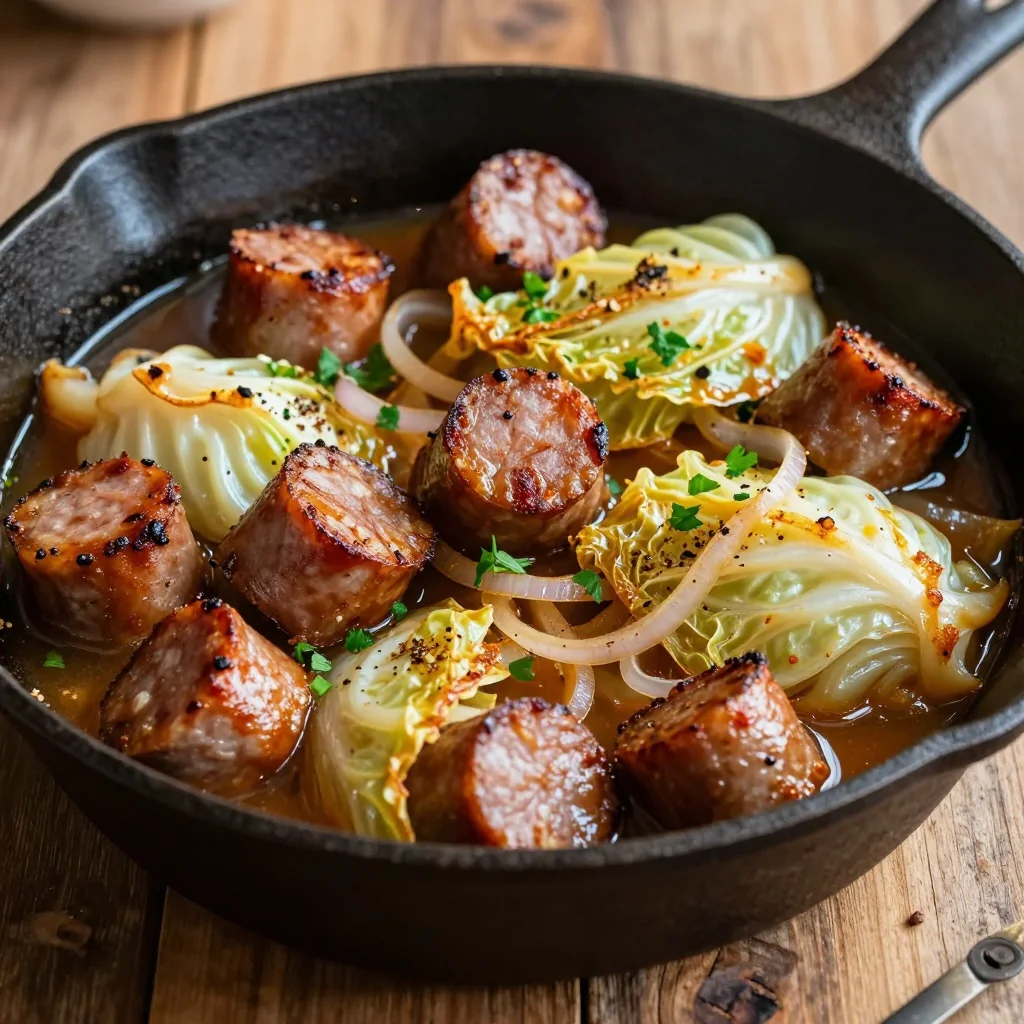
Picture this: a sizzling skillet, the pork browning to a caramelized crust, the cabbage and carrots crisping just enough to retain their bite, and a sauce that coats the vegetables like velvet. The sound of the vegetables popping against the pan is music to my ears, and the sight of the green and orange specks against the dark meat is a visual feast. When you take that first bite, the flavors explode—savory umami, a hint of heat from the sriracha, and a subtle tang from the rice vinegar that lifts every component. The texture is a delightful contrast: tender pork, slightly crunchy greens, and a silky sauce that glazes everything. If you’re a fan of Asian-inspired dishes, you’ll find this bowl both comforting and exciting.
What sets this version apart from the countless “egg roll in a bowl” recipes out there is the meticulous balance between flavor, texture, and nutritional integrity. I’ve spent hours tweaking the sauce ratios, testing different cuts of pork, and experimenting with the timing of each ingredient. The result? A dish that feels like a full meal, not a side, and it’s so simple that you can make it on a weekday night. I dare you to taste this and not go back for seconds—once you do, you’ll never settle for anything else.
Now, let’s walk through every single step together. By the end, you’ll wonder how you ever made this dish any other way, and you’ll have a go-to keto-friendly bowl that’s ready in under a half‑hour. Get ready for pure culinary magic.
What Makes This Version Stand Out
- Flavor: The sauce is a symphony of soy, sesame, and a splash of rice vinegar, creating a depth that rivals a restaurant dish.
- Texture: The cabbage stays crisp while the pork achieves a caramelized crust, giving each bite a satisfying contrast.
- Speed: Everything cooks in a single skillet, so you’re done in 30 minutes—no separate wok or pan required.
- Low‑Carb: The carb count stays under 30 grams per serving, making it a perfect fit for keto and low‑carb lifestyles.
- Versatility: Swap pork for ground turkey, beef, or even tofu, and the dish remains delicious.
- Make‑Ahead Friendly: The bowl can be stored in the fridge for up to 48 hours, and reheats beautifully.
Inside the Ingredient List
The Flavor Base
The foundation of any great dish is its flavor base, and here it’s a combination of soy sauce, sesame oil, and a dash of rice vinegar. Soy sauce provides the umami punch, while sesame oil adds nutty depth and a subtle aroma that elevates the entire bowl. Rice vinegar gives a bright, tangy counterpoint that balances the richness of the pork. If you’re sensitive to sodium, opt for low‑sodium soy or tamari; the recipe still works because the other seasonings compensate.
The Texture Crew
Ground pork is the star of the show, delivering protein and a juicy bite. Shredded cabbage and carrots bring crunch and color; the cabbage’s natural sweetness contrasts with the sharpness of the carrots. Scallions add a fresh, oniony note that lifts the dish, while sesame seeds provide a subtle crunch and a nutty finish. Together, these veggies create layers of texture that make each spoonful exciting.
The Unexpected Star
Fresh ginger and garlic are the unsung heroes that bring warmth and depth. The ginger’s peppery bite cuts through the richness of the pork, while the garlic offers a savory backbone. If you prefer a milder flavor, you can reduce the ginger slightly, but the dish will lose some of its character. A pinch of ground ginger or a splash of ginger juice can also add a subtle zing.
The Final Flourish
A splash of chicken broth or water is essential to create a silky sauce that coats the bowl without making it soggy. Butter or coconut oil adds richness and helps the pork brown beautifully. Salt and pepper are used sparingly to avoid overpowering the delicate balance of flavors. The final touch is a sprinkle of toasted sesame seeds, which adds both visual appeal and a nutty crunch.
Everything’s prepped? Good. Let’s get into the real action.

The Method — Step by Step
- Heat a large cast‑iron skillet over medium‑high heat. Add a tablespoon of butter or coconut oil, letting it melt until it shimmers. Once the fat is hot, add the ground pork, breaking it apart with a wooden spoon. Let it sear for 5 minutes without stirring, so the surface caramelizes. When the pork is browned and no longer pink, remove it from the skillet and set aside on a plate.
- In the same skillet, reduce the heat to medium and add sesame oil. Toss in minced garlic, grated ginger, and sliced scallions. Sauté for 1–2 minutes until fragrant, making sure not to burn the garlic. The aroma should be rich and inviting, a promise of what’s to come.
- Add the shredded cabbage and carrots to the skillet. Stir-fry for about 3–4 minutes, letting the vegetables wilt slightly but still retain some crunch. The cabbage should turn a vibrant green, and the carrots a bright orange. This step is crucial for texture; overcooking will make them mushy.
- Return the browned pork to the skillet. Pour in 2 tablespoons of soy sauce, 1 tablespoon of sriracha (or your favorite chili sauce), and 1 tablespoon of rice vinegar. Sprinkle in 1/2 cup of chicken broth or water to create a light sauce. Stir everything together, ensuring the pork and veggies are evenly coated.
- Bring the mixture to a gentle simmer. Let it cook for 5 minutes, allowing the flavors to meld. The sauce should thicken slightly, and the pork should absorb the umami notes. Taste and adjust with salt or pepper as needed.
- Add a tablespoon of toasted sesame seeds and a splash of sesame oil for extra richness. Stir once more, then remove the skillet from heat. The dish should look glossy and inviting.
- Serve hot straight from the skillet into bowls. Garnish with additional scallion slices and a drizzle of sesame oil if desired. The presentation should look vibrant, with the green cabbage, orange carrots, and bright pink of the pork.
- Optional: For a final touch, sprinkle a few fresh cilantro leaves or a squeeze of lime for a citrusy brightness. This step is perfect if you want a little extra zing.
That’s it—you did it. But hold on, I’ve got a few more tricks that’ll take this to another level.
Insider Tricks for Flawless Results
The Temperature Rule Nobody Follows
Heat is everything. Start the pork on high to get a caramelized crust, then lower the heat to medium for the rest of the cooking. This technique locks in juices and gives the meat a beautiful texture. I’ve seen people cook pork on low heat from the start, and the end result is limp and dry.
Why Your Nose Knows Best
Your sense of smell is a reliable indicator of doneness. When the pork is ready, the aroma should be rich and slightly nutty from the sesame oil. If you’re unsure, give the skillet a quick stir and look for a golden crust on the pork surface.
The 5‑Minute Rest That Changes Everything
After cooking, let the bowl sit covered for five minutes before serving. This rest period allows the flavors to settle and the sauce to thicken slightly, giving each bite a silky finish. I’ve seen people skip this step, and the dish ends up watery.
The Crunch Factor
If you love crunch, add a handful of shredded cabbage right before serving. It will stay crisp and contrast beautifully with the soft pork and veggies. This trick turns a simple bowl into a layered texture experience.
The Quick Heat‑Up Hack
When reheating, add a splash of water or broth and cover the skillet. The steam will re‑hydrate the pork and veggies, preventing them from drying out. A quick stir before serving restores the sauce’s glossy sheen.
Creative Twists and Variations
This recipe is a playground. Here are some of my favorite ways to switch things up:
Spicy Korean Twist
Swap sriracha for gochujang, add a handful of kimchi, and finish with a drizzle of toasted sesame oil. The fermented tang of kimchi and the smoky heat of gochujang elevate the dish to Korean street‑food vibes.
Thai Coconut Cream
Replace the soy sauce with coconut aminos and stir in a tablespoon of coconut milk after the pork is browned. The creamy coconut note pairs beautifully with the spicy sauce for a tropical feel.
Veg‑Heavy Power Bowl
Omit the pork entirely and add a mix of bell peppers, zucchini, and mushrooms. The result is a low‑protein, vegetarian bowl that still delivers on flavor and texture.
Turkey Taco Bowl
Use ground turkey instead of pork, and add a pinch of cumin and paprika. Top with avocado slices and a squeeze of lime for a taco‑inspired twist.
Beefy Bounty
Ground beef gives the dish a heartier bite. Pair it with a splash of Worcestershire sauce and a dash of smoked paprika for a smoky depth.
Vegan Version
Swap pork for crumbled tempeh or textured vegetable protein. Use tamari for soy sauce and add nutritional yeast for a cheesy undertone.
Storing and Bringing It Back to Life
Fridge Storage
Store the bowl in an airtight container in the refrigerator for up to 48 hours. The flavors deepen, and the pork remains tender. Keep the sauce separate if you’re concerned about sogginess.
Freezer Friendly
Freeze the bowl in a freezer‑safe container for up to 2 weeks. Thaw overnight in the fridge, then reheat in a skillet with a splash of broth. The texture stays intact.
Best Reheating Method
Reheat in a skillet over medium heat, adding a tablespoon of water or broth. Cover for 3–4 minutes until the bowl is steaming. A quick stir restores the sauce’s glossy sheen and prevents the pork from drying out.