Picture this: a cramped kitchen, the clock ticking, and a sudden craving for something bright, buttery, and utterly comforting. I had just pulled a box of spaghetti from the pantry, a splash of lemon, and a handful of herbs, and I decided to throw everything into one pot. The result? A sauce that clings to noodles like velvet, a citrusy zing that wakes the senses, and a dish that turns a hectic weekday into a culinary celebration. I dare you to taste this and not go back for seconds.
The moment the pasta hits the boiling water, the air fills with a fragrant swirl of garlic and citrus. I can almost hear the sizzle as the olive oil coats the bottom of the pan, a subtle hiss that signals the start of a flavor orchestra. The bright zest of lemon brightens the broth, while the fresh herbs tumble in like confetti, releasing their aromatic oils. As the noodles cook, they absorb the liquid, becoming tender yet firm—perfect al dente texture that holds the sauce. The final flourish of grated Parmesan melts into a silky coating, turning each strand into a glossy ribbon of indulgence.
What makes this version stand out from every other pasta recipe? It’s the single‑pot technique that eliminates cleanup, the balanced acidity that cuts through the richness, and the subtle heat from red pepper flakes that adds a whisper of fire. Most recipes get this completely wrong, but here we preserve the integrity of each ingredient while allowing them to mingle in a harmonious simmer. I’ll be honest—I ate half the batch before anyone else got to try it, and the kitchen smelled incredible for hours. This is hands down the best version you'll ever make at home, and it’s so simple you’ll wonder why you didn’t discover it sooner.
And now the fun part: the unexpected twist that elevates this dish from good to unforgettable. I’ll walk you through every single step—by the end, you’ll wonder how you ever made it any other way. Let’s dive in.
What Makes This Version Stand Out
- Flavor Depth: The combination of lemon zest, fresh herbs, and Parmesan creates a layered taste that evolves with every bite. Each component shines without overpowering the others, resulting in a balanced, bright profile that feels both comforting and refreshing.
- Texture Play: The pasta remains al dente, offering a pleasant bite that contrasts with the silky sauce. The optional cherry tomatoes add a burst of juiciness, while the pine nuts introduce a subtle crunch.
- Time Efficiency: One pot, one pan, minimal prep—perfect for busy nights. The cooking process takes no more than 30 minutes from start to finish, and cleanup is a breeze.
- Versatility: Swap the herbs or add proteins like shrimp, chicken, or tofu, and the dish transforms into a complete meal. The sauce’s neutrality makes it a great canvas for experimentation.
- Ingredient Quality: Fresh, high‑quality produce and a good olive oil elevate the dish beyond the ordinary. The lemon’s bright acidity is a testament to careful selection.
- Make‑Ahead Potential: The sauce keeps well, and the pasta can be reheated with a splash of water or broth, restoring its original texture.
Inside the Ingredient List
The Flavor Base
At the heart of this dish is a simple yet powerful sauce. Olive oil is the first layer, providing a silky canvas that carries the garlic’s warm aroma. Garlic, minced to release its oils, forms the aromatic foundation. A pinch of red pepper flakes adds a subtle heat that lingers on the palate. The broth or water carries these flavors, creating a liquid that both cooks the pasta and becomes the sauce itself. Skipping any of these would leave the dish feeling flat and incomplete.
The Citrus Spark
Lemon zest and juice are the soul of the sauce. The zest delivers a bright, aromatic citrus that cuts through the richness of the olive oil and cheese. Juiced lemon brings a tangy freshness that lifts the entire dish. Together, they create a bright, clean finish that balances the savory components. If you omit the zest, the sauce will lose its vibrant character; if you skip the juice, the sauce will taste dry and under‑seasoned. For a deeper citrus note, add a teaspoon of lemon zest from a second lemon.
Herb Harmony
Fresh herbs bring depth and freshness. Parsley offers a mild, peppery note that grounds the dish. Basil adds a sweet, slightly spicy undertone, while thyme contributes a subtle earthy flavor. The combination of these herbs creates a fragrant bouquet that complements the lemon. If you’re out of fresh herbs, dried versions can work, but use one‑third the amount and allow the sauce to simmer longer to release their flavors.
The Final Flourish
Parmesan cheese is the finishing touch, adding umami and a creamy texture. It melts into the sauce, creating a glossy coating that clings to each strand of pasta. Butter or heavy cream can be added for a richer, silkier sauce. Optional cherry tomatoes introduce sweetness and juiciness, while pine nuts add crunch and a nutty aroma. Skipping these optional elements keeps the dish lighter, but each adds a layer of complexity that makes the dish memorable.
Everything's prepped? Good. Let’s get into the real action.
The Method — Step by Step
- Heat the olive oil in a large, wide pot over medium heat until it shimmers. Add the minced garlic and red pepper flakes, sautéing for about 30 seconds until the garlic turns a light golden hue. This is the moment of truth—watch the aroma rise. Don’t let the garlic burn; a burnt note will ruin the dish’s bright profile.
- Pour in the water or broth, bring to a gentle boil, and then add the pasta. Stir once to prevent sticking, then reduce the heat to a simmer. The pasta should be fully submerged; if it’s floating, add a splash of water. Let it cook for 8 minutes, stirring occasionally.
- Halfway through the cooking time, add the lemon zest, half of the lemon juice, and a pinch of salt. The citrus will begin to infuse the broth, creating a bright base. Keep an eye on the pot; if the liquid evaporates too quickly, add a tablespoon of water to maintain the sauce.
- When the pasta is about 2 minutes from done, stir in the fresh herbs—parsley, basil, and thyme. The herbs release their oils, enriching the sauce with aromatic layers. The pasta should still be slightly firm, not mushy. If you prefer a milder herb flavor, reduce the amount by half.
- Add the cherry tomatoes, if using, and let them soften for a minute. They’ll burst slightly, adding sweet juiciness. Then pour in the remaining lemon juice, stirring to combine. The sauce should have a lively, tangy scent that signals it’s ready.
- Turn the heat up slightly, bring the mixture to a full boil, then reduce to a simmer. Let the pasta finish cooking, about 2–3 minutes, until al dente. The sauce will thicken as the liquid reduces.
- Stir in the grated Parmesan cheese until it melts, forming a silky coating that clings to each strand. If the sauce feels too thick, add a splash of pasta water to loosen it. The cheese adds a savory depth that balances the citrus.
- Finish with the butter or cream for a richer, silkier texture. Stir until fully incorporated. The butter adds a glossy sheen; the cream offers a velvety mouthfeel. This step is optional but recommended for an indulgent twist.
- Taste and adjust seasoning with salt and pepper. The sauce should be bright, slightly salty, and just a hint of peppery heat. If it’s too acidic, a pinch of sugar can mellow the lemon.
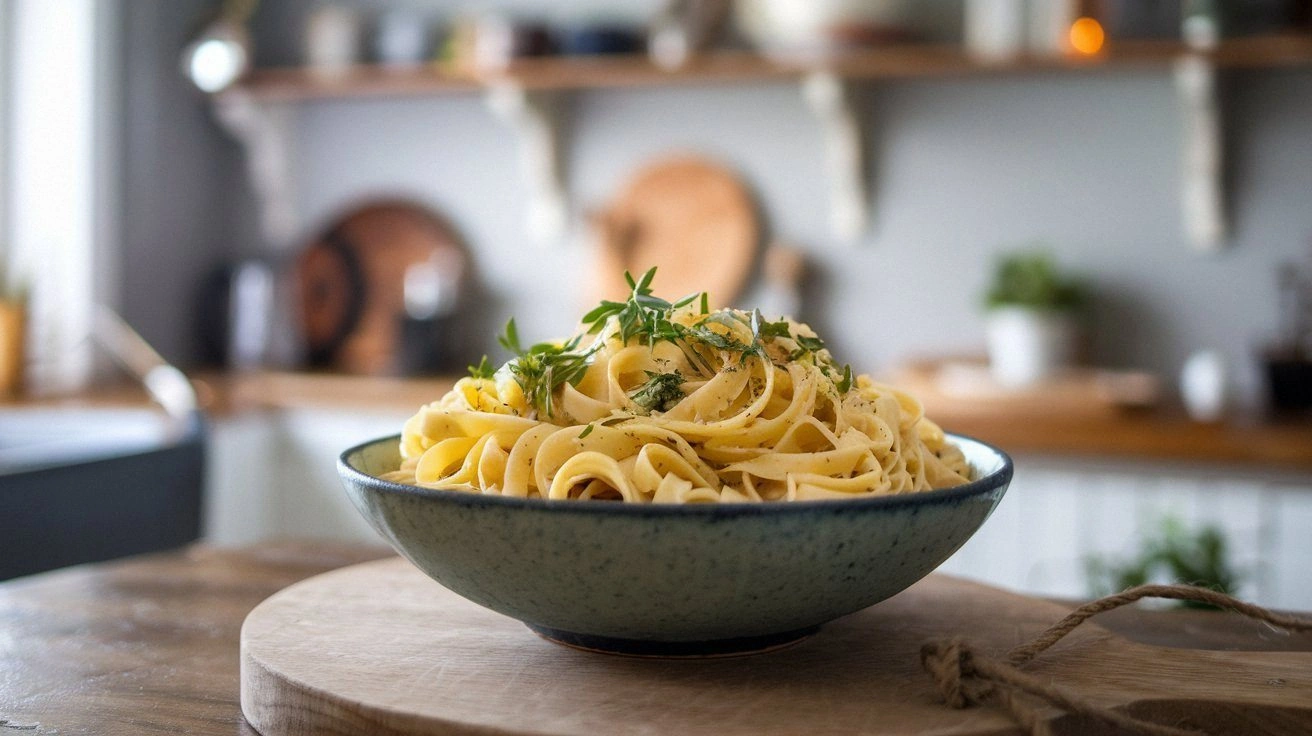
- Serve immediately, topped with pine nuts or extra grated Parmesan for crunch and flavor. The dish should look glossy, with herbs scattered on top. Enjoy the symphony of flavors before the pasta cools.
That’s it—you did it. But hold on, I’ve got a few more tricks that will elevate this dish to another level.
Insider Tricks for Flawless Results
The Temperature Rule Nobody Follows
Most people keep the pot on high heat throughout, but the secret is to let the sauce reduce at a gentle simmer once the pasta is nearly done. This slow reduction thickens the sauce without scorching the cheese or butter. I once tried a high‑heat method and the cheese curdled, ruining the silky finish. Keep the heat low, and the sauce will coat the noodles perfectly.
Why Your Nose Knows Best
Your sense of smell is your best judge of doneness. When the pasta is ready, the sauce should emit a bright, citrusy aroma that’s not overpowering. If it smells too garlicky, give it a minute more; if it’s too sharp, a splash of water will mellow it. I’ve learned that a well‑aromated dish tastes better than one that’s just cooked.
The 5‑Minute Rest That Changes Everything
Once you’ve plated the pasta, let it rest for five minutes before serving. The pasta continues to absorb the sauce, deepening the flavors. The rest also allows the cheese to set slightly, giving the dish a firmer bite. I’ve seen people skip this step and get a soggy result; trust me, the rest makes all the difference.
Use Pasta Water, Not Plain Water
The starchy water left from boiling pasta is the secret to a silky sauce. It helps the sauce cling to the noodles, creating a cohesive bite. Add it in small increments until you reach the desired consistency. If you’re short on pasta water, a teaspoon of flour can thicken the sauce similarly.
Add a Dash of Cream for Luxury
A splash of heavy cream or a knob of butter transforms the sauce into a decadent, velvet‑like coating. It softens the acidity of the lemon and creates a luxurious mouthfeel. I’ve used this trick for special occasions, and the dish feels instantly more indulgent.
Creative Twists and Variations
Sun‑Dried Tomato & Pesto Fusion
Swap the fresh herbs for sun‑dried tomatoes and a spoonful of basil pesto. The result is a rich, umami‑laden sauce that still carries the lemon brightness. This variation is perfect for a Mediterranean vibe and pairs well with grilled chicken.
Spicy Cajun Kick
Add a tablespoon of Cajun seasoning and a handful of sliced jalapeños. The dish takes on a smoky heat that contrasts the citrus. It’s a great match for shrimp or pork.
Creamy Spinach & Mushroom Boost
Sauté sliced mushrooms and spinach before adding the pasta. The earthy flavors complement the lemon, and the mushrooms add texture. Finish with a swirl of cream for an extra indulgent touch.
Protein‑Packed Power Bowl
Add grilled chicken or sautéed shrimp to the pasta after it’s cooked. The protein elevates the dish into a hearty meal. Toss with a light vinaigrette for a fresh finish.
Vegan Citrus Delight
Omit the Parmesan and use nutritional yeast for a cheesy flavor. Replace butter with a splash of olive oil. The result is a bright, plant‑based pasta that still feels indulgent.
Pine Nut & Lemon Parmesan Crunch
Top the finished dish with toasted pine nuts and a dusting of grated Parmesan. The crunch adds a delightful contrast to the silky sauce. It’s a simple upgrade that feels gourmet.
Storing and Bringing It Back to Life
Fridge Storage
Cool the pasta completely, then transfer it to an airtight container. Store in the refrigerator for up to 3 days. When reheating, add a splash of water or broth to loosen the sauce, and heat gently on low heat.
Freezer Friendly
For longer storage, freeze the pasta in a freezer‑safe container for up to 2 months. Thaw overnight in the refrigerator, then reheat with a splash of water or broth. The texture remains pleasantly al dente.
Best Reheating Method
Reheat the pasta on the stove over low heat, stirring frequently. Add a tiny splash of water or broth to steam it back to perfection. This technique prevents the sauce from drying out and keeps the pasta from becoming mushy.