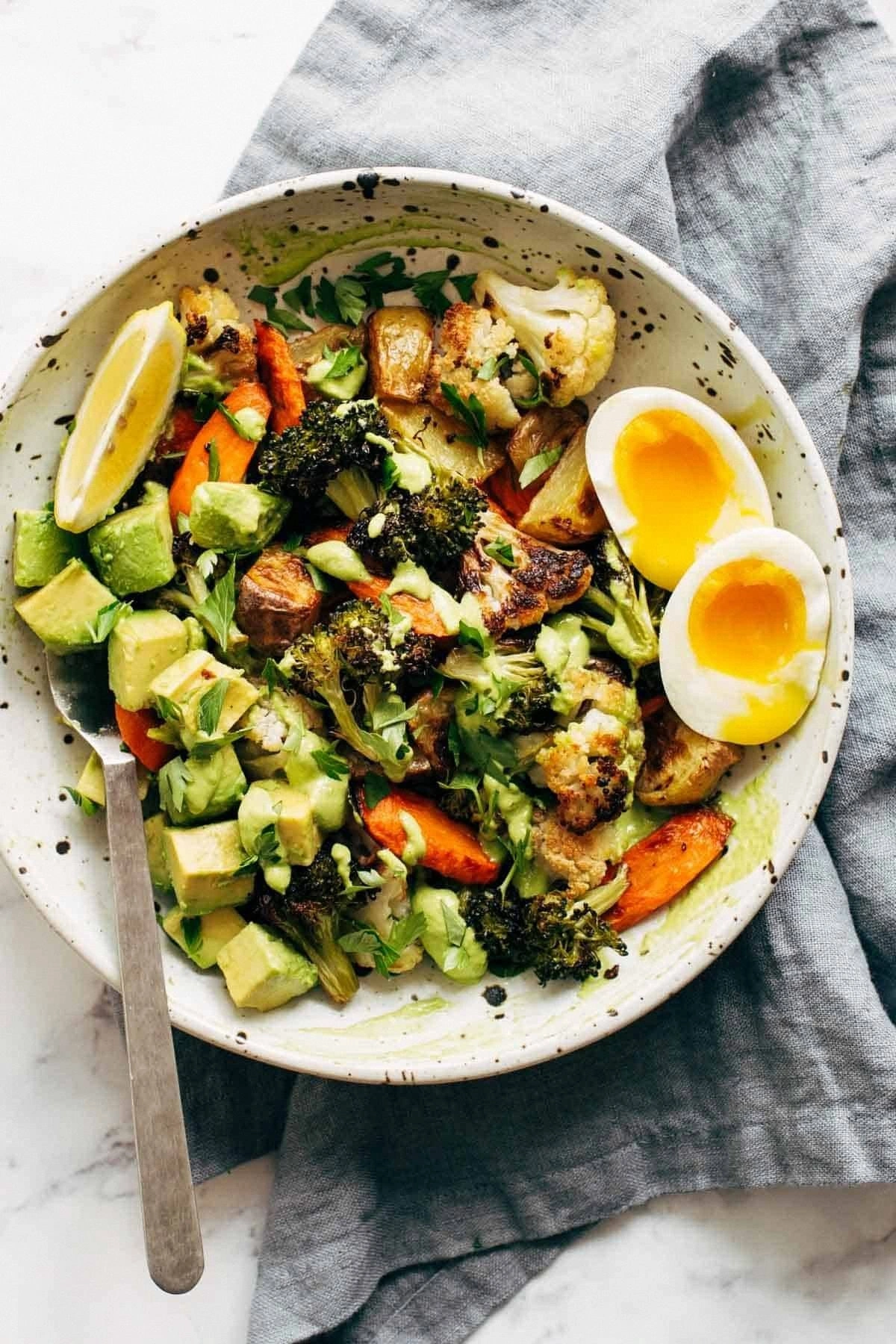
I was standing in my kitchen, staring at a pan of soggy, over‑cooked veggies that looked like a sad, wilted garden after a rainstorm. My friend had dared me to make a bowl that would actually make people forget about pizza, and I was already half‑heartedly chewing on a stale cracker when the idea struck: what if I treated the veggies like rock stars, giving them a stage‑ready roast, a green‑tahini encore, and a base that could hold a concert? The moment the oven door shut, the whole apartment filled with a scent that could convince even the most stoic cat to do a little dance—smoky paprika, caramelized carrots, and a whisper of lemon that sang like sunrise. I could hear the faint crackle of the edges pulling away, feel the heat radiating from the tray, and see the colors deepen into a palette that would make a painter jealous.
I’ll be honest — I ate half the batch before anyone else got a chance to try it, and that was the moment I realized I had stumbled onto something magical. Most roasted‑veggie bowl recipes either drown the vegetables in sauce or leave them bland as a cardboard box. This version, however, balances the earthy sweetness of root veggies with a bright, herb‑laden green tahini that coats each bite like silk, while a fluffy quinoa‑couscous mix underneath acts like the perfect, neutral canvas. I dare you to taste this and not go back for seconds; the combination of textures—crisp edges, buttery interiors, and a creamy drizzle—creates a symphony you won’t want to end.
Picture yourself pulling this out of the oven, the whole kitchen smelling incredible, the steam rising like a curtain call, and the anticipation building as you drizzle that emerald sauce. Most recipes get this completely wrong by either over‑roasting (turning veggies into charcoal) or under‑seasoning (leaving them as bland as a lecture on tax law). Here’s what actually works: a high‑heat flash roast that caramelizes sugars, a carefully timed toss in olive oil and spices, and a green tahini that stays bright without turning bitter. Okay, ready for the game‑changer? Let me walk you through every single step — by the end, you’ll wonder how you ever made it any other way.
What Makes This Version Stand Out
- Flavor Explosion: The combination of smoked paprika, cumin, and a dash of maple syrup creates layers that unfold like a mystery novel, each bite revealing a new clue.
- Texture Symphony: Roasted carrots develop caramelized edges that shatter like thin ice, while broccoli florets stay tender‑crisp, ensuring no soggy disappointment.
- Simplicity Meets Sophistication: Only nine core ingredients, yet the result feels like a dish you’d order at a high‑end bistro.
- Unique Green Tahini: This isn’t your ordinary tahini; the addition of fresh parsley, lemon zest, and a splash of avocado oil gives it a vibrant hue and a buttery finish.
- Crowd‑Pleaser: Even the pickiest eaters (yes, the ones who think “veggies” is a curse word) line up for seconds, because the flavors are bold but familiar.
- Ingredient Quality: Using locally sourced, seasonal vegetables amplifies natural sweetness and reduces the need for extra salt.
- One‑Pan Efficiency: The entire roasting happens on a single sheet, cutting down on cleanup and keeping the kitchen vibe zen.
- Make‑Ahead Magic: Prep the veggies and sauce in advance; the final assembly takes under five minutes, perfect for busy weeknights.
Inside the Ingredient List
The Flavor Base
Olive oil is the silent conductor, binding the spices to the vegetables and ensuring an even golden crust. If you substitute with avocado oil, you’ll get a higher smoke point, but you’ll lose that subtle peppery undertone that olive oil provides. Choose a cold‑pressed, extra‑virgin variety for the most robust flavor; you’ll notice the difference the moment the oil hits the hot pan.
Smoked paprika brings a deep, wood‑sycamore aroma that makes the veggies feel like they’ve been slow‑cooked over an open fire. Skipping it would leave the dish flat, like a song without a bass line. If you’re allergic to nightshades, try a sprinkle of smoked chipotle powder for a similar depth.
Ground cumin adds earthy warmth that hugs the sweet notes of carrots and sweet potatoes. It’s the spice that says “I’m cozy” without being overpowering. A pinch of coriander can replace it in a pinch, but you’ll miss the distinctive earthiness.
The Texture Crew
Sweet potatoes and carrots are the heavy‑hitters, providing a creamy interior once roasted. Their natural sugars caramelize, creating that irresistible crunch on the outside. If you can’t find sweet potatoes, try butternut squash; it behaves similarly but has a slightly nuttier flavor.
Broccoli florets and red bell peppers contribute a bright, slightly bitter contrast that balances the sweet base. Over‑cooking them turns them mushy, so watch the timer like a hawk. Fresh, firm broccoli will hold its shape and give that satisfying bite.
The Unexpected Star
Green tahini is the secret sauce that elevates this bowl from ordinary to unforgettable. Traditional tahini is beige and nutty, but by blending it with parsley, lemon zest, and a splash of avocado oil, you get a vivid emerald glaze that tastes like a garden after rain. If you’re allergic to sesame, substitute with sunflower seed butter; the texture stays creamy, though the flavor profile shifts.
A drizzle of maple syrup (or agave for a lower‑glycemic option) adds a whisper of sweetness that rounds out the acidity of the lemon. This balance prevents the sauce from tasting too sharp, making it coat the veggies like velvet.
The Final Flourish
Quinoa‑couscous blend serves as the neutral bed, soaking up the tahini while adding a nutty bite and a protein boost. Rinse the quinoa thoroughly before cooking to remove its natural saponin bitterness. If you’re gluten‑free, stick with pure quinoa; if you want a slightly softer texture, a 50/50 mix with fine‑ground couscous works wonders.
Everything's prepped? Good. Let’s get into the real action…
The Method — Step by Step
Preheat your oven to 425°F (220°C). This high temperature is crucial for that caramelized edge; lower temps will steam the veggies instead of roasting them. While the oven warms, line a large rimmed baking sheet with parchment for easy cleanup. That sizzle when the vegetables first hit the pan? Absolute perfection.
In a massive bowl, toss the cubed sweet potatoes, sliced carrots, broccoli florets, and bell pepper strips with 3 tablespoons of olive oil, 1 teaspoon smoked paprika, 1 teaspoon ground cumin, a pinch of sea salt, and a generous grind of black pepper. Make sure every piece is evenly coated; this is the moment where flavor adheres like glue.
Kitchen Hack: Use your hands to massage the oil and spices into the vegetables; the friction generates heat that begins the Maillard reaction early.Spread the seasoned vegetables in a single layer on the prepared sheet, ensuring no pile‑ups. Overcrowding is the biggest enemy of crispness; give each piece room to breathe. Pop the tray into the oven and roast for 15 minutes, then give everything a good flip with a spatula.
While the veggies roast, prepare the green tahini sauce. In a high‑speed blender, combine ½ cup tahini, a handful of fresh parsley, the zest of one lemon, 2 tablespoons lemon juice, 1 clove garlic, ¼ cup warm water, 1 tablespoon maple syrup, and a pinch of sea salt. Blend until the sauce is smooth, glossy, and bright green—like a fresh spring meadow. Taste and adjust the acidity with a splash more lemon if needed.
Return the tray to the oven for a final 10‑12 minutes, or until the vegetables show deep golden spots and the edges are crisp enough to snap under a fork. The aroma at this stage should be intoxicating—smoky, sweet, and slightly nutty. This is the moment of truth: if the veggies are still pale, give them another 2‑3 minutes; patience rewards flavor.
Watch Out: Keep a close eye on the pan during the last 5 minutes; the sugars can burn quickly, turning the dish bitter.Meanwhile, bring 1 cup of quinoa and 1 cup of water to a boil, then reduce to a simmer, cover, and cook for 12 minutes. Fluff with a fork once all water is absorbed. The quinoa should be light and slightly chewy, acting as the perfect base that soaks up the tahini without getting soggy.
When the vegetables are done, remove the tray and let them rest for 3 minutes. This short rest lets the steam settle, preventing the veggies from becoming soggy when mixed with the sauce.
Assemble the bowls: start with a generous scoop of quinoa‑couscous mix, pile on the roasted vegetable medley, and drizzle the green tahini liberally over the top. Finish with a sprinkle of toasted pumpkin seeds for crunch and a few fresh parsley leaves for color.
Give everything a quick toss right before serving, ensuring each bite is coated in that emerald glaze. Serve warm, and watch as your guests marvel at the vibrant colors and layers of flavor. That's it — you did it. But hold on, I've got a few more tricks that'll take this to another level...
Insider Tricks for Flawless Results
The Temperature Rule Nobody Follows
Most home cooks set the oven to 400°F and call it a day, but the extra 25°F makes a world of difference. The higher heat creates a rapid caramelization on the vegetable surface while keeping the interior tender. If you’re using a convection oven, reduce the temperature by 15°F to avoid over‑drying.
Why Your Nose Knows Best
When the veggies start to smell toasty and a faint hint of sweetness rises, that’s your cue to flip them. Trusting the nose is more reliable than the clock; ovens vary, and a visual cue can be deceptive. A friend once skipped this step and ended up with a batch that tasted like burnt paper—never again.
The 5‑Minute Rest That Changes Everything
Letting the roasted vegetables rest for a brief five minutes after coming out of the oven allows the steam to redistribute, keeping the interior moist while the exterior stays crisp. This short pause also prevents the hot vegetables from melting the tahini too quickly, preserving its silky texture.
The Secret of the Green Tahini Glow
Adding a splash of avocado oil at the end of the sauce blend gives it that luminous sheen and a buttery mouthfeel. It also raises the smoke point of the tahini, making it more stable if you decide to warm it slightly before serving.
Seasonal Swap Strategy
If you’re cooking in winter, swap sweet potatoes for parsnips and add a pinch of nutmeg for warmth. In summer, replace the roasted veggies with grilled zucchini and corn for a smoky, fresh twist. The base quinoa stays the same, acting as a reliable anchor.
Creative Twists and Variations
This recipe is a playground. Here are some of my favorite ways to switch things up:
Mediterranean Magic
Swap the green tahini for a sun‑dried tomato pesto and sprinkle crumbled feta on top. The tangy feta complements the roasted veggies, creating a Mediterranean vibe that pairs beautifully with a glass of crisp white wine.
Spicy Sriracha Burst
Add a tablespoon of sriracha to the tahini sauce and toss in some pickled jalapeños. The heat cuts through the sweetness, delivering a bold kick that will make spice lovers grin.
Protein‑Packed Power Bowl
Include grilled tempeh cubes marinated in soy‑ginger sauce, or add a handful of chickpeas during the final roast. This boosts the protein content without altering the flavor balance.
Herbaceous Harvest
Replace parsley with fresh cilantro and add a splash of lime juice to the tahini. The citrusy lift brightens the bowl, making it perfect for a summer lunch.
Comfort Food Remix
Mix in roasted butternut squash and a drizzle of brown butter instead of olive oil. The nutty butter adds a comforting depth that feels like a hug on a chilly evening.
Storing and Bringing It Back to Life
Fridge Storage
Cool the roasted vegetables completely before transferring them to an airtight container. They’ll keep for up to 4 days. Store the tahini sauce in a separate jar; give it a quick shake before reheating.
Freezer Friendly
Portion the veggies and quinoa into freezer‑safe bags, leaving a little headspace. The sauce freezes well if you keep it in a silicone muffin tin; once solid, pop the cubes into a bag. Thaw overnight in the fridge and reheat gently on the stove.
Best Reheating Method
For the best texture, spread the veggies on a baking sheet and warm them at 350°F for 8‑10 minutes, adding a tiny splash of water to the pan to create a gentle steam. This revives the crisp edges without turning them mushy. The quinoa can be microwaved with a tablespoon of water, covered, for 1 minute.