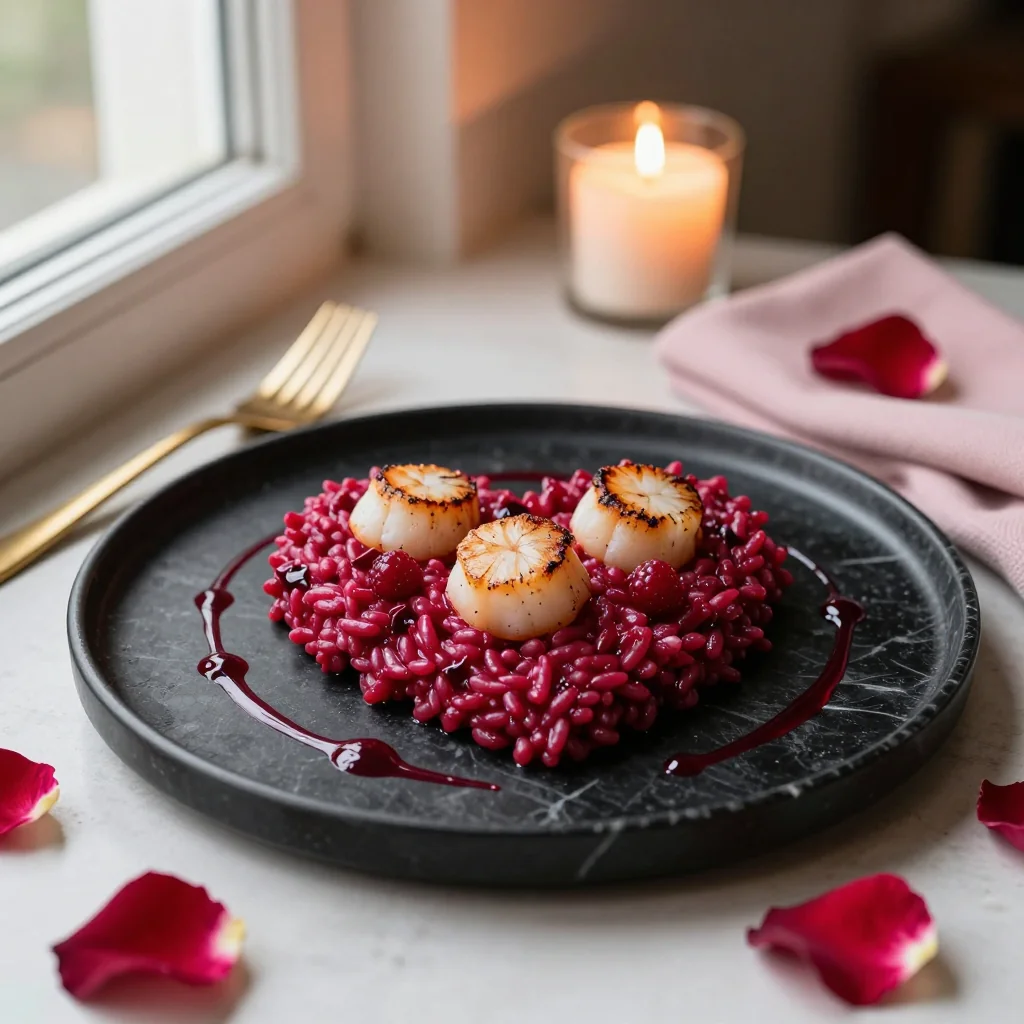
Indulge in a silky red‑wine beef tenderloin paired with a heart‑shaped beet purée that whispers love with every bite.
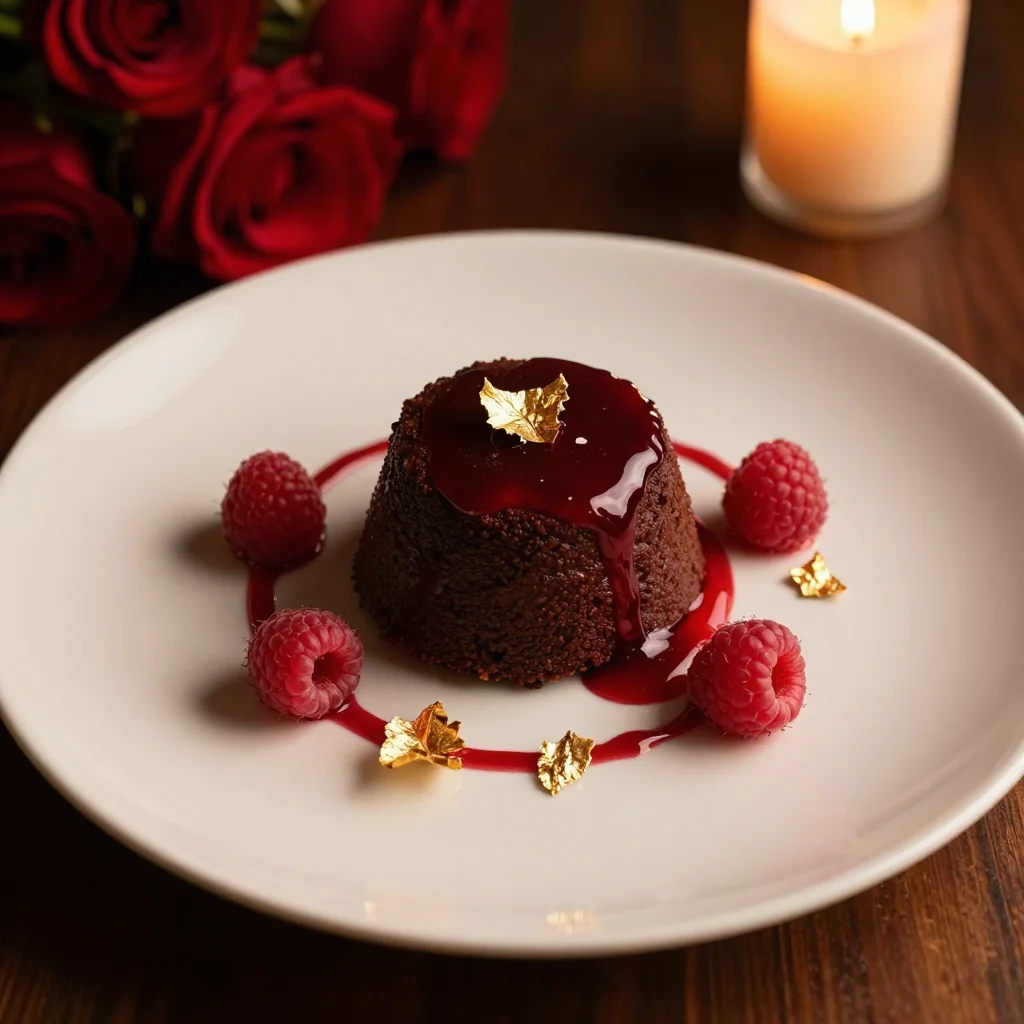
When I was sixteen, my first Valentine’s dinner was a humble spaghetti‑and‑meatballs affair, the kind of meal that left both of us with a lingering taste of teenage clumsiness. Years later, after countless culinary experiments and countless heartbeats, I discovered that a perfectly seared beef tenderloin, bathed in a glossy red‑wine reduction, could become the ultimate love‑letter on a plate. The moment the caramelized crust meets the melt‑in‑your‑mouth interior, you hear a soft sigh that says, “I’m thinking of you.”
This dish hails from classic French bistro traditions, where beef is celebrated as a symbol of strength and elegance. The addition of a beet purée, shaped into delicate hearts, adds a contemporary, playful twist that makes the plate as romantic as the evening itself. The deep ruby of the sauce mirrors the blush of a first kiss, while the earthy sweetness of the beets grounds the experience in comforting familiarity.
In this guide, you will learn how to master the art of searing beef to a perfect medium‑rare, how to balance acidity and sweetness in a red‑wine reduction, and how to sculpt a beet purée that looks as though it were painted by an artist. You’ll also discover pro tips that turn a good dinner into an unforgettable memory, and variations that let you tailor the meal to any dietary preference.
So, roll up your sleeves, preheat your oven, and let’s create a night that will linger in both taste buds and hearts forever.
🌟 Why This Recipe Will Captivate You
From the sizzle of the pan to the final garnish, every element is designed to impress and satisfy.
- ✨ Show‑Stopping Presentation: The heart‑shaped beet purée creates a visual focal point that says “I’ve planned something special.”
- ✨ Balanced Flavors: Sweet, acidic, and savory notes intertwine, making each bite a harmonious dance on the palate.
- ✨ Simple Yet Sophisticated: While the techniques are classic, the ingredient list is straightforward, allowing even home cooks to feel like a chef.
- ✨ Flexible Pairings: The dish pairs beautifully with a variety of wines, from robust Cabernets to delicate Pinot Noirs, giving you freedom to choose.
- ✨ Nutrient‑Rich Components: Beef provides high‑quality protein and iron, while beets deliver antioxidants and vibrant color.
- ✨ Perfect Portion Control: The built‑in portion adjuster lets you scale the recipe for an intimate dinner for two or a festive feast for eight.
🥗 Ingredients
📝 Complete Ingredient List
For the Beef Tenderloin:
For the Red Wine Reduction:
For the Heart‑Shaped Beet Purée:
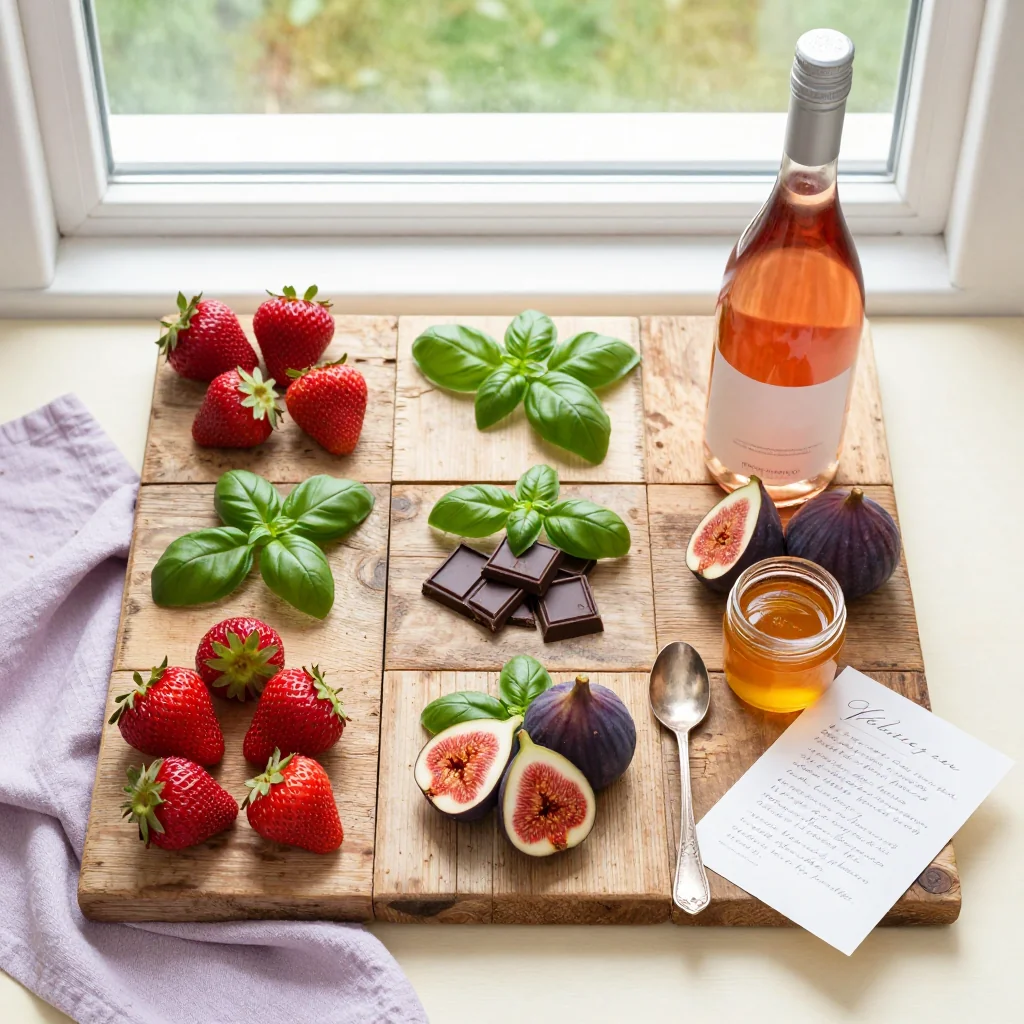
🔍 Focus on Key Ingredients
Beef Tenderloin
The tenderloin is the most tender cut of beef, prized for its buttery texture and subtle flavor. When searing, a high‑heat oil creates a crust that locks in juices, while the interior remains pink and juicy. Look for a piece with a uniform thickness; this ensures even cooking and makes portion scaling straightforward.
Red Wine
A full‑bodied red wine such as Cabernet Sauvignon or Merlot provides depth, tannins, and a natural acidity that balances the richness of the beef. The alcohol evaporates during reduction, leaving behind concentrated fruit notes that mingle beautifully with the balsamic and honey.
Beets
Beets bring an earthy sweetness and a striking ruby hue that echoes the wine sauce. Roasting them first intensifies their flavor and softens their texture, making them perfect for a silky purée. Adding a splash of lemon brightens the purée and prevents the color from turning gray.
🔄 Quick Substitutions
| If you don’t have… | Use instead… |
|---|---|
| Beef tenderloin | Ribeye steak (trimmed) |
| Red wine | Port or dry sherry |
| Heavy cream | Coconut cream (for dairy‑free) |
👨🍳 Step‑by‑Step Instructions
Follow these carefully sequenced steps to create a dinner that feels both luxurious and heartfelt.
📋 Phase 1: Preparation & Mise en Place
Getting everything ready ensures a smooth cooking experience.
Prepare the Beef
Pat the tenderloin dry with paper towels. Rub the surface with olive oil, then season generously with kosher salt, black pepper, and minced garlic. Let it rest at room temperature for 15 minutes so the seasoning penetrates and the meat cooks evenly.
Roast the Beets
Preheat the oven to 200°C (400°F). Wrap each beet in foil and place on a baking sheet. Roast for 45‑55 minutes, turning once, until a fork slides in easily. Once cooled, peel and cut into chunks.
🔥 Phase 2: Cooking & Assembly
Now we bring heat and flavor together.
Sear the Tenderloin
Heat a heavy skillet (preferably cast iron) over high heat until it begins to smoke. Add a tablespoon of olive oil, then place the tenderloin in the pan. Sear each side for 2‑3 minutes until a deep brown crust forms. Transfer the pan to the preheated oven (200°C) and roast for 8‑10 minutes for medium‑rare, or until an instant‑read thermometer registers 55°C (130°F).
Make the Red Wine Reduction
In the same skillet, discard excess fat, leaving about 1 tablespoon. Add the finely chopped shallot and sauté for 1 minute. Deglaze the pan with the red wine, scraping up browned bits. Add beef stock, balsamic vinegar, and honey. Simmer over medium‑low heat, stirring occasionally, until the sauce reduces by half (about 8‑10 minutes). Finish by whisking in cold butter cubes for a glossy finish.
Blend the Beet Purée
Transfer roasted beet chunks to a food processor. Add heavy cream, olive oil, lemon juice, and a pinch of salt. Pulse until smooth, then pass through a fine sieve for an ultra‑silky texture. Keep warm.
✨ Phase 3: Finishing & Plating
The final touches turn a great dish into a masterpiece.
Rest the Beef
Remove the tenderloin from the oven, tent loosely with foil, and let rest for 5 minutes. Resting allows juices to redistribute, ensuring each slice stays moist.
Slice & Plate
Using a sharp chef’s knife, slice the beef across the grain into 1‑inch thick medallions. Spoon a generous swirl of beet purée onto each plate, using a spoon to shape a heart. Place two medallions atop each heart, then drizzle the red‑wine reduction over the meat and around the plate.
Garnish and Serve
Scatter fresh chives over the purée, add a sprig of rosemary beside the beef, and finish with a light drizzle of extra‑virgin olive oil. Serve immediately with your chosen side dish and a glass of wine.
💡 Expert Tips & Tricks
🛒 Choosing the Right Ingredients
Always buy beef tenderloin from a reputable butcher who can show you the “fat cap” – a thin layer of fat that adds flavor and moisture. For beets, select ones that feel heavy for their size and have smooth, unblemished skins. Fresh rosemary should have bright green needles, not brown or wilted tips.
🔪 Preparation Techniques
Trim any silver skin from the tenderloin before seasoning; this thin membrane can become tough when cooked. When mincing garlic, use the flat side of the knife to crush first, then slice – this releases more aroma. For the beet purée, pressing the cooked beets through a fine sieve removes any gritty texture.
🌡️ Mastering the Cooking
Invest in an instant‑read thermometer; it’s the most reliable way to achieve medium‑rare without guesswork. Keep the skillet hot enough to sear but not so hot that the butter burns – a medium‑high heat is ideal. When reducing the sauce, stir occasionally to prevent scorching, and finish with cold butter to create a velvety emulsion.
🍽️ Presentation & Service
Use a small offset spatula to shape the beet purée into perfect hearts. A quick tap on the plate with the back of a spoon can smooth any imperfections. Serve the dish on warm plates to keep the meat at the perfect temperature throughout the meal.
🏆 Pro Tips
Elevate your dinner from impressive to unforgettable with these professional insights.
- 🎯 Sear with a Dry Surface: Moisture is the enemy of a good sear. Pat the meat completely dry and season just before it hits the pan; this creates a Maillard reaction that adds complex, caramelized flavors.
- 🎯 Use a Copper‑Bottomed Pan: Copper distributes heat evenly, preventing hot spots that can cause uneven browning. If you don’t have copper, a heavy cast‑iron skillet works equally well.
- 🎯 Deglaze with Wine Early: Adding the wine while the pan is still hot releases the fond (brown bits) instantly, infusing the sauce with deep, savory notes that can’t be achieved by simply stirring in stock later.
- 🎯 Finish Sauce with a Butter “Mount”: Adding cold butter at the end emulsifies the sauce, giving it a glossy sheen and a richer mouthfeel without making it greasy.
- 🎯 Resting Is Not Optional: The 5‑minute rest after roasting allows the muscle fibers to relax, preventing juice loss when slicing. Skipping this step results in a dry plate.
- 🎯 Plate Temperature Matters: Warm your plates in the oven (about 60°C) for 5 minutes before plating. This keeps the beef from cooling too quickly, preserving the perfect medium‑rare center.
“Cooking is like love – it should be entered into with abandon or not at all.” — Harriet Van Horne
🔄 Variations & Adaptations
The core of this dish is flexible; feel free to explore these creative twists.
🥬 Vegetarian / Vegan Version
Replace the beef tenderloin with a thick‑cut portobello mushroom cap or a firm tofu steak marinated in soy sauce, smoked paprika, and a splash of red wine. Follow the same searing technique, and use vegetable stock for the reduction. The beet purée remains unchanged, providing the same heart‑shaped visual.
- Substitution 1: 4 large portobello caps (≈ 500 g total)
- Substitution 2: 400 g extra‑firm tofu, pressed and sliced
🌶️ Flavor Variations
Adjust the flavor profile to suit your palate or theme. Each variation keeps the base technique but swaps key aromatics.
Spicy Version
Add ½ tsp crushed red pepper flakes to the red‑wine reduction and a dash of smoked paprika to the beet purée. Finish with a thin slice of fresh jalapeño on the plate for a subtle heat.
Mediterranean Version
Incorporate 1 tsp dried oregano into the reduction, swap the rosemary sprig for fresh thyme, and garnish the beet purée with toasted pine nuts and a drizzle of extra‑virgin olive oil.
Asian‑Inspired Version
Replace the red wine with a mixture of 180 ml dry sherry and 60 ml soy sauce, add 1 tsp grated ginger to the reduction, and stir a teaspoon of toasted sesame oil into the beet purée.
⚠️ Dietary Adaptations
Gluten‑Free
All components are naturally gluten‑free. Ensure the beef stock you use is labeled gluten‑free.
Lactose‑Free
Swap heavy cream for coconut cream and replace butter in the reduction with a dairy‑free margarine or extra cold olive oil.
Low‑Calorie
Reduce butter by half, use low‑fat milk instead of heavy cream, and limit the reduction to 150 ml of wine to cut calories while preserving flavor.
👶 Kid‑Friendly Version
Kids often prefer milder flavors. Omit the rosemary and reduce the shallot to a pinch. Serve the beet purée in fun star shapes using a cookie cutter, and pair with mashed potatoes instead of a red‑wine sauce.
📦 Storage & Reheating
🧊 Conservation
Refrigerator:
- Duration: 3 days
- Recommended container: airtight glass or BPA‑free plastic
- Tip: Store the beef and sauce separately to maintain texture.
Freezer:
- Duration: 2 months
- Method: Cool completely, then wrap each component tightly in foil and place in a freezer bag.
- Defrosting: Transfer to the refrigerator overnight before reheating.
💡 For best flavor, reheat the beef no more than once; over‑cooking will dry out the tenderloin.
♨️ Reheating
🔥 Oven (Recommended):
- Preheat to 150°C (300°F).
- Cover the beef with foil to retain moisture.
- Heat for 10‑12 minutes, or until the internal temperature reaches 55°C (130°F).
- Remove foil, brush with a little fresh reduction, and heat an additional 2 minutes for a glossy finish.
⚡ Microwave (Quick):
- Place beef slice on a microwave‑safe plate, cover with a microwave‑safe lid.
- Heat on medium power for 45 seconds, flip, then heat another 30‑45 seconds.
- Stir the reduction gently and pour over the meat before serving.
🍳 Stovetop:
Warm the reduction in a small saucepan over low heat. Quickly sear the leftover beef slices in a hot skillet with a splash of oil for 30 seconds per side to revive the crust.
🍷 Perfect Pairings
🥗 Side Dishes
- Garlic‑Roasted Asparagus: The crisp green contrast balances the richness of the beef.
- Herb‑Infused Wild Rice Pilaf: Adds a nutty texture that absorbs the sauce beautifully.
- Truffle‑Scented Mashed Potatoes: A luxurious, creamy side that complements the red‑wine reduction.
🍷 Wine & Beverage Pairings
- Cabernet Sauvignon: Its firm tannins cut through the beef’s richness and echo the red‑wine sauce.
- Pinot Noir: A lighter alternative that highlights the earthiness of the beet purée.
- Non‑Alcoholic: Sparkling pomegranate juice with a splash of rosemary‑infused simple syrup.
🍰 Completing the Meal
Begin with a light arugula salad dressed in lemon vinaigrette, follow with the main course, and finish with a decadent dark chocolate mousse sprinkled with sea salt. The bitter‑sweet finale mirrors the depth of the dinner.
❓ Frequently Asked Questions
Q: Can I use a different cut of beef if tenderloin is unavailable?
A: Absolutely. A well‑trimmed ribeye or strip steak works well; just adjust cooking time slightly because those cuts are thicker. Aim for the same internal temperature (55°C for medium‑rare) and let the meat rest before slicing.
Q: How do I know when the red‑wine reduction is ready?
A: The sauce is ready when it coats the back of a spoon and has reduced by about half, achieving a velvety consistency. You can also test by dipping a spoon into the sauce; it should leave a clear line when drawn across the plate.
Q: My beet purée turned grainy – what went wrong?
A: Graininess usually occurs when the beets are over‑processed or when the purée is heated too quickly. Blend until smooth, then pass through a fine sieve, and keep the purée warm over low heat, stirring gently.
Q: Can I prepare the beet purée a day ahead?
A: Yes. Store it in an airtight container in the refrigerator. Before serving, gently re‑warm over low heat and adjust seasoning with a touch more lemon juice if needed.
Q: I’m cooking for a gluten‑intolerant guest – is the recipe safe?
A: The core recipe is gluten‑free. Just ensure the beef stock you use does not contain added wheat flour or barley. Check the label or make a homemade stock.
Q: How can I scale the recipe for a larger gathering?
A: Use the portion adjuster on the premium card – simply click the “+” button to increase servings. The script will automatically recalculate all numeric ingredient quantities, preserving the balance of flavors.
🎉 Let’s Get Cooking!
This romantic beef tenderloin dinner brings together technique, flavor, and visual appeal to create an unforgettable Valentine’s experience. By mastering the sear, the reduction, and the beet heart, you’ll serve more than a meal—you’ll serve love on a plate. Remember, the secret lies in quality ingredients, precise timing, and a dash of confidence.
If you try this recipe, share your photos, tell us what you loved, and feel free to ask any lingering questions in the comments. Your feedback helps the community grow and inspires new culinary adventures.
Have you tried this recipe?
Leave a comment and rating below! Share your photos on Instagram with #ValentinesFeast for a chance to be featured.
Romantic Dinner Recipes for a Perfect Valentine’s Night
A luxurious beef tenderloin with a ruby red‑wine sauce and heart‑shaped beet purée.
📝 Ingredients
Beef Tenderloin
Red Wine Reduction
Heart‑Shaped Beet Purée
👨🍳 Instructions
- 1
Pat the tenderloin dry, season with oil, salt, pepper, and garlic, then let rest.
- 2
Preheat oven to 200°C, wrap beets in foil, and roast for 45‑55 minutes.
- 3
Sear the beef in a hot skillet for 2‑3 minutes per side, then finish in the oven for 8‑10 minutes.
- 4
Deglaze the pan with red wine, add shallot, stock, balsamic, honey; reduce by half.
- 5
Blend roasted beets with cream, olive oil, lemon juice, and salt; sieve for smoothness.
- 6
Rest the beef for 5 minutes before slicing.
- 7
Slice beef, arrange heart‑shaped beet purée on plates, place beef on top.
- 8
Drizzle reduction, garnish with chives and rosemary, serve immediately.
- 9
Enjoy with your chosen side dishes and wine.
- 10
Share the memory, snap a photo, and spread the love.
🥗 Nutritional Information (per serving)
*Values are estimates based on standard ingredient data.
📚 You Might Also Like
Chocolate Fondue for Two
Lobster Thermidor
Strawberry Balsamic Salad




💬 Comments & Reviews
Leave a Comment
No comments yet. Be the first to share your thoughts!