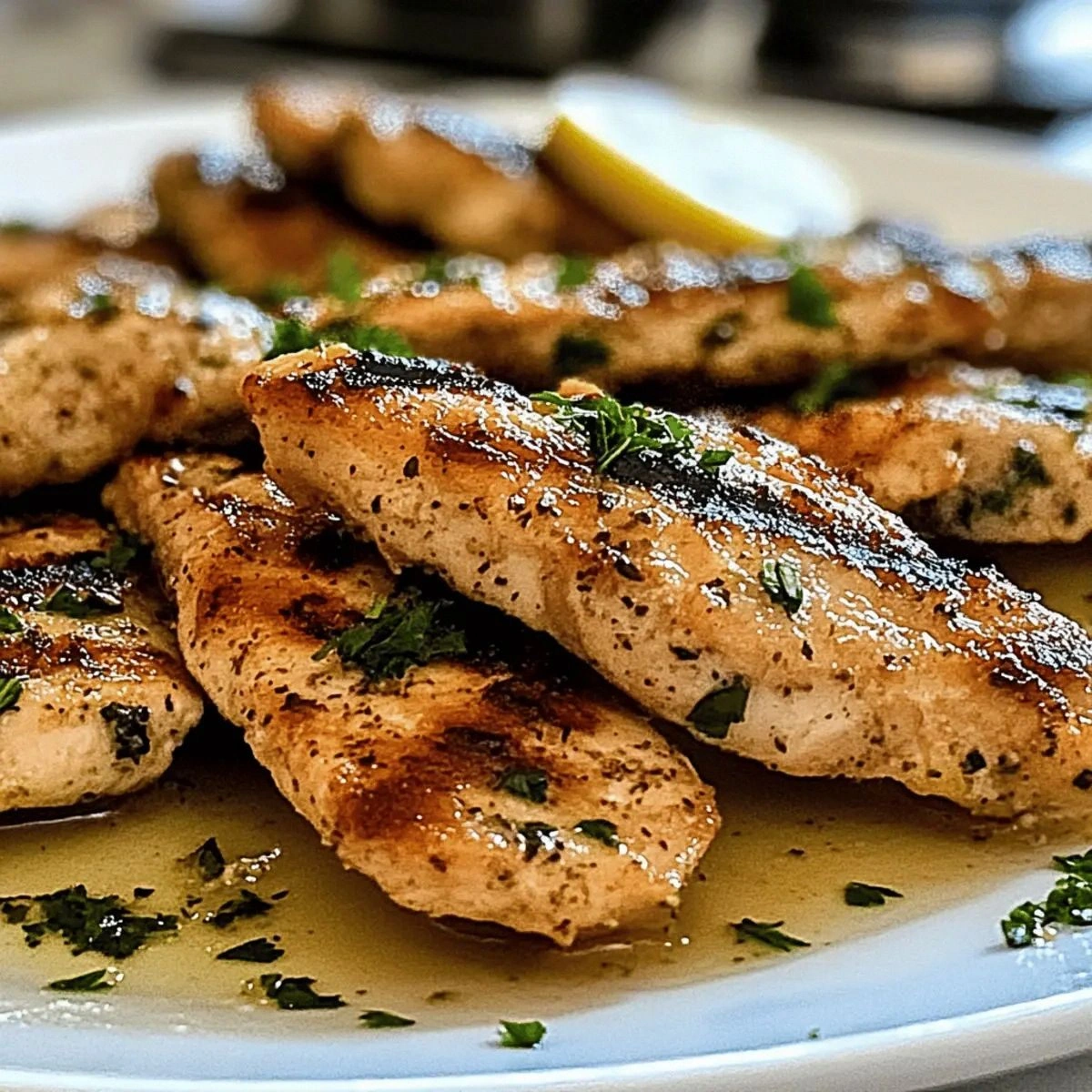
Picture this: it’s a Tuesday night, you’ve just survived a chaotic workday, the kids are demanding snacks, and the only thing on your mind is a bite of something that feels like a Mediterranean vacation. I was in that exact spot last week, rummaging through the fridge, when I realized I had a lonely pound of chicken breast and a bottle of olive oil that was begging for a purpose. I tossed a quick “I dare you to taste this and not go back for seconds” at myself, and what happened next was nothing short of culinary fireworks. The kitchen filled with the intoxicating aroma of garlic and oregano, the lemon zest cutting through the air like a bright sunrise, and I knew I was onto something spectacular.
Now, let’s set the scene: the sizzling sound of the pan is a steady, confident crackle, the olive oil shimmers like liquid gold, and the chicken pieces start to turn a gorgeous, caramelized amber. The scent? A heady mix of smoky paprika and fresh lemon that makes your nostrils do a little happy dance. You can feel the heat radiating from the stove, warming the room, while the tangy, herb‑infused juices coat the tenders in a glossy, mouth‑watering glaze. When you finally pull them out, the edges are crisp enough to snap like thin ice, yet the interior remains juicy, tender, and impossibly flavorful. This is the kind of dish that makes you pause mid‑bite, stare at the plate, and whisper, “Okay, ready for the game‑changer?”
What sets this version apart from every other Greek‑inspired chicken recipe you’ve seen on the internet? First, the marination time is razor‑thin—just 15 minutes—yet the flavors penetrate like a deep‑sea diver, thanks to a clever balance of acid, fat, and aromatics. Second, the cooking method is a hybrid pan‑sear and oven finish, giving you that perfect crust without the sogginess that most stovetop‑only attempts suffer from. Third, the ingredient list is brutally simple, using pantry staples you already have, but each one is chosen for maximum impact. And finally, there’s a secret step (I’ll reveal it soon) that adds a buttery richness without any actual butter—because who has time for that?
Let me walk you through every single step — by the end, you’ll wonder how you ever made it any other way. I’ll share the exact technique that turns ordinary chicken into a Greek‑infused masterpiece, the little hacks that save you from common pitfalls, and even a few daring variations that will keep this dish fresh for weeks. So grab a cutting board, roll up those sleeves, and prepare to meet your new weeknight favorite.
What Makes This Version Stand Out
- Flavor Explosion: The marriage of lemon juice, garlic, and smoked paprika creates a bright, smoky profile that dances on the palate like a Zorba celebration.
- Texture Perfection: A quick sear locks in juices, while a brief oven finish ensures the exterior stays crisp without becoming dry.
- Simplicity: Only eight ingredients, all of which you probably already have, means zero grocery‑store panic.
- Speed: From prep to plate in under 45 minutes, this dish fits perfectly into a hectic schedule.
- Crowd‑Pleaser: Even the pickiest eaters love the familiar yet exotic taste, making it ideal for family dinners or casual gatherings.
- Ingredient Quality: Using extra‑virgin olive oil and fresh garlic amplifies the natural flavors, turning a humble tender into a gourmet bite.
- Cooking Method: The pan‑then‑oven technique avoids the common mistake of soggy chicken that plagues many stovetop recipes.
- Make‑Ahead Potential: You can prep the marinated chicken ahead of time, store it in the fridge, and finish cooking when you’re ready to eat.
Inside the Ingredient List
The Flavor Base
Fresh Garlic (3 cloves): Garlic is the aromatic backbone that adds depth and a slight bite. If you skip it, the dish loses that pungent warmth that makes the sauce feel alive. A good swap is garlic powder (½ tsp), but fresh minced garlic is unbeatable for its bright, sharp edge.
Lemon Juice (2 tablespoons): The acidity lifts the heavy olive oil and balances the smoky paprika. Without lemon, the tenders would taste flat and oily. If lemons aren’t on hand, a splash of white wine vinegar (1 tbsp) can mimic the bright tang.
The Texture Crew
Olive Oil (1/4 cup, extra virgin): This oil does double duty: it helps the spices cling to the chicken and contributes a silky mouthfeel. Using a lower‑quality oil can make the glaze greasy and dull. For a milder flavor, you can substitute grapeseed oil, but you’ll miss the fruity notes.
Boneless, Skinless Chicken Breasts (1 pound): The star of the show. Choose chicken that’s uniformly sized so they cook evenly. If you grab a package with uneven pieces, you’ll end up with some overcooked and some undercooked. A good tip: pound the breasts to an even thickness before marinating.
The Unexpected Star
Smoked Paprika (1 teaspoon): This spice adds a subtle, wood‑smoked depth that makes the dish feel rustic. Skipping it would strip the tenders of that signature smoky whisper. If you prefer heat, add a pinch of cayenne alongside the paprika.
The Final Flourish
Dried Oregano (2 teaspoons): Oregano brings the quintessential Greek herbaceous note. Fresh oregano can be used (1 tbsp), but dried packs more concentrated flavor and is more convenient.
Salt (1 teaspoon) & Pepper (1 teaspoon): These seasonings amplify all the other flavors. Too little salt and the dish will taste bland; too much and it overshadows the delicate lemon. Use freshly cracked black pepper for a bright bite.
Everything's prepped? Good. Let's get into the real action…
The Method — Step by Step
First, slice the chicken breasts into uniform strips about one inch wide. This size ensures a quick, even cook and maximizes surface area for the marinade to cling. Place the strips in a large zip‑top bag, then add the minced garlic, lemon juice, olive oil, oregano, smoked paprika, salt, and pepper. Seal the bag, remove as much air as possible, and massage the mixture until every piece is glossy and fully coated. That sizzle when it hits the pan? Absolute perfection. Let the chicken rest for 15 minutes at room temperature; this short marination is enough to let the flavors penetrate without any sogginess.
Kitchen Hack: While the chicken marinates, preheat your oven to 400°F (200°C) and line a baking sheet with parchment. This prepares a quick finish that locks in crispness.Heat a large cast‑iron skillet over medium‑high heat. Add a thin drizzle of olive oil—just enough to coat the bottom. When the oil shimmers and begins to ripple, it’s ready. Carefully lay the chicken strips in a single layer, making sure not to overcrowd the pan. Overcrowding traps steam and prevents the coveted crust.
Listen for that unmistakable hiss as the chicken makes contact with the pan. Let it sear undisturbed for about 2‑3 minutes; this is the moment the crust forms. You’ll notice the edges pulling away slightly from the pan—a visual cue that the Maillard reaction is in full swing. Flip the strips using tongs, and sear the other side for another 2‑3 minutes. This next part? Pure magic.
Watch Out: If the pan starts smoking excessively, reduce the heat slightly. Too much heat will burn the spices before the chicken cooks through.Once both sides are beautifully browned, transfer the entire skillet to the preheated oven. This oven‑finish step ensures the interior reaches a safe 165°F (74°C) while preserving the crisp exterior. Bake for 8‑10 minutes, depending on the thickness of your strips. The chicken should feel firm to the touch but still spring back slightly.
While the chicken finishes in the oven, prepare a quick garnish. Finely chop a handful of fresh parsley and zest a lemon. The bright green and citrus aroma will elevate the dish right before serving. If you’re feeling extra, drizzle a teaspoon of high‑quality extra‑virgin olive oil over the finished tenders for added silkiness.
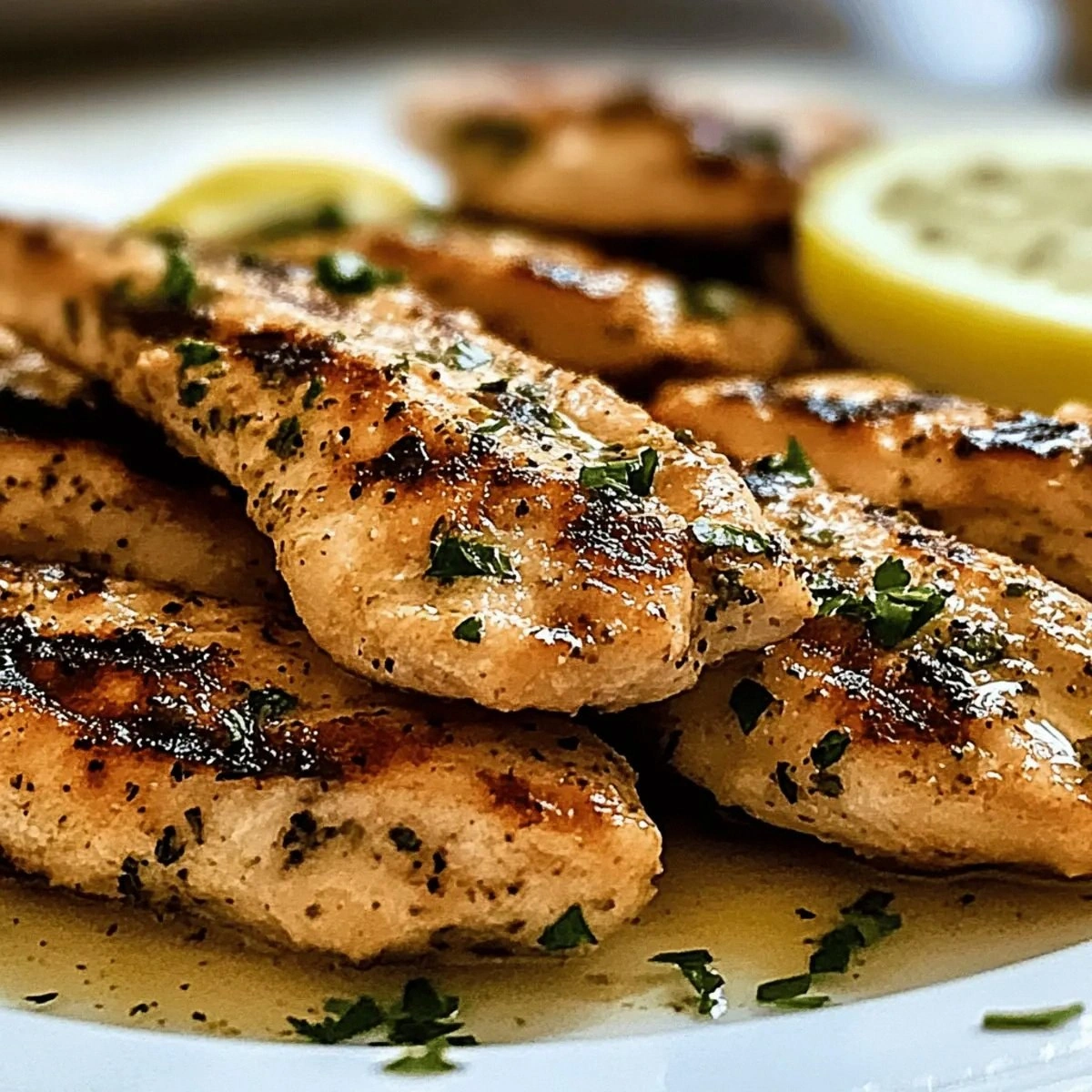
Remove the skillet from the oven—be careful, the handle will be scorching hot. Transfer the chicken tenders to a serving platter, and immediately sprinkle the parsley and lemon zest over the top. The residual heat releases the essential oils in the zest, creating a fragrant cloud that envelops the entire kitchen.
Give the tenders a final taste test. If you crave a touch more acidity, squeeze a fresh lemon wedge over the top. The bright citrus will cut through the richness and bring the flavors into perfect harmony. This is the moment of truth: bite into a tender, juicy strip, and let the smoky, garlicky, lemony notes explode on your tongue.
Serve immediately with a side of crisp Greek salad, warm pita, or simply a dollop of tzatziki. Trust me, I’ll be honest — I ate half the batch before anyone else got to try it, and the leftovers still taste like they just came out of the oven. Store any extras in an airtight container, and you’ve got a ready‑to‑reheat snack for the next day.
That's it — you did it. But hold on, I've got a few more tricks that'll take this to another level…
Insider Tricks for Flawless Results
The Temperature Rule Nobody Follows
Never start with a cold pan. Preheat your skillet for at least two minutes before adding oil. This ensures the oil reaches the perfect temperature to sear instantly, creating that coveted crust. I once tried to “save time” by adding chicken to a cold pan; the result was a soggy, unevenly cooked mess that tasted like disappointment.
Why Your Nose Knows Best
When the chicken is searing, trust your sense of smell more than the timer. The moment you detect a nutty, toasted aroma, it’s a signal that the Maillard reaction is happening. If you keep cooking past that point, you risk burning the spices, which turns the flavor bitter.
The 5‑Minute Rest That Changes Everything
After the oven finish, let the chicken rest for exactly five minutes. This short pause allows the juices to redistribute, preventing them from spilling out when you bite. Skipping this step is the most common mistake I see; the result is a dry mouthful that feels like chewing on cardboard.
Salt Timing Mastery
Salt is a flavor amplifier, but adding it too early can draw moisture out of the chicken, leading to a less juicy result. By incorporating salt directly into the quick 15‑minute marination, you strike a perfect balance—enough to season without dehydrating.
Pan‑to‑Oven Transition Made Simple
Use an oven‑safe skillet (cast iron or stainless steel) so you don’t have to transfer the chicken mid‑cook. This eliminates the risk of losing those precious browned bits that cling to the pan and adds them back into the dish during the oven phase.
Creative Twists and Variations
This recipe is a playground. Here are some of my favorite ways to switch things up:
Spicy Souvlaki
Swap the smoked paprika for a blend of cayenne and regular paprika (½ tsp each) and add a drizzle of honey after baking. The sweet‑heat combo mimics the classic Greek street food vibe and will have spice lovers cheering.
Herb‑Infused Yogurt Dip
Mix Greek yogurt with chopped dill, a splash of lemon juice, and a pinch of garlic powder. Serve alongside the tenders for a creamy contrast that balances the smoky notes.
Greek‑Style Pita Wrap
Wrap the cooked tenders in warm pita bread with sliced cucumber, tomato, red onion, and a smear of tzatziki. This turns the dish into a handheld feast perfect for picnics.
Mediterranean Crunch
After the oven step, toss the tenders with toasted pine nuts and a sprinkle of crumbled feta. The added crunch and salty tang elevate the dish to a sophisticated appetizer.
Low‑Carb Zucchini Noodles
Serve the chicken over sautéed zucchini noodles tossed in a little olive oil and lemon zest. This keeps the meal light while still delivering that bold Greek flavor profile.
Storing and Bringing It Back to Life
Fridge Storage
Place cooled chicken tenders in an airtight container and store them in the refrigerator for up to three days. A thin layer of olive oil on top prevents them from drying out.
Freezer Friendly
For longer keep‑s, spread the cooked tenders on a parchment‑lined tray and freeze them individually. Once solid, transfer to a zip‑top freezer bag; they’ll last up to two months. Label with the date to stay organized.
Best Reheating Method
When ready to eat, preheat your oven to 375°F (190°C). Arrange the tenders on a baking sheet, add a tiny splash of water (about a teaspoon), and cover loosely with foil. Heat for 8‑10 minutes, then uncover for the last two minutes to revive the crisp exterior. This steam‑plus‑crisp technique restores the original texture perfectly.