I remember the night I first tried to recreate that sizzling, fragrant dish I’d seen on a late‑night travel vlog. My kitchen was a mess of spices, a burnt skillet, and a chicken thigh that had turned into a stubborn, dry slab. I was about to throw it out when a sudden craving hit—something spicy, creamy, with a hint of citrus that could turn even the most skeptical palate into a fan. That moment sparked a midnight experiment that would later become the recipe you’re about to read.
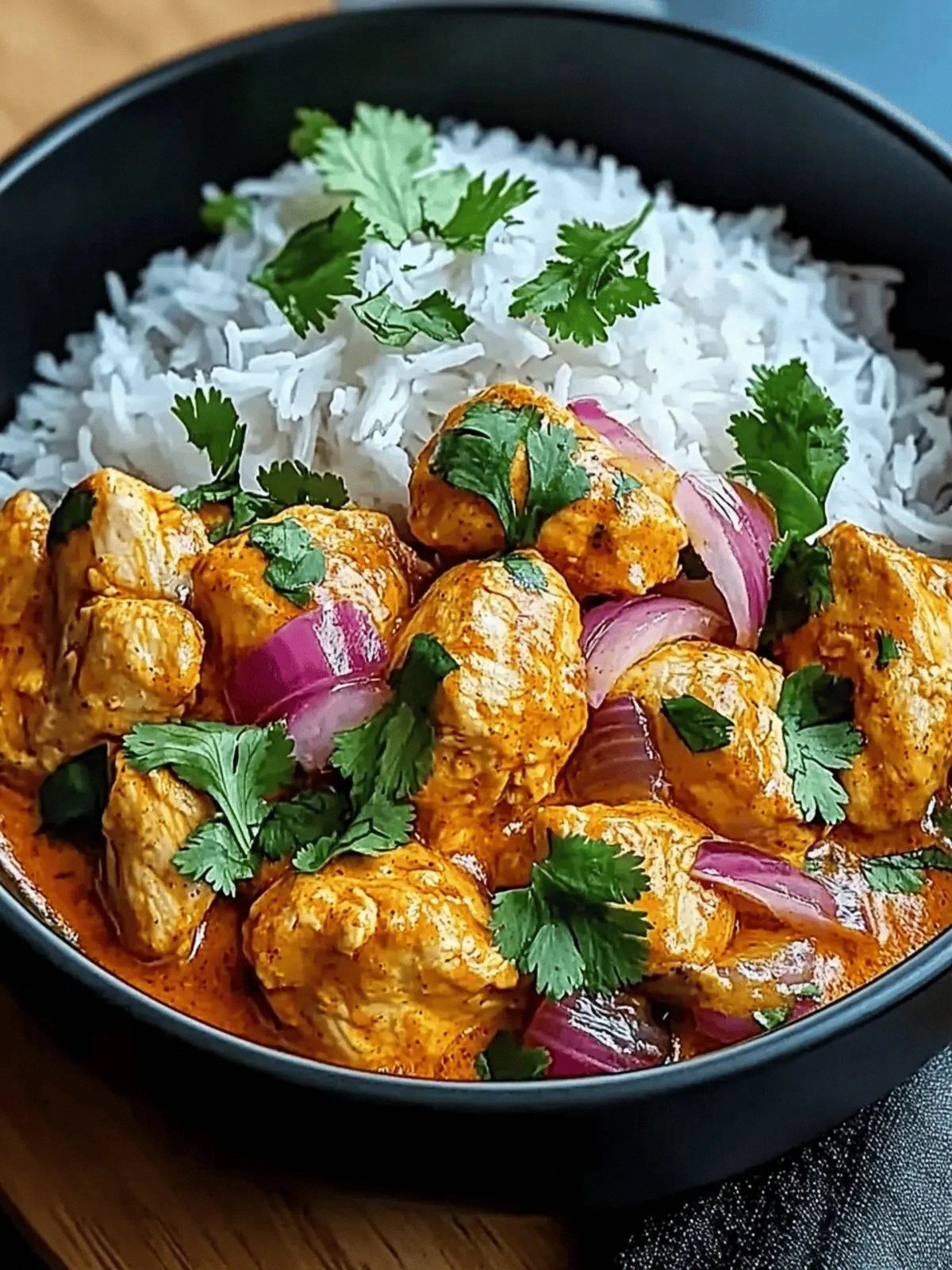
Picture this: the kitchen lights dimmed, a single burner glowing, and the aroma of sautéed onions drifting up like a warm hug. The sizzling sound of olive oil hitting hot pan is a promise of flavor to come. The chicken thighs, browned to a caramelized perfection, release juices that mingle with garlic and ginger, forming a fragrant base that tastes like a tropical sunrise. As the coconut milk pours in, the mixture thickens, coating the meat like velvet, and the chili paste injects a fiery kick that lingers just long enough to keep you coming back.
What makes this version stand out? It’s not just the blend of spices; it’s the balance of heat, creaminess, and acidity that makes every bite a revelation. I’ve spent months tweaking this recipe, and this is the iteration that finally silenced the skeptics in my friend group—hands down the best version you’ll ever make at home. The sauce clings to the chicken, the edges caramelize just enough to offer a slight crunch, and the fresh cilantro and lime juice finish it off like a bright, fresh finish after a long, flavorful journey.
And there’s a twist you won’t expect—an ingredient that seems innocuous at first but actually gives the dish its signature depth: chili paste. It’s not just for heat; it’s a flavor powerhouse that ties the coconut and citrus together, creating a sauce that feels both exotic and comforting. If you’re ready to take your taste buds on a trip to Brazil without leaving your kitchen, let me walk you through every single step—by the end, you’ll wonder how you ever made it any other way.
What Makes This Version Stand Out
- Heat Control: The chili paste is calibrated to deliver a punch that’s intense enough to wake up the senses but balanced with coconut milk so the heat never feels overwhelming. It’s a sweet spot that keeps the dish approachable for both spice lovers and novices.
- Coconut Creaminess: The can of coconut milk adds a silky, tropical base that softens the sharpness of the spices, creating a sauce that coats the chicken like a silky blanket.
Lime juice provides a bright, citrusy lift that cuts through the richness, leaving a clean, refreshing finish that prevents the dish from feeling heavy. All the ingredients cook together in a single skillet, which means fewer dishes to clean and a faster turnaround—perfect for weeknight dinners. Using fresh ginger and a good quality chili paste makes the difference between a generic chicken dish and a memorable culinary experience.
Alright, let’s break down exactly what goes into this masterpiece…
Inside the Ingredient List
The Flavor Base
The chicken thighs are the star of the show. Their fatty marbling gives the dish a juicy, tender texture, and when seared properly they develop a caramelized crust that locks in moisture. Skipping them would leave the dish feeling flat and lifeless. If you’re looking for a leaner option, bone‑in, skin‑on thighs keep the flavor profile intact, whereas skin‑off or chicken breasts would require additional moisture to prevent drying out.
The Aromatics Crew
Onion, garlic, and ginger form the aromatic backbone that sets the tone for the entire dish. The onion’s natural sweetness balances the heat of the chili paste, while garlic adds depth and a hint of earthiness. Fresh ginger introduces a bright, peppery note that elevates the sauce. If you’re in a hurry, a tablespoon of minced ginger powder can work, but fresh ginger delivers a more vibrant flavor.
The Unexpected Star
The chili paste is where the dish gets its bold personality. It’s not just heat; it’s a complex blend of chilies, garlic, and spices that infuses the sauce with a smoky, slightly sweet undertone. If you’re wary of too much heat, start with one tablespoon and adjust to taste. The paste also thickens the sauce slightly, giving it a luscious consistency.
The Final Flourish
Ground cumin and paprika add depth and warmth, creating a subtle earthiness that complements the coconut milk. Fresh cilantro and lime juice finish the dish with bright, herbal, and citrusy notes that cut through the richness. If you’re not a fan of cilantro, parsley can be a mild substitute, but the dish will lose a bit of its traditional flair.
Everything’s prepped? Good. Let’s get into the real action…
The Method — Step by Step
- Heat a large skillet over medium‑high heat. Add the olive oil, letting it shimmer but not smoke. Pat the chicken thighs dry with paper towels, then season both sides with salt and pepper. Place the thighs skin‑side down and sear until golden brown, about 5 minutes. Flip and sear the other side for another 4 minutes. The goal is a beautiful caramelized crust that locks in juices.
- Remove the chicken from the pan and set aside. In the same skillet, lower the heat to medium. Add the diced onion, sautéing until translucent and slightly caramelized, about 3 minutes. The onions should smell sweet and fragrant—if they’re still raw, keep cooking a bit longer.
- Stir in the minced garlic and ginger, letting them toast for 30 seconds. Watch the aroma; it should become nutty and aromatic. Add the chili paste, stirring until it coats the onions and releases its fragrance. This is the moment of truth—if the paste isn’t fully incorporated, the sauce will taste uneven.
- Pour in the coconut milk, whisking to combine with the spices. Bring the mixture to a gentle simmer, then return the chicken thighs to the pan, nestling them into the sauce. Reduce the heat to low, cover, and let it cook for 15 minutes, or until the chicken reaches an internal temperature of 165°F.
- While the chicken is cooking, sprinkle the cumin and paprika over the sauce, stirring to distribute evenly. These spices will seep into the sauce, creating a warm, earthy undertone that balances the coconut’s sweetness. If you’re a fan of extra heat, add a pinch more chili paste at this point.
- After the 15 minutes, lift the lid and let the sauce reduce for an additional 5 minutes, allowing it to thicken slightly. The edges of the sauce should start to pull away from the pan, forming a glossy coating that clings to the chicken.
- Stir in the lime juice, then sprinkle the fresh cilantro over the top. The acidity of the lime brightens the dish, while the cilantro adds a fresh herbal note. Give everything a gentle stir to combine.
- Taste the sauce and adjust seasoning if necessary—add more salt, pepper, or lime juice to your liking. Plate the chicken thighs, spooning the coconut sauce over the top. Serve immediately with rice, quinoa, or crusty bread to soak up the sauce.
That’s it— you did it. But hold on, I’ve got a few more tricks that’ll take this to another level…
Insider Tricks for Flawless Results
The Temperature Rule Nobody Follows
Cooking the chicken at too high a temperature can cause the outside to burn before the inside cooks through. Keep the heat medium‑low once the chicken is back in the pan; this allows the flavors to meld and the sauce to thicken without scorching. I’ve found that a temperature around 300°F in the oven or a low stovetop heat works best.
Why Your Nose Knows Best
Before you taste the sauce, give it a sniff. A rich, coconut‑y aroma with hints of citrus and spice signals that the flavors are balanced. If it smells too sharp or too sweet, adjust with a splash of lime or a pinch of salt. Your nose is a reliable guide to the dish’s readiness.
The 5‑Minute Rest That Changes Everything
Let the chicken rest for 5 minutes after cooking. This allows the juices to redistribute, ensuring every bite is moist and flavorful. I’ve seen people skip this step, resulting in dry chicken. Trust me, the extra minutes make a noticeable difference.
The Quick Cilantro Swap
If cilantro isn’t your thing, try chopped mint or parsley for a milder finish. The key is to add fresh herbs at the end to preserve their bright flavor. Don’t overcook them; a quick stir is enough.
The Lime Juice Trick
Add the lime juice at the end of cooking to maintain its bright acidity. If you add it too early, the heat can mellow the citrus notes. A few squeezes of fresh lime just before serving keeps the dish vibrant.
Creative Twists and Variations
This recipe is a playground. Here are some of my favorite ways to switch things up:
Creamy Coconut‑Rice Bowl
Serve the chicken over a bed of jasmine rice and top with sliced avocado and a drizzle of extra coconut milk. The creamy texture pairs beautifully with the tropical flavor profile.
Spicy Veggie Stir‑Fry
Replace the chicken with tofu or tempeh and add bell peppers, broccoli, and snap peas. The sauce still works, giving a plant‑based version that’s just as bold.
Grilled Pineapple Finish
Top the dish with grilled pineapple rings for a sweet, caramelized contrast that echoes the coconut’s tropical vibe. It adds a juicy, refreshing bite.
Coconut‑Rice Pilaf
Cook the rice in coconut milk instead of water for a richer base. The rice absorbs the flavors, turning each grain into a savory bite.
Low‑Carb Variation
Serve the chicken with cauliflower rice and a side of sautéed greens. It keeps the dish low in carbs while still delivering the same flavor punch.
Storing and Bringing It Back to Life
Fridge Storage
Cool the dish completely before transferring it to an airtight container. Store in the refrigerator for up to 3 days. The flavors deepen over time, making it a great option for lunch the next day.
Freezer Friendly
Place the dish in a freezer‑safe container and freeze for up to 2 months. Thaw overnight in the refrigerator before reheating.
Best Reheating Method
Reheat on the stove over low heat, adding a splash of water or coconut milk to restore moisture. Gently stir until heated through—don’t let it boil to preserve the sauce’s silky texture.