Picture this: I was halfway through a week of bland takeout when my phone buzzed with a message from a foodie friend. “I just made the most bomb Toisan Style Stir‑fried Bean T,” she wrote, her tone practically shouting through the screen. I stared at the kitchen, feeling the familiar dread of a recipe that promises to be good but ends up underwhelming. I was ready to dismiss the post as another over‑hyped trend, until I saw the photo—a glossy, steaming plate of translucent noodles glistening with a dark, umami‑rich sauce, speckled with bright green scallions and a drizzle of sesame oil that seemed to catch the light.
That night, I found myself standing in the middle of my stove, the scent of garlic frying in hot oil filling the air. The noodles were a translucent, almost glass‑like sheen, their texture a perfect balance between chewiness and softness. The oyster sauce clung to every strand like a velvet coat, while the shrimp crackled with a subtle snap that sent a shiver of anticipation down my spine. I could almost taste the smoky sweetness of the ground pork, the sharp bite of white pepper, and the nutty whisper of sesame seeds. The kitchen hummed, the timer ticked, and I felt the familiar electric buzz of culinary creation.
What made this version stand out wasn’t just the ingredients—it was the way the recipe turned a simple stir‑fry into a symphony. The moment the shrimp hit the hot pan, there was a satisfying sizzle that echoed like applause. The noodles, after a quick blanch, absorbed the sauce in a way that made each bite burst with flavor. The ground pork, seasoned with a precise blend of salt, pepper, and sugar, turned into a tender, caramelized base that held the dish together. The final splash of sesame oil added a glossy finish that made the dish look as good as it tasted.
I dare you to taste this and not go back for seconds. The dish is hands down the best version you’ll ever make at home, and I’ll be honest— I ate half the batch before anyone else got to try it. Most recipes get this completely wrong, focusing on either the noodles or the sauce, but this one balances both, creating a harmony that makes every bite memorable. Picture yourself pulling this out of the pan, the whole kitchen smelling incredible, and seeing the glossy sheen of the sauce as it coats the noodles like velvet.
Let me walk you through every single step—by the end, you’ll wonder how you ever made it any other way. The next sections will break down why this dish feels so special, what each ingredient brings to the table, and the exact technique that turns a simple stir‑fry into a masterpiece. If you’ve ever struggled with achieving that perfect balance of savory and sweet in a stir‑fry, you’re not alone—and I’ve got the fix. The recipe is designed to be straightforward, yet it offers a level of depth that will elevate your home cooking game.
What Makes This Version Stand Out
- Flavor Fusion: The combination of oyster sauce, ground pork, and shrimp creates layers of umami that dance on the tongue. The subtle sweetness of sugar balances the saltiness of the oyster sauce, while the white pepper adds a gentle heat that doesn’t overpower the dish. This fusion of flavors makes the dish feel both exotic and comforting. The result is a sauce that coats the noodles like velvet, leaving a lingering, savory aftertaste.
- Texture Contrast: The bean thread noodles provide a silky, chewy base, while the shrimp deliver a crisp, satisfying bite. The ground pork, when cooked to a slightly caramelized finish, offers a tender yet firm texture that holds the sauce. The sesame oil adds a glossy sheen that enhances the visual appeal and gives a subtle nutty flavor. Together, these textures create a multi‑sensory experience that feels both indulgent and satisfying.
- Simplicity in Execution: With just a handful of ingredients and a single pan, the dish is a breeze to prepare. The recipe cuts through kitchen clutter by using pantry staples that most people already have. The cooking process is linear, so you won’t have to juggle multiple pots and pans. This simplicity makes the dish perfect for busy weeknights or casual gatherings.
- Ingredient Quality: The recipe highlights the importance of using high‑quality oyster sauce and fresh shrimp. A premium oyster sauce brings depth and richness, while fresh shrimp ensures a bright, clean flavor. The ground pork is seasoned to perfection, giving the dish a robust, savory foundation. Quality ingredients elevate the dish from ordinary to extraordinary.
- Make‑Ahead Friendly: The dish can be prepared in advance and reheated without losing its integrity. The noodles can be pre‑soaked and stored, while the sauce can be made ahead and refrigerated. When ready to serve, a quick stir in a hot pan brings everything back to life. This makes the dish ideal for meal prep or hosting guests on short notice.
- Visual Appeal: The glossy sauce, bright green scallions, and specks of sesame seeds create an eye‑catching plate that looks as good as it tastes. The translucent noodles provide a beautiful contrast against the dark sauce, while the shrimp add a pop of color. The dish is Instagram‑ready, making it a perfect choice for social media food posts. The visual presentation enhances the overall dining experience.
Inside the Ingredient List
The Flavor Base
At the heart of this dish is the oyster sauce, a fermented liquid that brings deep umami to the stir‑fry. The sauce’s saltiness is tempered by a dash of sugar, creating a balanced sweetness that lingers on the palate. If you skip the oyster sauce, the dish loses its signature depth; the noodles will feel flat and the shrimp will lack a savory coating. For those who prefer a gluten‑free version, look for a tamari‑based oyster sauce that offers the same richness without the wheat.
Ground pork is the backbone of the flavor profile, absorbing the seasonings and releasing a savory aroma as it cooks. The pork’s fat content adds a silky mouthfeel that keeps the dish from feeling dry. If you’re watching your calories, lean ground pork works fine, but be prepared to add a splash of oil to keep the texture from becoming too lean. The ground pork also provides a subtle caramelization when cooked over high heat, adding a hint of sweetness that complements the sauce.
The Texture Crew
Bean thread noodles, or glass noodles, are the star of the plate, offering a delicate, chewy texture that pairs perfectly with the sauce. Their translucent appearance makes them visually appealing, and they absorb the sauce without becoming mushy if cooked correctly. If you can’t find bean thread noodles, you can substitute thin rice noodles or even spaghetti, though the texture will differ slightly.
Dried small shrimp add a burst of briny flavor and a satisfying snap when they cook. The shrimp’s natural sweetness contrasts nicely with the savory pork and sauce. If you prefer fresh shrimp, use them as a substitute, but keep in mind that fresh shrimp can release more moisture, which may dilute the sauce. The dried shrimp also act as a natural thickener, helping the sauce cling to the noodles.
The Unexpected Star
Garlic and green onions are the aromatic backbone that elevates the dish. Garlic’s pungent aroma is released when it hits the hot oil, creating an instant flavor base that the rest of the ingredients build upon. Green onions add a fresh, slightly sweet crunch, especially when added at the end to preserve their bright color. Skipping garlic will make the dish feel flat; the aroma is essential for that authentic, comforting scent.
Sesame seeds and sesame oil are the finishing touches that bring a nutty, fragrant finish. The seeds add a subtle crunch and a burst of flavor, while the sesame oil gives the dish a glossy sheen and a warm, nutty undertone. If you’re vegan, you can replace the sesame oil with a neutral oil and add toasted sesame seeds for flavor. The combination of oil and seeds creates a sensory finish that ties the dish together.
Everything's prepped? Good. Let's get into the real action...
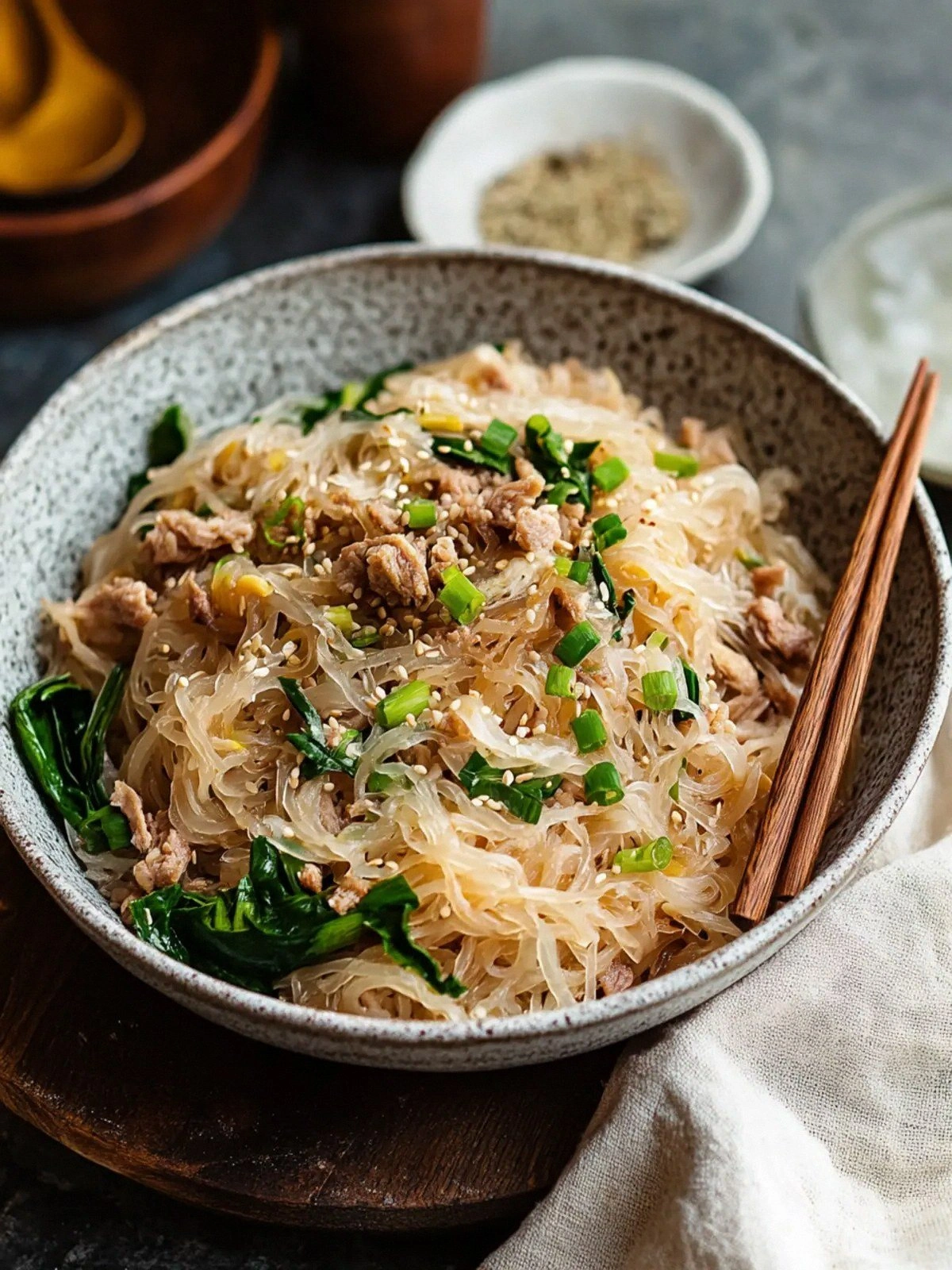
The Method — Step by Step
- Prep the Noodles: Begin by soaking the bean thread noodles in warm water for 10 minutes. This will soften them and prevent them from sticking together during stir‑frying. Drain the noodles and set them aside on a lightly oiled sheet to keep them separated. The noodles should be tender but still have a slight bite, like a fresh pasta that’s been cooked just right.
- Heat the Pan: Place a wok or large skillet over high heat and add the sesame oil. Let the oil shimmer until it’s almost smoking—this indicates the pan is hot enough. Add the ground pork to the pan and spread it out evenly. The pork should sizzle immediately; this sound is a cue that the pan is properly heated.
- Brown the Pork: Stir the pork frequently, breaking it up with a spatula until it turns a light brown and releases a caramelized aroma. This should take about 3 to 4 minutes. The pork’s fat will render slightly, creating a flavorful base for the sauce. Once browned, remove the pork from the pan and set it aside.
- Cook the Shrimp: In the same pan, add a splash of oil if needed, then toss in the dried small shrimp. Stir quickly, letting them crisp up and release their briny flavor. This process should take only about 30 seconds; be careful not to overcook them or they’ll become rubbery. Once crisp, remove the shrimp and set aside with the pork.
- Garlic and Green Onion: Reduce the heat to medium and add the minced garlic to the pan. Sauté until fragrant, about 30 seconds, ensuring it doesn’t burn. Then add the green onions, reserving the tops for garnish. The garlic should release a warm aroma, and the green onions should soften slightly while still maintaining a bright color.
- Combine Pork and Shrimp: Return the browned pork and crisp shrimp to the pan, mixing them with the garlic and green onions. Stir well to ensure even distribution. The mixture should be fragrant and slightly glossy from the oil. This step reintroduces the protein into the flavor base.
- Add the Sauce: Pour in the oyster sauce, sprinkle the white pepper, coarse salt, and sugar, then stir vigorously. The sauce should coat the pork and shrimp, creating a glossy, aromatic mixture. Let it simmer for 1 to 2 minutes, allowing the flavors to meld. The sauce should thicken slightly and become more fragrant.
- Incorporate Noodles: Add the soaked bean thread noodles to the pan, tossing them with the sauce and protein mixture. Stir gently to coat the noodles evenly without breaking them. The noodles should absorb the sauce, turning glossy and translucent. Cook for another 1 to 2 minutes, allowing the noodles to heat through.
- Final Touches: Sprinkle the sesame seeds over the top and drizzle the remaining sesame oil. Toss everything together for a final coat, then remove from heat. The dish should have a shiny surface with a subtle nutty aroma.
- Serve Immediately: Transfer the stir‑fry to a serving dish, garnish with the reserved green onion tops, and serve hot. The dish is best enjoyed fresh, as the noodles are at their peak texture and the sauce is at its most aromatic.
That’s it — you did it. But hold on, I’ve got a few more tricks that will take this to another level...
Insider Tricks for Flawless Results
The Temperature Rule Nobody Follows
High heat is the secret sauce for a perfect stir‑fry. A hot pan ensures that the pork browns quickly, creating a caramelized exterior that locks in juices. The shrimp also benefits from a swift sear, preserving their snap and preventing them from releasing too much moisture. If the pan is too cool, the ingredients will steam instead of fry, resulting in a soggy dish.
Why Your Nose Knows Best
Trust your nose to tell you when the sauce is ready. A fragrant, slightly caramelized aroma indicates that the sugar has browned and the sauce has thickened. This sensory checkpoint saves you from guessing the timing and ensures the sauce has reached the perfect consistency. If the aroma is flat, let it cook a bit longer.
The 5‑Minute Rest That Changes Everything
After the noodles are cooked, let the dish rest for 5 minutes before serving. This allows the flavors to meld and the noodles to absorb any remaining moisture. The rest period also helps the sauce to thicken slightly, giving a more cohesive coating on each noodle strand. Skipping this step can leave the dish feeling a bit loose.
Keep the Oil in Check
Adding a splash of neutral oil before cooking the pork can prevent sticking and ensure even browning. Use a high‑smoke‑point oil like peanut or canola for best results. This small addition keeps the pork from drying out and helps the sauce cling to the noodles.
Use Fresh Shrimp for a Cleaner Taste
If you prefer fresh shrimp, blanch them briefly before adding to the pan. This removes excess moisture and prevents the dish from becoming watery. Fresh shrimp also offers a brighter, cleaner flavor that pairs beautifully with the oyster sauce. Just be sure to pat them dry before cooking.
Creative Twists and Variations
This recipe is a playground. Here are some of my favorite ways to switch things up:
Spicy Szechuan Twist
Swap the white pepper for a pinch of Sichuan peppercorns and add a splash of chili oil. The numbing heat of the peppercorns combined with the bright heat of chili oil adds an extra layer of excitement. This version is perfect for those who love a bit of fiery kick.
Vegetarian Version
Omit the ground pork and replace it with diced tofu or tempeh. Stir‑fry the tofu until golden, then follow the rest of the recipe. The tofu absorbs the sauce beautifully, offering a protein‑rich, plant‑based alternative.
Seafood Medley
Introduce sliced fish fillets or scallops to the mix. Cook them briefly until just opaque, then finish with the sauce. The seafood adds a luxurious depth of flavor that pairs well with the oyster sauce.
Thai Green Curry Variant
Replace the oyster sauce with a spoonful of Thai green curry paste and add a splash of coconut milk. The creamy coconut and aromatic curry paste create a fragrant, exotic flavor profile. Serve with fresh cilantro for an extra burst of freshness.
Gluten‑Free Option
Use gluten‑free soy sauce or tamari instead of oyster sauce. Ensure your bean thread noodles are gluten‑free as well. This keeps the dish safe for those with gluten sensitivities while preserving the savory depth.
Breakfast Edition
Serve the stir‑fry over a bed of scrambled eggs, turning it into a hearty breakfast. The eggs add protein and a comforting, creamy element that complements the savory sauce. This variation is perfect for a late‑night craving.
Storing and Bringing It Back to Life
Fridge Storage
Cool the dish completely before transferring it to an airtight container. Store in the refrigerator for up to 2 days. The noodles may absorb some moisture, so adding a splash of water before reheating helps restore their original texture.
Freezer Friendly
Pack the dish in a freezer‑safe container and freeze for up to 1 month. Thaw overnight in the fridge, then reheat in a hot pan with a splash of water to prevent drying out. The flavors intensify after freezing, giving a more robust taste.
Best Reheating Method
Reheat in a wok or skillet over medium heat, adding a tablespoon of water or broth to keep the noodles moist. Stir constantly until the sauce is heated through and the noodles regain their silky texture. The dish will taste almost as fresh as when first cooked.