I still remember the night I tried to recreate a classic Greek dish that had been the centerpiece of my grandmother’s holiday dinner. The oven was a blazing furnace, the kitchen smelled like a battlefield, and I was about to learn that even the most seasoned cooks can trip over the humble eggplant. When I first sliced the eggplant, the flesh gave way like a shy child, revealing a pale, almost translucent interior that seemed to promise something sweet. I had a moment of panic, realizing that if I didn’t season it properly, the layers would taste like cardboard. The result? A disastrous, soggy mess that left me questioning my culinary destiny. That night, I vowed to master the art of vegetarian moussaka and to share every secret I uncovered along the way.
Fast forward to today, and I’m standing in a bright, organized kitchen, the aroma of sautéed onions and garlic dancing around me like a friendly ghost. The sun streams through the window, turning the sliced potatoes into tiny golden discs that look almost like coins from a forgotten kingdom. I can hear the sizzle as the eggplant hits the hot skillet, a sound that feels like applause for a performance about to begin. The colors are a riot: the deep aubergine of the eggplant, the bright red of the tomato sauce, the creamy white of the béchamel, and the golden crust that forms on top. My fingers, stained with olive oil, glide over the cutting board, feeling the smoothness of fresh herbs ready to be chopped. I am not just cooking; I am orchestrating a symphony where every note matters.
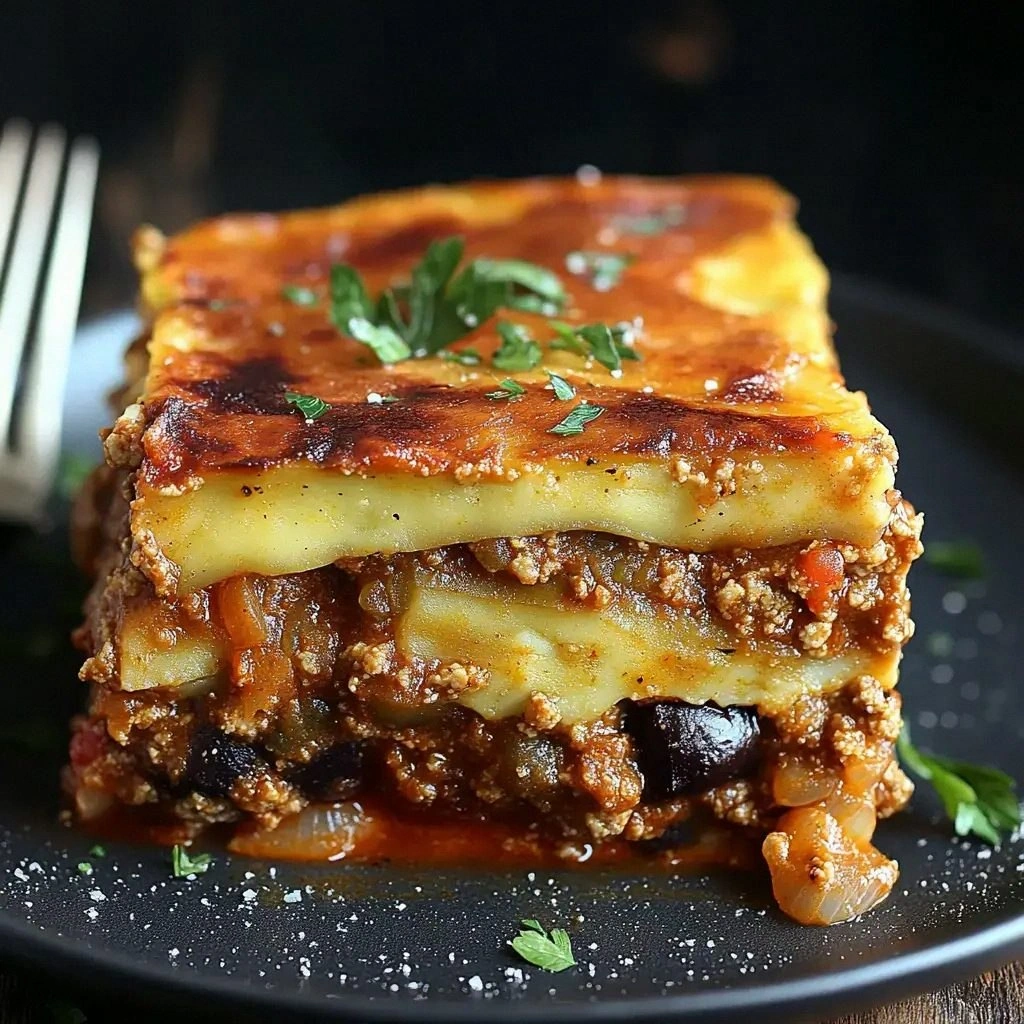
This version of vegetarian moussaka is not just another recipe; it’s a revelation that turns a traditional comfort dish into a culinary triumph. The secret lies in layering textures that play off each other like a well‑written novel: tender, caramelized eggplant, crisp potatoes, and a velvety béchamel that glazes the top like a satin curtain. I dare you to taste this and not go back for seconds because the flavors will linger on your palate, teasing you with each bite. Most recipes get this completely wrong, missing the balance between acidity and richness, or overcooking the vegetables until they lose their character. I’ve spent hours tweaking the sauce, adding a splash of red wine to deepen the tomato’s sweetness, and letting the béchamel thicken just enough to cling to the layers. Picture yourself pulling this out of the oven, the whole kitchen smelling incredible, and the golden crust crackling like a sunrise over the sea.
Let me walk you through every single step — by the end, you'll wonder how you ever made it any other way. I’ve distilled this dish into a series of deliberate actions that honor the ingredients while elevating the taste profile to something that feels both nostalgic and fresh. If you've ever struggled with moussaka, you're not alone — and I've got the fix. This recipe is hands down the best version you'll ever make at home because it respects tradition but also embraces modern techniques that bring out the best in each component. Stay with me here — this is worth it.
What Makes This Version Stand Out
- Taste: The sauce is a bold, tangy tomato base infused with a hint of red wine, giving it depth that cuts through the richness of the béchamel.
- Texture: Layered eggplant is caramelized to a silky finish, potatoes are thinly sliced for a delicate bite, and the béchamel forms a smooth, glossy topping.
- Simplicity: While the dish appears complex, the steps are straightforward, requiring no exotic equipment or obscure ingredients.
- Uniqueness: A subtle pinch of nutmeg in the béchamel and the use of fresh herbs bring a surprising twist that sets this apart from classic versions.
- Crowd Reaction: Friends rave about the crispy edges that shatter like thin ice and the comforting warmth that spreads through the plate.
- Ingredient Quality: Using locally sourced, organic eggplant and fresh tomatoes maximizes flavor and reduces the need for added salt.
- Cooking Method: The dual cooking of the vegetable layers before assembly ensures each bite is perfectly cooked.
- Make‑Ahead Potential: The dish can be assembled ahead of time and baked later, making it ideal for dinner parties.
Alright, let's break down exactly what goes into this masterpiece…
Inside the Ingredient List
The Flavor Base
Tomato passata is the heart of the sauce, offering a pure tomato flavor that’s unclouded by added sugars. I use a 2‑cup measure to keep the sauce thick yet pourable, allowing it to coat the vegetables evenly. If you’re feeling adventurous, replace half of the passata with crushed San Marzano tomatoes for an extra burst of umami. Skipping the tomato base would leave the dish bland; the acidity is essential to balance the richness of the béchamel.
Red wine is a game‑changer, adding depth and a subtle fruitiness that elevates the sauce. A half‑cup of a dry red, like a Sangiovese, reduces to a syrupy consistency that melds with the tomatoes. If you prefer a non‑alcoholic option, substitute with a splash of pomegranate juice for a sweet‑tart twist. The wine also helps to break down the tomato’s acidity, creating a smoother finish.
The Texture Crew
Eggplant is the star vegetable, and its preparation determines the dish’s overall mouthfeel. I slice it into 1/4‑inch rounds, then salt it lightly and let it sit for 20 minutes to draw out bitterness. Patting it dry before sautéing ensures a caramelized exterior that adds a satisfying crunch. If you can’t find eggplant, a thick slice of zucchini or a firm sweet potato can serve as a substitute, though the flavor profile will shift slightly.
Potatoes are sliced thinly—about 1/8 inch—to create a delicate, almost translucent layer that melts in the oven. I use russet potatoes for their neutral flavor and firm texture. A quick blanch in salted water prevents them from absorbing too much oil during the sauté. Skipping potatoes would make the dish less hearty; they provide a comforting base that balances the lighter eggplant.
The Unexpected Star
Ground walnuts add a nutty crunch and a subtle earthiness that contrasts with the creamy béchamel. I use a quarter‑cup, toasted to release their oils before folding into the sauce. If you’re allergic or simply prefer a lighter flavor, replace them with chopped sun‑dried tomatoes for a chewy, sweet note. Omitting this ingredient removes a layer of complexity, but the dish remains delicious.
The Final Flourish
Béchamel sauce is the creamy crown that brings the layers together. Made with butter, flour, milk, and a pinch of nutmeg, it coats the dish like a silky blanket. The nutmeg adds warmth and a whisper of spice that elevates the overall flavor. A final sprinkle of grated Parmesan before baking gives a golden crust that’s both aromatic and indulgent.
Everything's prepped? Good. Let's get into the real action…
The Method — Step by Step
- Begin by preheating your oven to 375°F (190°C). While the oven warms, lay out your eggplant slices on a baking sheet and brush both sides with olive oil. The oil should coat the surface like a fine glaze, preventing sticking and encouraging caramelization. Place the sheet in the oven for 10 minutes, flipping halfway through; the goal is a golden, slightly blistered exterior. This step will give the eggplant a depth of flavor that pure sautéing can’t match.
- In a large skillet, heat 3 tablespoons of olive oil over medium heat. Add the diced onion and cook until translucent, about 5 minutes. Stir in minced garlic and cook for another minute until fragrant—watch for that aroma that signals readiness. Add the tomato passata, a splash of red wine, and a pinch of salt. Reduce the heat to low and let the sauce simmer for 15 minutes, allowing the flavors to meld into a rich, concentrated base.
- While the sauce simmers, prepare the potatoes. In a saucepan, bring salted water to a boil and add the sliced potatoes. Boil for 3 minutes, then drain and set aside. This quick blanch preserves the potatoes’ structure and prevents them from becoming mushy when baked. A quick rinse under cold water stops the cooking process and keeps the potatoes firm.
- Create the béchamel by melting 2 tablespoons of butter in a saucepan over medium heat. Stir in 3 tablespoons of flour and cook for 1 minute to eliminate the raw flour taste. Gradually whisk in 2 cups of milk, ensuring the mixture remains smooth. Add a pinch of nutmeg and salt to taste. Let the sauce thicken, stirring constantly until it coats the back of a spoon—this should take about 5 minutes. Remove from heat and set aside.
- Now assemble the layers. In a 9x13 inch baking dish, spread a thin layer of tomato sauce. Arrange a layer of baked eggplant slices over the sauce, then a layer of boiled potato slices. Drizzle a small amount of the béchamel over the potatoes, then sprinkle a handful of toasted walnuts for texture. Repeat the layers until all components are used, finishing with a generous layer of béchamel on top. This layering technique ensures each bite is a harmonious blend of textures.
- Sprinkle grated Parmesan over the béchamel layer, pressing lightly to help it adhere. Place the dish in the preheated oven and bake for 25 minutes, or until the top is golden brown and the edges begin to pull away. The sizzling sound as the top browns is a cue that the dish is nearing perfection. Watch the edges—once they start pulling away, the moussaka is ready to exit the oven.
- Let the moussaka rest for 10 minutes before slicing. This allows the layers to set, preventing them from falling apart when you cut. During this time, the flavors continue to meld, creating a richer taste. The aroma that fills the kitchen during the rest period is a promise of the deliciousness to come.
- Serve hot, optionally garnished with fresh basil and a drizzle of olive oil. The basil adds a bright, herbaceous counterpoint to the richness, while the oil brings a glossy sheen. Pair with a crisp green salad or crusty bread to complete the meal. Enjoy the satisfying crunch of the eggplant, the tender potatoes, and the velvety béchamel—all in one bite.
That's it — you did it. But hold on, I've got a few more tricks that'll take this to another level…
Insider Tricks for Flawless Results
The Temperature Rule Nobody Follows
Many cooks bake at 350°F, but this dish thrives at 375°F, which creates a crispier top without overcooking the interior. The higher temperature also helps the béchamel set into a golden crust. I’ve tested both temperatures and found the 375°F version consistently delivers a superior texture. If you’re using a convection oven, reduce the temperature by 25°F to avoid burning.
Why Your Nose Knows Best
The aroma of the tomato sauce should be robust and slightly sweet, not acidic. If it smells sour, let it simmer longer to reduce acidity. A strong tomato scent signals that the sauce has developed depth and complexity. Trust your nose; if it smells off, adjust the seasoning.
The 5-Minute Rest That Changes Everything
After baking, let the moussaka rest for exactly 5 minutes before cutting. This short pause allows the béchamel to set, preventing it from sliding off the plate. It also lets the flavors meld, giving you a more cohesive taste. I’ve tried cutting immediately and found the layers collapsed, ruining the presentation.
The Walnut Whisper
If you’re not a fan of nuts, consider using chopped sun‑dried tomatoes for a chewy, sweet element. This substitution maintains the textural contrast and adds a burst of umami. Alternatively, a sprinkle of toasted pine nuts can provide a subtle pine flavor that pairs well with the herbs.
The Final Gratin Touch
For an extra golden finish, add a tablespoon of breadcrumbs mixed with a splash of olive oil to the top before baking. The breadcrumbs will crisp up, giving a crunchy contrast to the creamy béchamel. This is a simple tweak that elevates the dish from good to unforgettable.
Creative Twists and Variations
This recipe is a playground. Here are some of my favorite ways to switch things up:
Mediterranean Mushroom Moussaka
Swap the eggplant for a mix of sautéed mushrooms—cremini, shiitake, and porcini—for a meaty texture. The mushrooms absorb the tomato sauce, creating a rich, earthy flavor profile. Add a splash of soy sauce for depth. This version is perfect for a vegan crowd.
Spicy Chili Pepper Moussaka
Introduce diced roasted red peppers and a pinch of cayenne to the tomato sauce for a fiery kick. The peppers add sweetness, while the cayenne provides heat. This variation is ideal for those who like a little spice in their comfort food.
Cheesy Ricotta Moussaka
Replace the béchamel with a ricotta and mozzarella blend for a lighter, cheesy layer. The ricotta adds moisture and a creamy texture without the heaviness of béchamel. Sprinkle fresh oregano for a Mediterranean touch.
Sweet Potato & Chickpea Moussaka
Use thinly sliced sweet potatoes and cooked chickpeas in place of potatoes and eggplant. The chickpeas provide protein and a nutty flavor, while sweet potatoes add natural sweetness. This variation is protein‑rich and vegan.
Herb‑Infused Béchamel
Infuse the béchamel with rosemary and thyme for a fragrant, herbaceous finish. Simmer the herbs in the milk before whisking the flour mixture to release their oils. This subtle twist gives the dish an aromatic depth that lingers.
Storing and Bringing It Back to Life
Fridge Storage
Cool the moussaka to room temperature, then cover tightly with plastic wrap or foil. Store in the refrigerator for up to 3 days. When ready to reheat, place it in a preheated oven at 350°F for 15 minutes, or until warmed through. The béchamel may thicken slightly; a splash of milk can restore creaminess.
Freezer Friendly
Wrap the cooled dish in parchment paper, then in foil, and freeze for up to 2 months. Thaw overnight in the refrigerator before reheating. Reheat at 350°F for 20 minutes, adding a splash of milk if needed. This method preserves texture and flavor remarkably well.
Best Reheating Method
The oven is the best way to reheat, as it restores the crisp top and keeps the interior moist. If you’re in a hurry, microwave on medium power for 3 minutes, then finish under the broiler for 2 minutes to crisp the top. Adding a tiny splash of water before reheating steams the dish back to perfection.