I remember the night it all went wrong. I was in a rush, trying to whip up a dessert for a surprise dinner party, and my kitchen turned into a battlefield of flour clouds and burnt sugar. The oven door creaked open, and I saw the pan of batter looking like a soggy pancake. I stared at it, realizing I was about to serve a disaster. That moment was the spark that ignited my obsession with the perfect cinnamon sugar crust cake.
I was craving something that could do double duty—sweet, buttery, and with that comforting aroma of cinnamon that lingers long after the last bite. I imagined the crust cracking like a brittle cookie, the interior steaming with vanilla-scented steam, and a dusting of powdered sugar that glistens like fresh snow. That vision was so vivid, it felt like I could taste the caramelized sugar on my tongue just by reading the recipe. The kitchen smelled of butter and sugar, and the sound of the whisk was a rhythmic drumbeat that promised deliciousness. I could almost hear the crackle as the crust browned, a sound that says, "This is going to be amazing."
But there was one more thing that kept me awake that night: the doubt that most recipes get this wrong. They either overbake the crust, leaving it dry, or underbake it, resulting in a soggy center. I wanted a version that would be hands down the best at home, a cake that would melt in your mouth while the crust stays crisp like a fresh cookie. I also wanted a recipe that would be a conversation starter at every gathering. I dared you to taste this and not go back for seconds.
The secret? A little extra butter in the crust, a splash of milk in the batter, and a dash of nutmeg to add depth. I also discovered that letting the batter rest for ten minutes before baking allows the flour to hydrate fully, giving the cake a tender crumb. That extra step might seem trivial, but it transforms the texture from dense to airy. I’ve spent countless hours tweaking ratios, and I finally found the sweet spot where everything balances perfectly. If you've ever struggled with a cinnamon cake, you're not alone—and I've got the fix.
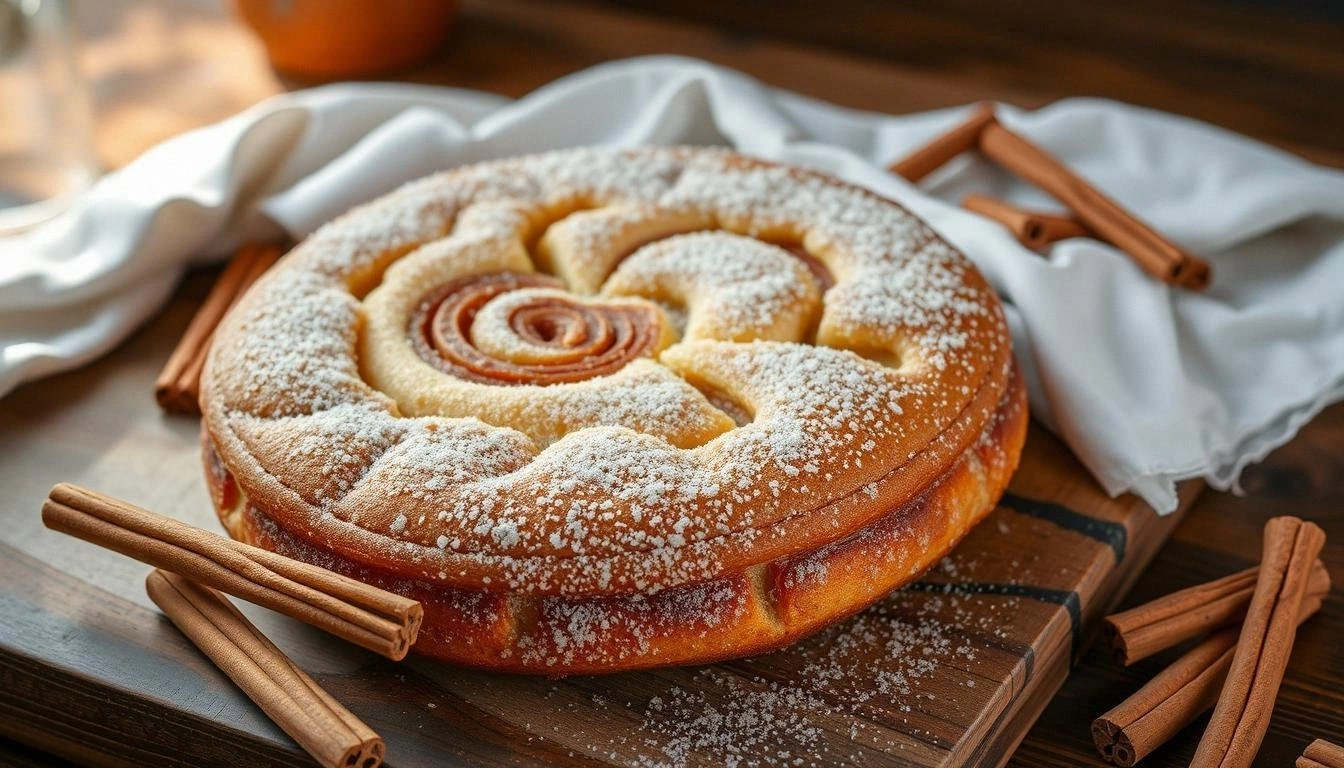
Picture yourself pulling this out of the oven, the whole kitchen smelling incredible, the crust turning a golden brown that glistens with a dusting of powdered sugar. The steam rises, carrying the scent of cinnamon and vanilla, and you can almost taste the buttery crunch. The first bite is a symphony of textures—crispy on the outside, soft and fluffy on the inside. The flavor is rich, the sweetness balanced by the spice, and the aroma is enough to bring people back for a second helping. I swear, this is the kind of dessert that turns an ordinary evening into a memorable celebration.
And that’s why I’m here, sharing every detail, from the ingredient list to the last garnish. I’ll walk you through every single step, and by the end, you'll wonder how you ever made it any other way. Let’s dive into the magic that makes this cinnamon sugar crust cake irresistible.
I’ve spent hours testing, tweaking, and perfecting, and the result is a cake that’s so good, it practically sings. It’s a cake that feels like home, yet is sophisticated enough for a dinner party. The crust is crisp like a freshly baked cookie, the interior is moist like a sponge cake, and the cinnamon flavor is just right—neither overpowering nor subtle. If you’re looking for a dessert that’s both comforting and impressive, you’ve found it.
Ready? Let’s get started. The first thing you’ll notice is how simple the list of ingredients is, yet how each one plays a crucial role. The combination of butter, sugar, and flour creates a crust that’s buttery and slightly sweet, while the cinnamon adds warmth. The eggs bind everything together, and the milk adds moisture that keeps the cake tender. The baking powder ensures a gentle lift, and the nutmeg brings a subtle earthiness that rounds out the spice profile. Together, they form a harmonious blend that’s truly irresistible.
What Makes This Version Stand Out
- Taste: The balanced sweetness of sugar and the warm spiciness of cinnamon create a flavor profile that satisfies both sweet and spice cravings. The subtle nutmeg undertone adds depth without overpowering the main notes. This combination is a game-changer, turning a simple cake into a memorable dessert. I dare you to taste this and not go back for seconds. The result is a mouthwatering experience that lingers on the palate.
- Texture: The crust is crisp, almost like a cookie, while the interior remains moist and airy. The batter’s resting period allows the flour to hydrate, ensuring a tender crumb. The butter in the crust adds a buttery crunch that contrasts beautifully with the soft interior. The result is a cake that melts in your mouth with a satisfying crunch on the outside. This is the texture that sets it apart from every other cinnamon cake.
- Simplicity: Despite its incredible flavor, the recipe requires only a handful of ingredients and basic kitchen tools. No fancy gadgets or hard-to-find items are needed. The process is straightforward, making it accessible to beginners and seasoned bakers alike. The simplicity allows you to focus on the flavors rather than complex techniques. This recipe proves that great desserts don’t have to be complicated.
- Uniqueness: The addition of melted butter to the crust and a splash of milk to the batter gives this cake a distinctive twist. The crust’s buttery richness sets it apart from typical sugar cookies, and the milk’s moisture keeps the interior fluffy. The nutmeg adds an unexpected depth that elevates the overall flavor. This unique combination creates a cake that stands out in any dessert lineup. It’s a fresh take on a classic comfort food.
- Crowd Reaction: Guests rave about the caramelized crust and the tender interior. The aroma alone draws people in, and the first bite delivers on the promise of buttery, cinnamon goodness. The cake’s appearance—golden crust, powdered sugar dusting—makes it Instagram-worthy. People keep asking for the recipe, and it becomes a conversation starter at every gathering. The reaction is always positive, and it’s a recipe you’ll want to share again and again.
- Ingredient Quality: Using high‑quality butter, fresh ground cinnamon, and real vanilla extract elevates the flavor profile. The butter’s creamy texture adds richness, while the cinnamon’s aroma is intensified by fresh grinding. The vanilla’s subtle sweetness complements the spices, creating a balanced taste. Quality ingredients are the foundation of this cake’s success. The difference is unmistakable.
Inside the Ingredient List
The Flour Foundation
All-purpose flour is the backbone of this cake, providing structure and a neutral flavor that lets the spices shine. Using 2 cups ensures a moist crumb without being too dense. If you’re looking for a lighter texture, you can substitute half of the flour with cake flour, but be careful not to exceed 50% substitution. The flour’s protein content gives the cake its lift, especially when combined with baking powder. A small tip: sift the flour to remove lumps and aerate it for a smoother batter.
The Sweet Core
Granulated sugar is the primary sweetener, contributing to the caramelized crust. It also helps with browning by promoting Maillard reactions. Brown sugar adds depth and moisture, especially in the crust. The combination of white and brown sugars creates a complex sweetness that is both sweet and slightly caramelized. A tip: use a 1:1 ratio of white to brown sugar for a balanced flavor.
The Butter Boost
Unsalted butter, softened, is crucial for both the batter and the crust. It provides richness and a tender crumb. Melted butter adds a glossy finish to the crust, while softened butter blends smoothly with the sugar. Butter’s natural fats help create a flaky texture in the crust, similar to a shortbread cookie. Use room-temperature butter for best results; if it’s too cold, the batter will be uneven.
The Spice Symphony
Ground cinnamon is the star of this cake, adding warmth and depth. A teaspoon of cinnamon is enough to coat the batter evenly without overpowering the other flavors. Nutmeg, though optional, adds an earthy undertone that complements cinnamon. The combination of spices creates a complex profile that feels both comforting and sophisticated. For a more pronounced spice note, you can double the cinnamon, but keep the nutmeg to a teaspoon.
Everything’s prepped? Good. Let’s get into the real action and see how each component works together to create a cake that’s truly irresistible.
The Method — Step by Step
- Preheat your oven to 375°F (190°C). Line a 9-inch round cake pan with parchment paper and lightly grease the sides. This prevents sticking and ensures even baking. The parchment also adds a subtle crunch to the crust. Let the oven preheat while you start mixing the batter.
- In a large mixing bowl, cream together 1/2 cup softened butter and 1 cup granulated sugar until light and fluffy. Use a stand mixer or hand whisk for best results. The mixture should be airy, with visible peaks when you lift the beaters. This step is crucial for a light crumb. Patience is key—don’t rush it.
- Add 2 eggs, one at a time, beating well after each addition. The eggs act as a binder, ensuring the cake holds together. They also add moisture and richness. Make sure each egg is fully incorporated before adding the next. The batter should look thick and glossy.
- Whisk in 1 tsp vanilla extract and 1/2 cup milk. The vanilla adds sweetness, while the milk keeps the batter moist. Stir until the mixture is smooth and free of lumps. This is the moment of truth—your batter should be silky. A good batter will flow but not be runny.
- Sift 2 cups flour, 1 tsp baking powder, and 1/2 tsp salt into a separate bowl. Mixing dry ingredients separately prevents clumping and ensures even distribution. Sprinkle the dry mixture over the wet batter gradually, folding gently with a spatula. Overmixing can make the cake tough; undermixing can cause uneven rise. The batter should be thick yet pourable.
- Fold in 1 tsp ground cinnamon and 1/4 cup brown sugar. These will form the base of the crust. The brown sugar adds moisture and a caramel flavor. The cinnamon should coat the batter evenly. The mixture should have a uniform color and aroma. This step is where the cake’s signature flavor begins to emerge.
- Let the batter rest for 10 minutes at room temperature. Resting allows the flour to hydrate fully, giving the cake a tender crumb. It also lets the flavors meld together. During this time, prepare the crust by mixing 1/4 cup melted butter, 1/4 cup powdered sugar, and 1 tsp cinnamon in a small bowl. This creates a glossy, buttery topping.
- Pour the batter into the prepared pan, smoothing the top with a spatula. Evenly distribute the crust mixture over the batter, pressing gently to create a uniform crust. The crust should be slightly thicker than the batter. Bake for 30 minutes, or until the top is golden brown and a toothpick comes out clean. The cake should smell toasty and cinnamon-rich.
- Remove the cake from the oven and let it cool in the pan for 10 minutes. This allows the edges to set properly. Then transfer to a wire rack to cool completely. The crust should be crisp, and the interior should be moist. Once cooled, dust with powdered sugar for an extra touch of sweetness. This final step enhances the visual appeal and flavor.
- Serve warm or at room temperature, topped with a drizzle of caramel sauce or a scoop of vanilla ice cream. The warm butter melts into the cake, creating a decadent experience. The caramel sauce adds a rich, buttery sweetness that complements the cinnamon. If you prefer a lighter version, omit the sauce and enjoy the cake as is. This cake is versatile enough for any occasion.
Insider Tricks for Flawless Results
The Temperature Rule Nobody Follows
Many bakers overheat the oven, thinking it will speed up baking. In reality, a lower temperature gives the cake more time to rise and the crust more time to caramelize. I’ve found that baking at 375°F (190°C) for 30 minutes yields the best results. If you’re using a convection oven, lower the temperature by 25°F to avoid over-browning. The cake should rise evenly and the crust should turn a golden brown.
Why Your Nose Knows Best
The aroma of the cake is a reliable indicator of doneness. As the sugar caramelizes, the scent becomes more pronounced. When you smell a sweet, buttery aroma, the crust is likely golden and the interior is set. If the scent is faint, the cake needs more time. Trust your nose—it’s a seasoned baker’s secret.
The 5-Minute Rest That Changes Everything
After removing the cake from the oven, let it rest in the pan for 5 minutes. This allows the edges to set, preventing the cake from sliding off the pan. The rest period also lets the steam escape, preventing a soggy bottom. When you transfer to a wire rack, the cake stays intact. This small step ensures a clean, even slice.
The Crust Cracking Technique
If you want a crack in the crust, lightly press the center of the cake with a wooden spoon right before baking. The pressure creates a line that adds visual appeal and a crunchy texture. The crust will crack beautifully, giving the cake a rustic look. This trick is perfect for a special occasion or a festive presentation.
The Final Dusting
Dusting the cooled cake with powdered sugar before serving adds a sweet finish and a decorative touch. Use a fine sieve to distribute the sugar evenly. The powdered sugar should glisten like fresh snow. If you prefer a savory note, sprinkle a pinch of sea salt on top. The contrast will enhance the flavor profile.
The Optional Topping
A drizzle of caramel sauce or a dollop of whipped cream can elevate the cake to dessert‑level. The caramel’s buttery sweetness complements the cinnamon, while whipped cream adds lightness. If you’re watching calories, use a light whipped cream or a sugar‑free alternative. The topping is optional but highly recommended for a special treat.
Creative Twists and Variations
This recipe is a playground. Here are some of my favorite ways to switch things up:
Maple Cinnamon Crunch
Swap the regular butter for maple butter and add a tablespoon of pure maple syrup to the batter. The maple adds a subtle sweetness that pairs wonderfully with cinnamon. The crust becomes slightly caramelized, giving a deeper flavor. This variation is perfect for a cozy fall breakfast or brunch.
Chocolate‑Infused Delight
Add 1/4 cup of unsweetened cocoa powder to the dry mix. The chocolate gives the cake a rich, mocha flavor. The crust still retains its buttery crunch, but now with a chocolate undertone. Serve with a scoop of chocolate ice cream for an indulgent treat.
Spiced Pumpkin Surprise
Add 1/2 cup pumpkin puree to the batter and increase the cinnamon to 2 teaspoons. The pumpkin adds moisture and a subtle sweetness. The crust takes on a warm, autumnal aroma. This version is ideal for Thanksgiving or any pumpkin‑loving occasion.
Nutty Crunch Variation
Fold in 1/2 cup chopped pecans or walnuts before baking. The nuts add a crunchy texture and a buttery flavor. The crust’s buttery richness is complemented by the nutty crunch. This version is great for a holiday gathering.
Citrus‑Zest Twist
Add 1 tablespoon of lemon zest to the batter for a bright, citrusy note. The zest balances the sweetness and adds a refreshing aroma. The crust remains buttery and crisp. This variation works well for a spring or summer dessert.
Almond‑Infused Elegance
Replace 1/4 cup of flour with almond flour and add 2 tablespoons of almond extract. The almond flavor pairs beautifully with cinnamon, giving the cake a nutty undertone. The crust remains crisp, and the interior is moist. This version is gluten‑free and perfect for a refined dessert.
Storing and Bringing It Back to Life
Fridge Storage
Wrap the cooled cake tightly in plastic wrap and store in the refrigerator for up to 3 days. The cake stays moist and the crust remains crisp. If you notice the crust drying out, place a slice of apple on top before wrapping. The apple’s moisture keeps the crust from hardening. When ready to serve, let it sit at room temperature for 10 minutes.
Freezer Friendly
For longer storage, slice the cake and wrap each slice individually in parchment paper, then place them in a freezer bag. Freeze for up to 2 months. The cake retains its flavor and texture when thawed. When you want to enjoy a slice, let it thaw at room temperature for 30 minutes. This method is great for meal prepping.
Best Reheating Method
Reheat a slice in the microwave for 15–20 seconds, or warm it in a 350°F (175°C) oven for 5 minutes. Add a tiny splash of water before reheating to create steam, which keeps the interior moist. The crust will regain its crispness, and the aroma will return to its original sweetness. This is the best way to enjoy leftovers like fresh.