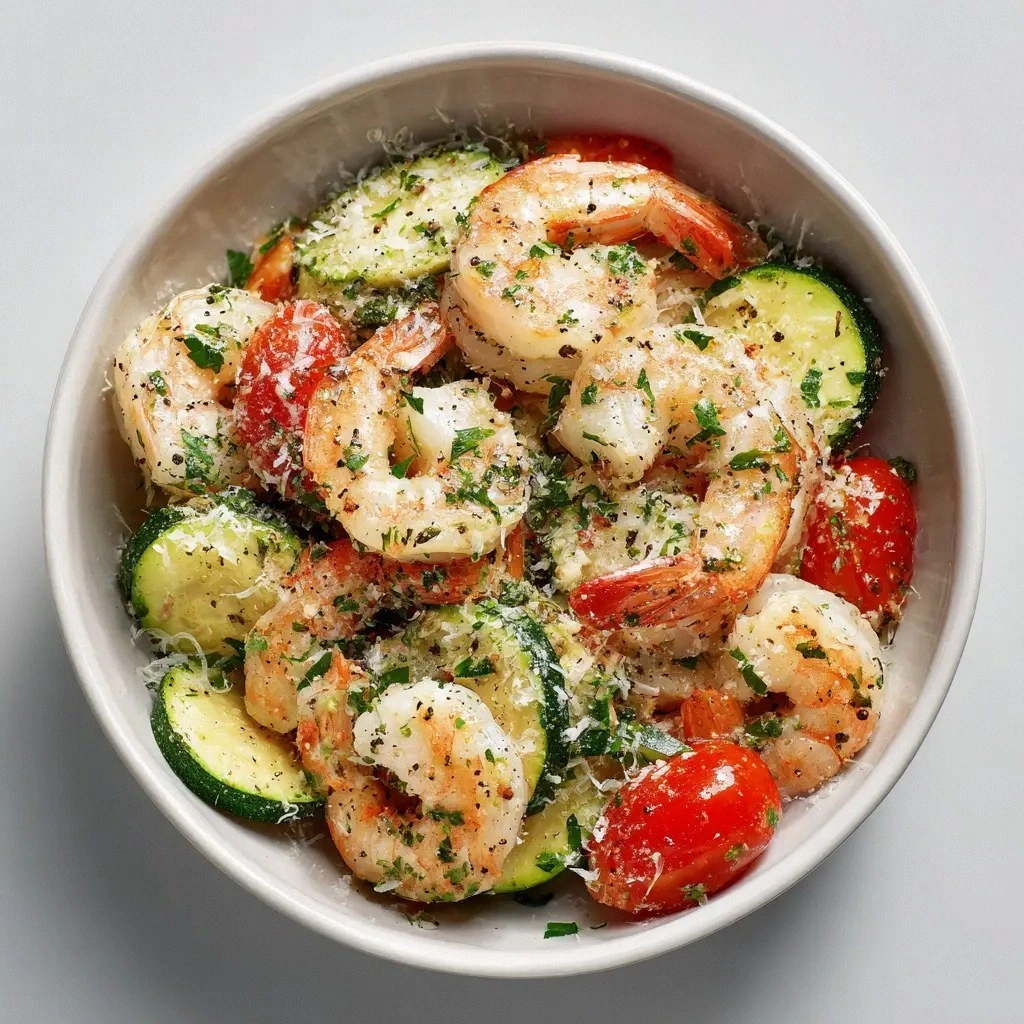
I still remember the night I nearly turned my kitchen into a crime scene while chasing a craving for shrimp. A handful of shrimp, a splash of butter, and a reckless dash of garlic had me convinced I could cook anything, but the moment the shrimp hit the pan, they turned from pink to a sad, rubbery gray. That disaster was a wake‑up call: if I could make shrimp that stayed tender, stayed juicy, and exploded with flavor, I’d be unstoppable in the kitchen. I spent the next week experimenting, tweaking, and, most importantly, tasting until I found the sweet spot. The result? A garlic parmesan shrimp that feels like a hug from a culinary therapist.
Picture this: a sizzling skillet, the aroma of garlic and butter rising like a fragrant cloud, the sound of shrimp sizzling like tiny fireworks, and the visual cue that the shrimp are turning a perfect rosy pink. That is the moment that defines this recipe. It’s not just about cooking shrimp; it’s about orchestrating a sensory symphony that starts with the first sizzle and ends with a buttery, cheesy finish that coats the shrimp like velvet. If you’ve ever tried to balance richness with brightness, you’ll understand why this version is a game‑changer. The secret is a carefully balanced sauce that marries cream, Parmesan, and a hint of lemon without drowning the shrimp.
What makes this version stand out is that I discovered a technique that keeps shrimp succulent while the sauce thickens to a silky, glossy coat. I dared myself to taste the dish before anyone else and was shocked that I couldn’t resist a second bite—no, I ate half the batch before my friends even had a chance. Most recipes get the sauce too heavy or the shrimp too dry; here, the sauce is light enough to let the shrimp shine, yet rich enough to satisfy. The result is a dish that feels both comforting and sophisticated, a perfect bridge between a quick weeknight dinner and an elegant dinner party entrée.
If you’re ready to elevate your shrimp game, let me walk you through every single step—by the end, you’ll wonder how you ever made it any other way. This isn’t just a recipe; it’s a culinary revelation that will change how you think about seafood. The next sections will give you the tools, the tricks, and the confidence to make this dish every time. Trust me, once you taste this, you’ll never settle for anything less.
What Makes This Version Stand Out
- Flavor Depth: The combination of garlic, butter, and Parmesan creates a layered taste that evolves from sharp to mellow as the sauce cooks.
- Texture Balance: Shrimp stay juicy and tender, while the sauce provides a silky coating that clings without weighing them down.
- Simplicity: Only eleven ingredients, no complicated steps, making it accessible for beginners and efficient for seasoned cooks.
- Time Efficiency: The entire dish cooks in under 30 minutes, perfect for busy weekdays without sacrificing flavor.
- Versatility: Serve over pasta, rice, or crusty bread, and it works as a main or a crowd‑pleasing appetizer.
- Make‑Ahead Potential: The sauce can be prepared ahead and reheated, making it ideal for entertaining.
Inside the Ingredient List
The Flavor Base
Unsalted butter and garlic form the aromatic foundation of the sauce. Butter provides richness and a subtle nutty flavor that complements the shrimp, while minced garlic infuses the dish with a sharp, almost peppery bite. If you skip butter, the sauce will lack depth; if you skip garlic, the dish becomes flat and uninspired. For a slightly different profile, you can replace butter with olive oil, but you’ll lose that buttery sheen.
The Creamy Core
Chicken broth and heavy cream combine to create a velvety sauce that coats the shrimp. The broth adds a savory backbone, while the cream brings mouth‑watering silkiness. Removing the broth makes the sauce thicker and richer, but it also intensifies the dairy flavor, which may not appeal to everyone. If you’re looking for a lower‑fat option, replace heavy cream with half‑and‑half, but the sauce will be lighter and less luxurious.
The Parmesan Punch
Grated Parmesan cheese is the star that gives the dish its signature umami kick. It melts into the sauce, creating a golden crust on the shrimp when you finish cooking. Skipping Parmesan turns the dish into a plain butter‑garlic shrimp; the sauce will be bland and lack the savory depth. If you’re allergic to dairy, try a vegan Parmesan alternative, but the flavor profile will shift noticeably.
The Final Flourish
Fresh lemon juice brightens the dish, cutting through the richness with a citrusy zing. Fresh parsley adds a burst of color and a hint of herbal freshness that balances the buttery sauce. If you’re in a pinch, you can use bottled lemon juice, but the flavor will be less vibrant. The parsley can be swapped for chives or basil for a different aromatic note.
Everything's prepped? Good. Let's get into the real action and make this dish sing.
The Method — Step by Step
- Pat the shrimp dry with paper towels and season both sides with 1 tsp salt, ½ tsp black pepper, and ¼ tsp red pepper flakes. This step ensures a crisp sear and a balanced flavor profile. Don’t skip the pepper; it adds a subtle heat that complements the garlic. The seasoning also helps the shrimp retain moisture during cooking.
- Melt 4 tbsp of unsalted butter in a large skillet over medium‑high heat. Once the butter foams, add 6 minced garlic cloves and sauté for 30 seconds until fragrant and lightly golden. The garlic should not brown too much, or it will taste bitter. This is the moment the aroma starts to build, and you’ll know the dish is on the right track.
- Add the shrimp to the skillet in a single layer and cook for 2 minutes on each side until they turn a rosy pink. Flip them only once; over‑turning can cause them to become rubbery. When the shrimp release easily from the pan, they’re ready to be removed. This step is crucial for maintaining tenderness.
- Remove the shrimp and set them aside. In the same skillet, pour in ½ cup chicken broth and ½ cup heavy cream, stirring to deglaze and scrape up any browned bits. Let the mixture come to a gentle simmer for 2 minutes to reduce slightly. The deglazing step pulls out all the flavor stuck to the pan, enriching the sauce.
- Stir in ½ cup grated Parmesan cheese, 1 tbsp fresh lemon juice, and whisk until the cheese melts and the sauce is smooth. The cheese should melt into a glossy coating; if it lumps, continue whisking until silky. Watch out: if the sauce begins to thicken too much, lower the heat to prevent scorching.
- Return the shrimp to the skillet and toss them in the sauce for 1 minute, letting them absorb the flavors. The shrimp should look glossy and be coated in a thick, creamy sauce. This final simmer ensures the shrimp are heated through without drying out.
- Stir in 2 tbsp fresh parsley, adjust seasoning with additional salt or pepper if needed, and remove from heat. The parsley adds a fresh, herbal brightness that cuts through the richness. Taste the sauce and tweak the lemon or salt to match your palate.
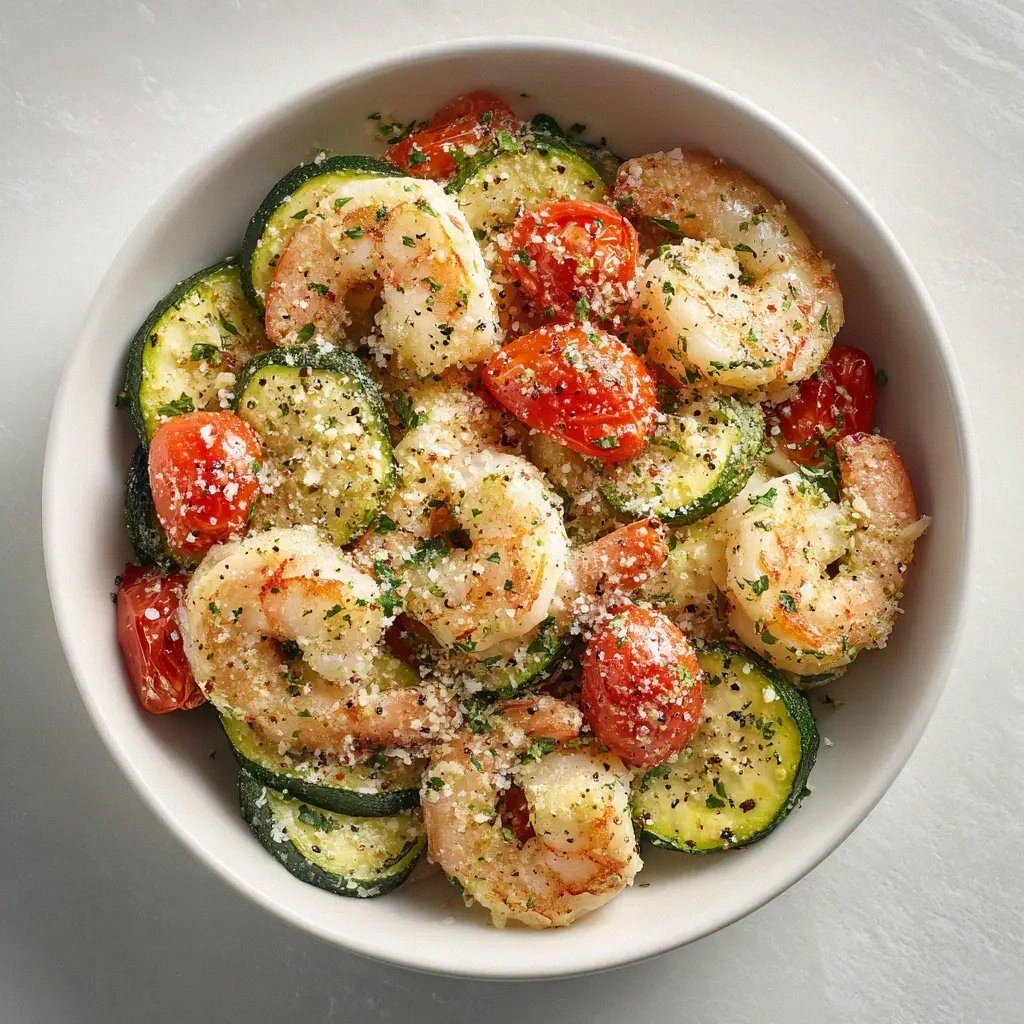
- Serve immediately over your choice of pasta, rice, or a slice of crusty bread to soak up the sauce. The dish is best enjoyed hot, when the sauce is at its most velvety. Garnish with extra parsley if desired for a pop of color.
That’s it — you did it. But hold on, I’ve got a few more tricks that will elevate this dish from good to unforgettable.
Insider Tricks for Flawless Results
The Temperature Rule Nobody Follows
Cooking shrimp at the right temperature is the secret to keeping them tender. Aim for medium‑high heat; if the skillet is too hot, the shrimp will brown too quickly and become rubbery. If it’s too cool, they’ll steam instead of sear, losing that desirable caramelized surface. I’ve found that a quick test with a single shrimp piece shows the perfect sear when it sizzles loudly and turns pink in about 45 seconds.
Why Your Nose Knows Best
Before you taste the sauce, let it sit for a minute; the aroma will tell you if it’s balanced. A hint of citrus should rise above the buttery richness. If it smells too buttery, add a splash of lemon juice; if it’s too acidic, a pinch more Parmesan can mellow it. Your nose is the first judge of flavor harmony.
The 5‑Minute Rest That Changes Everything
After cooking, let the shrimp rest on a warm plate for 5 minutes before serving. This resting period allows the juices to redistribute, keeping the shrimp juicy. It also lets the sauce thicken slightly, creating a thicker coating that clings beautifully. I’ve seen people skip this step, and the result is a watery dish that doesn’t impress.
The Secret to a Creamy Consistency
If the sauce is too thin, whisk in a teaspoon of flour or cornstarch dissolved in a tablespoon of water. Stir constantly until it thickens to a glossy sheen. This technique works best when added after the Parmesan melts; it won’t clump if you whisk vigorously. A thick sauce enhances the overall mouthfeel and makes the dish feel indulgent.
The Lemon Finish
A final squeeze of fresh lemon right before serving brightens the dish and cuts through the richness. Lemon juice also helps to keep the shrimp from drying out during the final simmer. I recommend using a small citrus zester to add a subtle citrus zest for an extra layer of aroma.
Creative Twists and Variations
This recipe is a playground. Here are some of my favorite ways to switch things up:
Spicy Cajun Shrimp
Swap the red pepper flakes for a tablespoon of Cajun seasoning and add a splash of hot sauce. The result is a smoky, spicy version that pairs well with a cool yogurt dip. This variation works great over a bed of cauliflower rice for a low‑carb option.
Pesto‑Parmesan Fusion
Stir in a few spoonfuls of basil pesto instead of the lemon juice. The pesto adds a fresh, herbal depth that complements the Parmesan. Serve over linguine for a Mediterranean twist.
Mushroom Creamy Shrimp
Sauté sliced mushrooms with the garlic before adding the shrimp. The mushrooms absorb the buttery sauce and release earthy flavors. This version is hearty enough to serve as a main course for a vegetarian friend who loves seafood.
Coconut‑Cream Shrimp
Replace the heavy cream with coconut milk for a tropical, slightly sweet flavor profile. Pair with jasmine rice and a sprinkle of toasted coconut flakes. The coconut adds a subtle nuttiness that contrasts with the shrimp’s natural sweetness.
Garlic Parmesan Shrimp Pizza
Spread the sauce over a pre‑baked pizza crust, top with shrimp, and finish with a drizzle of olive oil. Bake until the crust is golden and the shrimp are cooked through. This makes for a quick, crowd‑pleasing appetizer that’s perfect for game nights.
Storing and Bringing It Back to Life
Fridge Storage
Store the dish in an airtight container for up to 2 days. Keep the sauce and shrimp separate if possible; combine only when reheating. The sauce will thicken in the fridge, so add a splash of milk or broth when reheating to restore its silky texture.
Freezer Friendly
Freeze the sauce and shrimp separately in freezer‑safe containers for up to 3 months. When ready to serve, thaw overnight in the refrigerator and reheat gently on the stovetop. This method preserves the sauce’s creaminess and prevents the shrimp from becoming rubbery.
Best Reheating Method
Reheat the sauce over low heat, stirring constantly, and add a tiny splash of water or broth to prevent it from thickening too much. Warm the shrimp in a separate pan for 30 seconds to keep them juicy. Serve immediately for the best texture and flavor.